
TL;DR
At WWDC 2026, Apple announced the upcoming release of a foldable iPhone, called the Ultra, with a book-style design. The company also introduced new developer tools to support flexible screens, emphasizing adaptability across device sizes.
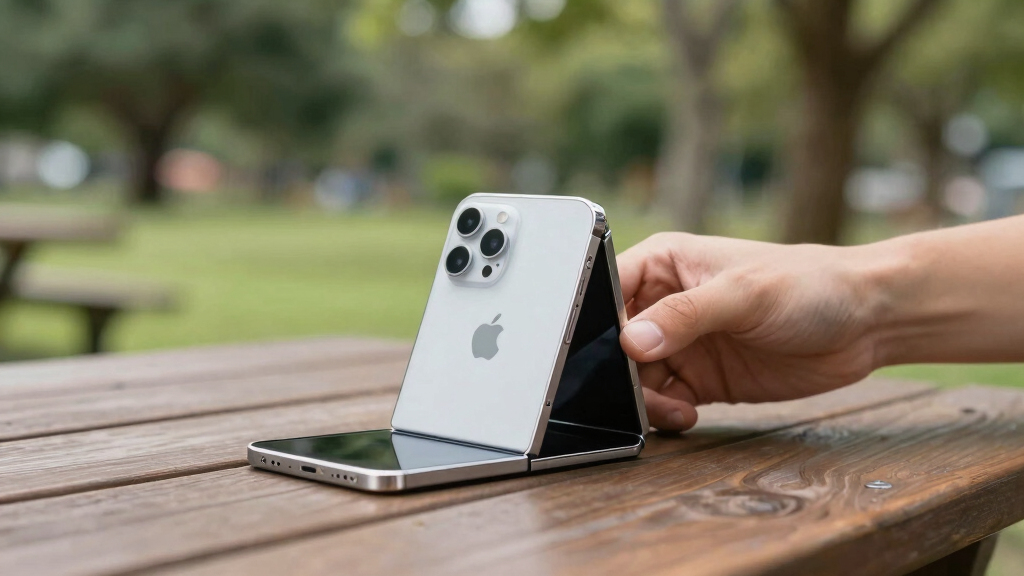
Apple announced the upcoming release of a foldable iPhone, called the Ultra, at WWDC 2026, marking a significant hardware shift. Apple decided not to roll out Siri in EU after denied request for exemption The device features a book-style foldable design, with a 7.7-inch inner display that unfolds to a 4:3 aspect ratio, and a cover screen around 5.5 inches. The announcement underscores Apple’s push to integrate foldable technology into its product lineup before the hardware arrives, aiming to shape developer expectations and software design practices.
The foldable iPhone Ultra is expected to start around $2,000, with production at Foxconn targeting a July mass rollout. It was announced alongside the iPhone 18 Pro in September, with John Ternus, who is taking over as CEO, overseeing its development. Apple’s software updates include new APIs—such as foldState and angleDegrees—to support device folding and flexible displays. During the State of the Union, Apple demonstrated a paper craft app that guides users through folding tutorials, illustrating how developers should adapt their apps for changing device shapes.
Additionally, Apple introduced tools like the Resizable iOS Simulator, allowing developers to test layouts across various screen sizes and aspect ratios. These updates reflect Apple’s strategy to prioritize software adaptability, ensuring apps function seamlessly on foldable devices before they arrive in the market. The company’s emphasis on design flexibility aims to prevent the app fragmentation issues seen on Android foldables, by integrating support into the development process early.
Impact of Foldable iPhone on Apple Ecosystem
This development signals Apple’s entry into the foldable device market, potentially reshaping smartphone design and user interaction. The move indicates a strategic shift toward flexible hardware, with implications for app developers and the broader ecosystem. It also demonstrates Apple’s intent to control the user experience on foldables, reducing fragmentation and ensuring seamless integration with existing iOS features. For consumers, this could mean a new form factor that combines portability with expanded screen real estate, but also raises questions about pricing and durability.
As an affiliate, we earn on qualifying purchases.
Background on Apple’s Foldable Device Strategy
Over the past year, Apple has been quietly integrating foldable-related features into its software, such as APIs for device folding and support for resizable windows. Rumors of a foldable iPhone have circulated for months, with reports suggesting a 7.7-inch device that unfolds to a near iPad mini size. The company’s focus on developer tools and design guidelines aims to prepare the ecosystem for this hardware shift. Apple’s approach contrasts with Android’s longer experience with foldables, emphasizing early software support to ensure a smooth market entry.
“Apple’s introduction of foldable support APIs and developer tools indicates a strategic move to shape the ecosystem before the device’s launch.”
— an anonymous researcher
Apple foldable iPhone accessories
As an affiliate, we earn on qualifying purchases.
As an affiliate, we earn on qualifying purchases.
Unconfirmed Details About the Foldable iPhone Ultra
Details remain unclear about the final specifications, durability, and user interface of the foldable iPhone Ultra. It is not yet confirmed whether the device will support multi-tasking features similar to tablets or how durable the fold mechanism will be over time. Pricing and exact release date are also still speculative, although production is reportedly set for July. The full software experience and third-party app support are still in development phases.
foldable smartphone screen protector
As an affiliate, we earn on qualifying purchases.
As an affiliate, we earn on qualifying purchases.
Upcoming Steps Toward Commercial Release
Apple is expected to begin mass production of the foldable iPhone Ultra in July, with a potential launch later in the year. Developers will continue to receive beta updates with new APIs to optimize their apps for foldable screens. Apple may also release further developer kits or prototypes at upcoming events or developer conferences. The company’s focus will be on refining hardware durability, software stability, and ecosystem support before the device’s official market debut.
As an affiliate, we earn on qualifying purchases.
Key Questions
When will the foldable iPhone Ultra be available for purchase?
While an exact release date has not been announced, production is reportedly targeting July, with a possible launch later in 2026.
How will Apple support app developers for the foldable iPhone?
Apple introduced new APIs and developer tools, including support for resizable windows and fold states, to help developers adapt their apps for the foldable device before its release.
What are the main features of the foldable iPhone Ultra?
The device is expected to feature a book-style foldable design with a 7.7-inch inner display that unfolds to a 4:3 aspect ratio, with a cover screen around 5.5 inches. Exact specifications are still unconfirmed.
Will the foldable iPhone support multitasking or tablet-like features?
It is not yet confirmed, but Apple’s developer tools suggest support for multi-window and adaptable interfaces, similar to tablet functionality.
How does Apple’s foldable strategy differ from Android’s?
Apple is emphasizing early software support and developer tools to ensure a seamless experience, rather than releasing hardware first and addressing software issues post-launch.
Source: Hacker News