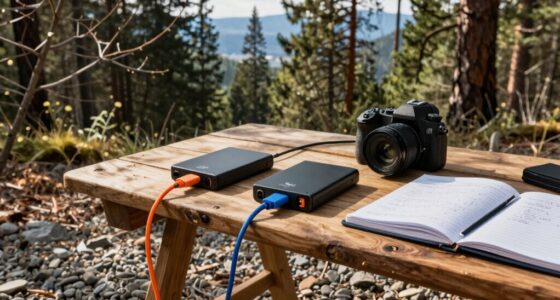
To make your travel photos feel more intentional, develop a framing habit by actively seeking strong compositional elements before snapping your shot. Use techniques like the rule of thirds, leading lines, and framing devices to guide the viewer’s eye and add depth. Move around to find the best angle and lighting, and always pause to evaluate your scene. Practicing this mindful approach helps craft images that tell clear, purposeful stories—if you stick with it, you’ll discover more ways to elevate your photos.

Get travel and outdoor gear delivered free with Prime
- Fast, free delivery on millions of items
- Prime Video, Amazon Music and more included
- Member-only deals all year
Key Takeaways
- Actively seek and evaluate compositional opportunities before capturing the shot.
- Use framing techniques like leading lines, natural frames, and rule of thirds intentionally.
- Move around to find the best angle and optimal lighting conditions.
- Simplify the scene by removing clutter, using framing to highlight the main subject.
- Deliberately combine lighting and framing to tell a clear, purposeful visual story.
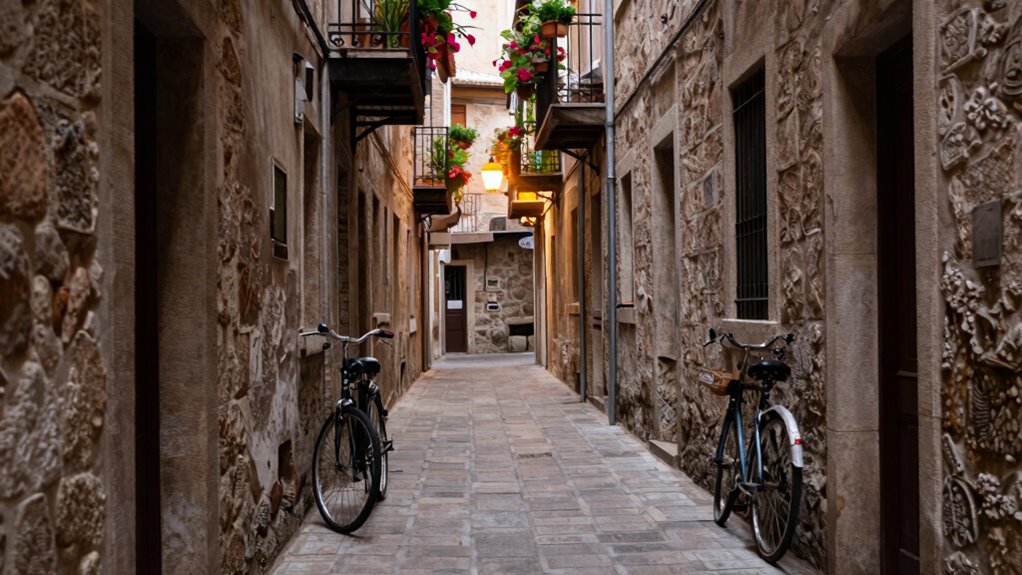
Capturing stunning travel photos often comes down to how you frame your shot. When you focus on framing, you’re guiding the viewer’s eye and creating a sense of purpose in your images. To do this effectively, you need to pay attention to lighting techniques and composition rules. Lighting can make or break a photo, so look for the best natural light—early morning or late afternoon often provides soft, warm tones that enhance your subject. Avoid harsh midday sun that causes unflattering shadows, unless you’re intentionally aiming for high contrast or silhouettes. Use lighting creatively to highlight key elements or add mood to your scene.
Effective travel photos rely on thoughtful framing, lighting, and composition to create purposeful, captivating visual stories.
Once you’ve considered lighting, think about composition rules. The rule of thirds is a good starting point; imagine your frame divided into nine equal parts and place your main subject along these lines or at their intersections. This creates a balanced and engaging shot that feels natural rather than cluttered. Leading lines are another powerful tool—use roads, fences, or rivers to direct the viewer’s gaze toward your focal point. Incorporate framing devices like archways, tree branches, or windows to add depth and context, making your photo feel more intentional. These framing elements act as visual guides, drawing attention and creating layers within your image.
The habit of deliberate framing means actively seeking out these compositional opportunities before clicking the shutter. Instead of rushing to capture the scene, pause and evaluate how the elements interact within your frame. When possible, move around your subject to find the best angle, ensuring the lighting hits just right and the composition rules are naturally incorporated. Developing an awareness of lighting conditions can significantly improve your photos, helping you make the most of natural light to enhance your subject. Being mindful of composition techniques encourages you to consider every element in the shot, leading to more intentional and compelling images. Being mindful of clutter or distracting background elements—use framing techniques to isolate your subject or create a sense of space. This intentionality transforms a casual snapshot into a compelling story, showing that you’ve thought about every aspect of the shot.
Ultimately, framing is about more than just capturing what’s in front of you; it’s about crafting an image that conveys your experience with purpose. When you combine good lighting techniques with sound composition rules, your travel photos become more than mere records—they become visual stories that feel deliberate and meaningful. Developing this framing habit takes practice, but once it becomes second nature, your images will stand out with clarity, depth, and a sense of artistry that truly captures the spirit of your journey.
Products Worth Considering

GoPro LIT Hero – Lightweight, Compact, Waterproof Action Camera with Built-in Light, 4K60 Ultra HD Video, 12MP Photo, Touch Screen, HyperSmo

GoPro HERO Compact Waterproof 4K Action Camera

DJI Mini 4K Drone with 4K UHD Camera (Under 249 g)
As an affiliate, we earn on qualifying purchases.
Frequently Asked Questions
How Does Framing Influence Viewer Perception of Travel Photos?
Framing influences your perception of travel photos by guiding the viewer’s eye and emphasizing key elements, enhancing visual storytelling. When you use deliberate framing, you create compositional balance, making the image feel intentional and engaging. This draws viewers into your story and highlights the scene’s significance. Proper framing helps convey emotion and context effectively, making your travel images more compelling and memorable, encouraging viewers to connect with your experience.
What Common Framing Mistakes Should Travelers Avoid?
Avoid awkward angles and cluttered compositions that undermine your subject focus. Steer clear of centering everything or overusing the rule of thirds, which can create chaos. Instead, prioritize clean, thoughtful framing that highlights your subject, giving your travel shots a sense of story and purpose. Remember, good composition principles guide viewers’ eyes effortlessly, making your images more intentional and impactful. Focus, frame, and finesse for travel photos that truly tell your tale.
Can Framing Techniques Be Applied With Smartphone Cameras?
Yes, you can definitely apply framing techniques with your smartphone camera. Use panoramic compositions to capture wide, sweeping scenes, and look for symmetry and balance within your frame to create more intentional, striking images. Keep your horizon level and experiment with different angles to enhance your photos. Even with limited gear, thoughtful framing can elevate your travel photos, making them feel more deliberate and visually appealing.
How Does Lighting Interact With Framing in Travel Photography?
Lighting works with framing to enhance your travel photos by creating depth and highlighting color harmony. When you frame your shot with intentional lighting—like capturing warm sunset light or soft shadows—you add dimension that draws viewers in. Good lighting emphasizes your composition’s focus points, making the colors pop and creating a sense of depth. As a result, your images feel more deliberate and visually compelling, elevating even simple scenes into powerful travel stories.
Are There Cultural Considerations When Framing Travel Images?
Like a diplomat steering delicate waters, you should approach framing travel images with cultural sensitivity and respectful composition. Be aware of local customs, symbols, and gestures, avoiding stereotypes or misrepresentations. Respectful framing honors the people and places you photograph, ensuring your images celebrate the authenticity without exploitation. By doing so, you create meaningful visuals that foster understanding, showcasing your awareness and appreciation for diverse cultures.
Conclusion
By adopting the framing habit, you turn ordinary travel photos into intentional stories, much like a painter carefully selects each brushstroke. You’ll notice your images become more engaging, guiding viewers’ eyes just as a well-crafted sentence directs a reader’s focus. This simple habit transforms your snapshots from mere documentation to mesmerizing visuals, making each shot feel purposeful and artful. Embrace this practice, and watch your travel photos become as thoughtfully composed as a masterpiece.