
To notice better travel photo opportunities without wandering aimlessly, focus on developing a keen eye for changing light, cultural details, and evolving scenes around you. Pay attention to how sunlight filters through narrow alleys or reflects off water, and look for authentic moments like local interactions or unique textures. Use a mental checklist to guide your observations and anticipate fleeting opportunities. Keep exploring these aspects, and you’ll find more meaningful scenes waiting to be captured just beyond the surface.

Get travel and outdoor gear delivered free with Prime
- Fast, free delivery on millions of items
- Prime Video, Amazon Music and more included
- Member-only deals all year
Key Takeaways
- Use a mental checklist focusing on lighting, cultural details, textures, and colors to guide intentional observation.
- Develop systematic awareness by observing how scenes change with light and time, enhancing opportunity recognition.
- Pay close attention to natural frames, reflections, and highlights created by light to find compelling compositions.
- Slow down and observe cultural cues and everyday moments that tell authentic stories of the location.
- Anticipate fleeting scenes by understanding the environment, lighting, and cultural rhythms, avoiding aimless wandering.

Travel offers countless chances to capture memorable photos, but spotting the best opportunities requires more than just pointing and shooting. To truly notice compelling scenes, you need to develop a keen eye for the subtle details that often go unnoticed. One of the most impactful elements is local lighting. Different destinations have unique lighting conditions—warm, golden hour sunlight that enhances textures and colors, or stark midday sun that casts dramatic shadows. Pay attention to how light interacts with your surroundings. For example, when the sun filters through a narrow alley or reflects off water, it creates natural frames and highlights that can transform an ordinary shot into something extraordinary. By observing the quality and direction of light, you can position yourself to capture scenes with depth and mood.
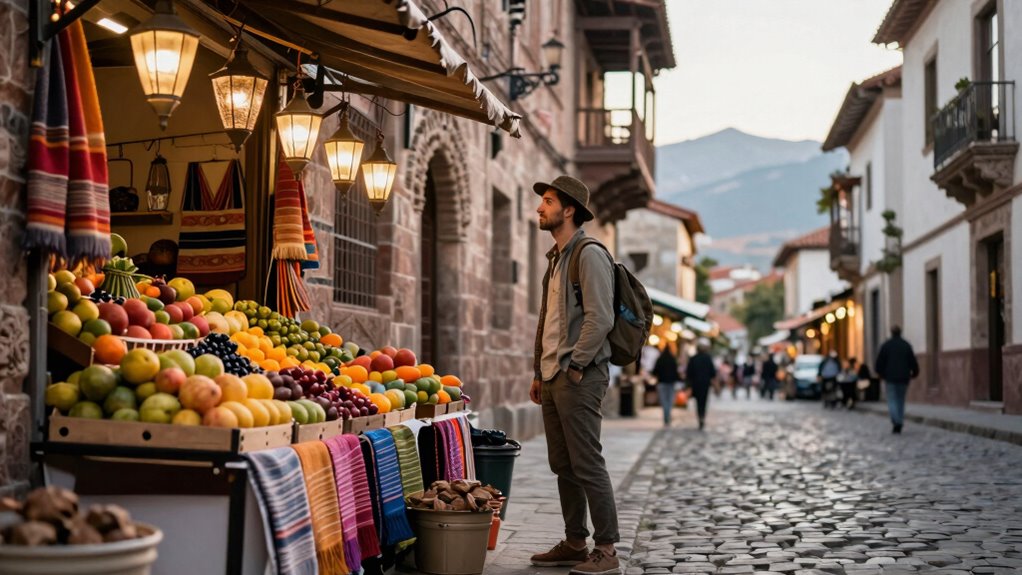
Equally important are cultural details that tell a story about the place you’re visiting. These can be anything from traditional clothing and local crafts to everyday activities that reveal the character of a community. Instead of rushing past scenes that seem familiar or mundane, slow down and look for authentic moments. A vendor’s smile, a child’s game, or a street performer’s act can all serve as powerful visual narratives. Recognizing these details often requires you to be present and attentive, rather than just passing through. When you notice a cultural detail, think about framing it in a way that emphasizes its significance—perhaps by including contextual elements like architecture or natural surroundings. Additionally, paying attention to local lighting can help you better capture the mood and atmosphere of the scene. Developing a habit of systematic observation can further enhance your ability to catch these fleeting moments before they pass. Being aware of changing light conditions can also guide you to moments when the scene is most evocative and visually compelling. Embracing a mindset of curiosity and exploration will also open your eyes to unexpected photogenic scenes that others might overlook.
To avoid aimless wandering, develop a mental checklist or a habit of observing your environment systematically. Instead of scanning randomly, set your focus on specific elements: lighting conditions, cultural cues, interesting textures, or vibrant colors. Take a moment to observe how these elements change throughout the day or as you move through different areas. By training yourself to be more observant, you’ll start noticing opportunities that others often overlook. This approach also helps you anticipate the right moment to capture a scene, rather than hurriedly snapping photos without thought.
Ultimately, noticing better travel photo opportunities hinges on your ability to see beyond the surface. Pay close attention to local lighting and cultural details, and practice observing your surroundings with intent. When you do this, you’ll find that some of the most compelling images aren’t staged or planned—they’re simply waiting to be seen and captured by a keen eye.
Products Worth Considering

DJI Osmo Action 5 Pro Essential Combo Waterproof 4K Action Camera

Amazon Kindle Paperwhite (2024, 16 GB) – 7-inch Glare-Free Display, Black

GoPro HERO12 Black Waterproof Action Camera with 5.3K60 Video and 27MP Photos
As an affiliate, we earn on qualifying purchases.
Frequently Asked Questions
How Can I Improve My Travel Photography Skills Quickly?
To improve your travel photography skills quickly, focus on enhancing your travel composition by framing shots thoughtfully and paying attention to lighting. Increase your cultural awareness to capture authentic moments and avoid clichés. Practice regularly, experiment with different angles, and study local customs to tell compelling stories through your images. By combining strong composition with cultural understanding, you’ll notice better photo opportunities naturally and develop your skills faster.
What Camera Settings Are Best for Travel Photos?
For travel photos, you should set your camera to aperture priority mode to control depth of field, especially in varying lighting conditions. Use a smaller aperture (f/8 to f/16) for sharp landscapes and a wider one (f/2.8 to f/4) for portraits. Adjust ISO based on lighting, and use composition techniques like the rule of thirds to frame your shots. This way, your photos will be well-exposed and visually compelling.
How Do I Approach Strangers for Candid Shots?
You can approach strangers for candid shots by respecting cultural sensitivities and boundaries. Start with a genuine smile and ask politely if they’re comfortable being photographed. If they decline, respect their choice without pressuring them. Remember, building rapport helps. Being courteous and aware of cultural norms shows respect, making it easier to capture authentic moments without invading privacy or causing discomfort. This respectful approach often results in better, more natural photos.
What Are the Best Times of Day for Travel Photography?
You should shoot during golden hour and blue hour for the best travel photos. During golden hour, shortly after sunrise or before sunset, the warm, soft light creates stunning, vibrant images. Blue hour, just before sunrise or after sunset, offers cool, moody lighting perfect for capturing cityscapes and landscapes. These times give your photos a natural glow and atmosphere that can’t be achieved at midday, making your travel shots stand out.
How Can I Protect My Gear While Exploring?
To protect your gear while exploring, prioritize camera security by using a sturdy, padded bag and keeping it close. Always be aware of your surroundings, especially in crowded places, to prevent theft. Regular gear maintenance, like cleaning lenses and checking batteries, guarantees your equipment stays in top shape. Consider using a rain cover or protective filters in unpredictable weather. These steps keep your gear safe and ready for great photo opportunities.
Conclusion
By sharpening your awareness and staying present, you’ll start noticing those perfect photo moments naturally. Keep your eyes open for unique angles, interesting lighting, and genuine interactions that tell a story. Remember, the best shots often happen when you’re least expecting them. So, next time you’re exploring, ask yourself: are you truly seeing the world around you, or just passing through? When you embrace curiosity, your travel photos will capture more than just images—they’ll tell unforgettable stories.