TL;DR

Get travel and outdoor gear delivered free with Prime
- Fast, free delivery on millions of items
- Prime Video, Amazon Music and more included
- Member-only deals all year
Italy has confirmed an uptick in cases of dengue, chikungunya, and West Nile virus, with health officials warning of increased arbovirus activity. The situation is ongoing, with no definitive outbreak declared yet.
Italy’s public health authorities have confirmed an increase in cases of dengue, chikungunya, and West Nile virus across several regions, prompting warnings and increased surveillance. The rise in arbovirus activity is significant as it indicates a potential shift in disease patterns linked to vector-borne illnesses, which could impact both local populations and travelers.
According to the Italian Ministry of Health, recent surveillance data shows a notable rise in arbovirus infections, with confirmed cases of dengue and chikungunya reported in multiple northern and central regions. West Nile virus cases have also increased, with several confirmed infections resulting in hospitalizations. The exact number of cases remains provisional, but health officials emphasize that the trend warrants heightened vigilance.
Health authorities attribute the rise to favorable climatic conditions, including warmer temperatures and increased rainfall, which support the breeding of Aedes and Culex mosquito populations—the primary vectors for these viruses. The Italian National Institute of Health (ISS) has issued alerts to local health services, emphasizing the importance of mosquito control and public awareness campaigns.
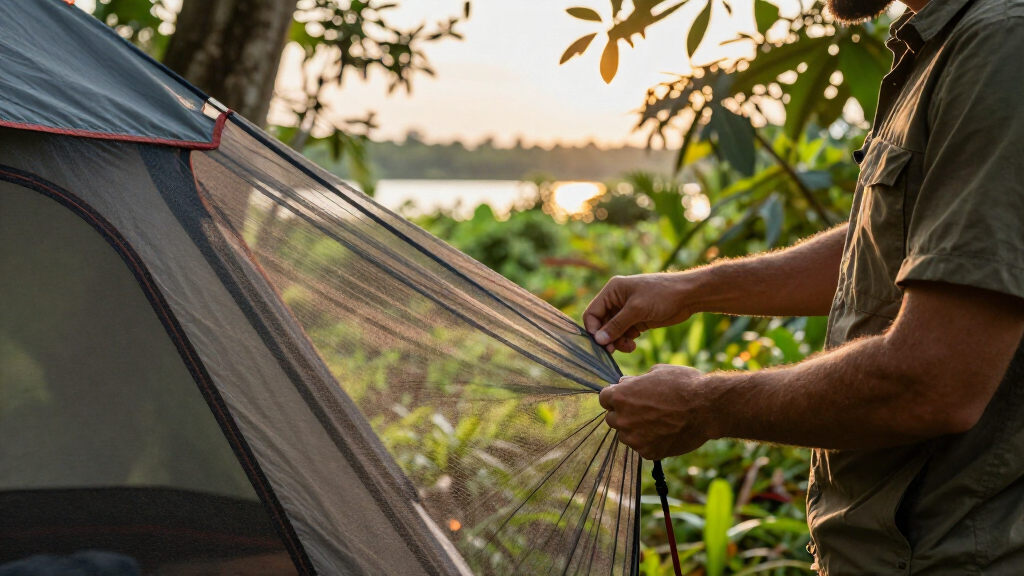
Local officials have urged residents and visitors to adopt protective measures, such as using insect repellent, wearing long sleeves, and eliminating standing water around homes. No deaths have been officially reported yet, but the increase in cases has raised concerns about potential outbreaks, especially in urban and peri-urban areas.
Implications for Public Health and Travel Safety
The confirmed rise in arbovirus cases in Italy underscores the growing threat of vector-borne diseases in Europe, driven by climate change and urbanization. This development is significant for public health, as it may lead to localized outbreaks if mosquito control efforts are insufficient. For travelers and residents, it highlights the importance of preventive measures to reduce infection risk. The situation could also influence travel advisories and public health policies across the region.
As an affiliate, we earn on qualifying purchases.
Recent Trends in Arbovirus Activity in Italy
Italy has experienced sporadic cases of dengue, chikungunya, and West Nile virus over the past decade, often linked to imported cases and local mosquito populations. The recent spike appears to be part of a broader pattern of increasing arbovirus activity across southern Europe, with climate conditions becoming more conducive to mosquito breeding. Historically, West Nile virus has been endemic in Italy, with seasonal peaks, but the current rise in dengue and chikungunya cases is noteworthy, as these viruses are less common in the country.
Officials note that the current increase coincides with warmer late-summer and early-fall temperatures, which favor mosquito proliferation. The European Centre for Disease Prevention and Control (ECDC) has also flagged similar trends across neighboring countries, emphasizing a regional concern about arbovirus transmission.
Prior outbreaks of West Nile virus in Italy have resulted in several human cases and bird deaths, but large-scale outbreaks have generally been contained. The new data suggests a potential escalation, although definitive outbreak declarations have not yet been made.
long sleeve insect protection shirts
As an affiliate, we earn on qualifying purchases.
As an affiliate, we earn on qualifying purchases.
Unconfirmed Extent and Future Outbreak Risk
It is not yet clear whether the current increase will develop into widespread outbreaks or remain localized. The total number of cases is still being compiled, and the effectiveness of ongoing mosquito control efforts is uncertain. Additionally, the potential for imported cases to seed larger outbreaks remains an open question, as does the impact of upcoming weather patterns.
As an affiliate, we earn on qualifying purchases.
Monitoring, Response Measures, and Public Guidance
Health authorities will continue to monitor arbovirus trends closely, with updates expected as more data becomes available. Enhanced mosquito surveillance, targeted control campaigns, and public education efforts are likely to be intensified. Travelers to Italy are advised to consult official health advisories and adopt protective measures against mosquito bites. Further announcements regarding outbreak status or new cases are anticipated in the coming weeks.
As an affiliate, we earn on qualifying purchases.
Key Questions
Currently, there are no specific travel restrictions in place due to arboviruses. However, travelers are advised to follow health recommendations and take precautions against mosquito bites.
What symptoms should I watch for if I suspect arbovirus infection?
Symptoms can include fever, rash, joint pain, headache, and fatigue. Severe cases may involve neurological symptoms or hemorrhagic signs. Seek medical attention if symptoms develop after travel or exposure.
How can residents and travelers protect themselves from mosquito-borne diseases?
Use insect repellent containing DEET, wear long-sleeved clothing, avoid standing water, and stay indoors during peak mosquito activity times, especially dawn and dusk.
Is there a vaccine available for dengue or chikungunya in Italy?
As of now, vaccines for dengue and chikungunya are not widely available in Italy. Prevention focuses on mosquito control and personal protective measures.
What is Italy doing to control the mosquito populations and prevent outbreaks?
Italian health authorities are implementing targeted mosquito control campaigns, environmental management to eliminate breeding sites, and public awareness initiatives to reduce infection risk.
Source: rss
Columbus Day / Indigenous Peoples' Day Picks
long weekend sales
As an affiliate, we earn on qualifying purchases.