
Choosing a window seat can boost your comfort when you enjoy outside views, want to reduce anxiety, or love scenery. However, it can hurt your experience if you’re prone to motion sickness, avoid glare, or need more legroom. Your mood and preferences matter, and how you manage environment factors like shades or turbulence influences how helpful the seat is. To find out more about when the window seat truly helps or hurts, keep exploring what influences your flight comfort.

Get travel and outdoor gear delivered free with Prime
- Fast, free delivery on millions of items
- Prime Video, Amazon Music and more included
- Member-only deals all year
Key Takeaways
- Window seats provide scenic views and a sense of control, enhancing comfort and happiness during flights.
- They can worsen motion sickness and cause nausea during turbulence or uneven terrain.
- Limited legroom and restricted movement may decrease comfort, especially in middle or window-only seats.
- Managing environment factors like shades and light can maximize benefits and reduce discomfort.
- Personal preferences determine whether window seats improve or diminish overall flight experience.
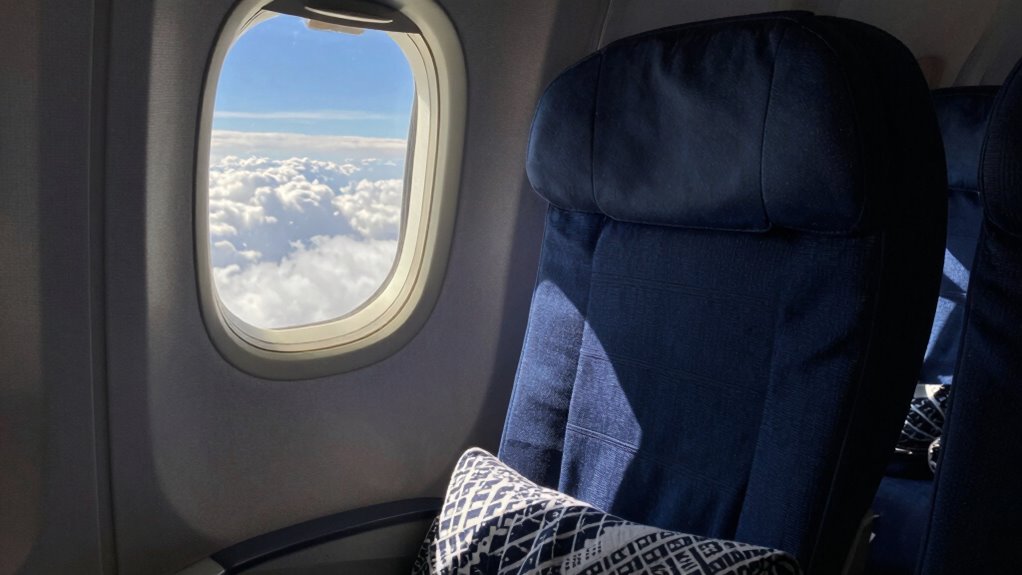
Have you ever believed that sitting by the window on a plane guarantees a better view or a more enjoyable flight? Many travelers think so, but the truth is more nuanced. In aviation psychology, passenger comfort plays a significant role in how you perceive your flight experience. While a window seat offers a view, it doesn’t always translate to greater satisfaction. Your mood, expectations, and the environment all influence how much you enjoy the journey.
Choosing a window seat can be a double-edged sword. For some, having a view provides a sense of control and connection to the outside world, reducing anxiety and making the flight feel shorter. If you’re someone who appreciates scenery or wants to take photos, the window seat can boost your overall comfort and happiness. However, if you’re prone to motion sickness or easily distracted by outside movement, staring out the window might worsen discomfort. The constant visual stimuli can trigger nausea, especially during turbulence or when flying over uneven terrain. Understanding how **visual stimuli** affect your comfort can help you decide whether to sit by the window or not.
Passenger comfort isn’t solely about the view; it involves how well you adapt to your environment. For instance, in aviation psychology, comfort is linked to feeling in control and minimizing stress. Sitting by the window might give you a sense of agency—deciding when to look outside or lean against the window—yet it can also cause issues. When the window shade is down, you might feel confined or cut off from your surroundings, which can increase feelings of claustrophobia. Conversely, if the window shade is up, the glare and sunlight might disturb your sleep or concentration, hampering your comfort. Additionally, the aircraft layout can influence how comfortable you feel in your seat. The design of the cabin and seat ergonomics also play a crucial role in overall passenger satisfaction, regardless of seat location.
Another factor to consider is the physical layout of the aircraft. Window seats typically mean less legroom, especially if you’re in the middle or aisle seats. If your goal is to stretch out or move freely, the window seat might feel restrictive. Also, you often need to ask neighbors for access to the aisle, which can be inconvenient if you’re trying to rest or work. Interestingly, aircraft design can also impact how much space and comfort you experience regardless of seat location. Recognizing these layout factors can help you choose the best seat for your needs.
Ultimately, the window seat’s impact on your flight experience depends on your personal preferences and how you manage your environment. For some, it enhances relaxation and enjoyment; for others, it’s a source of discomfort. Recognizing what makes you comfortable—whether it’s a view, the ability to control light, or ease of movement—can help you make better choices. Remember, in aviation psychology, your perception of comfort often outweighs the physical aspects, so understanding your own preferences is key to turning the myth into reality.
As an affiliate, we earn on qualifying purchases.
Frequently Asked Questions
Does Preferred Seating Vary by Airline or Aircraft Type?
Yes, seat selection preferences can vary by airline and aircraft type. You might find that some airlines prioritize window seats for passenger experience, while others offer more flexible options. Your passenger preferences influence your seat choice, but aircraft layout and airline policies also play a role. It’s best to check specific airline seat maps and policies ahead of time to guarantee you can select a seat that aligns with your preferences.
How Do Window Seat Myths Affect Airline Seating Policies?
Window seat myths influence airline seating policies by shaping seat selection biases and passenger comfort perceptions. Airlines may allocate more window seats to meet these biases, believing passengers prefer them for scenic views or privacy. Conversely, some airlines might limit window seat availability to optimize overall comfort and efficiency. These policies are driven by perceived passenger preferences, but understanding the myths helps airlines balance passenger satisfaction with operational needs.
Are Window Seats More or Less Prone to Turbulence?
You’ll find window seats generally experience less turbulence perception because they’re closer to the plane’s center of gravity. While turbulence can shake the entire aircraft, sitting by the window often offers better seat comfort, providing a stable view and feeling of control. However, keep in mind that turbulence varies, and seat position isn’t a guarantee of a smoother ride but can influence how you perceive it.
Can Window Seats Improve or Hinder Sleep During Flights?
You find yourself in a window seat, and surprisingly, it can both improve and hinder your sleep. The view and window comfort might soothe you, helping you relax, but the light and temperature fluctuations can disrupt your sleep quality. If you prefer a stable environment, the window seat offers a cozy spot — just remember, the gentle sway might also make it harder to stay asleep.
Do Frequent Flyers Have Different Perceptions of the Window Seat Myth?
You might find that frequent flyers perceive the window seat myth differently because they value aisle advantages like quick access and easier movement. While some prefer the seat comfort of a window for views and reduced disturbances, others prioritize the convenience of an aisle for stretching and quick exits. Your perception depends on what you prioritize—whether it’s the comfort and scenery or the flexibility and ease of movement during your flight.
As an affiliate, we earn on qualifying purchases.
Conclusion
So, next time you choose your seat, remember that the window seat myth isn’t just about comfort—it’s about timing. Sometimes, luck aligns and you get the perfect view or quiet. Other times, it’s just a coincidence that the seat feels right. In the end, whether it helps or hurts depends on your needs and a little bit of chance. After all, life’s full of surprises, even in the most predictable places like an airplane seat.
motion sickness relief for flights
As an affiliate, we earn on qualifying purchases.
As an affiliate, we earn on qualifying purchases.
As an affiliate, we earn on qualifying purchases.
Halloween Picks
halloween
As an affiliate, we earn on qualifying purchases.