Implementing the “One Small Bag” habit helps your child take ownership of their belongings, boosting their sense of responsibility. By focusing on caring for a single item like a backpack or lunchbox each day, they learn the value of small efforts and develop routines that foster independence. Consistent routines, positive reinforcement, and your involvement make this habit effective. If you keep exploring, you’ll find more tips to help your child build lasting accountability skills.

Get travel and outdoor gear delivered free with Prime
- Fast, free delivery on millions of items
- Prime Video, Amazon Music and more included
- Member-only deals all year
Key Takeaways
- It encourages children to take ownership of their belongings by focusing on one small bag daily.
- Consistent routines teach kids responsibility through manageable, everyday tasks.
- Parental involvement reinforces accountability and creates a supportive environment for habit formation.
- Positive reinforcement boosts confidence and motivates kids to maintain their responsibility.
- Developing a routine around the bag fosters independence and long-term responsible behaviors.
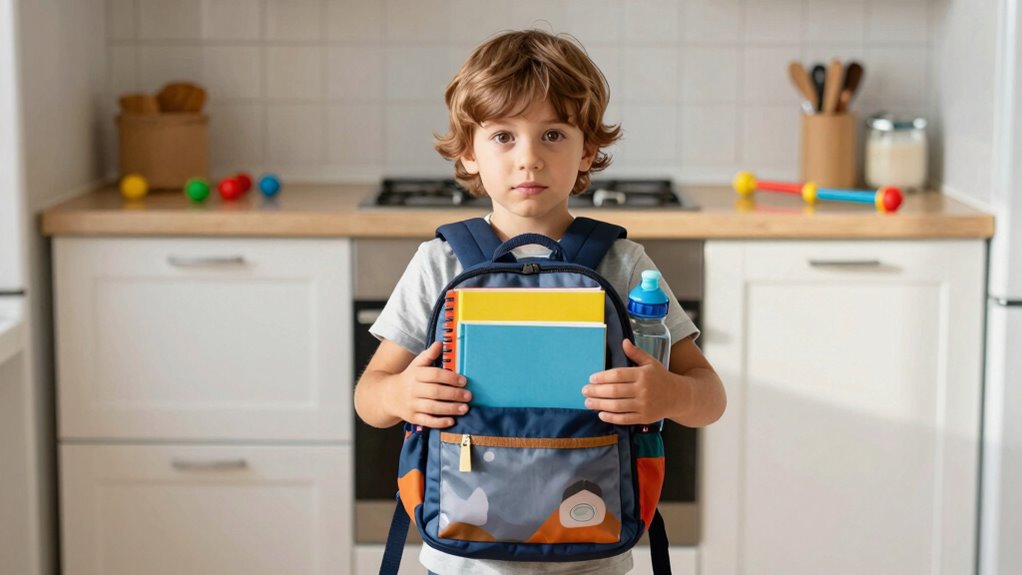
Many kids struggle with feeling responsible for their actions, but a simple habit can make a big difference. That habit is the “One Small Bag” approach, which encourages children to take ownership of their belongings and tasks. The idea is straightforward: each day, your child picks one small bag — a backpack, tote, or even a lunchbox — and commits to keeping it organized, tidy, and ready for use. This small act helps children develop a sense of accountability because it’s manageable and tangible. It’s not about overhauling their entire routine but focusing on one object they can consistently care for. Incorporating routine consistency into this habit makes it easier for children to develop long-lasting responsible behaviors. Establishing this routine also supports their understanding of sustainable living, as they learn to care for their belongings rather than neglect or discard them. When children see how small, consistent efforts can make a difference, it reinforces the importance of developing responsibility skills early on. Your involvement is key to making this habit successful. When you participate in setting up the “One Small Bag” routine, it shows your child that you value their responsibility and are there to support them. You might help them choose the right bag, set specific times for cleaning or packing it, and check in regularly. Creating a predictable environment for this habit encourages children to internalize the routine and develop independence. Additionally, positive reinforcement can motivate children to maintain their responsibility and build good habits over time. Your active engagement teaches them that responsibility isn’t a burden but a shared effort. As they begin to take charge of their bag, they also start to see themselves as capable of managing other small tasks, building confidence along the way.
As an affiliate, we earn on qualifying purchases.
Frequently Asked Questions
How Can This Habit Be Adapted for Different Age Groups?
You can adapt this habit for different age groups by using age-specific strategies and considering developmental considerations. For younger kids, keep the task simple and offer visual cues or reminders. For older children, encourage them to plan their bag content independently and reflect on their choices. Adjust the expectations based on their maturity level, helping each child develop responsibility at a comfortable pace while fostering independence and organizational skills.
What Are Common Challenges Parents Face When Implementing This Habit?
You might face challenges like peer pressure or cultural differences when implementing this habit. Around 60% of parents report struggles with kids resisting responsibility due to peer influences or cultural expectations. Kids may feel embarrassed or pressured to conform, making it hard to stay consistent. To overcome this, you need patience, open communication, and reassurance, helping them understand that responsibility is a personal value that transcends outside influences.
How Long Does It Typically Take to See Noticeable Results?
You can usually expect to see noticeable results within a few weeks, though timing expectations vary depending on your child’s age and consistency. Keep an eye on progress indicators like increased responsibility, better organization, and a sense of ownership. Stay patient and consistent, as small but steady improvements often signal that the habit is taking hold. With ongoing reinforcement, your child’s responsibility will continue to grow over time.
Can This Habit Be Combined With Other Responsibility-Building Strategies?
Yes, you can definitely combine this habit with other responsibility-building strategies. Focus on habit consistency by integrating it into daily routines, and involve family collaboration to reinforce accountability. When everyone participates, your child sees responsibility as a shared effort. This approach not only strengthens their sense of duty but also creates a supportive environment that encourages ongoing growth and commitment to responsibilities.
What Are Some Rewards or Incentives to Motivate Kids?
Ever wonder what truly motivates your child? You can use simple reward systems like praise, stickers, or extra playtime as motivational tools. Small incentives reinforce positive behavior and make responsibilities feel rewarding. Have you considered acknowledging their efforts with a special treat or a fun activity? These reward systems boost motivation and help your child associate responsibility with positive outcomes, making them more enthusiastic to participate and grow.
children's lunchbox with compartments
As an affiliate, we earn on qualifying purchases.
As an affiliate, we earn on qualifying purchases.
Conclusion
Imagine your child walking confidently, a small bag in hand, each item packed with purpose. This simple habit fosters responsibility and independence, like guiding them along a well-worn path of self-reliance. As they carry their own bag, they carry their growing trust in themselves, step by step. Soon, that tiny bag becomes a symbol of their capability—an everyday reminder that they’re ready to face the world, one responsible choice at a time.
As an affiliate, we earn on qualifying purchases.
As an affiliate, we earn on qualifying purchases.
Halloween Picks
halloween
As an affiliate, we earn on qualifying purchases.