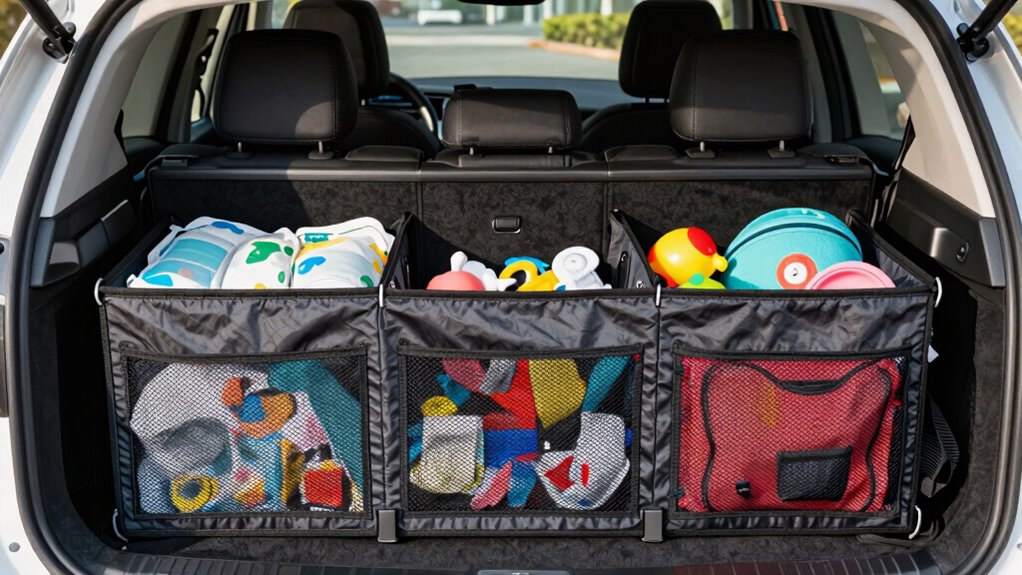
To stop yourself from overloading your luggage, set clear packing boundaries by focusing only on essentials for the trip. Consider the destination, activities, and your family’s needs, then create a checklist to prioritize versatile items. Avoid overpacking by trusting your planning and emphasizing quality over quantity. Remember, flexibility helps reduce stress and keeps your luggage manageable. If you want to learn more about establishing effective packing boundaries, keep exploring these helpful strategies.

Get travel and outdoor gear delivered free with Prime
- Fast, free delivery on millions of items
- Prime Video, Amazon Music and more included
- Member-only deals all year
Key Takeaways
- Set clear limits on essential items to prevent overpacking and physical overload.
- Use detailed checklists to focus only on necessary items, reducing unnecessary baggage.
- Prioritize versatile and multi-use items to minimize the number of things packed.
- Establish boundaries around emergency supplies to avoid excessive weight and stress.
- Trust in your planning, embrace flexibility, and focus on enjoying the trip rather than perfect packing.

Setting clear boundaries around packing habits can help parents manage stress and guarantee their children are prepared without feeling overwhelmed. When you’re packing for a trip, it’s tempting to toss in everything you think your child might need—extra clothes, toys, snacks, and a long list of travel essentials. But overpacking can lead to unnecessary baggage, both physically and mentally. By establishing boundaries, you simplify the process, ensuring you focus on what truly matters and avoid the pitfalls of carrying too much.
Start by identifying the essentials your child needs for the trip. Think about the duration, destination, and activities planned. For travel essentials, include items like a change of clothes, necessary toiletries, a favorite blanket or comfort item, and any required medications. Focus on versatile items that can serve multiple purposes—this reduces the number of things you need to pack. For example, a single pair of shoes that can be worn for different activities or a multi-use jacket. This approach keeps your luggage manageable and your mind clear.
Emergency preparedness is another vital boundary. Always pack a small kit with band-aids, antiseptic wipes, and any specific medications your child needs. Consider including a few snacks and water bottles, especially if you’re traveling to places where access might be limited. However, avoid overloading your bag with too many emergency supplies; a well-chosen, compact kit is sufficient. Remember, emergencies are rare, and being overly prepared can lead to carrying excess items that add weight and stress. Proper planning can help you strike the right balance between preparedness and overpacking. Incorporating packing efficiency into your routine can further streamline your process.
Creating a packing checklist can help reinforce your boundaries. List out only what’s necessary and stick to it. Before packing, review the list and remove anything that’s non-essential. This discipline ensures that you’re not tempted to add extra items “just in case.” It also makes the process faster and less stressful, especially when you’re on a tight schedule. Incorporating biodiversity awareness into your planning can also remind you to choose eco-friendly and sustainable packing options, reducing unnecessary waste.
Finally, remember that flexibility is part of good boundary-setting. While you want your child to be prepared, you also want to avoid the trap of perfectionism that leads to overpacking. Trust in your planning and the essentials you’ve chosen. By setting these boundaries, you empower yourself to pack efficiently, reduce stress, and enjoy your trip with confidence, knowing that your child is well-prepared without being weighed down by unnecessary baggage.
family travel packing checklist notepad
As an affiliate, we earn on qualifying purchases.
As an affiliate, we earn on qualifying purchases.
Frequently Asked Questions
How Do I Determine What Is Truly Necessary to Pack?
To determine what’s truly necessary, start with travel essentials like snacks, a change of clothes, and important documents. Use packing psychology by asking yourself what you’d genuinely need if plans changed unexpectedly. Focus on multi-use items, and avoid overpacking by sticking to a list. Remember, simplicity reduces stress. Trust your judgment, and don’t forget that less is often more when you’re traveling with kids.
What Are the Best Lightweight Packing Tips for Parents?
Imagine you’re packing for a weekend trip, aiming to keep it light. Focus on essentials like versatile travel essentials and smart clothing choices—think layers and multi-purpose pieces. Use packing cubes to organize and compress items, and opt for lightweight fabrics that dry quickly. Limit toiletries to travel-sized bottles. By prioritizing quality over quantity, you’ll travel comfortably without the burden of excess weight, making your journey smoother and more enjoyable.
How Can I Organize Items Efficiently Within the Packing Boundary?
To organize items efficiently within the packing boundary, use travel accessories like packing cubes or small pouches to categorize essentials. Keep emergency essentials, such as first aid kits and snacks, in easily accessible compartments. Prioritize compact, multi-purpose items and roll clothes to save space. Regularly assess what’s necessary and eliminate duplicates. This approach keeps your bag manageable, ensuring quick access and smooth travel, without overloading your packing boundary.
What Are Common Packing Mistakes Parents Make?
Ever wonder if you’re overpacking? Parents often make the mistake of bringing too many travel essentials instead of focusing on what’s truly necessary. Using effective packing strategies helps you prioritize items, avoiding clutter and unnecessary weight. Don’t forget to double-check your list to make sure you’re only packing what you’ll actually use. This way, you stay within your packing boundary, making travel more manageable and stress-free for both you and your child.
How Do I Manage Last-Minute Packing Changes?
To manage last-minute packing changes, stay flexible and keep a checklist handy. Quickly assess your travel safety essentials and emergency preparedness items to add or adjust. Use a designated packing spot for essentials like medications, snacks, and important documents, making last-minute tweaks easier. Staying calm and organized helps prevent overlooking critical items, ensuring you’re prepared for any surprises and travel safely.
lightweight kids travel backpack with multiple compartments
As an affiliate, we earn on qualifying purchases.
As an affiliate, we earn on qualifying purchases.
Conclusion
By setting boundaries, you protect your peace, prioritize your needs, and create space for what truly matters. You stop carrying everything, stop overpacking your emotional and physical load, and start focusing on what’s essential. You say no to unnecessary clutter, yes to meaningful moments, and embrace a lighter, more intentional life. Remember, boundaries aren’t limits—they’re freedom. So, draw your line, define your space, and let your packing boundary be your path to balance and joy.
compact travel first aid kit for kids
As an affiliate, we earn on qualifying purchases.
As an affiliate, we earn on qualifying purchases.
versatile kids travel jacket packable
As an affiliate, we earn on qualifying purchases.
As an affiliate, we earn on qualifying purchases.
Halloween Picks
halloween
As an affiliate, we earn on qualifying purchases.