To safeguard your child’s naptime without it taking over the trip, stay flexible and adapt routines to the new environment. Keep familiar items like blankets and toys nearby, and create a calming space using blackout curtains or white noise. Schedule outings around your child’s sleep cues, and consider shorter naps or quiet times if needed. This balance ensures your child gets restful breaks while still enjoying the trip—discover more tips below.

Get travel and outdoor gear delivered free with Prime
- Fast, free delivery on millions of items
- Prime Video, Amazon Music and more included
- Member-only deals all year
Key Takeaways
- Schedule outings around your child’s usual nap time to minimize disruptions.
- Use familiar sleep items and create a consistent sleep environment in new settings.
- Incorporate short, restorative quiet times or naps if full sleep isn’t possible.
- Recognize and respond to your child’s tired cues to optimize rest without over-reliance on naptime.
- Maintain routines and use calming activities to help your child rest without letting naptime dominate the trip.
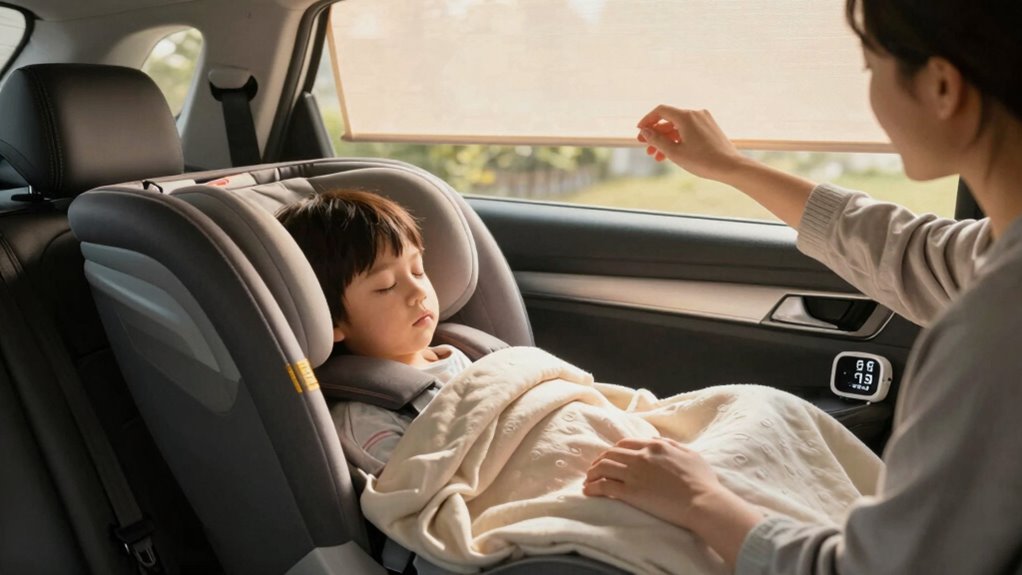
Naptime is a pivotal part of your child’s daily routine, but it can easily be disrupted by external factors or lack of routine enforcement. When you’re traveling, maintaining consistent sleep schedules becomes even more important to keep your child comfortable and well-rested. You want to protect naptime without letting it take over the entire trip, so finding a balance is key. One effective way to do this is by sticking as closely as possible to your child’s usual sleep schedule. If they normally nap around the same time each day at home, try to plan activities around that window. This consistency helps your child feel secure and reduces fussiness caused by irregular sleep patterns. Creating a comfortable environment is essential for helping your child settle down, even in unfamiliar places. Travel accessories play an essential role in preserving naptime, especially when you’re away from familiar surroundings. Pack familiar items like their favorite blanket, pillow, or sleep toy. These comfort objects signal to your child that it’s time to rest, making it easier for them to settle down even in new environments. Portable blackout curtains or sleep masks can also be lifesavers, blocking out unfamiliar light and creating a cozy, dark space similar to their bedroom. A compact, travel-friendly white noise machine or app can drown out unfamiliar sounds, helping your child relax and fall asleep more quickly. Incorporating familiar routines into your travel schedule can also ease the transition and promote a sense of normalcy. Additionally, understanding sleep needs and how they might vary while traveling can help you make better adjustments to your plans. Recognizing the importance of consistent sleep environment can also help in maintaining your child’s usual sleep quality. While you want to protect naptime, you also need to be flexible enough to avoid letting it dominate your entire trip. If your child resists sleeping in unfamiliar settings, consider shorter naps or quiet time instead of insisting on a full sleep session. Sometimes, a calming activity like reading a story or listening to gentle music can serve as a restorative break, even if they don’t sleep deeply. Planning your outings around your child’s sleep schedule can also reduce the stress of trying to enforce rigid routines while on the go. Ultimately, the goal is to maintain a sense of normalcy while allowing room for adaptation. Keep a consistent routine as much as possible, use familiar travel accessories to create a sleep-friendly environment, and stay attentive to your child’s cues. Protecting naptime doesn’t mean letting it consume your entire trip; it means creating a balance that respects their needs and allows everyone to enjoy the journey.
portable blackout curtains for travel
As an affiliate, we earn on qualifying purchases.
As an affiliate, we earn on qualifying purchases.
Frequently Asked Questions
How Can I Tell if My Child Still Needs a Nap?
You can tell if your child still needs a nap by observing their behavior and mood. If they’re often cranky, irritable, or overly tired, they likely still need rest despite the sleep regression or nap shift. Watch for signs like rubbing eyes or yawning during the day. As they grow, their sleep needs change, but consistent fussiness or difficulty focusing usually indicate it’s time for a nap.
What Are Alternative Activities if Naptime Is Skipped?
When naptime is skipped, you can keep your child engaged with interactive play that stimulates their mind and body, preventing overtiredness. Quiet time activities like puzzle-solving, reading, or coloring offer calming options that help recharge without sleep. These alternatives maintain their focus and energy levels, ensuring the trip remains enjoyable. Be ready to adapt, because sometimes, a little activity can turn a missed nap into a positive, memorable part of your journey.
How Do I Prevent My Child From Falling Asleep in the Car?
To prevent your child from falling asleep in the car, focus on maximizing travel comfort and ensuring proper car seat safety. Keep the environment engaging with toys, music, or conversation, and avoid overly cozy setups that promote sleep. Maintain a comfortable temperature and use sunshades for glare. These strategies help your child stay alert, while ensuring their safety and comfort during the trip.
What Are Signs My Child Is Overtired After Naptime?
Signs your child is overtired after naptime include sudden sleep regression and unexpected energy bursts. You might notice fussiness, rubbing eyes, or difficulty settling down again. Watch for restless movements or hyperactivity, which indicate they’re still tired but wired. These behaviors signal they need more calming care, not chaos, to help them recharge. Recognizing these signs helps prevent overtired tantrums and keeps your trip peaceful.
How Can I Adjust Naptime Routines for Travel Schedules?
You can adjust naptime routines for travel by embracing flexible scheduling and using portable sleep solutions. Keep your child’s sleep environment consistent by bringing familiar items like a blanket or sleep sack. Plan naps around your itinerary, allowing for short breaks if needed. This approach helps your child rest well while staying adaptable to new surroundings, ensuring naptime remains a calming part of your travel experience.
travel white noise machine for kids
As an affiliate, we earn on qualifying purchases.
As an affiliate, we earn on qualifying purchases.
Conclusion
By setting clear boundaries and sticking to a routine, you can protect naptime just like a sturdy shield guards a treasure. Remember, consistency is your best ally—think of it as planting a seed that grows into a peaceful, uninterrupted rest. With a little planning and patience, you’ll keep naptime sacred without letting it take over the entire trip. Soon, you’ll find a perfect balance, like a well-tuned orchestra, where every part plays harmoniously.
kids sleep comfort items for travel
As an affiliate, we earn on qualifying purchases.
As an affiliate, we earn on qualifying purchases.
travel-friendly sleep toys for children
As an affiliate, we earn on qualifying purchases.
As an affiliate, we earn on qualifying purchases.
Halloween Picks
halloween
As an affiliate, we earn on qualifying purchases.