
A clean campsite makes your outdoor comfort much better than any fancy gear could. When you keep the area tidy, you’ll avoid pests, bad odors, and health hazards, making the experience more pleasant. Proper waste disposal and hygiene habits help preserve the natural beauty and prevent hazards. Even the best gear can’t fix problems caused by dirt or mess. If you want to discover how small habits boost your camping enjoyment, keep exploring these simple tips.

Get travel and outdoor gear delivered free with Prime
- Fast, free delivery on millions of items
- Prime Video, Amazon Music and more included
- Member-only deals all year
Key Takeaways
- Cleanliness prevents pests and odors that can cause discomfort, regardless of gear quality.
- Proper waste management reduces health hazards, ensuring a safer and more comfortable camping experience.
- A tidy campsite enhances overall safety by minimizing tripping hazards and maintaining hygiene standards.
- Good hygiene practices preserve the natural environment, making the setting more enjoyable than just relying on advanced equipment.
- Maintaining cleanliness creates a more relaxing atmosphere, often more impactful than luxury or high-tech gear.
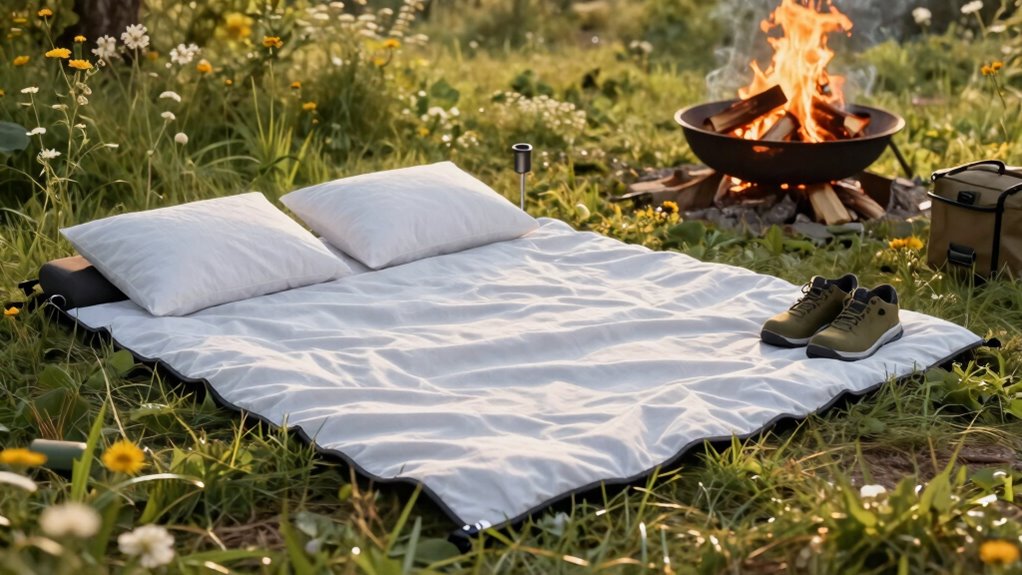
When you pay attention to hygiene, you create a healthier environment for yourself and your companions, making the whole experience more enjoyable. A clean campsite also reduces the risk of accidents caused by slips or trips over debris or clutter.
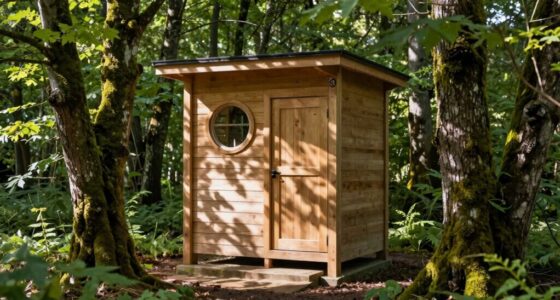
Waste management is equally crucial. Leaving trash lying around attracts wildlife and creates an unsanitary environment. You should always pack out what you pack in, using designated trash bags or containers. Proper disposal of human waste is vital; digging catholes at least six inches deep and away from water sources prevents contamination. If portable toilets or waste disposal services are available, make use of them. Keeping your campsite free of food scraps and waste not only minimizes health hazards but also preserves the natural beauty of the area. When waste is managed properly, you reduce the chances of unpleasant odors, pests, and environmental damage—factors that can seriously diminish your comfort. Additionally, understanding the importance of waste management can help you adopt best practices to protect the environment and your well-being. Being aware of proper waste disposal techniques ensures you leave no trace and maintain the ecosystem’s health.
Maintaining hygiene habits is also essential because it directly impacts your health and comfort in the outdoors. Furthermore, practicing environmental responsibility ensures that natural areas remain pristine for future visitors and wildlife alike. Proper waste disposal practices are fundamental to minimizing your ecological footprint and maintaining the integrity of the environment. Ultimately, your gear only provides the foundation for a good camping experience. The real difference lies in how well you maintain cleanliness and manage waste. These practices keep your campsite safe, hygienic, and inviting, allowing you to relax and enjoy nature without worries. Even with the most advanced equipment, neglecting hygiene habits or waste management can turn a beautiful setting into a less-than-ideal one. When you prioritize cleanliness, you’ll find that your overall comfort and satisfaction soar far above the benefits of fancy gear. Good habits make your trip smoother, safer, and more enjoyable—proving that the simplest practices are often the most impactful in the great outdoors.
As an affiliate, we earn on qualifying purchases.
Frequently Asked Questions
How Often Should I Clean My Camping Gear During a Trip?
You should clean your camping gear daily to maintain camp hygiene and guarantee comfort. Spot clean tents, sleeping bags, and utensils regularly to prevent dirt buildup and bacteria. Sanitize gear like cookware and water bottles after each use, especially if you’ve cooked or drank from them. Keeping your gear clean reduces odors, bugs, and illnesses, making your trip more enjoyable and safe. Consistent gear sanitation is key to a comfortable, worry-free camping experience.
What Are the Best Methods to Keep a Campsite Clean?
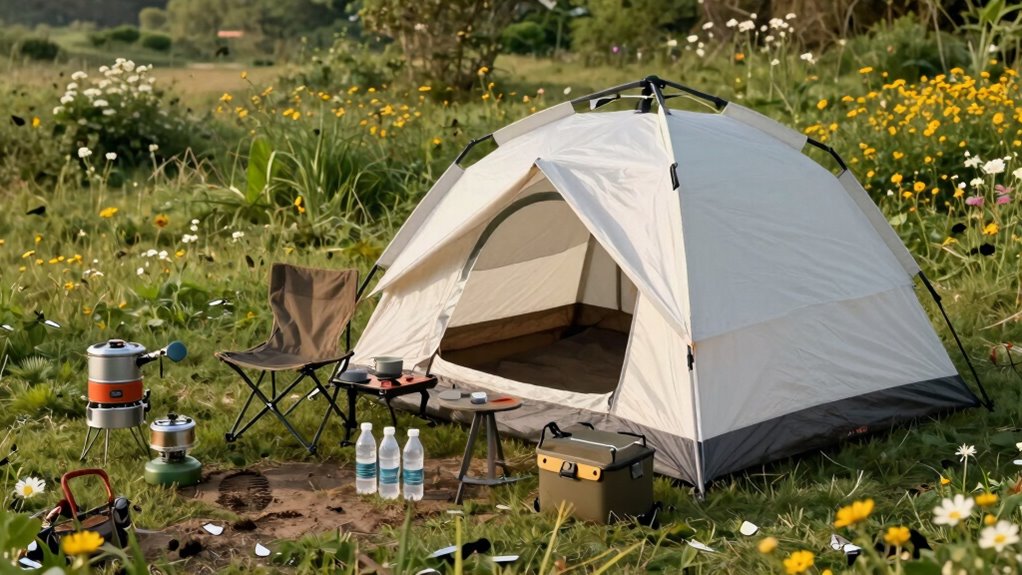
To keep your campsite clean, follow campground regulations and practice Leave No Trace principles. Pack out all trash, leftover food, and waste, and dispose of them properly. Use designated trash and recycling bins, and clean your cooking area thoroughly after use. Avoid disturbing wildlife, and stick to established trails. These habits guarantee a clean, enjoyable environment for everyone and help preserve the natural beauty of the area.
Can Cleanliness Prevent Common Camping Illnesses?
Think of your campsite as a fortress against illness; good camp hygiene is your strongest shield. Yes, cleanliness can prevent common camping illnesses by reducing bacteria and pests that cause infections. Regular hand washing, proper waste disposal, and keeping food safe all boost illness prevention. When you prioritize cleanliness, you’re not just protecting your comfort—you’re actively keeping illnesses at bay, making your outdoor adventure safer and more enjoyable.
How Does Cleanliness Impact Campsite Safety?
Cleanliness directly impacts campsite safety by reducing the risk of wild animal encounters and fire hazards. You prevent wildlife from being attracted to leftover food or trash, which keeps both you and animals safe. Additionally, keeping the area free of debris lowers fire risks, especially during campfire safety activities. Staying tidy guarantees a safer environment, letting you enjoy your trip without unnecessary dangers from uncleanliness.
What Are Quick Tips for Maintaining Hygiene in Remote Areas?
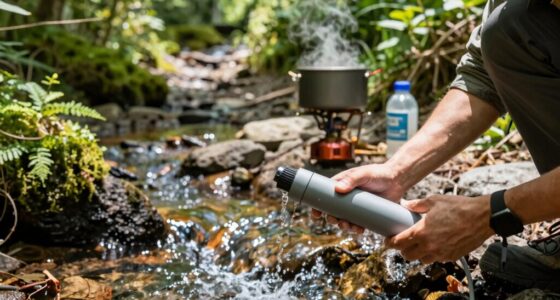
Even in remote areas, maintaining hygiene is simple. Use portable sanitation methods like biodegradable wipes and hand sanitizers frequently to stay clean. Always pack waste disposal supplies and dispose of trash properly to prevent odors and attractants. Keep a small, designated area for waste, ensuring it’s well away from water sources. Regularly wash your hands, especially after waste disposal, to keep germs at bay and stay comfortable during your adventure.
As an affiliate, we earn on qualifying purchases.
Conclusion
Remember the time you ignored the dirt and clutter, only to find yourself uncomfortable and distracted? Camp cleanliness works like a sturdy foundation—it might not shine as brightly as fancy gear, but it keeps everything stable and secure. Studies show that a tidy campsite boosts your mood and sleep quality. So, next time, prioritize cleaning over upgrading gear. After all, a clean camp is like a calm lake—reflecting comfort and peace, no matter how simple your setup.
As an affiliate, we earn on qualifying purchases.
As an affiliate, we earn on qualifying purchases.
Halloween Picks
halloween
As an affiliate, we earn on qualifying purchases.