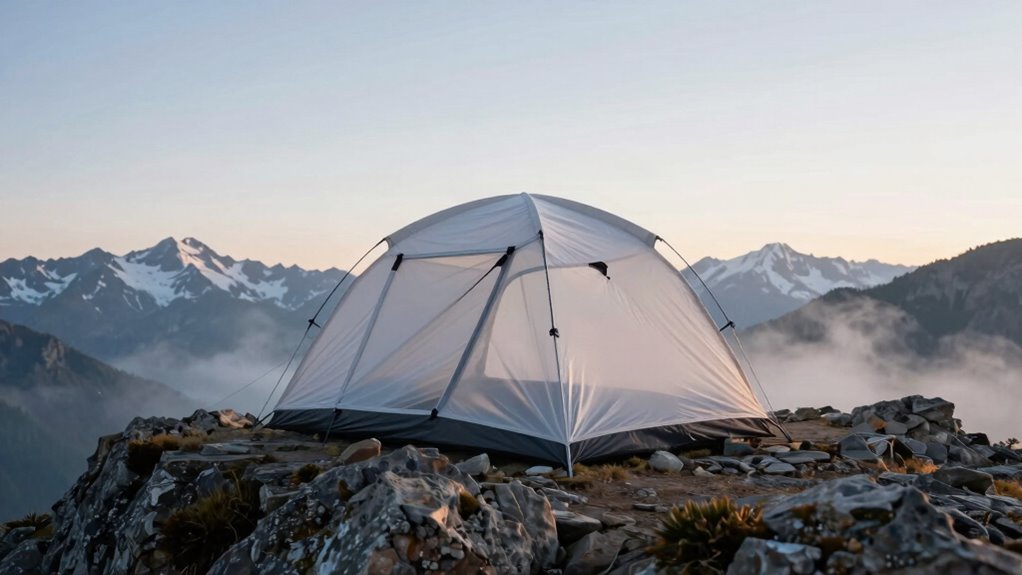

When choosing an ultralight tent, you should expect some comfort trade-offs. They often have less interior space, lower headroom, and narrower footprints, which can make sleeping and storing gear less comfortable. Ventilation might be limited, leading to condensation issues in humid conditions. These tents focus on lightweight design, meaning durability and weather resistance are sacrificed, especially in rough or wet conditions. If you keep exploring, you’ll discover more about how these compromises impact your outdoor experience.

Get travel and outdoor gear delivered free with Prime
- Fast, free delivery on millions of items
- Prime Video, Amazon Music and more included
- Member-only deals all year
Key Takeaways
- Reduced interior space limits sleeping comfort and gear storage options.
- Minimal ventilation can lead to condensation and less airflow inside the tent.
- Lightweight fabrics may offer less UV and weather protection, increasing exposure risks.
- Structural compromises may decrease stability in windy or stormy conditions.
- Fewer seams and layers can result in leaks or drafts during adverse weather.
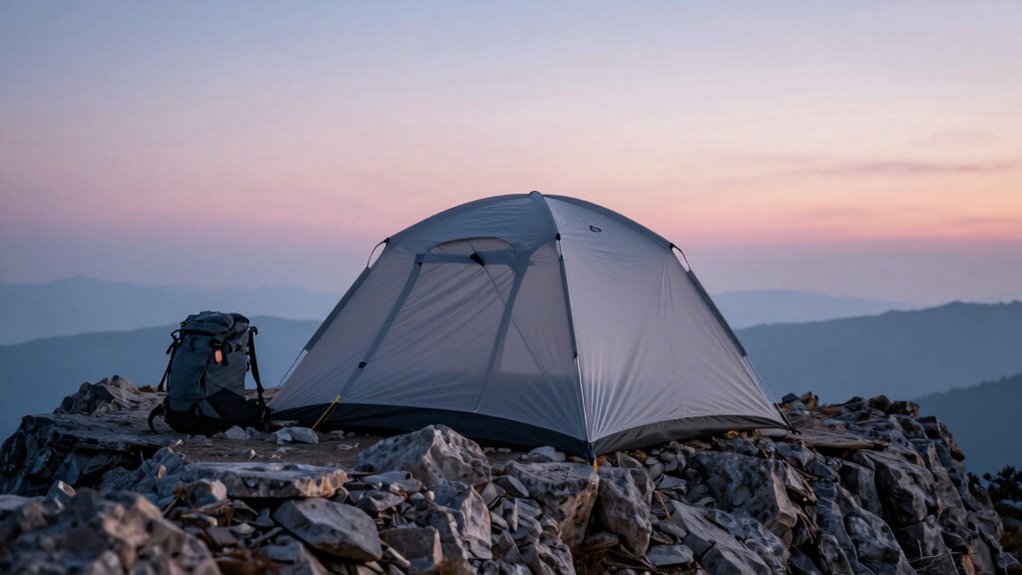
Are you looking to minimize the weight of your camping gear without sacrificing durability or comfort? Ultralight tents are designed for exactly that purpose, helping you shave off unnecessary ounces so you can move faster and explore farther. However, as you venture into this lightweight world, it’s important to understand where comfort trade-offs might occur. One of the key considerations is tent durability. Ultralight tents often use thinner fabrics and fewer poles, which reduces overall weight but can also make the tent less resistant to wear and tear. You might notice that these tents are more susceptible to rips or punctures, especially if you’re camping in rough terrain or handling them frequently. While some ultralight models incorporate durable materials, they generally can’t match the robustness of heavier, more traditional tents. Additionally, the lightweight fabrics may offer less UV protection, which can degrade over time with exposure to sunlight. Weather resistance is another factor where trade-offs can surface. Many ultralight tents are built with lighter fabrics that may not provide the same level of protection against rain, wind, or snow. If you’re planning to camp in unpredictable or severe weather, you might find yourself sacrificing some security in exchange for weight savings. These tents often rely on minimal fabric layers and fewer seams, which can sometimes lead to leaks or drafts if not properly sealed or maintained. Although some ultralight tents are treated with water-resistant coatings, they may not withstand prolonged exposure to heavy rain or snow as well as more robust models. It’s also worth noting that the design choices made to reduce weight can impact overall tent stability, especially in adverse weather conditions. The design compromises made to reduce weight can sometimes result in less structural integrity, making the tent more vulnerable in windy conditions. Comfort can also be affected by the design choices made to reduce weight. Ultralight tents tend to have less interior space, which can make sleeping or storing gear less comfortable. The reduced headroom and narrower footprints mean you might need to compromise on space, especially if you’re used to more spacious tents. Ventilation features might also be limited, leading to condensation buildup or stuffy nights in humid conditions. While the lightweight design is ideal for solo adventures or minimalist camping, it may not be the best fit if you prefer a more luxurious or family-friendly setup. It’s also worth considering that the overall impact on biodiversity may be lower with ultralight gear, as lighter tents often cause less disturbance to the environment and reduce trail impact. Ultimately, ultralight tents excel at minimizing pack weight and increasing mobility, but they come with clear trade-offs in tent durability, weather resistance, and comfort. Knowing these limitations allows you to choose the right model for your specific needs, whether that’s a quick summit push or a multi-day trek through unpredictable weather.
Products Worth Considering

Samsonite UpLIFT Lightweight Expandable Softside Carry-On Spinner Luggage, Jade Green

GoPro HERO Compact Waterproof 4K Action Camera

DJI Mini 5 Pro Drone Fly More Combo with RC 2 Controller
As an affiliate, we earn on qualifying purchases.
Frequently Asked Questions
How Durable Are Ultralight Tents in Harsh Weather?
Ultralight tents are generally less durable in harsh weather due to their lightweight design. Their lower tent weight often means using thinner, less robust materials that can be more vulnerable to wind, rain, or snow. While they’re easy to carry, you need to accept some trade-offs in material strength. For harsh conditions, consider models with stronger fabrics and reinforced seams, even if that adds a bit of weight.
Do Ultralight Tents Provide Enough Insulation in Cold Climates?
Ultralight tents generally don’t provide enough thermal insulation for cold climates on their own. You’ll need to add layers like sleeping pads, insulated sleeping bags, or interior liners to stay warm. The tent materials, often lightweight silnylon or nylon, focus on reducing weight rather than insulation. For cold weather, choose a tent specifically designed for winter conditions or supplement your ultralight tent with extra insulation gear.
Are Ultralight Tents Suitable for Long-Term Camping?
Like a feather floating on a breeze, ultralight tents are perfect for long-term camping if you prioritize weight considerations and portability benefits. They’re easy to pack and carry, making extended trips more manageable. However, their lighter materials may sacrifice durability and comfort over time. If you’re prepared for occasional trade-offs in space and robustness, ultralight tents can serve you well on long adventures, keeping you mobile and agile.
How Do Ultralight Tents Perform in Heavy Rain?
Ultralight tents perform well in heavy rain if they’ve undergone thorough waterproof testing and feature high-quality rainflies. You’ll want to check their seam sealing and waterproof ratings. Ventilation efficiency is essential, too, to prevent condensation buildup inside during storms. Look for tents with adjustable vents or mesh panels, which help maintain airflow and keep you dry and comfortable, even in prolonged heavy rain.
Can Ultralight Tents Accommodate Families or Groups?
Ultralight tents usually aren’t ideal for family camping or group accommodation because they tend to be small and designed for individual or couple use. If you’re planning a trip with family or friends, you might find these tents cramped and lacking the space needed for comfort. Consider larger, more durable models that prioritize space and stability, even if they add some weight, to guarantee everyone has a comfortable and safe stay.
Conclusion
So, savvy hikers should stay savvy by sacrificing some space for speed, comfort for convenience, and durability for delight. Remember, ultralight tents tempt with their tiny weight, but they trade a touch of toughness and tranquility. Choose cautiously, considering your campsite, climate, and comfort needs. With wise warnings and weighing the perks and pitfalls, you’ll wander well, worry less, and enjoy every expedition with an excellent, efficient ultralight tent guiding your gear.