
TL;DR

Get travel and outdoor gear delivered free with Prime
- Fast, free delivery on millions of items
- Prime Video, Amazon Music and more included
- Member-only deals all year
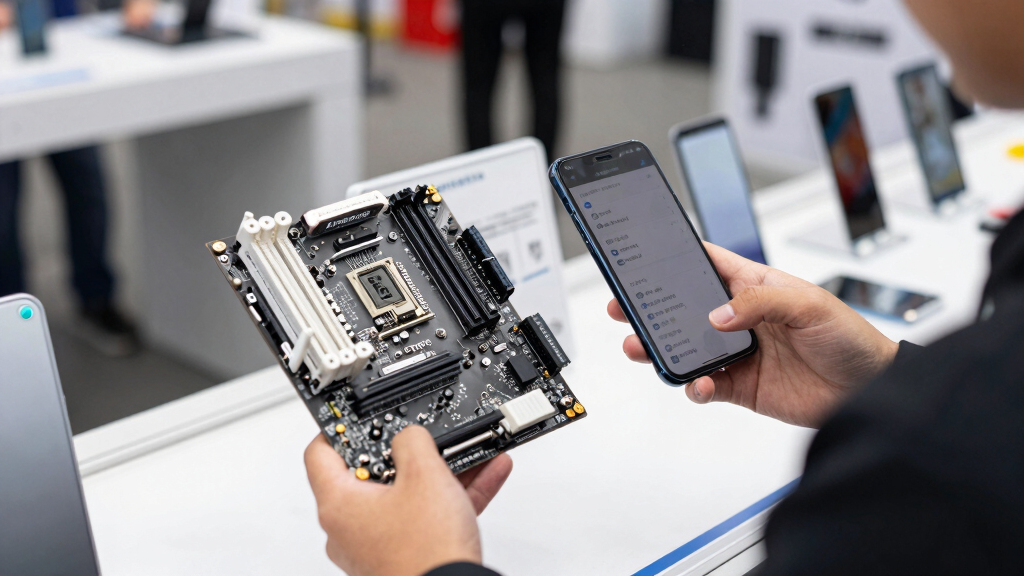
Thorsten Meyer AI’s late-June 2026 buyer guide says PC builders should buy the DDR5 capacity they need now instead of waiting for DDR6. The guide cites forecasts that meaningful memory-price relief may not arrive before 2028 and says DDR6 is expected to reach mainstream desktops in 2027 on new, costlier platforms.
Thorsten Meyer AI published a late-June 2026 memory buying guide advising PC builders to buy only the DDR5 they need now and not wait for DDR6. The guide cites market forecasts that meaningful memory-price relief may not arrive before 2028, making the recommendation relevant for buyers choosing parts for systems they may keep for years.
The report’s confirmed guidance is narrow rather than promotional: build on DDR5, match capacity to the workload, and avoid paying for memory that may sit unused. It identifies DDR5-6000 CL30 as the value target for mainstream AMD and Intel systems, with 32GB framed as comfortable for gaming and general desktop use and 64GB for creation or heavier multitasking.
The guide treats capacity discipline as the main buyer protection in the current market. It warns that buying 128GB to be safe can lock in high prices for unused capacity, while users running large local AI models may need a different calculation based on the models they actually run. For high-speed kits, it says CUDIMMs can help stabilize speeds above the sweet spot, and workstation buyers should check a board maker’s qualified-vendor list before filling every memory slot.
The DDR6 case is forecast-led. Citing TrendForce, TechPowerUp, OC3D, HWCooling and JEDEC for specs and timing, the guide says DDR6 servers arrive around 2026-27 and mainstream desktops in 2027, on new platforms at 2-3x DDR5 per gigabyte. Separately, market checks cited by the report indicate DDR4 per-gigabyte pricing is now roughly level with or above DDR5 as older production winds down.
DDR5 now, DDR6 soon
A buyer’s field guide. The 20-year instinct — wait for prices to drop, or wait for the next generation — is broken this cycle. Buy the DDR5 you actually need now; don’t wait for DDR6. Here’s the reasoning.
Driven to end-of-life, production slashed. Same money, dead-end socket. Leave a working DDR4 box alone — but never start a new build on DDR4 to “save.”
A framework, not a gamble. Buy the DDR5 you need now, at the sweet spot, in the capacity you’ll actually use — don’t buy DDR4, don’t wait for DDR6. The two costliest mistakes in this market are the ones that feel prudent: waiting for a price drop that isn’t coming, and waiting for a next-gen part that launches dearer than what’s on the shelf. Next: The SSD Squeeze.
The Price Of Waiting
For buyers, the report reframes waiting as a cost, not automatically a saving. If cited forecasts hold, delaying a build for cheaper memory may mean paying more next quarter, while waiting for DDR6 may mean skipping two years of CPU and GPU gains for a part that could launch at a 2-3x per-gigabyte premium.
The guidance also affects budget allocation. Spending on unused 128GB kits can crowd out better graphics, storage or CPU choices, while starting a new DDR4 build can leave buyers on a dead-end socket. The report’s practical message is that the lower-risk move is right-sized DDR5, not maximum capacity.
As an affiliate, we earn on qualifying purchases.
How DDR5 Became The Default
The article is Part 3 of The Memory Squeeze, a Thorsten Meyer AI series that previously addressed why memory prices rose. This installment shifts from market causes to checkout decisions: what to buy, what to skip, and when a buyer might wait. Its answer breaks with the usual PC-upgrade habit of delaying purchases until prices fall or the next standard arrives.
The technical backdrop is that DDR5 is already the current mainstream memory standard, while DDR4 is moving deeper into end-of-life supply. The guide says DDR6 changes the design with four 24-bit subchannels and projected speeds from 8,800 to 17,600 MT/s, but it also points to new form factors and platforms rather than drop-in compatibility with current desktop systems.
“Buy the DDR5 you actually need now; don’t wait for DDR6.”
— Thorsten Meyer AI buyer guide
As an affiliate, we earn on qualifying purchases.
DDR6 Details Depend On Shipping
Several points remain forecast-based. It is not yet clear whether desktop DDR6 launches will meet the cited 2027 window, how quickly motherboards will support it, or whether early retail pricing will match the guide’s 2-3x DDR5 premium. Memory prices could also change if AI server demand, production allocation or consumer demand shifts faster than suppliers currently expect.
As an affiliate, we earn on qualifying purchases.
Server DDR6 Sets The Clock
The next market check is the arrival of server DDR6 platforms in the 2026-27 period cited by the guide, followed by first mainstream desktop platforms expected in 2027. Until shipping systems and prices are known, the report advises buyers to compare DDR5 kits, verify motherboard support lists and choose capacity around workloads already in use.
The series is set to continue with SSD pricing, applying the shortage lens to storage. For memory buyers, the near-term path is narrower: build on DDR5, avoid starting a new DDR4 system, and treat DDR6 as an early-adopter option until real hardware reaches stores.
As an affiliate, we earn on qualifying purchases.
Key Questions
Should I wait for DDR6 before building a PC?
For most mainstream buyers, the guide says no. It expects desktop DDR6 in 2027 on new platforms, likely with launch pricing above today’s DDR5. That makes waiting a bet on future hardware and prices, not a clear saving.
What DDR5 speed and capacity does the guide recommend?
The guide points to DDR5-6000 CL30 as the mainstream sweet spot. It frames 32GB as comfortable for gaming and general desktop use, 64GB for creation and heavier multitasking, and larger kits only for workloads that already need them.
Is DDR4 still a good budget choice?
For a new build, the report says no. It says DDR4 pricing has lost its usual discount as production winds down, leaving buyers with a dead-end platform while DDR5 systems remain the current path.
Who might wait for DDR6?
The guide names AI and machine-learning professionals, scientific-compute users with bandwidth-bound workloads, and buyers planning five-year-plus workstation builds. Even then, it says those buyers should budget for early prices and platform issues.
Are lower memory prices ruled out?
No. The report relies on forecasts, and forecasts can change. The current claim is narrower: cited sources do not expect meaningful relief before 2028, while near-term DDR5 pricing may remain under pressure.
Source: Thorsten Meyer AI
Halloween Picks
halloween
As an affiliate, we earn on qualifying purchases.