

To organize your travel photos on the go, start by using mobile apps that automatically back up and sort your images with folders and tags by location or date. Establish a daily routine to transfer, label, and delete unwanted shots, freeing space and keeping things streamlined. Sync your photos across devices and guarantee regular backups to secure your memories. Keep your setup simple, and you’ll discover more tips for effortless travel photo management as you continue.

Get travel and outdoor gear delivered free with Prime
- Fast, free delivery on millions of items
- Prime Video, Amazon Music and more included
- Member-only deals all year
Key Takeaways
- Use mobile photo management apps to categorize, tag, and organize images instantly during your trip.
- Regularly delete blurry, duplicate, or low-quality photos to keep your camera roll clutter-free.
- Establish daily routines for transferring, labeling, and backing up photos to maintain organization.
- Set up automatic cloud backups with services like Google Photos or iCloud for seamless, secure storage.
- Apply consistent naming conventions and metadata tagging for easy search and long-term organization.
Why Organizing Your Travel Photos Makes Memories Easier to Relive

When your travel photos are well-organized, reliving your adventures becomes much simpler. Effective photo organization helps you categorize images by location, date, or event, making it easier to find specific moments. This structure enhances memory preservation because you can quickly access the photos that hold special meaning. Without organization, you might spend hours searching through cluttered albums or unlabelled files, risking forgetfulness or losing precious details. By maintaining a clear system, you ensure your travel stories stay vivid and accessible. Organized photos also reduce stress after your trip, allowing you to enjoy sharing stories with friends and family without frustration. Additionally, digital content formats can improve how your photos are stored and viewed across devices. Proper file management techniques can help prevent data loss and ensure your photos remain safe over time. Ultimately, good photo organization transforms scattered images into a meaningful, easily retrievable archive of your travel memories.
Choose the Best Cloud Storage for Travel Photos on the Go

Choosing the right cloud storage for your travel photos guarantees your memories stay safe and accessible wherever your adventures take you. When selecting a camera cloud, consider your storage options based on ease of use, cost, and compatibility with your devices. Look for services that offer:
- Automatic photo backups
- Cross-platform access
- Generous free storage tiers
- Seamless app integration
- Reliable security features
Popular options like Google Photos, iCloud, Dropbox, OneDrive, and Amazon Photos provide flexible solutions for on-the-go storage. Prioritize providers that sync effortlessly with your device and offer quick upload speeds, so you won’t miss capturing or saving those special moments. The right choice ensures your travel photos are protected without complicating your journey. Additionally, understanding color accuracy can help you select the best platform that preserves the true colors of your images during storage, especially when combined with privacy policies to safeguard your data.
Set Up Automatic Backup to Save Space and Time

Setting up automatic backups guarantees your travel photos are always safe without extra effort. By integrating cloud storage and using automatic sync features, your images stay current and organized. This approach also helps maintain a calmer workspace by reducing clutter and managing digital files efficiently. Implementing digital organization strategies can further streamline your workflow, ensuring that your digital life remains stress-free. For example, utilizing cloud backup services ensures your photos are protected even if your device is lost or damaged. Additionally, adopting automatic photo synchronization minimizes manual effort and keeps your collection up-to-date seamlessly. Using Indonesian decor masks as part of your home aesthetic can inspire a creative ambiance that complements your organized space. This way, you save space on devices and time managing backups manually.
Cloud Storage Integration
Have you ever wished your travel photos could automatically back up without you having to think about it? Cloud storage integration makes this possible, saving you space and time. By linking your device to a cloud service, your photos upload automatically whenever you’re connected. This seamless process guarantees you don’t lose precious memories. When setting this up, consider these points:
- Choose a reliable cloud provider with ample storage
- Enable automatic backup features in your app
- Adjust privacy settings to control who sees your photos
- Use photo sharing options for easy access
- Regularly review your backup to ensure all photos are saved
- Understand how time management plays a role in maintaining your organized photo library
With proper setup, your photos stay secure, organized, and ready for sharing, all while respecting your privacy.
Automatic Sync Features
Automatic sync features streamline the process of backing up your travel photos by guaranteeing they upload automatically as soon as your device connects to Wi-Fi or a power source. This saves you time and effort, letting you focus on enjoying your trip instead of managing storage. With automatic backup enabled, your photos are safely stored in the cloud, making photo sharing quick and easy with friends and family. Plus, many services offer offline access to your images, so you can view them anytime, even without an internet connection. This feature helps prevent data loss if your device gets lost or damaged and keeps your camera roll organized without manual uploads. Setting up automatic sync ensures your travel memories are protected and accessible whenever you need them. According to StyleGuru.org, utilizing cloud storage options can enhance your photo management experience further by providing additional safety and organization benefits. Incorporating automatic backup features also helps save storage space on your device by offloading images to the cloud promptly. Additionally, enabling sync frequency settings allows you to customize how often your photos are backed up, ensuring your collection stays up-to-date without overusing data. Implementing device connection triggers can further automate the process, making your photo management effortless and efficient. Moreover, enabling automatic sync can reduce the risk of forgetting manual uploads, ensuring all your photos are consistently backed up without additional effort.
Organize Your Photos With Folders and Tags for Quick Access
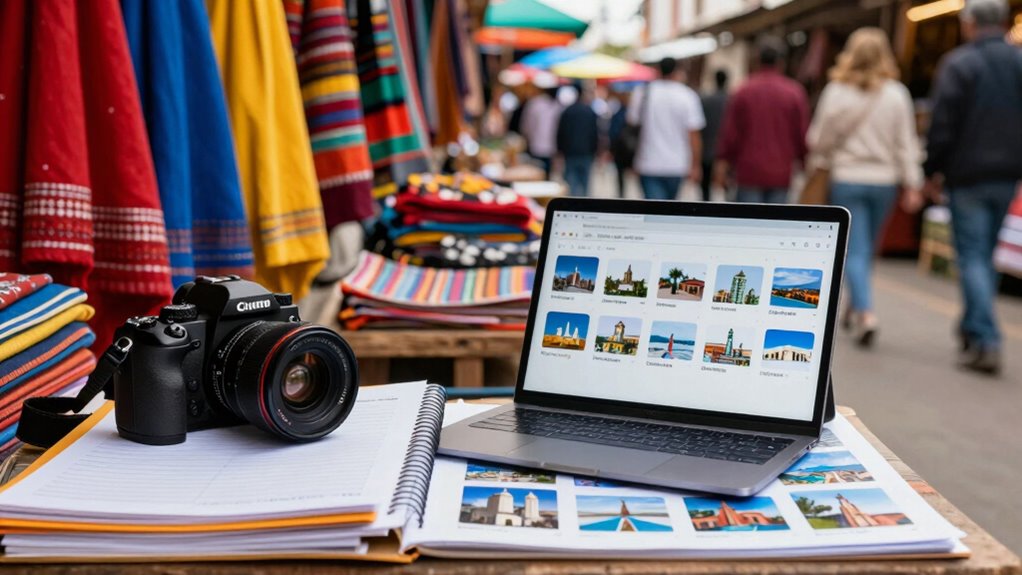
To find your travel photos quickly, organizing them with folders and tags is essential. Using a clear folder hierarchy helps keep related images together, making navigation effortless. Photo tagging adds another layer of organization, allowing you to label photos by location, activity, or date for instant retrieval. Consider these tips:
- Create folders for each trip or destination
- Use subfolders for days or specific locations
- Apply tags like “beach,” “mountains,” or “city” for quick filtering
- Keep a consistent naming convention for easy searchability
- Regularly review and update tags and folder structure
- Implement photo metadata management tools to enhance your organization and streamline searches. Incorporating digital asset management systems can further optimize your photo organization workflow. Additionally, utilizing automated tagging features can save time by automatically applying relevant tags based on image content. Leveraging cloud storage solutions can also improve access and backup reliability.
This method streamlines your photo management, saving time and reducing frustration when looking for specific shots later. Properly utilizing folder hierarchy and photo tagging makes your travel memories more accessible and organized.
Use Mobile Apps to Manage and Sort Photos During Your Trip
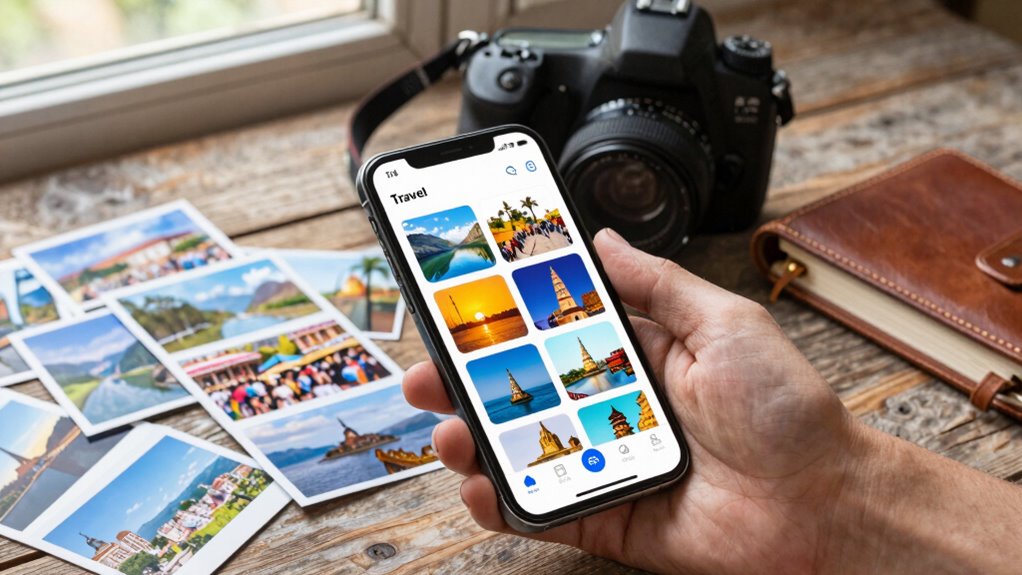
Using mobile apps during your trip makes managing photos simple and efficient. They sync photos instantly, so you won’t lose any shots, and organizing albums becomes a breeze. Plus, you can free up space on your device, ensuring you stay ready to capture more memories. Additionally, employing organized storage methods can help keep your photos safe and accessible throughout your travels. Incorporating performance parts like high-quality storage solutions can further enhance your photo management experience, preventing data loss and maintaining quick access. Regularly cleaning your makeup brushes can also keep your device screens free of smudges, ensuring clear viewing of your photos.
Syncs Photos Instantly
When you’re on the go, managing your travel photos becomes effortless with mobile apps that sync pictures instantly. This feature keeps your photos updated across devices, making photo sharing quick and seamless. You can access your images anywhere, even offline, by downloading them beforehand. Instant sync guarantees your camera roll stays organized without manual uploads. Keep in mind:
- Photos automatically upload as soon as taken
- Sync across multiple devices in real-time
- Save storage space with cloud backups
- Access photos offline after sync
- Simplify sharing with friends and family
Using these apps, you avoid losing precious moments and streamline your travel experience. Instant photo sync keeps your memories organized, accessible, and ready to share, all while on the move.
Organize Albums Easily
Managing your travel photos becomes much easier with mobile apps that allow you to organize and sort albums on the go. These apps enable you to quickly categorize your photos, making it simple to find specific shots later. Use photo tagging features to add keywords or labels to each picture, which helps in grouping similar images together. Album categorization allows you to create themed collections, such as landmarks, food, or adventures, keeping your camera roll tidy. As you capture new moments, effortlessly add them to the right albums or tags. This organized approach saves time and reduces the hassle of scrolling through countless photos after your trip. With these tools, you’ll maintain a neat, easily navigable photo library during your travels.
Free Up Device Space
As you organize your travel photos with mobile apps, keeping your device’s storage clear becomes a priority. To free up space, use apps that help manage and sort your photos efficiently. These apps often include features like photo editing to enhance images before deleting duplicates. They also assist with device optimization, ensuring your phone runs smoothly. Consider these tips:
- Delete blurry or low-quality photos
- Use app features to identify and remove duplicates
- Export favorite shots to cloud storage
- Compress large images to save space
- Regularly review and organize your albums
- Incorporate passive voice detection tools to improve overall writing clarity and quality.
Delete Unwanted Shots to Keep Your Camera Roll Tidy
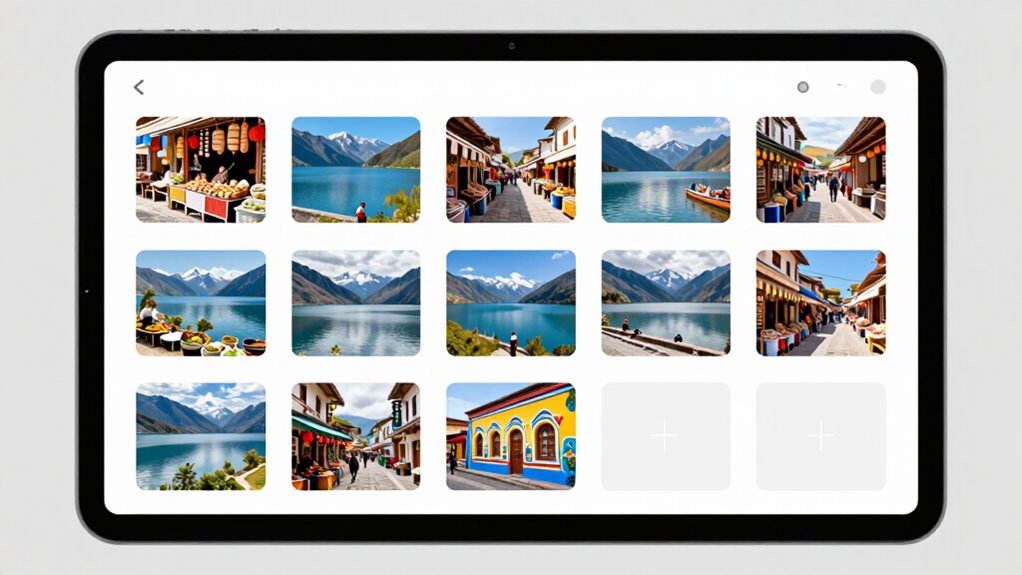
Keeping your camera roll organized starts with deleting unwanted shots promptly. Regular photo deletion prevents clutter from piling up and makes it easier to find your best shots. During your trip, practice shot curation by quickly reviewing photos and removing duplicates or blurry images. This habit saves storage space and keeps your collection relevant. Don’t wait until your device is full; delete unnecessary photos as you go. Use quick gestures or batch delete options to streamline the process. Focusing on shot curation helps you preserve only the memorable moments, making your camera roll more manageable. Additionally, understanding storage management strategies can help you optimize your device’s capacity. Selecting an appropriate battery inverter generator can also ensure your devices stay powered during long trips, preventing interruptions to your photo sessions. By staying disciplined with photo deletion, you’ll enjoy a tidy, efficient photo library that’s ready for sharing or backing up whenever you want.
Sync Your Photos Across Devices for Seamless Access
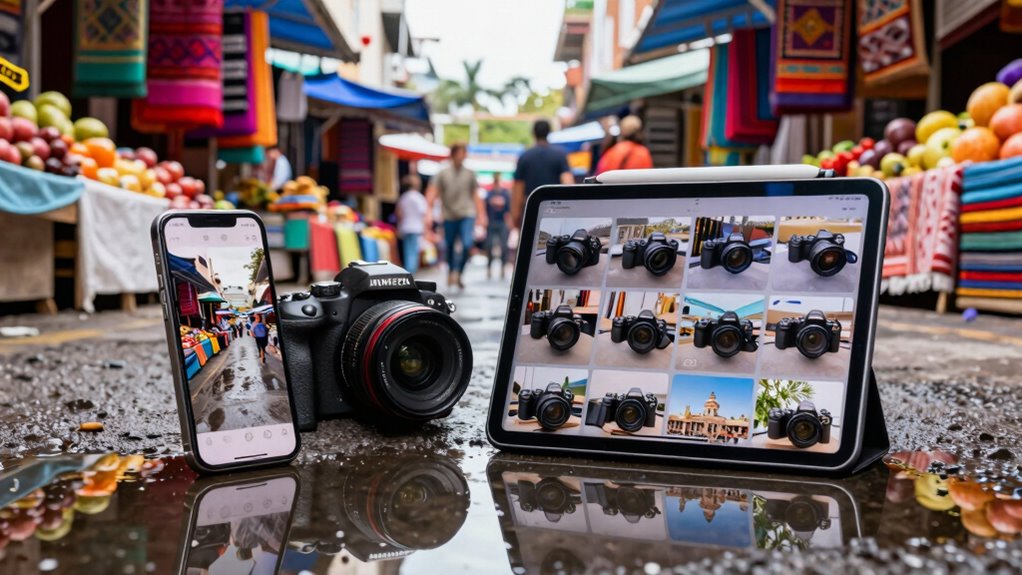
Syncing your photos across devices guarantees you can access your travel memories anytime, anywhere. It makes photo sharing simple and guarantees your images are safe, regardless of device. To achieve seamless access, choose a platform that offers strong device compatibility, so you can sync with phones, tablets, and computers effortlessly.
Keep these tips in mind:
- Use cloud services like Google Photos or iCloud for automatic sync
- Guarantee your devices support the chosen platform
- Enable auto-upload features for real-time backup
- Organize albums for easy navigation across devices
- Share albums directly via links for quick photo sharing
This setup keeps your travel photos unified, accessible, and ready to enjoy or share at a moment’s notice.
Add Location and Date Metadata to Enhance Sorting

Adding location and date metadata to your travel photos helps you organize and find images more efficiently. Metadata tagging allows you to embed details like where and when each photo was taken, making searches faster later. Geotagging automatically attaches GPS coordinates, giving you precise location info without manual input. By accurately tagging photos with date and place, you can sort albums by trip segments, landmarks, or timeframes. This process improves your overall organization system and saves time when revisiting memories. Many camera apps and photo management tools support metadata tagging and geotagging, so take advantage of these features while traveling. Clear, consistent metadata makes your travel photos easier to locate, enhancing your overall storage and organization experience on the go.
Establish a Daily Routine to Organize Photos While Traveling
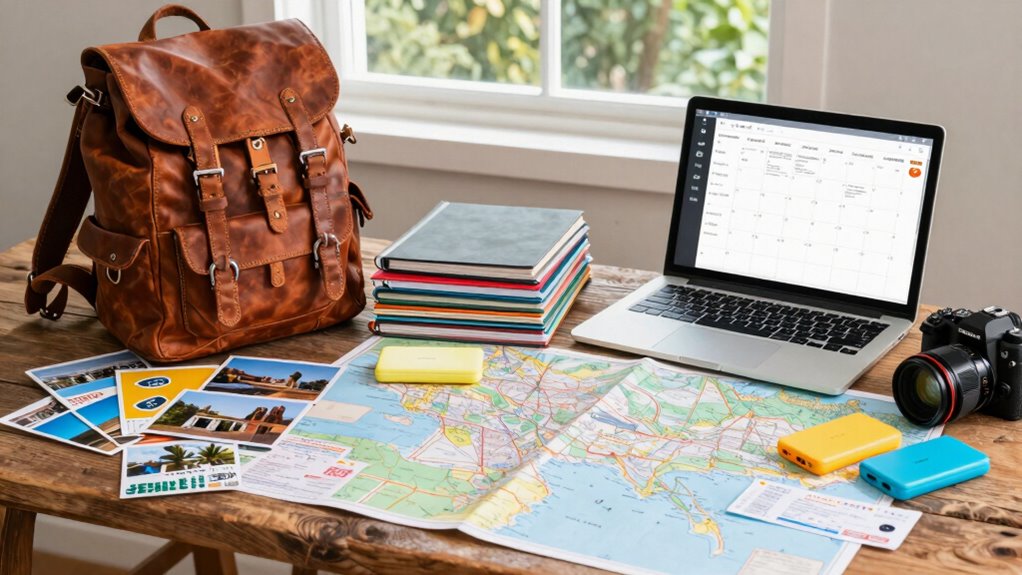
Creating a daily routine helps keep your travel photos organized and manageable. Set specific times to transfer and label your photos, and stick to a consistent system for naming files. Don’t forget to back up your images daily to prevent losing them if something goes wrong.
Set Specific Photo Times
Establishing a specific time each day to organize your travel photos helps prevent backlog and keeps your collection manageable. By setting aside moments for scheduled photo capture, you ensure consistent photo timestamping, making it easier to sort later. Designate a daily window—like after lunch or before bed—to review and categorize your shots. During this time, you can delete duplicates, add notes, or move photos into relevant folders. To stay on track, consider these tips:
- Choose a consistent time each day
- Use a dedicated device or app
- Keep your camera or phone nearby
- Set reminders to remind you
- Limit the session to 10-15 minutes
This routine streamlines your process and reduces overwhelm, ensuring your travel memories stay organized from start to finish.
Use Consistent Labeling System
To keep your travel photos organized, adopting a consistent labeling system is essential. Use clear photo labeling and follow simple naming conventions for each day’s shots. For example, start with the date, then specify the location or activity, like “2024-04-15_Paris_EiffelTower.” This consistency helps you quickly find images later. Stick to a routine—label photos immediately after shooting or at the end of each day. Avoid vague names like “IMG_1234” or “Vacation1.” Instead, develop a pattern that works for you, such as including the date, place, and event. Consistent naming conventions save time and prevent confusion, making it easier to organize and enjoy your travel memories long after your trip ends.
Backup Daily Photos Regularly
Since your travel photos are coming in daily, backing them up regularly guarantees you don’t risk losing precious memories. Establishing a routine for daily backups helps keep your photo organization on track and ensures memory preservation. To streamline this process, consider these tips:
- Use cloud storage apps for automatic backups
- Transfer photos to a laptop or external drive each evening
- Create daily folders with date stamps for easy sorting
- Confirm backups are complete before deleting original files
- Set reminders to maintain consistency throughout your trip
Consistent backups reduce stress and protect your photos from device failures or lost data. Making this a daily habit keeps your camera roll organized and preserves those special moments, so you can enjoy your trip without worry.
Protect Your Travel Photos From Loss or Theft

Travel photos are precious memories that deserve protection, especially when you’re on the move. To prevent photo theft, stay vigilant and avoid displaying valuable equipment in crowded areas. Use photo theft prevention strategies, like keeping your camera or phone secure and out of sight. Consider investing in a backup device option, such as a portable hard drive or a secure cloud service, to safeguard your images. Regularly transfer photos from your camera or phone to these backup devices so your images aren’t vulnerable if your device gets lost or stolen. Encrypt sensitive files and enable password protection where possible. By combining photo theft prevention measures with reliable backup options, you ensure your travel memories stay safe, no matter what happens during your journey.
Frequently Asked Questions
How Can I Prevent Duplicates When Organizing Travel Photos?
To prevent duplicates when organizing your travel photos, start with duplicate detection tools that automatically identify similar images. Use photo renaming to keep filenames consistent, making it easier to spot duplicates manually. Regularly review your collection and delete unnecessary copies. By combining duplicate detection with photo renaming, you streamline your organization, reduce clutter, and guarantee your travel memories are well-preserved without unnecessary repetitions.
What Are the Best File Formats for Long-Term Travel Photo Storage?
Think of your travel photos as treasures that need a sturdy chest. Use JPEG for quick sharing and compatibility, or TIFF if you want lossless quality for long-term storage. For ultimate longevity and minimal compression, consider PNG formats. These choices guarantee file format compatibility and storage media longevity, so your memories stay safe through years of adventure. Pick your format like selecting a reliable treasure chest—built to last.
How Do I Recover Accidentally Deleted Travel Photos?
If you accidentally delete travel photos, act quickly by using photo recovery tools like DiskDigger or Recuva, which can often retrieve deleted files. Also, check your cloud backup options such as Google Photos or iCloud, as they may have saved copies. Remember, the sooner you attempt recovery, the higher your chances of success, so avoid overwriting the deleted images on your device.
Can I Organize Photos Offline Without Internet Access?
Yes, you can organize photos offline using portable storage. Even without internet access, you can transfer your travel photos to an external drive or SD card, then categorize and delete duplicates directly on your device or storage. This method not only keeps your photos safe and organized but also saves space on your camera roll. Embrace offline organization for a smoother, more efficient travel experience, free from connectivity concerns.
What Security Measures Protect My Travel Photos From Unauthorized Access?
You can protect your travel photos by using strong access controls, like passwords or biometric locks, on your devices and apps. Enable photo encryption to secure your images from unauthorized access, ensuring only you can view them. Regularly update your security settings and avoid sharing access codes. These measures help safeguard your memories from theft or accidental exposure, giving you peace of mind while traveling.
Conclusion
By organizing your travel photos on the go, you turn fleeting moments into timeless memories. Think of your camera roll as a treasure chest—you’re the keeper of your adventures. With a little effort daily, you guarantee every smile, sunset, and story is preserved beautifully. Don’t let chaos steal those precious memories; instead, embrace the habit of organization. After all, your travel stories deserve to be remembered—and cherished—forever.
Halloween Picks
halloween
As an affiliate, we earn on qualifying purchases.