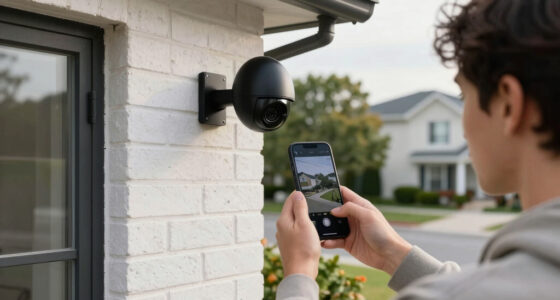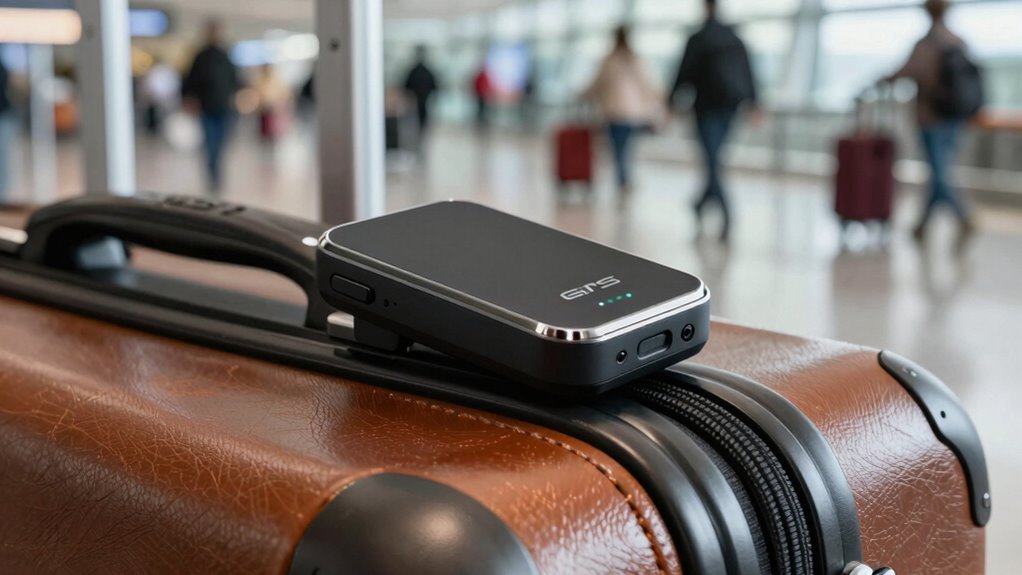

GPS luggage trackers can give you peace of mind by providing real-time updates and instant alerts if your luggage moves out of designated areas. They work well with smartphone apps and add a layer of security, but keep in mind they aren’t foolproof—they depend on signals that can be blocked or disrupted. Using them alongside good luggage security practices helps. If you want to learn more about balancing technology and travel safety, keep exploring.

Get travel and outdoor gear delivered free with Prime
- Fast, free delivery on millions of items
- Prime Video, Amazon Music and more included
- Member-only deals all year
Key Takeaways
- GPS luggage trackers provide real-time location updates but are affected by signal obstructions and require regular charging.
- They enhance security through notifications and geofencing but do not prevent theft or accidental loss.
- Connectivity with smartphones allows quick responses, yet signal disruptions can impact tracking accuracy.
- Combining GPS trackers with physical security measures offers a more comprehensive luggage security approach.
- Proper use maximizes benefits, but these devices should complement, not replace, good travel habits and security practices.
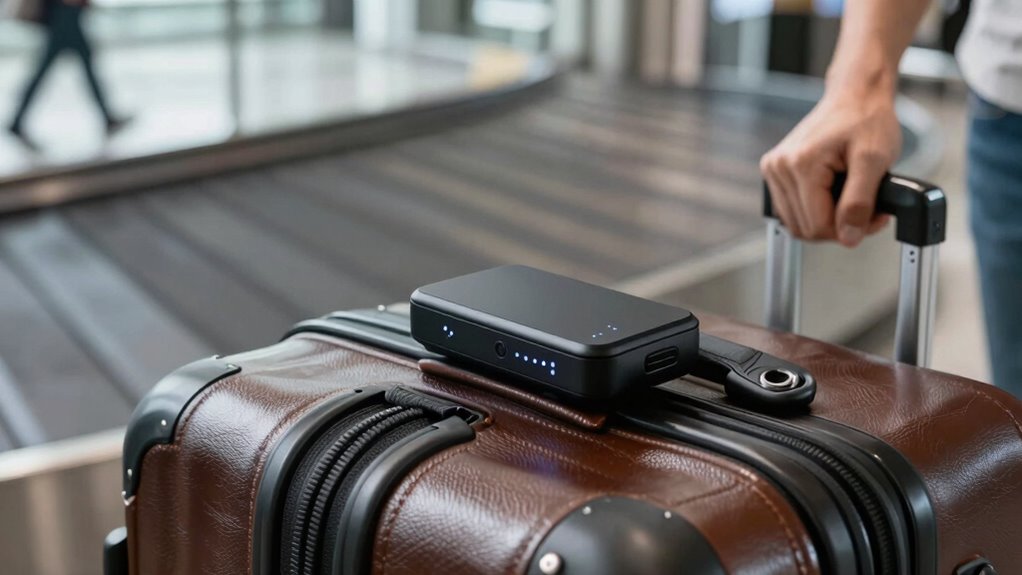
Losing your luggage can turn a simple trip into a stressful ordeal, but GPS luggage trackers offer a practical solution. They give you real-time updates on your bag’s location, easing travel anxiety and enhancing your overall experience. However, it’s important to understand that these devices are tools to assist you, not magic solutions that guarantee perfect luggage security. While they can help you track your bag if it goes astray, they don’t prevent theft or accidental loss on their own. Instead, they should be viewed as part of a broader approach to travel security.
GPS luggage trackers help ease travel stress by providing real-time location updates, but they are just one part of overall security.
One of the key benefits of GPS luggage trackers is their seamless tech integration. These devices are designed to sync with your smartphone via dedicated apps, allowing you to monitor your luggage’s whereabouts at any time. Many have features like geofencing, which alerts you when your bag leaves a designated area, or notifications if the tracker’s battery is running low. This level of connectivity makes it easier to stay informed and respond quickly if something seems off. The integration of GPS technology with your phone turns your luggage into a smart, connected object, giving you peace of mind without constantly worrying about its whereabouts. Additionally, understanding the limitations of GPS can help you set realistic expectations and avoid overreliance on the technology. Recognizing these limitations also encourages you to use GPS trackers as part of a comprehensive security strategy rather than a sole solution. Being aware of potential signal disruptions can help you plan accordingly and avoid unnecessary stress. Moreover, staying informed about cloud-based data management can enhance your ability to access tracking information securely from multiple devices.
That said, it’s crucial to remember that GPS trackers are not infallible. They rely on satellite signals, which can sometimes be obstructed indoors or in remote areas. Batteries also drain over time, so regular charging or replacement is necessary. Plus, not all luggage trackers are equally reliable or secure; some may be more vulnerable to hacking or interference. Using a GPS tracker should be part of a layered security strategy—combine it with strong luggage locks, clear labeling, and careful handling. This way, you’re not banking solely on technology but also employing practical measures to keep your belongings safe.
Ultimately, GPS luggage trackers serve as a reassuring tool that enhances your travel security. They offer immediate access to your luggage’s location, helping you stay connected and alert to potential issues. However, they don’t replace good travel habits or security practices. Think of them as an extra layer of protection, not an all-encompassing safeguard. When used correctly, they can reduce the stress of lost luggage and give you more confidence on the go. Still, managing your luggage with care, staying vigilant, and understanding the device’s limitations will always be essential for a smooth travel experience. Incorporating security awareness into your travel routine ensures you maximize the benefits of GPS trackers while minimizing risks.
GPS luggage tracker with smartphone app
As an affiliate, we earn on qualifying purchases.
As an affiliate, we earn on qualifying purchases.
Frequently Asked Questions
How Accurate Are GPS Luggage Trackers in Crowded Airports?
GPS luggage trackers are generally quite accurate in crowded airports, helping with baggage security and tracking precision. However, dense infrastructure and interference can sometimes cause minor delays or inaccuracies. You should still verify your baggage’s location periodically. Remember, these trackers are a helpful tool, but not infallible. They improve your peace of mind by offering real-time updates, though occasional disruptions are possible in busy environments.
Do GPS Trackers Work Internationally Without Additional Fees?
GPS trackers generally work internationally without extra fees, but you should check your device’s specifications and your travel insurance and baggage policies beforehand. Some trackers use cellular networks that might require international data plans, so verify if your provider covers those regions. Also, make certain your travel insurance offers protection for electronic devices. Being informed helps you avoid surprises and keeps your luggage trackable across borders.
Can GPS Trackers Be Easily Concealed From Theft?
You can hide a GPS tracker, but it’s not foolproof—thieves can be crafty. Hidden placement is key, yet concealment challenges remain, especially if they’re determined or skilled. You might think you’ve outsmarted them, but a savvy thief could find it. To improve your chances, choose discreet spots, like inside seams or beneath straps. Still, remember, no method guarantees complete invisibility, so stay vigilant and combine with other security measures.
What Is the Battery Life of Most GPS Luggage Trackers?
Most GPS luggage trackers offer a battery longevity of about 1 to 2 weeks, depending on their power consumption and usage frequency. If you frequently check the tracker or use real-time updates, expect shorter battery life. To maximize the tracker’s effectiveness, choose models with efficient power consumption and consider rechargeable batteries or replaceable ones. Keep in mind, heavy use drains the battery faster, so plan accordingly for your travel needs.
Are GPS Trackers Waterproof and Dustproof?
Like a knight shielding a precious relic, you’ll find many GPS trackers boast weather resistance, making them waterproof and dustproof. They’re built with durability features to withstand rain, dust, and rough handling, so your luggage stays protected in various environments. However, not all models offer the same level of resistance. Always check the specifications to guarantee your tracker can handle the adventures ahead, like a trusty sidekick ready for action.
As an affiliate, we earn on qualifying purchases.
Conclusion
Remember, GPS luggage trackers are like a reliable compass—helpful and reassuring, but not a magic wand that prevents all mishaps. They give you peace of mind by letting you monitor your bags, yet they can’t stop delays or theft entirely. Use them as a smart tool in your travel kit, not a guarantee of perfect baggage handling. With a tracker by your side, you’ll feel more confident, like a sailor with a steady lighthouse guiding your journey through uncertain waters.
luggage geofencing alert tracker
As an affiliate, we earn on qualifying purchases.
As an affiliate, we earn on qualifying purchases.
rechargeable GPS suitcase tracker
As an affiliate, we earn on qualifying purchases.
As an affiliate, we earn on qualifying purchases.
Halloween Picks
halloween
As an affiliate, we earn on qualifying purchases.