
TL;DR

Get travel and outdoor gear delivered free with Prime
- Fast, free delivery on millions of items
- Prime Video, Amazon Music and more included
- Member-only deals all year
Mawlynnong, a renowned eco-tourism village in India, has implemented a weekly ban on visitors every Sunday. The move aims to protect its environment and sustain local traditions. The ban is effective immediately, with officials citing ecological concerns.
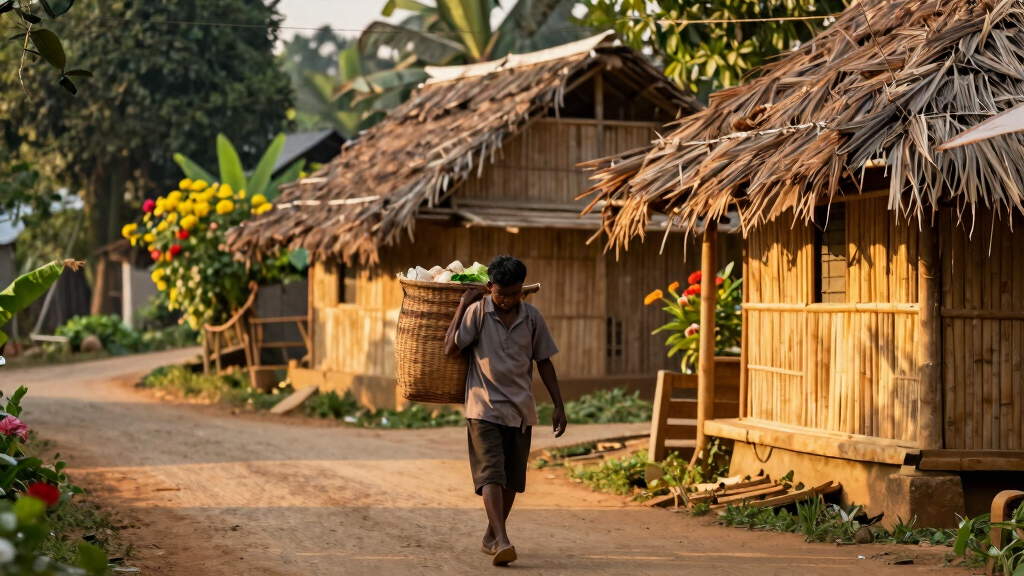
Mawlynnong, India, known as the ‘cleanest village in Asia,’ has introduced a ban on all visitors every Sunday. The decision, announced by local authorities, aims to protect the village’s fragile ecology and maintain its cultural integrity amid increasing tourism pressure. This marks a significant shift in the village’s tourism policy and has immediate implications for visitors and the local community.
The village council of Mawlynnong, in the northeastern Indian state of Meghalaya, confirmed that starting this week, no tourists or outsiders will be allowed to enter on Sundays. The ban is part of a broader effort to curb environmental degradation caused by high visitor footfall. According to local officials, the decision was made after consultations with environmental experts and community leaders who expressed concern over the impact of tourism on the village’s natural resources and traditional way of life.
Tourism in Mawlynnong has grown significantly over the past decade, with visitors attracted to its cleanliness, scenic beauty, and eco-friendly initiatives. However, this influx has led to increased waste, strain on local infrastructure, and threats to the village’s ecological balance. The village’s tourism committee stated that the Sunday ban is a temporary measure to allow the environment to recover and to reinforce sustainable tourism practices.
Local residents and business owners expressed mixed reactions. Some welcomed the move as necessary for environmental preservation, while others expressed concern over potential economic impacts. The ban is expected to be enforced through local patrols and community volunteers, with fines or restrictions for violations.
Environmental and Cultural Preservation Through Tourism Regulation
This development highlights the growing recognition of the need for sustainable tourism practices in popular destinations. By banning visitors on Sundays, Mawlynnong aims to reduce ecological pressure and protect its cultural identity. The move could serve as a model for other eco-sensitive areas facing similar challenges, emphasizing the importance of balancing tourism with environmental conservation.
As an affiliate, we earn on qualifying purchases.
Tourism Growth and Environmental Challenges in Mawlynnong
Mawlynnong gained international fame as the ‘cleanest village in Asia,’ drawing thousands of tourists annually. Its success as an eco-tourism hub has led to increased foot traffic, which has strained local resources and raised environmental concerns. Prior to the ban, the village implemented various cleanliness and waste management initiatives, but the rising number of visitors continued to pose sustainability challenges. The recent decision reflects a shift towards stricter regulation to ensure long-term preservation of the village’s ecological and cultural assets.
“This Sunday ban is necessary to give our environment a break and to ensure our traditions are not lost amidst growing tourism.”
— Local Village Council Chairperson, R. Sangma
As an affiliate, we earn on qualifying purchases.
Unclear Long-Term Impact and Enforcement Details
It is not yet clear how long the Sunday ban will remain in place or whether it will be expanded or made permanent. Details about enforcement mechanisms, penalties for violations, and how the community plans to monitor compliance are still emerging. Additionally, the economic impact on local businesses and the potential for visitor displacement remain uncertain as the policy is implemented.
portable water purifier for travelers
As an affiliate, we earn on qualifying purchases.
As an affiliate, we earn on qualifying purchases.
Monitoring and Potential Policy Adjustments in Mawlynnong
Authorities plan to evaluate the impact of the Sunday ban over the coming months, with potential adjustments based on environmental recovery and community feedback. They will also monitor enforcement effectiveness and economic effects. The village aims to promote sustainable tourism practices and may consider additional measures such as visitor caps or eco-certification programs to balance growth with preservation.
As an affiliate, we earn on qualifying purchases.
Key Questions
Why did Mawlynnong ban visitors on Sundays?
The ban was introduced to protect the village’s environment and preserve its cultural identity amid increasing tourism pressure.
Is the Sunday ban permanent?
It is currently a temporary measure, with evaluations planned to determine if it will be extended or made permanent.
How will enforcement work?
Local patrols and community volunteers will monitor compliance, with penalties for violations still being detailed.
Will this affect tourism revenue?
Potential economic impacts are uncertain; some local businesses worry about reduced visitors, while others see the benefit of sustainable practices.
Are other villages implementing similar policies?
While Mawlynnong’s specific Sunday ban is unique, other eco-sensitive destinations are exploring periodic restrictions to manage tourism impacts.
Source: hn
Halloween Picks
halloween
As an affiliate, we earn on qualifying purchases.