
TL;DR

Get travel and outdoor gear delivered free with Prime
- Fast, free delivery on millions of items
- Prime Video, Amazon Music and more included
- Member-only deals all year
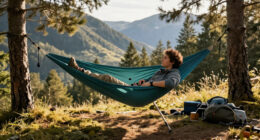
Portable camping hammocks are compact fabric beds that hang between two suitable anchors, often trees. They can keep you off damp, uneven ground, but compare the weight of the full sleep system—including straps, tarp, bug net, and insulation—and check campsite rules before you go. A low, stable hang, tree-friendly straps, and insulation beneath you make a safer, more comfortable night.
A hammock can turn a patch of sloping, root-laced ground into a bed that sways gently between two trees. But the hammock itself is only the start: a dry, warm night may also call for a tarp, bug net, suspension, and insulation underneath you.
This guide explains what portable camping hammocks do well, how to choose one, and how to set up a complete sleep system without damaging trees. You’ll also learn when a hammock can stand in for a tent—and when the terrain or campsite rules make a tent the better call. Think of the hammock as the bed; the rest of your kit is the little shelter around it.
Compare the weight of your complete hammock system with the complete tent setup.
Use healthy, sturdy trees and wide straps designed to protect bark; keep the hammock low and stable.
Plan for rain, insects, and cold beneath you with the tarp, bug net, and insulation your trip needs.
Check campsite rules before setting out, since some sites restrict hanging gear or require specific straps.
Try your hammock and sleeping position before relying on them for a remote overnight trip.
What a portable camping hammock does better than a ground bed
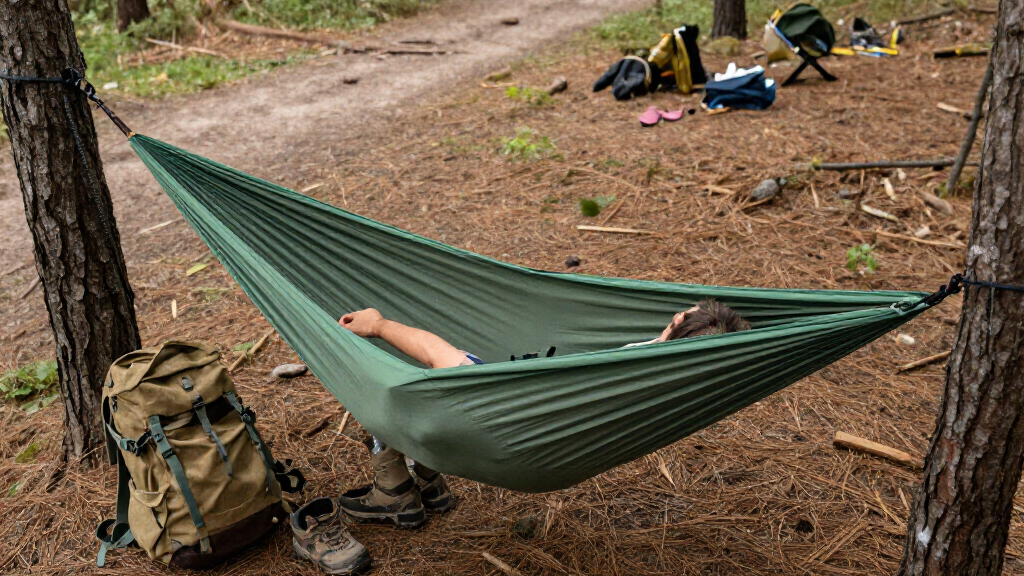
A portable camping hammock is a lightweight fabric bed that hangs between two secure anchor points, usually sturdy trees. It packs small and keeps you off uneven or damp ground, which can make a campsite with roots, rocks, or a slight slope much easier to use. For example, after a rainy afternoon, you can settle above wet leaves instead of trying to flatten a muddy tent footprint.
That simple design has limits. You need suitable anchors at a campsite where hanging gear is allowed, and a hammock alone offers little protection from rain, wind, insects, or cold air moving beneath you. At an exposed ridge with no trees, your clever compact bed becomes a bag of fabric with nowhere safe to hang.
People often describe portable camping hammocks as beds that hang, and that is a useful mental picture: the bed is suspended, while weather protection and warmth come from other parts of your setup. A tarp covers you overhead; a net may keep insects away; an underquilt or suitable pad helps insulate below. Each layer solves a different problem, like adding a roof, a screen door, and a warm floor to an airy little room.
That modular design suits a mild forest night, where you may need only a hammock and straps, as well as a bug-heavy summer trip that calls for a net. It also means the hammock is not automatically lighter than a tent. Compare the full systems before choosing.
Products Worth Considering

Amazon Kindle Paperwhite 16GB, 7-Inch Display, Graphite

DJI Osmo 360 Road Cycling First-Person Combo 360° Action Camera

Amazon Kindle Paperwhite 16GB (2024), 7-inch Display, Raspberry
As an affiliate, we earn on qualifying purchases.
Compare the full hammock setup before you count the grams
Portable camping hammocks are often small and light on their own, but their full sleep system can weigh more than the hammock suggests. Count the suspension, tarp, bug net, insulation, and stakes alongside the bed, then compare that total with a tent, fly, groundsheet, and sleeping setup. That is the fair comparison for a real trip.
| What you pack | What it helps with | When it matters |
|---|---|---|
| Hammock and wide straps | Suspended sleeping and a secure hang | Whenever suitable anchors are available |
| Tarp and stakes | Overhead rain and sun cover | When the forecast, shade, or exposure calls for it |
| Bug net | Protection from insects | In insect-heavy seasons and locations |
| Underquilt or suitable pad | Insulation beneath your body | When cool air could make you cold |
For a one-night summer camp near a familiar car, you might leave some accessories behind if the forecast and local conditions support that choice. On a long weekend, a tarp and insulation may be sensible even if the first evening feels warm. Product trends include integrated bug nets and adjustable suspension, but specifications vary; check what comes with the model.
Read the hammock’s capacity rating, then check whether the suspension is rated for the load too. A high limit printed on the fabric does not tell you that every strap or connector has the same rating. If you plan to share, confirm the model is designed for two people; extra capacity does not guarantee a comfortable or stable night.
Set up your hammock in five steps for a steadier, safer hang
Portable camping hammocks feel more secure when you choose healthy anchors, protect the bark, and keep the bed low. Follow these steps before you climb in:
- Check the site. Read campsite rules and scan for dead branches, sharp objects, unstable ground, and nearby water. If hammocks are prohibited, choose another sleeping option.
- Pick sturdy, healthy trees. Avoid dead or damaged trees and anything that shifts. Leave enough room for your hammock and tarp without bending or harming vegetation.
- Attach wide, tree-friendly straps. They spread pressure across more bark than thin cord. Never wrap bare thin line around a tree.
- Adjust the hang low and stable. A lower hammock reduces the distance you could fall. Test the suspension and sit carefully before lying down.
- Add the gear you need. Pitch the tarp, attach the bug net, and fit insulation before darkness or rain makes the work harder.
For example, at a busy campground, you might find two promising trees near a picnic table. Check for falling limbs and site rules first, then use wide straps and keep your hammock clear of the table and walking paths. A convenient spot is no bargain if people walk into your lines or overhead branches look brittle.
Tree care is part of responsible use, not an optional extra. Follow local guidance, pack out all waste, and leave the site as you found it. A hammock hung carelessly can damage vegetation just as other camp gear can leave a mark.
Stay warm and dry by building the right sleep system
Portable camping hammocks need protection from both overhead weather and cold air beneath you. A tarp can shelter you from rain, but its coverage depends on its size, pitch, and the conditions; a bug net helps where insects are a problem. To sleep warmly, insulate underneath as well as over yourself.
Cold air moves beneath a hammock, and the fabric can compress the insulation under your body. That is why a sleeping bag alone may leave your back cold even when the air seems mild. An underquilt hangs beneath the hammock, while a suitable sleeping pad can provide insulation inside it; the better fit depends on temperature, your gear, and your comfort.
Imagine setting up on a calm evening that drops sharply after midnight. Your sleeping bag feels cozy on top, yet a draft reaches your shoulder blades from below. An underquilt or correctly positioned pad addresses that gap, while a well-pitched tarp helps block rain and wind. Check the forecast before leaving, and choose gear for the likely overnight low, not just the warm afternoon.
Modular setups let you add or remove a tarp, net, or insulation as conditions change. That flexibility can save weight on a warm, dry trip, but only when the forecast and setting make leaving gear behind a reasonable choice. If rain or a cold night is plausible, carrying protection is more comfortable than discovering a hole in your setup after dark.
Choose the right hammock length and sleeping position
Portable camping hammocks can feel comfortable overnight when the length, hang, and sleeping position work for you. Many users lie slightly diagonally rather than straight down the centerline, which can create a flatter-feeling rest. Because comfort depends on your body and the hammock shape, a longer model may be worth trying if you want more room to settle in.
Give yourself a short practice session before a remote trip. Hang the hammock in a familiar place, test how it feels to sit and lie down, and adjust the suspension until you can get in and out without a struggle. If you sleep on your side, move around, or share a campsite with a partner who tosses and turns, your preferences may differ from a friend’s.
For instance, a camper who likes to curl up may sleep soundly in a setup that feels cramped to someone who stretches out. Try your usual sleep clothes and the insulation you plan to carry, since a pad can change how the hammock feels. A quick trial in the yard can catch fit issues before you reach a rainy forest campsite.
Check the manufacturer’s recommended setup and weight limit for your model. A hammock rated for two may still feel unstable or crowded when shared, and a higher capacity does not remove the need to inspect every part of the suspension. Choose a configuration that feels steady and leaves enough room for your sleep system.
Know when a hammock can replace a tent—and when it can’t
Portable camping hammocks can replace a tent on trips where you have suitable anchors and can bring enough rain, insect, and cold-weather protection. They are less practical above the treeline, in exposed places, or at campsites that ban hanging gear. Before you book or set out, check the site’s rules and the conditions along your route.
A wooded campsite with sturdy trees and a suitable forecast might give you a comfortable place to hang. The same setup will not work on an open alpine slope with no anchors, even if your hammock packs smaller than your tent. For a trip with both wooded and exposed nights, you may need a tent or another backup plan that works across the whole route.
Local rules can change from one park or campground to another. Some sites restrict hammocks or require broad straps to protect trees. Look up the official campsite guidance before you travel, and ask the site operator if the rule is unclear. A reservation page may also tell you whether designated hammock areas or restrictions apply.
Make your decision based on the actual route, not the image of a perfect hammock spot. If the site offers no safe anchors, or the weather calls for protection your setup cannot provide, use a shelter built for those conditions. A hammock is a useful option when the landscape supports it; it is not a universal replacement for a tent.
Frequently Asked Questions
Are camping hammocks comfortable for sleeping overnight?
Many people sleep comfortably in a hammock after learning a stable setup and trying a diagonal sleeping position. Comfort varies with the hammock, your body, and how you like to sleep, so test yours before a long trip.
Can a hammock replace a tent?
It can when your route has suitable anchors and your setup covers rain, insects, and cold. A hammock is a poor fit for exposed areas without anchors or campsites where hanging gear is prohibited.
Do I need a tarp or bug net?
A tarp helps when rain, strong sun, or wind exposure calls for overhead cover; a bug net helps in insect-heavy areas. Choose based on your location, season, and forecast, and check whether the coverage suits the expected conditions.
How do I stay warm in a hammock?
Insulate underneath your body as well as over it. A sleeping bag can lose warmth where it is compressed beneath you, so consider a suitable pad or underquilt for the expected temperature.
Can I hang a hammock anywhere?
No. You need suitable, sturdy anchors, and parks or campsites may restrict hammocks or require tree-friendly straps. Check official site rules before you go, and avoid dead trees, unstable anchors, and locations near hazards.
Is a hammock lighter than a tent?
It depends on the complete setup. Count the hammock, straps, tarp, net, insulation, and stakes, then compare that total with your tent, fly, groundsheet, and sleep gear.
Conclusion
Choose your hammock around the trip you actually have: suitable anchors, campsite rules, forecast, and the full weight of the gear you need. Test the setup at home, use wide straps, and bring insulation for the air beneath you.
Then, when the evening settles and your bed hangs steady between two trees, you can listen to the wind in the leaves without waking on wet, rocky ground.