TL;DR

Get travel and outdoor gear delivered free with Prime
- Fast, free delivery on millions of items
- Prime Video, Amazon Music and more included
- Member-only deals all year
Student-friendly camping gear should be lightweight, affordable, and durable. Recent innovations like multi-use gear and eco-friendly options make outdoor adventures easier and more sustainable for beginners.
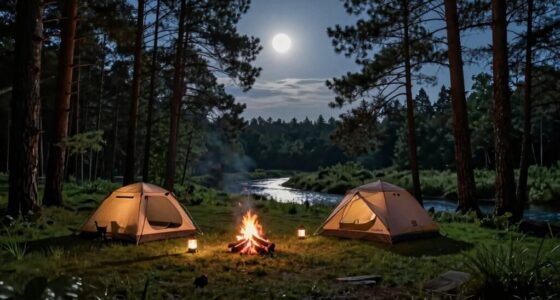
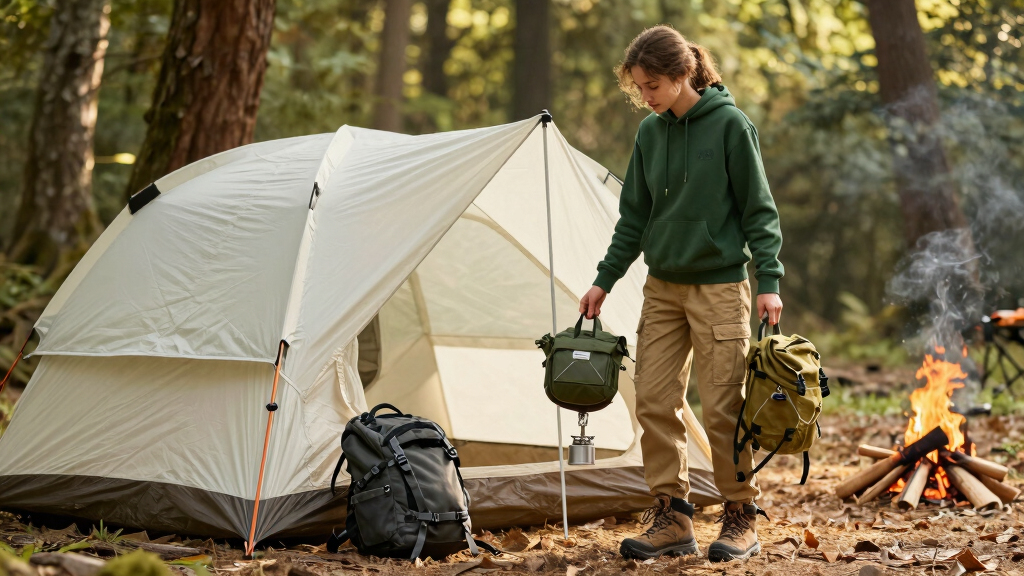
Imagine setting up camp after a long hike, the cool breeze rustling through trees, and the smell of fresh pine filling the air. That feeling of freedom, adventure, and connection to nature is what makes camping irresistible. But if you’re a student, you need gear that’s light, cheap, and easy to handle—no heavy backpacks or complicated setups.
This guide will show you exactly what to look for in outdoor camping gear tailored for students. From backpacks to tents, we’ll cover the essentials, recent innovations, and smart tips to keep your trips fun, safe, and budget-friendly.
Prioritize lightweight, compact gear to make carrying easier and trips more enjoyable.
Start with budget-friendly kits from trusted brands like Coleman or Quechua—perfect for beginners.
Choose multi-purpose gear—like tents that double as shelters—to save space and money.
Invest in eco-friendly options to reduce environmental impact and support sustainability.
Pack essential safety gear—water filters, first aid kits, and proper clothing—to stay safe and comfortable.
Why Lightweight Gear Matters More Than Ever for Students
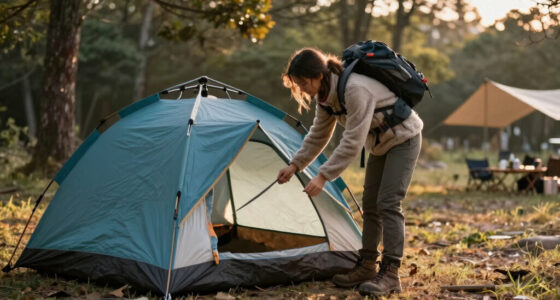
Carrying gear on foot, bike, or public transit means every ounce counts. Lightweight gear makes your trip smoother and less exhausting. For example, a 3-pound tent compared to a 6-pound one can save you so much effort, especially on longer treks.
Think about your typical college campus. You might pack your gear in a small backpack or duffel, then walk or bike to your campsite. Heavy gear turns what should be a quick adventure into a workout. So, look for tents around 3-4 pounds, sleeping bags that pack small, and compact cookware.
Choosing lightweight gear isn’t just about convenience; it directly impacts your safety and overall experience. Carrying heavy loads can lead to fatigue, which increases the risk of slips, falls, or injuries, especially on uneven terrain. Moreover, lighter gear means less strain on your body during hikes or setup, allowing you to enjoy more of your trip without feeling drained. However, there’s a tradeoff: lighter gear often comes at a higher cost or may have reduced durability. This means students must weigh the importance of weight savings against longevity and weather resistance, ensuring their gear can handle the conditions without overspending or sacrificing safety.
As an affiliate, we earn on qualifying purchases.
The Best Budget-Friendly Gear Sets for Students
On a student budget, you want gear that’s reliable but won’t break the bank. Brands like Coleman, Decathlon’s Quechua line, and AmazonBasics offer starter kits under $200. These kits often include a tent, sleeping bag, and a portable stove—perfect for beginners.
For example, a $99 Coleman 2-person tent weighs just 4.5 pounds and sets up in less than 10 minutes. Paired with a $30 sleeping bag rated for 30°F, you’re ready for most spring and fall trips without spending a fortune. Investing in these affordable options allows students to experience camping without a large upfront cost, but it’s important to understand their limitations. Cheaper gear may not perform as well in harsh weather or last as long, which can lead to frustration or the need for early replacements. Reading reviews and understanding the tradeoffs helps you select gear that balances cost and quality. Starting with basic gear also provides a foundation for upgrading later, once you’re more experienced and know which features matter most for your specific adventures.
Furthermore, budget gear often requires extra care and maintenance to extend its lifespan, and knowing its limitations helps prevent gear failure during critical moments, ensuring safety and comfort on your trips.
compact sleeping bag for backpacking
As an affiliate, we earn on qualifying purchases.
As an affiliate, we earn on qualifying purchases.
Compare Top 3 Lightweight Tents for Students in 2024
| Feature | REI Co-op Half Dome 2+ | Kelty Salida 2 | Quechua 2 Seconds Easy |
|---|---|---|---|
| Weight | 3.8 lbs | 3.5 lbs | 3.2 lbs |
| Setup | Freestanding, quick pitch | Instant pop-up | Pop-up, color-coded poles |
| Price | $250 | $180 | $80 |
| Weather Resistance | Good, rainfly included | Moderate, suitable for mild weather | Basic, best for dry conditions |
Choosing between these depends on your budget and typical weather conditions. For frequent rain, the REI model offers better waterproofing, which is essential for staying dry and comfortable during storms. The Kelty Salida provides a solid balance between weight and durability, making it versatile for different environments. The Quechua’s quick setup is highly convenient for beginners or short trips, but it’s less robust in harsh weather, which can compromise comfort and safety. Understanding these tradeoffs helps students invest wisely, ensuring their tent not only fits their budget but also suits their typical camping conditions. The right choice enhances safety, comfort, and overall enjoyment, making outdoor experiences more rewarding and less stressful.
As an affiliate, we earn on qualifying purchases.
Gear Every Student Should Pack for a Safe, Fun Night Out
Here’s a quick list of must-haves for overnight camping:
- Lightweight tent
- Warm sleeping bag (rated for the lowest expected temperature)
- Portable stove and utensils
- Headlamp or flashlight
- Water filter or purification tablets
- First aid kit
- Extra clothing layers
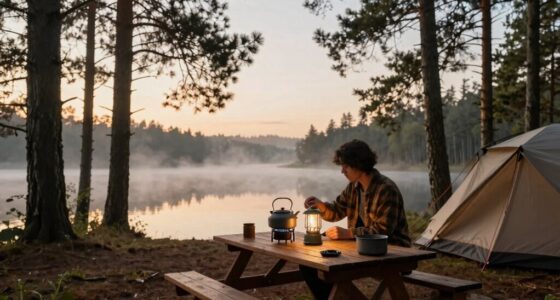
Imagine roasting marshmallows over your compact stove, the crackle of your headlamp illuminating the woods, and sipping hot cocoa from a lightweight mug. These small touches make camping memorable—and safe. Properly packing and selecting your gear ensures you’re prepared for unexpected weather changes, minor injuries, or simple discomforts. For students, understanding which items are essential versus optional can save space and weight, making your pack lighter and your trip more enjoyable. Prioritizing safety gear like water filters, first aid kits, and appropriate clothing is crucial, especially when venturing into remote areas or longer trips where help may not be immediately accessible. Well-chosen gear not only enhances comfort but also provides peace of mind, ensuring you’re ready to handle emergencies and enjoy your outdoor experience to the fullest.
As an affiliate, we earn on qualifying purchases.
Eco-Friendly Gear Options That Save the Planet & Your Wallet
Eco-conscious students love gear made from recycled or biodegradable materials. Recycled fabrics for tents and sleeping bags are durable and cut waste. Brands like BioLite and Patagonia now offer solar chargers and sustainable gear options.
For example, a solar-powered lantern can recharge during the day and light up your campsite at night without batteries. Plus, it’s a conversation starter about leaving less trace behind. Choosing eco-friendly gear not only benefits the environment but often results in higher-quality, longer-lasting products that withstand the rigors of outdoor use. These options promote a mindset of sustainability, encouraging campers to minimize waste, reduce reliance on disposable batteries, and respect nature. While eco-friendly gear may sometimes have a higher upfront cost, their durability and positive environmental impact often justify the investment, making your camping experience more sustainable and aligned with eco-conscious values. Over time, using environmentally responsible gear can also inspire others to follow suit, amplifying the positive impact of your choices.
Frequently Asked Questions
What is the most affordable camping gear for students?
Look for starter kits from brands like Coleman or Quechua, which offer complete setups—including tents, sleeping bags, and stoves—under $200. These kits are designed to give beginners everything they need without overspending.How do I pick the best tent for beginner camping trips?
Choose a lightweight, easy-to-set-up tent with a quick-pitch system. Look for models weighing under 4 pounds, with good waterproofing and ventilation. Brands like Quechua and Coleman offer reliable options at budget prices.What gear is essential for an overnight trip?
At minimum, pack a lightweight tent, a warm sleeping bag, a portable stove, water filtration, a headlamp, and some extra clothing. These essentials ensure comfort, safety, and fun during your overnight adventure.Are eco-friendly camping gear options worth it?
Yes. Eco-friendly gear made from recycled or biodegradable materials is often just as durable and functional. It helps reduce your carbon footprint and supports sustainability, making your trip greener.How can I pack efficiently with limited space?
Use multi-purpose gear, pack clothes in compression bags, and choose compact, lightweight items. Rolling clothes instead of folding can save space, and always plan your essentials to avoid overpacking.Conclusion
Picking the right gear doesn’t mean you need the fanciest or most expensive. Focus on lightweight, versatile, and reliable equipment that fits your budget. Your outdoor adventures become more fun when you’re prepared and comfy.
So, pack smart, choose eco-friendly options when possible, and get ready for some unforgettable moments under the open sky. Remember—adventure is just a backpack away.
Halloween Picks
halloween
As an affiliate, we earn on qualifying purchases.