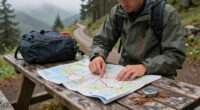
To handle changing temperatures without overpacking, focus on smart layering—use moisture-wicking base layers, insulating mid-layers, and waterproof shells for quick adjustments. Keep a small, organized kit of extra clothes close to your sleeping area for easy access. Check weather forecasts before heading out to anticipate cold or warm spells, helping you pack only what’s needed. Staying adaptable with versatile gear and organization allows you to stay comfortable, and there’s more to discover to make your trip even easier.

Get travel and outdoor gear delivered free with Prime
- Fast, free delivery on millions of items
- Prime Video, Amazon Music and more included
- Member-only deals all year
Key Takeaways
- Layer clothing to easily adjust to temperature changes without packing extra outfits.
- Check weather forecasts before departure to plan appropriate gear and avoid overpacking.
- Select versatile, multi-use gear that adapts to varying conditions for efficiency.
- Organize a small, accessible kit of extra layers for quick response to temperature drops.
- Focus on lightweight, eco-friendly gear that serves multiple functions to minimize pack weight.
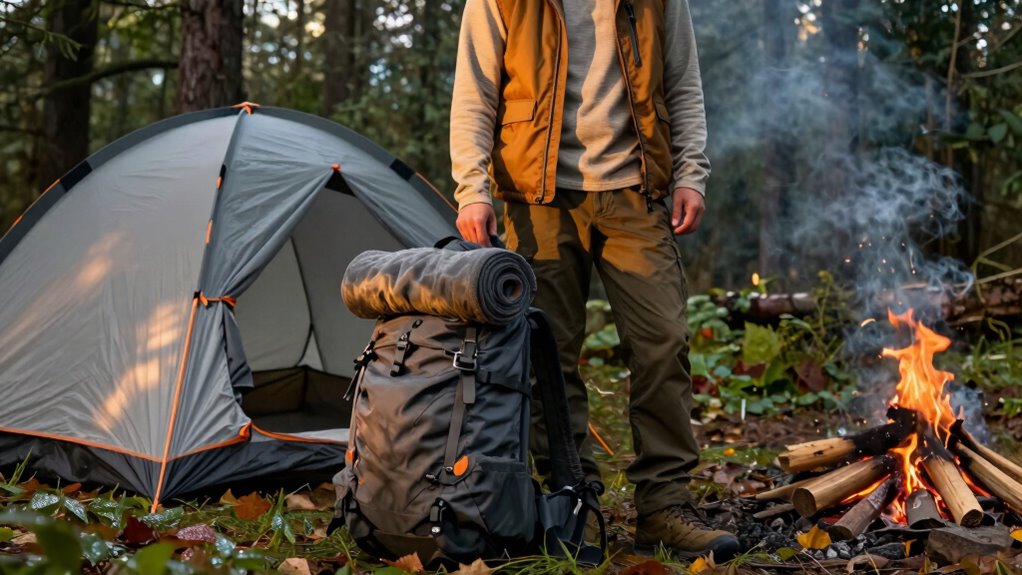
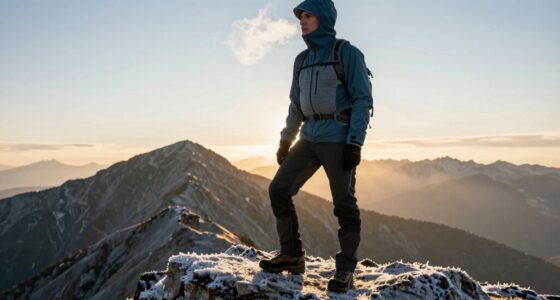
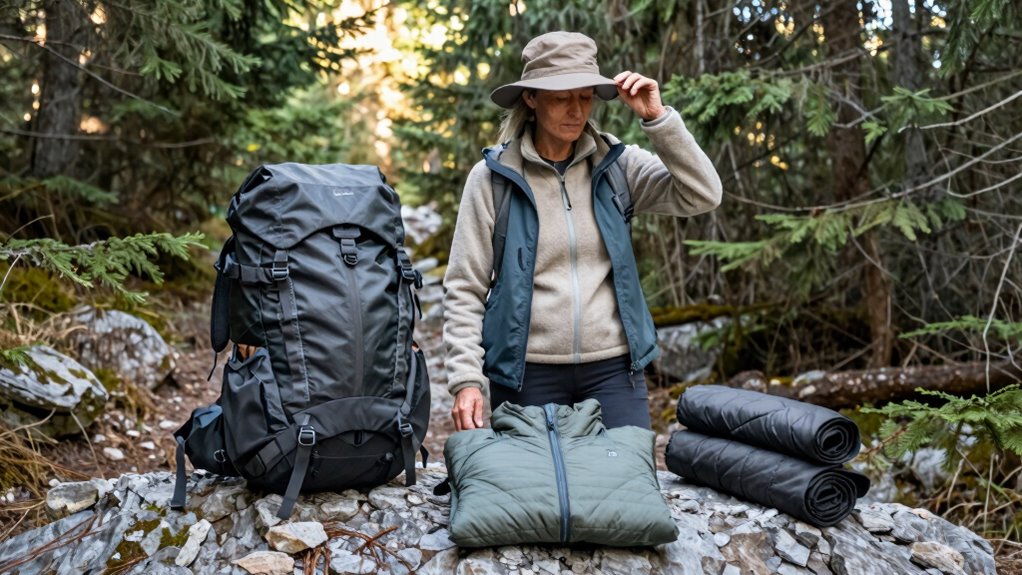
When camping, sudden temperature shifts can catch you off guard, but you don’t have to overpack to stay comfortable. The key is to prepare smartly by choosing versatile camping gear and paying attention to weather forecasting. Instead of hauling heavy bags filled with unnecessary clothing, focus on essentials that can adapt to changing conditions. Layering becomes your best friend here—think moisture-wicking base layers, insulating mid-layers, and waterproof outer shells. These allow you to adjust your clothing quickly based on the temperature, without carrying everything you might need for all possible scenarios.
To handle temperature fluctuations effectively, you should also familiarize yourself with weather forecasting before heading out. Reliable weather updates give you a heads-up about cold snaps, warm spells, or unexpected rain. With accurate forecasts, you can plan to bring specific gear for anticipated changes, like a lightweight down jacket for chilly mornings or a packable raincoat for sudden showers. Being aware of upcoming weather conditions helps you avoid overpacking by only carrying what’s necessary for the forecasted temperatures, rather than every piece of clothing you own. Incorporating biodiversity considerations into your packing choices can also help you minimize your environmental impact while enjoying nature’s changing climate. Additionally, selecting eco-friendly gear options ensures your camping practices are sustainable and responsible.
Check weather forecasts to pack smartly for temperature changes and avoid overpacking.
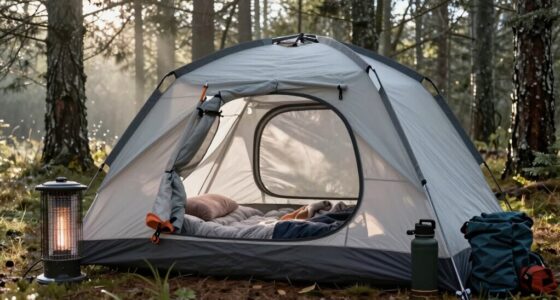
Choosing the right camping gear is also crucial. Look for multi-use items—a sleeping bag rated for slightly colder temperatures than you expect, or a tent with good ventilation and rain resistance. Compact, lightweight gear offers flexibility without sacrificing comfort. Instead of packing bulky items, select gear that can serve multiple purposes, such as a buff that keeps your neck warm or protects your face from the sun. Investing in good-quality, adaptable gear means you’ll stay comfortable as temperatures fluctuate without the need for excessive weight or bulk. Additionally, selecting eco-friendly gear options can contribute to the preservation of local ecosystems, ensuring that future campers can also enjoy the outdoors responsibly.
It’s also helpful to keep a small, organized kit of extra clothing and accessories. Stash it near your sleeping area or in your pack, so you can grab layers quickly if temperatures suddenly drop. Using packing cubes or small pouches can keep your gear organized and accessible, making it easier to respond to weather changes on the fly. Remember, the goal is to stay adaptable—not to carry everything. By planning ahead with weather forecasting and selecting versatile camping gear, you can handle temperature swings smoothly and comfortably, all while keeping your pack light and manageable. Being aware of climate variability can further improve your preparedness and overall camping experience.
moisture-wicking base layer shirts
As an affiliate, we earn on qualifying purchases.
As an affiliate, we earn on qualifying purchases.
Frequently Asked Questions
How Do I Stay Warm During Sudden Temperature Drops?
To stay warm during sudden temperature drops, you should quickly build a campfire, ensuring proper campfire safety. Keep a ready emergency shelter like a tarp or bivvy bag nearby for extra warmth. Layer your clothing to trap heat, and move to your shelter if conditions worsen. Staying alert and prepared helps you maintain warmth and safety, even when unpredictable weather hits unexpectedly.
What Clothing Layers Are Best for Variable Weather?
Think of your clothing like a layered cake; each layer serves a purpose. For variable weather, start with a moisture-wicking base layer to keep sweat away. Add insulation layers like fleece or down for warmth, and top with a waterproof outer shell. This way, you can adjust easily—remove layers during a warm sun or add them when the temperature drops, keeping you comfortable no matter the weather.
How Can I Prevent Overheating in Warm Weather?
To prevent overheating in warm weather, wear lightweight, breathable clothing and stay hydrated. Take breaks in the shade and avoid strenuous activities during peak heat. When it cools down in the evening, enjoy campfire snacks to keep your energy up, then unwind with star gazing tips to relax. Keep a fan or cooling towel handy, and listen to your body, adjusting your clothing and activity level as needed.
What Are Lightweight Options for Keeping Dry in Rain?
Think of rain ponchos and quick dry fabrics as your lightweight shield, like a leaf protecting itself from raindrops. You can easily pack a compact rain poncho that’s waterproof yet breathable, perfect for sudden showers. Quick dry fabrics, used in shirts or pants, keep you dry and comfortable, drying rapidly if they get wet. These options are minimal in weight but maximized in protection, keeping you dry without overpacking.
How Do I Protect My Gear From Temperature Fluctuations?
To safeguard your camping gear from temperature fluctuations, you should use insulated and weatherproof covers, which help maintain temperature stability. Store sensitive items in insulated containers or dry bags to prevent damage from the cold or heat. Additionally, keep gear in a shaded, sheltered area when not in use, and layer your clothing to adapt to changing conditions. These steps guarantee your gear stays safe and functional, no matter the weather.
As an affiliate, we earn on qualifying purchases.
Conclusion
So, here’s the ironic twist: all those extra layers and bulky gear you packed just in case? Turns out, they’re the real MVPs when temperatures flip the script. Overpacking might seem like a hassle, but it’s your secret weapon against the unpredictable weather. Embrace the layers, stay flexible, and you’ll be surprised how little you actually need to enjoy your trip—except for that extra sweatshirt, of course. Sometimes, less gear means more adventure.
As an affiliate, we earn on qualifying purchases.
lightweight insulated sleeping bag
As an affiliate, we earn on qualifying purchases.
As an affiliate, we earn on qualifying purchases.
Fall Picks
fall essentials
As an affiliate, we earn on qualifying purchases.