TL;DR
Cape Town enjoys a rare warm winter weekend, with sunny weather boosting outdoor activities and tourism. The trend highlights South Africa’s changing climate and lifestyle impacts.
Cape Town is experiencing a rare warm winter weekend, with sunny weather and higher-than-average temperatures, confirmed by local weather services. This weather pattern is boosting outdoor activities and tourism, offering a boost to the city’s lifestyle and economy.
According to local weather reports, Cape Town’s temperatures have risen to levels typical of summer, with clear skies and sunshine throughout the weekend. This marks an unusual deviation from the usual winter chill, which typically brings cooler, overcast conditions.
Local tourism operators and residents report increased outdoor activity, including beach visits, hiking, and outdoor dining, contributing to a lively atmosphere across the city. The South African Weather Service confirms that this warm spell is expected to persist through the weekend, with temperatures remaining above seasonal averages.
Economically, businesses in the hospitality and leisure sectors are seeing a boost, with some reporting increased patronage compared to typical winter weekends. Experts note that such weather patterns, although not unprecedented, are becoming more frequent due to broader climate variability.
Sunny Winter Weekend
Cape Town’s rare burst of winter warmth is drawing residents and visitors outdoors, lifting hospitality activity and offering a vivid glimpse of how weather shapes South Africa’s lifestyle and local economy.
Local weather reporting indicates sunshine and temperatures more typical of warmer months.
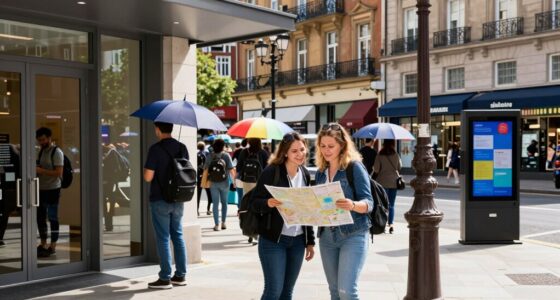
Beaches, hiking routes, terraces and visitor attractions are seeing renewed winter activity.
Warm conditions are expected to persist through the current weekend.
Winter in Cape Town is ordinarily cooler, wetter and cloudier.
Beach visits, hiking and open-air dining are gaining momentum.
A single warm spell cannot establish a permanent climate shift.
Sunshine changes the city’s rhythm
Outdoor culture is central to Cape Town’s identity. A warm winter weekend converts favourable weather into social activity, visitor spending and a welcome lift for businesses during a typically slower season.
Public spaces come alive
Residents shift plans toward beaches, mountain trails, parks and outdoor dining, improving access to leisure and social connection.
Visitors stay out longer
Clear weather supports sightseeing and spontaneous excursions, helping tourism operators make more of the winter weekend.
Seasonal demand gets a lift
Restaurants, cafés, attractions and leisure providers can benefit from higher-than-usual winter patronage.
A weekend outside the winter script
The warm spell is noteworthy because it departs from Cape Town’s familiar cool-season pattern. Its short-term benefits are visible; its long-term climate significance remains unresolved.
| Indicator | Typical Cape Town winter | Warm weekend | Practical effect |
|---|---|---|---|
| Sky conditions | ✗More cloud and rain | ✓Clear and sunny | More reliable outdoor plans |
| Temperature feel | ✗Cool seasonal conditions | ✓Above seasonal averages | Longer periods outside |
| Leisure activity | ~Weather dependent | ✓Broad participation | Busier beaches, trails and terraces |
| Hospitality demand | ~Winter slowdown | ✓Short-term uplift | Improved weekend trade |
| Climate conclusion | ~Known variability | ~Single observed event | More monitoring required |
From warm air to economic activity
The effect travels through a connected system: favourable conditions change individual choices, those choices create footfall, and footfall supports tourism and hospitality revenue.
“This warm winter weekend is unusual but not entirely unprecedented.”
Local weather expert · climate variability context“We’ve seen a noticeable increase in visitors and outdoor activity.”
Local tourism operator · business impactA positive weekend with a climate caveat
Warmth can enhance quality of life and support tourism, but repeated winter anomalies could place added pressure on water resources, agriculture and long-term resilience planning.
The safest conclusion is measured: the current event is real, while its relationship to a lasting climate trend is still being studied.
Is this typical for Cape Town?
No. Winter is generally cooler and wetter, making this weekend a clear seasonal deviation.
How is tourism affected?
Operators report more visitors and outdoor activity, supporting local winter trade.
Will warm spells become regular?
It is too early to say. Meteorologists need longer-term observations before drawing that conclusion.
What are the environmental stakes?
Persistent warmth could intensify drought and water-management pressure despite tourism benefits.
Enjoy the sun. Watch the pattern.
Residents, businesses and authorities can benefit from the weekend while remaining prepared for greater weather variability.
How Warm Winter Weather Impacts Cape Town’s Lifestyle and Economy
The confirmed warm weather influences Cape Town’s local lifestyle and economy. Outdoor activities are central to the city’s culture, and the boost in tourism and local engagement can provide economic support during the typically slower winter months.
This trend may also indicate broader climate shifts, prompting discussions on environmental resilience and sustainable tourism strategies. For residents and businesses, the weather can enhance quality of life and economic activity, but also raises questions about future climate patterns.
As an affiliate, we earn on qualifying purchases.
Recent Weather Trends and Climate Variability in South Africa
South Africa has experienced fluctuating weather patterns over recent years, with some regions reporting increased temperature variability. Historically, Cape Town’s winter is characterized by cooler, wetter conditions, but recent years have seen more frequent warm spells, possibly linked to climate change.
This weekend’s warm spell is part of a broader pattern of unusual weather, which local meteorologists are monitoring. While such conditions can benefit tourism and outdoor lifestyles, they also pose challenges for agriculture and water management, given Cape Town’s ongoing drought concerns.
“This warm winter weekend is unusual but not entirely unprecedented. It reflects broader climate variability that we are observing more frequently.”
— local weather expert
hiking gear for outdoor activities
As an affiliate, we earn on qualifying purchases.
As an affiliate, we earn on qualifying purchases.
Unconfirmed Long-Term Climate Effects of Short-Term Warm Spells
While the current weather pattern is confirmed, it remains uncertain whether this indicates a long-term shift in Cape Town’s climate or if it is a temporary anomaly. Scientists emphasize the need for further data to understand the broader implications of these warm spells.
As an affiliate, we earn on qualifying purchases.
Monitoring Weather Patterns and Preparing for Future Variability
Meteorologists will continue to track weather trends to assess whether such warm weekends become more frequent. Local authorities and businesses are advised to prepare for ongoing climate variability, which could impact water resources, agriculture, and tourism in the coming months.
As an affiliate, we earn on qualifying purchases.
Key Questions
Is this warm winter weekend typical for Cape Town?
No, it is an unusual occurrence, as Cape Town’s winter is typically cooler and wetter. This weekend’s warm weather is a deviation from normal seasonal patterns.
How is the warm weather affecting tourism in Cape Town?
Tourism operators report increased outdoor activities and visitors, which can positively impact local businesses during the winter period.
Could this weather pattern continue or become more frequent?
Scientists are monitoring ongoing weather trends, but it is currently uncertain whether such warm spells will become a regular feature of Cape Town’s winter climate.
What are the environmental implications of these warm spells?
While beneficial for tourism and lifestyle, increased warmth may exacerbate drought conditions and impact water resources, requiring ongoing climate resilience measures.
What should residents and businesses do in response?
They should stay informed about weather forecasts and prepare for potential climate variability, including water conservation and outdoor activity adjustments.
Source: local