
TL;DR
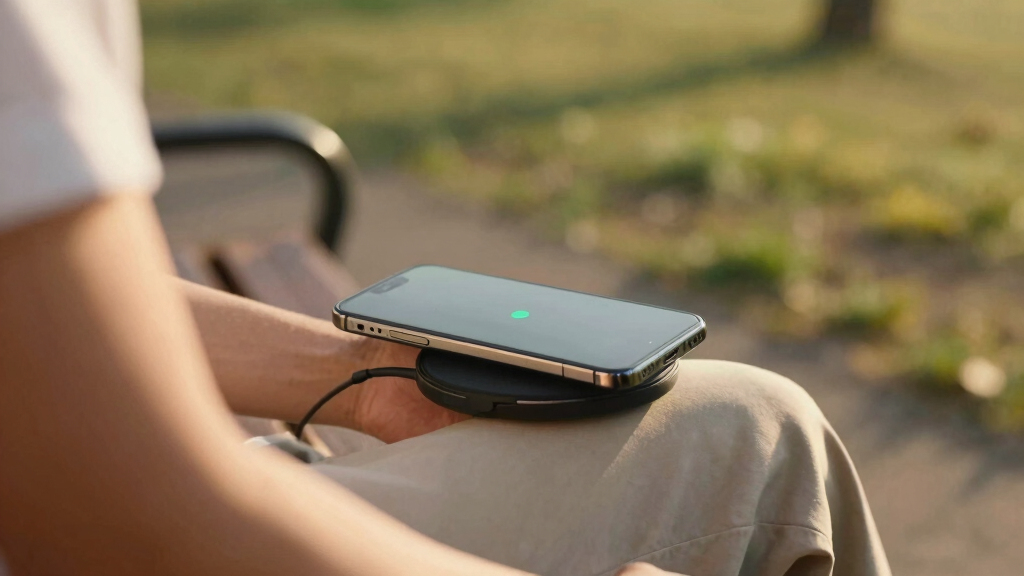
Wireless charging is more convenient but less efficient than wired charging, wasting more electricity due to heat and energy losses. This impacts global energy use as wireless adoption grows.
Recent research confirms that wireless charging consumes significantly more electricity than wired charging, with estimates showing up to 40% higher energy use. This discrepancy is increasingly relevant as wireless charging becomes more widespread, raising concerns about energy efficiency and environmental impact.
Studies from 2020 and 2024 indicate that charging a smartphone wirelessly requires approximately 21Wh, compared to about 15Wh via wired charging, representing a 40% increase in energy consumption. Wireless chargers operate through electromagnetic induction, which inherently results in energy losses—typically between 20% and 30%—due to heat dissipation and inefficiencies in transferring power through air gaps. As a result, wireless chargers generate more heat and waste more energy, especially when misaligned or with phone cases that increase the air gap. This inefficiency adds up globally; with an estimated 30% of the 7.6 billion smartphones charged wirelessly, the annual energy waste could reach around 4,830 gigawatt-hours, enough to power hundreds of thousands of homes for a year. Experts note that while wireless charging is improving in efficiency, it is unlikely to ever match wired charging in terms of energy use, given the fundamental differences in technology.
Environmental and Energy Implications of Wireless Charging
The higher energy consumption of wireless chargers contributes to increased electricity demand and environmental impact, especially as adoption rises globally. This inefficiency may lead to higher carbon emissions and faster depletion of electronic waste resources, making it a critical consideration for consumers and policymakers aiming for sustainable technology use.
As an affiliate, we earn on qualifying purchases.
Growth of Wireless Charging and Its Efficiency Challenges
Wireless charging technology has rapidly gained popularity over the past few years, with major brands like Apple, Samsung, and Google adopting the standard. Industry studies show that a significant portion of smartphone owners use wireless chargers at home, contributing to increased energy use. While recent advancements have improved efficiency, fundamental limitations of electromagnetic induction mean wireless charging will always be less efficient than wired options. Concerns about heat generation, safety, and environmental impact are increasingly relevant as the technology becomes more widespread.
“Wireless charging consumes roughly 30 to 40 percent more energy than wired charging, primarily due to heat dissipation and energy losses during power transfer.”
— an anonymous researcher
As an affiliate, we earn on qualifying purchases.
Uncertainties Around Future Efficiency Improvements
It is not yet clear how much further wireless charging efficiency can improve. Although newer standards like Qi2 and MagSafe are promising, fundamental physical constraints mean that the energy losses are unlikely to decrease below current levels significantly. The environmental impact of increased adoption remains an ongoing concern, especially as the technology becomes more widespread.
Qi wireless charger with safety features
As an affiliate, we earn on qualifying purchases.
As an affiliate, we earn on qualifying purchases.
Expected Developments and Industry Responses
Researchers and industry leaders are likely to focus on improving coil alignment and standardization to reduce energy losses. Regulatory bodies may also consider environmental impact assessments for wireless chargers. Consumers should stay informed about efficiency ratings and safety features, especially as new products enter the market. The trend toward more sustainable technology use could influence future standards and consumer choices.
energy-efficient wireless charger
As an affiliate, we earn on qualifying purchases.
As an affiliate, we earn on qualifying purchases.
Key Questions
Why does wireless charging waste more energy than wired?
Wireless charging uses electromagnetic induction, which inherently results in energy losses—typically 20-30%—due to heat dissipation and inefficiencies in transferring power through air gaps. Wired charging transfers energy directly, making it more efficient.
Is wireless charging safe for my device?
Modern wireless chargers include safety features like temperature sensors and foreign object detection to prevent overheating and damage. However, cheap or unbranded chargers may lack these protections, and metal objects between the device and charger can pose safety risks.
How much energy could be wasted globally by wireless charging?
If 30% of the 7.6 billion smartphones worldwide are charged wirelessly, estimates suggest that annual global energy waste could reach around 4,830 gigawatt-hours, enough to power hundreds of thousands of homes for a year.
Will wireless charging ever become as efficient as wired?
Based on current technology and physical limitations, it is unlikely that wireless charging will match the efficiency of wired charging. Improvements are ongoing, but fundamental constraints mean wireless will always have higher energy losses.
What are the environmental impacts of wireless charging?
Higher energy consumption leads to increased carbon emissions, and the electronic waste from worn-out wireless chargers and degraded batteries can contribute to environmental degradation. The overall impact depends on adoption rates and technological improvements.
Source: Engadget