
To make rural driving less stressful, plan your route ahead by locating fuel stations along the way, prioritizing those open late or 24/7. Use navigation apps for real-time updates on station availability, and keep your tank close to half full. Carry essentials for emergencies, and be aware of potential station closures. If you want to learn how to stay prepared and avoid running out of fuel, keep exploring these smart strategies.
Open a free Amazon Business account
Business pricing, bulk buying and tax-exempt orders.
As an affiliate, we earn on qualifying purchases.
Key Takeaways
- Plan fuel stops ahead by researching station locations and opening hours along your route.
- Use GPS and navigation apps for real-time updates on fuel station availability and closures.
- Keep your tank at least halfway full to avoid running out in remote areas.
- Carry an emergency kit with essentials for safety and comfort during unexpected delays.
- Identify alternative fuel stops and amenities to stay flexible and reduce stress in rural driving.
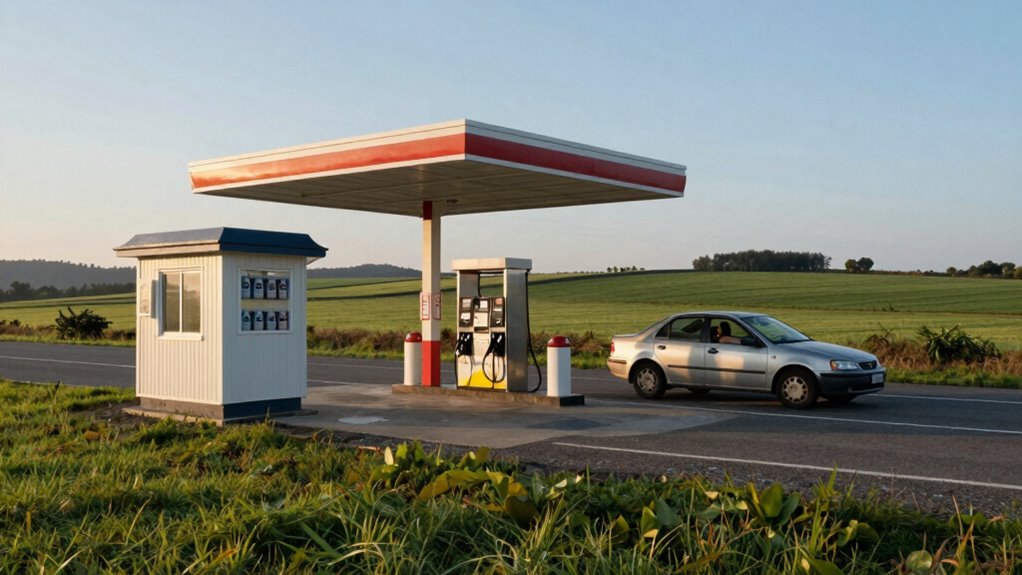
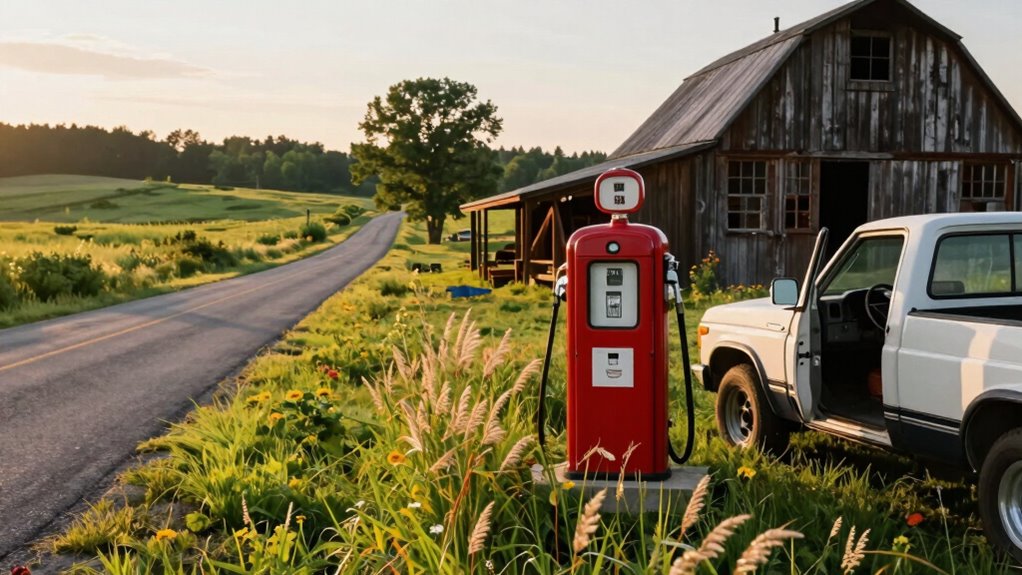
When driving through rural areas, planning your fuel stops carefully can save you time and prevent stressful situations. Rural roads often lack frequent fuel stations, so knowing where and when to fill up is crucial. Start by researching your route ahead of time. Use navigation tips like mapping out the locations of fuel stations along your path, especially those that are open late or 24/7. Apps and GPS services can help identify nearby stations, so you’re not left searching in unfamiliar territory. It’s wise to plan your fuel stops around these points, keeping an eye on your vehicle’s fuel gauge as you approach the halfway mark of your tank. This way, you avoid risking running out of fuel in less populated areas where help may be farther away. Additionally, understanding fuel station availability in your route can help you better prepare for potential gaps in service. Being aware of local amenities can also be beneficial if you need to wait for a station to open or find an alternative stop. It’s also helpful to familiarize yourself with regional driving conditions, which can impact your overall trip planning and safety.
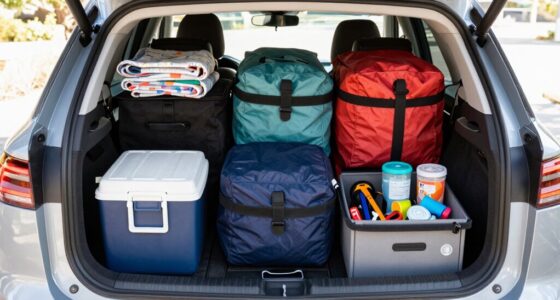
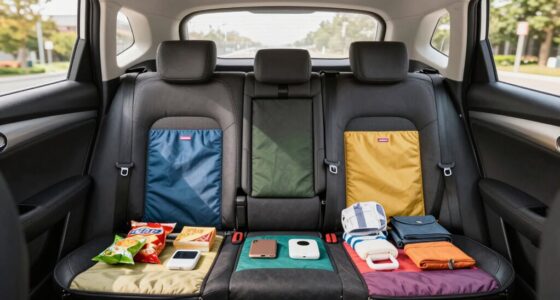
Emergency preparedness goes hand in hand with good planning. Always carry a small emergency kit that includes essentials like a flashlight, basic tools, water, and some snacks, especially if you’re traveling through isolated stretches. In case of unexpected delays or if a fuel station turns out to be closed, these supplies can keep you comfortable and safe until help arrives or until you find an alternative station. Maintaining a full tank whenever possible is a simple yet effective emergency preparedness measure. It not only reduces the chance of running out of fuel but also gives you peace of mind as you navigate unfamiliar terrain. Additionally, using navigation apps that provide real-time updates can help you adapt your plan on the go and avoid unexpected detours.
emergency car kit for rural driving
As an affiliate, we earn on qualifying purchases.
As an affiliate, we earn on qualifying purchases.
Frequently Asked Questions
How Do I Find Reliable Fuel Stations in Remote Areas?
To find reliable fuel stations in remote areas, start by researching ahead using apps or maps that highlight station reliability and fuel quality reviews. Look for stations with consistent customer feedback, modern equipment, and visible maintenance. Stick to well-known brands when possible, as they tend to uphold higher fuel quality standards. Trust your instincts—if a station looks poorly maintained, it’s best to keep driving for a more dependable option.
What Emergency Supplies Should I Carry During Rural Drives?
You should carry a well-stocked emergency kit that includes first aid supplies, water, snacks, a flashlight, and basic tools. Make sure your vehicle is properly maintained before heading out, checking tire pressure, fluid levels, and brakes. In remote areas, these supplies and good vehicle maintenance are essential, helping you handle unexpected situations confidently and ensuring you’re prepared for emergencies or minor breakdowns during your rural drive.
How Can I Prevent Fuel Theft in Isolated Areas?
Protect your pump during isolated fueling by parking prudently, preferably where others are present, and never leaving your vehicle unattended. Use fuel theft prevention tools like lockable caps or security cameras if possible. Always stay alert, avoid flaunting fuel, and keep valuables out of sight. By practicing these precautions, you’ll prevent fuel theft and guarantee your rural refueling remains safe, simple, and secure.
Are There Specific Apps for Locating Rural Fuel Stops?
You can find rural fuel stops using navigation apps like Google Maps or Waze, which often include user reviews and real-time updates. Additionally, specialized apps like GasBuddy focus on fuel price comparison, helping you locate the cheapest and most reliable stations. These tools make rural driving less stressful by guiding you efficiently, saving you money, and ensuring you don’t run out of fuel unexpectedly.
How Do Weather Conditions Affect Rural Fuel Planning?
Weather impact greatly influences your fuel planning during rural drives. Rain, snow, or strong winds can reduce fuel efficiency, meaning you’ll need to plan for extra fuel stops. Cold weather can cause your engine to work harder, consuming more fuel, while storms might delay stops or make routes less accessible. Always check weather forecasts beforehand, and adjust your fuel planning to guarantee you have enough fuel to navigate potential weather-related challenges comfortably.
As an affiliate, we earn on qualifying purchases.
Conclusion
By planning your fuel stops carefully, you’ll enjoy smoother, less stressful rural drives. Imagine approaching a small town knowing your tank is nearly full, avoiding the anxiety of running out miles from help. For example, Sarah mapped her route, stopping at reliable stations, and reached her mountain cabin without a hitch. With this simple strategy, you can turn long, lonely stretches into peaceful journeys, confident you’ll always have enough fuel to reach your destination comfortably.
As an affiliate, we earn on qualifying purchases.
As an affiliate, we earn on qualifying purchases.
Fall yard work Picks
leaf blowers
As an affiliate, we earn on qualifying purchases.