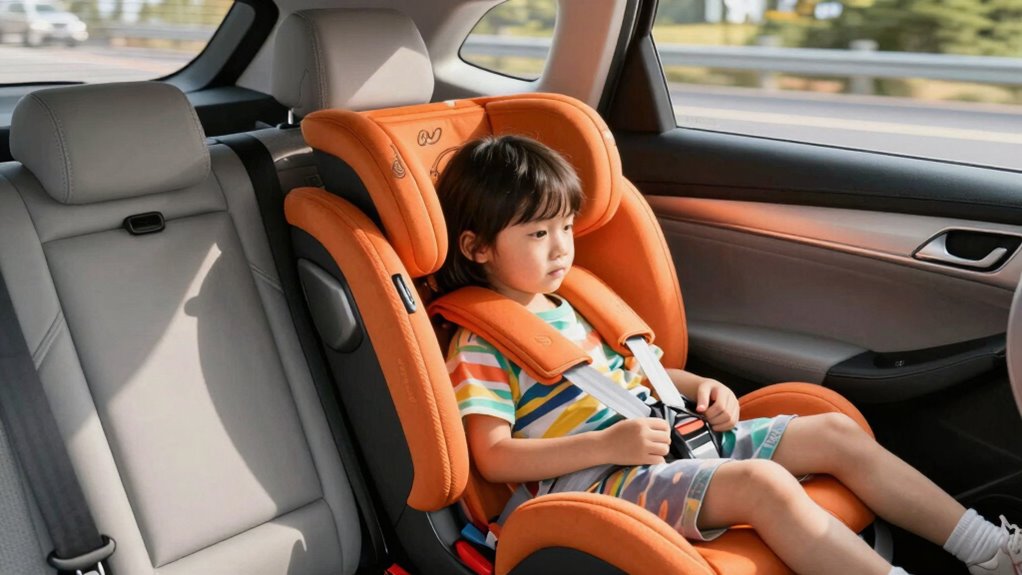

Your child’s age, the travel route, and vehicle type all influence when and how you should use a booster seat. Usually, kids stay in booster seats until they’re 4’9” tall or age 8–12, but laws vary by location. Long trips or busy highways need extra safety precautions. Different vehicles also require different booster types. Keep these factors in mind to guarantee a safe journey; discovering more details can help you make the best choices.

Get travel and outdoor gear delivered free — and shop member deals
- Fast, free delivery on millions of items
- Access to Prime Big Deal Days deals on October 6–7
- Prime Video, Amazon Music and more included
Key Takeaways
- Age, weight, and height determine when a child can safely transition out of a booster seat, varying by regulations.
- Longer, complex routes with heavy traffic increase the need for booster seats for proper restraint.
- Vehicle type (car, SUV, minivan) impacts booster seat requirements due to different seatbelt designs.
- Destination laws and safety standards influence booster seat choice and compliance during travel.
- Route conditions, such as terrain and stops, affect the importance of proper booster seat use for safety.
Are booster seats necessary when traveling with young children? The answer depends on several factors, including the mode of transportation, the child’s age and size, and applicable safety regulations. When you’re planning to fly, airline regulations come into play. Most airlines require children to be secured with an approved child restraint system, which can include booster seats if they are FAA-approved and meet specific safety standards. For international travel, the rules can vary more widely. Some countries have strict laws mandating the use of booster seats or child restraints, while others have more relaxed policies. It’s crucial to check the regulations of your destination country before flying to ensure compliance and safety. If you’re traveling with a young child on a commercial flight, some airlines allow you to bring your booster seat onboard and use it during the flight, providing a familiar and comfortable seat for your child. Others might require you to purchase an extra seat for your child to use a booster, especially if the child exceeds the airline’s size or age limits for lap children.
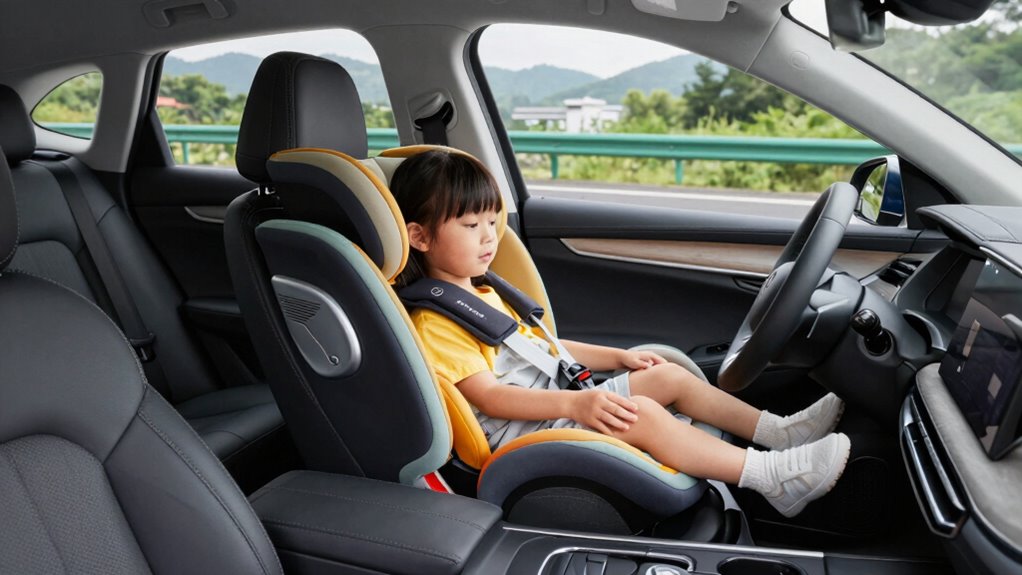
When it comes to road trips, the type of vehicle significantly influences whether a booster seat is necessary. Most states and countries have laws requiring children to sit in a booster seat until they reach a certain age, weight, or height. In vehicles like SUVs, minivans, or cars, a booster seat ensures your child is properly positioned for the seatbelt to work effectively. The route also matters; if you’ll be traveling on busy highways or through areas with heavy traffic, securing your child in a booster seat becomes even more important for safety. Additionally, the length of the trip can influence your decision; if you’ll be traveling through areas with frequent stops or varying terrain, having your child securely restrained helps maintain safety and comfort. The type of vehicle you choose to travel in also impacts the decision. Larger vehicles like vans or SUVs generally have higher seatbelts designed for booster seats, while smaller cars may have different seatbelt configurations. It is also advisable to consider the vehicle safety standards of your destination to ensure your child’s safety during travel. Furthermore, understanding the local safety laws can help you stay compliant and protect your child effectively. Traveling abroad may also involve navigating different safety standards, which can influence the type of booster seat you use or need to bring. Regardless of the vehicle, the key is ensuring that the seatbelt fits your child correctly—across the shoulder and hips, not the neck or stomach. When traveling abroad, vehicle safety standards and laws vary, so it’s vital to research your destination’s requirements to keep your child safe. Overall, whether traveling by plane or car, booster seats are an essential safety measure for young children, and understanding the specific regulations and conditions of your route and vehicle type helps you make the best decision for your child’s safety.
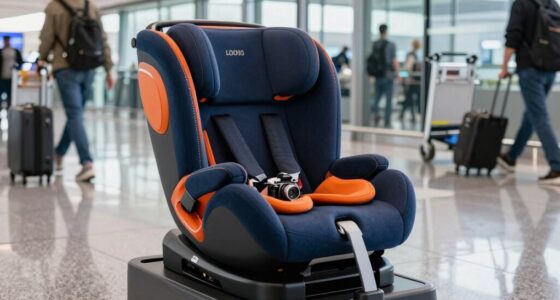
FAA approved booster seat for airplane
As an affiliate, we earn on qualifying purchases.
As an affiliate, we earn on qualifying purchases.
Frequently Asked Questions
Are Booster Seats Allowed on Airplanes?
Yes, booster seats are allowed on airplanes, but airline regulations vary. You should check with your airline beforehand, as some require booster seats to be FAA-approved. If you’re renting a car, many car rental companies provide booster seats or allow you to bring your own. Always confirm the rules for both the airline and the car rental agency to guarantee your child’s safety and compliance with regulations.
How Do Booster Seat Laws Vary Internationally?
You’ll find that international regulations and cultural differences shape booster seat laws differently around the world. Some countries have strict age and weight requirements, while others don’t specify booster seat use at all. It’s a coincidence that these rules often reflect local safety priorities and cultural attitudes towards child transportation. When traveling, always check the specific laws of your destination to guarantee your child’s safety and compliance.
Can I Use a Booster Seat in a Taxi?
You can typically use a booster seat in a taxi, but it depends on your local child safety regulations. Always guarantee proper car seat installation according to the manufacturer’s instructions and local laws. Check if booster seats are required or recommended for your child’s age and size. Remember, safety laws vary, so verifying with local authorities or transportation providers can help you make the safest choice for your child’s travel.
What Is the Maximum Weight Limit for Booster Seats?
Think of booster seats as the gatekeepers of safety, standing tall to protect your child. The maximum weight limit for booster seats typically ranges between 80 to 120 pounds, depending on the model. When it comes to car seat installation and booster seat safety, always check the manufacturer’s guidelines. Staying within weight limits guarantees your child’s safety remains steadfast, transforming every ride into a secure journey.
Are Booster Seats Suitable for Children With Special Needs?
Yes, booster seats can be suitable for children with special needs. You might need special needs accommodations or booster seat modifications to guarantee proper fit and comfort. Some booster seats are designed with additional support or adjustable features that help meet specific needs. Always check with a healthcare professional or manufacturer to find the right booster seat and modifications, ensuring your child’s safety and comfort during travel.
As an affiliate, we earn on qualifying purchases.
Conclusion
When it comes to booster seats for travel, remember that age, route, and vehicle type all play a vital role in making the right choice. Don’t put all your eggs in one basket—stay informed and prioritize safety to keep your little one secure. It’s better to be safe than sorry, so do your homework before hitting the road. After all, forewarned is forearmed, and ensuring your child’s safety is always worth the extra effort.
convertible booster seat for car travel
As an affiliate, we earn on qualifying purchases.
As an affiliate, we earn on qualifying purchases.
compact portable booster seat for travel
As an affiliate, we earn on qualifying purchases.
As an affiliate, we earn on qualifying purchases.
Fall Picks
fall essentials
As an affiliate, we earn on qualifying purchases.