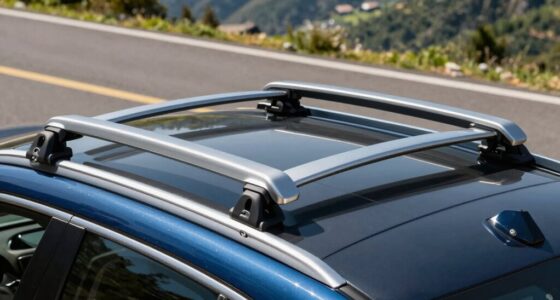

Adding a rooftop cargo box increases your vehicle’s storage but also raises its aerodynamic drag, which means you’ll likely see a dip in fuel efficiency. Expect about a 5% to 15% increase in fuel consumption, especially at highway speeds and with larger or less aerodynamic boxes. To minimize this impact, choose aerodynamic designs, secure the box properly, and consider removing it when not needed. Keep these tips in mind to optimize your trips; there’s more to discover below.
Play games included with Prime
Start a Prime free trial and play with Amazon Luna on your devices.
As an affiliate, we earn on qualifying purchases.
Key Takeaways
- Roof cargo boxes increase aerodynamic drag, typically reducing fuel efficiency by 5% to 15%.
- Larger or less aerodynamic boxes cause greater air resistance and higher fuel consumption.
- Proper installation and choosing aerodynamic designs can minimize the impact on fuel economy.
- Driving at lower speeds reduces drag and helps mitigate fuel efficiency loss.
- Removing the cargo box when not needed can significantly improve vehicle fuel performance.
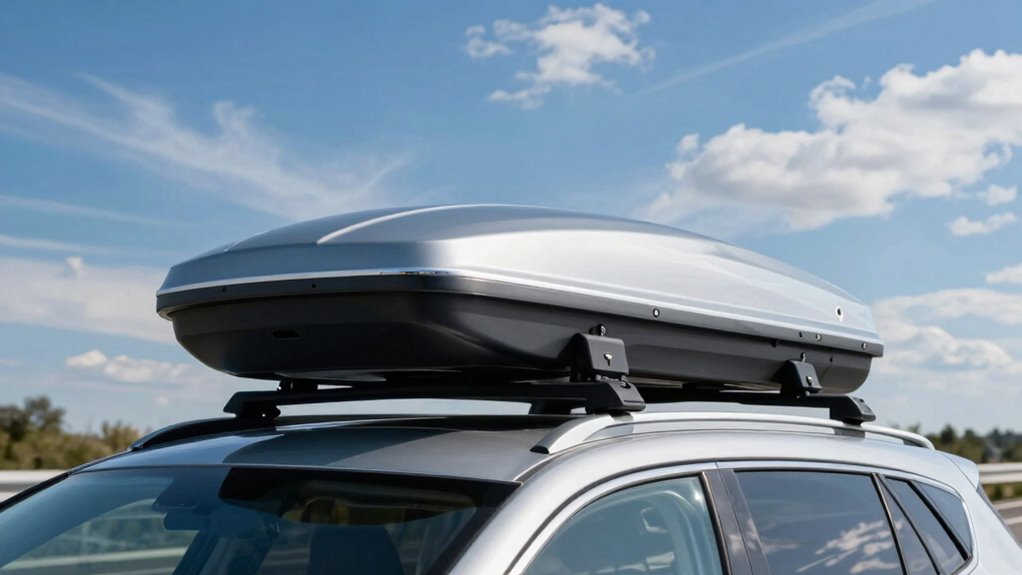
Rooftop cargo boxes are a practical solution for expanding your vehicle’s storage capacity, especially during road trips or outdoor adventures. They allow you to carry extra gear, luggage, or equipment without cluttering the interior of your car, making your journey more comfortable and organized. However, before you decide to install one, it’s important to understand how they affect your vehicle’s fuel efficiency. Adding a cargo box to your roof increases the overall aerodynamic profile of your vehicle, which can lead to a noticeable decrease in fuel economy. This impact is primarily due to increased air resistance or drag, which your engine must work harder to overcome.
Adding a roof cargo box can reduce fuel efficiency due to increased aerodynamic drag.
When you mount a cargo box on your roof, it disrupts the smooth airflow around your vehicle. This disruption causes additional aerodynamic drag, forcing your engine to consume more fuel to maintain your speed. The larger and less aerodynamic the cargo box, the more pronounced this effect becomes. Generally, you can expect a fuel efficiency reduction of about 5% to 15%, depending on the size, shape, and design of the cargo box, as well as your driving conditions. High speeds, especially on highways, amplify this impact because air resistance increases with velocity. To mitigate some of these effects, choosing an aerodynamic cargo box designed to minimize wind resistance can be beneficial.
If you’re concerned about fuel economy, you might consider choosing a sleek, aerodynamic cargo box designed to minimize wind resistance. These models typically feature rounded edges and smooth surfaces that help reduce the aerodynamic impact. Installing the cargo box correctly is equally important; ensure it’s securely mounted and aligned properly to avoid unnecessary turbulence. Additionally, removing the cargo box when you’re not using it can help restore your vehicle’s original fuel efficiency. This is especially true for long trips or when driving at higher speeds where the aerodynamic penalty is most significant. Proper installation techniques can further optimize your vehicle’s performance by reducing drag. Being aware of aero design principles can help you select the most efficient cargo box for your needs.
A good understanding of vehicle aerodynamics can also guide you in making smarter choices about your vehicle accessories. Keep in mind that even with the aerodynamic impact, the convenience and extra capacity a rooftop cargo box offers can outweigh the fuel economy trade-off for many travelers. If you’re planning a long road trip or outdoor adventure and need extra storage, a cargo box is a smart choice. Just be mindful of how it affects your driving performance and fuel consumption. Adjust your speed where possible, and consider removing the box when it’s not needed to keep your fuel costs down. Balancing convenience with efficiency is key, and understanding the aerodynamic impact helps you make better decisions for your trips and budget.
As an affiliate, we earn on qualifying purchases.
Frequently Asked Questions
How Do I Choose the Right Size for My Vehicle?
You should choose a rooftop cargo box that matches your vehicle’s compatibility and cargo capacity. Measure your vehicle’s roof to guarantee the box fits comfortably without overloading it or affecting handling. Check your vehicle’s weight limit and compare it to the cargo capacity of the box. Opt for a size that balances your storage needs while maintaining safety and efficiency, avoiding an oversized box that hampers fuel economy or vehicle stability.
Are Rooftop Cargo Boxes Waterproof and Weather-Resistant?
Yes, rooftop cargo boxes are designed to be waterproof and weather-resistant. They’re made from weatherproof materials like durable plastics and reinforced fabrics, which protect your gear from rain, snow, and wind. The sealant effectiveness of the lid and seams is vital; high-quality boxes feature tight seals that prevent water from seeping in. Regularly check and maintain these seals to guarantee your cargo stays dry during bad weather.
What Is the Maximum Weight Capacity for Most Cargo Boxes?
Imagine a knight with a heavy shield—most cargo boxes handle around 75-165 pounds, depending on the model. This weight affects fuel efficiency and aerodynamic impact, so don’t overload your box. Check your vehicle’s roof weight limit to stay safe. Exceeding the capacity can reduce fuel economy and compromise stability. Stay within the recommended weight to keep your journey smooth and your car’s performance ideal.
How Do I Securely Lock and Lock My Cargo Box?
To securely lock your cargo box, utilize its built-in locking mechanisms, which often include keyed or combination locks. Make certain the lock clicks into place and test it by trying to open the box. Security features like tamper-proof locks or reinforced latches enhance protection. Always double-check that the lock is fully engaged before driving. Regularly inspect the locking mechanisms for wear and replace them if necessary to ensure your belongings stay safe.
Can Rooftop Cargo Boxes Be Installed on Any Vehicle?
You might think any vehicle can handle a rooftop cargo box, but irony strikes—your car’s roof rack compatibility is key. Before installation, check if your vehicle’s roof rails or crossbars support a cargo box. Use cargo box installation tips like measuring crossbar spacing and weight limits. Not all vehicles are built for it, so don’t assume—verify your roof’s capacity and compatibility first.
As an affiliate, we earn on qualifying purchases.
Conclusion
While rooftop cargo boxes offer convenient extra storage, they can reduce your vehicle’s fuel efficiency by up to 25%, so it’s worth weighing the benefits against the costs. Notably, studies show that the added aerodynamic drag from rooftop loads can considerably impact fuel consumption, especially at highway speeds. Before you hit the road, consider your trip length and how much gear you need to carry—sometimes, a well-packed trunk might be a smarter, more fuel-friendly choice.
car roof cargo carrier for fuel efficiency
As an affiliate, we earn on qualifying purchases.
As an affiliate, we earn on qualifying purchases.
As an affiliate, we earn on qualifying purchases.
Fall yard work Picks
leaf blowers
As an affiliate, we earn on qualifying purchases.