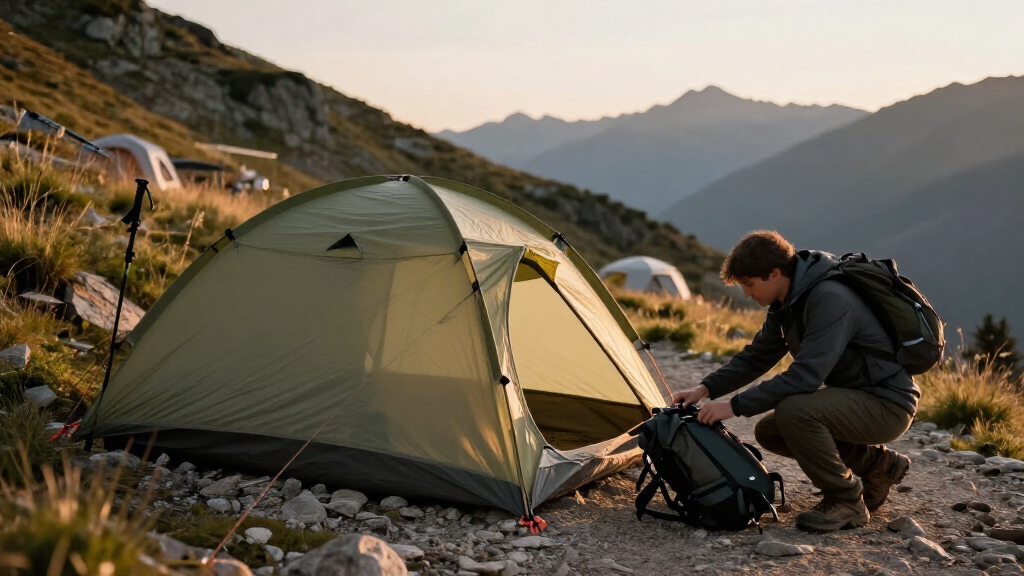

Lightweight camping tents split into two camps: ultralight backpacking shelters that sacrifice space to save ounces, and roomier camp tents that stay carryable at a modest weight penalty. After comparing packed weight, waterproofing, pole materials, and setup difficulty across 15 popular models, the Forceatt 2-Person 4-Season Tent stands out as the best overall pick for balancing genuine backpacking weight with four-season durability. Budget-focused buyers should shortlist the Wakeman Outdoors 2-Person Tent, while solo travelers will find the CampPal 1-Person 4-Season Tent better suited to their needs. The main tradeoff in this category is almost always interior space versus trail weight — and secondarily, whether cheap fiberglass poles will survive the weather you actually camp in. Keep reading for the full breakdown of which tent earns its spot in your pack.

Get travel and outdoor gear delivered free with Prime
- Fast, free delivery on millions of items
- Prime Video, Amazon Music and more included
- Member-only deals all year
Complete the kit

Key Takeaways
- Aluminum poles were the clearest divider in this lineup: tents like the amazon.com/dp/B07WR1V29Y?tag=wihok.com-20&ascsubtag=dc-1116597″ target=”_blank” rel=”nofollow sponsored noopener”>Night Cat 2-Person with aluminum poles and the Forceatt models handled wind and cold far better than fiberglass-pole competitors at similar prices.
- Several budget tents in this roundup advertise backpacking weights but are really car-camping tents once you add rainfly and stakes — the Clostnature and Wakeman options are great values, but the CampPal 1-Person is the only true solo backpacking shelter under the budget tier.
- The pop-up 4-Person Instant Tent is the fastest to pitch in the entire lineup but also the worst to carry; it only makes sense if weight lives at the bottom of your priority list.
- Four-season claims varied widely: the Forceatt 4-Season and CampPal models are genuinely built for winter use, while three-season domes like the Amazon Basics and JELUCAMP should not be pushed into snow loads despite similar marketing language.
- Night Cat appears three times in this comparison for good reason — its range spans a clip-setup beginner model, an aluminum-pole upgrade, and a compact 1–2 person version, giving it the widest coverage of buyer types of any brand here.
| Forceatt 2-Person Waterproof 4-Season Backpacking Tent |  | Best Overall for All-Weather Backpacking | Capacity: 2 people | Seasons: 4 | Weight: 5.5 lb (2.5 kg) | VIEW LATEST PRICE | See Our Full Breakdown |
| Night Cat Lightweight Waterproof Backpacking Tent for 1–2 People |  | Best Compact Solo Shelter | Capacity: 1 adult, or 1 adult + 1 child | Inner dimensions: 7.0 × 3.8 × 3.6 ft | Weight: 4.4 lb (2 kg) | VIEW LATEST PRICE | See Our Full Breakdown |
| BISINNA 2/4 Person Camping Tent – Lightweight Waterproof Backpacking Tent |  | Best Value for Fair-Weather Trips | Capacity: 2 person | Seasons: 3 | Rainfly: 190T polyester taffeta, PU2000mm | VIEW LATEST PRICE | See Our Full Breakdown |
| Clostnature 1/1.5/2/3/4/6 Person Lightweight Backpacking Tent, Camping Tent |  | Best for Families and Group Flexibility | Capacity: 1 / 1.5 / 2 / 3 / 4 / 6 person | Seasons: 3 | 2-person weight: 5.29 lb total; 4.52 lb minimum trail weight | VIEW LATEST PRICE | See Our Full Breakdown |
| CampPal 1 Person 4-Season Backpacking Tent |  | Best for Tall Solo Campers | Capacity: 1 person | Seasons: 4 | Weight: 3.75 lb | VIEW LATEST PRICE | See Our Full Breakdown |
| Night Cat 2-Person Backpacking Tent with Aluminum Poles and Rainfly |  | Best Weather Protection | Occupancy: 2 people | Season: 3 season | Dimensions: 6.8 x 4.6 x 3.6 ft | VIEW LATEST PRICE | See Our Full Breakdown |
| 4 Person Easy Pop Up Tent Waterproof Automatic Setup 2 Doors – Instant Family Tent |  | Fastest Setup | Capacity: 3–4 people (2–3 with gear) | Floor dimensions: 9.2 x 6.6 ft | Center height: 4.3 ft | VIEW LATEST PRICE | See Our Full Breakdown |
| Wakeman Outdoors 2-Person Camping Tent with Rain Fly & Carrying Bag |  | Best Budget Starter | Capacity: 2 person | Body material: 100% polyester / nylon | Poles: Fiberglass | VIEW LATEST PRICE | See Our Full Breakdown |
| JELUCAMP 1/2/4/6 Person Lightweight Dome Camping Tent |  | Best Size Flexibility | Capacity: 1 / 2 / 4 / 6 person | Dimensions: 86.6″L x 59.1″W x 43.3″H | Weight: 4.3 lbs | VIEW LATEST PRICE | See Our Full Breakdown |
| CAMEL CROWN Dome Camping Tent, 2/3/4/5 Person, Waterproof & Lightweight Backpacking Tent |  | Best for Group Camping | Occupancy: 2 / 3 / 4 / 5 person | Seasons: 4 season (listed) | Water resistance: PU2000 waterproof | VIEW LATEST PRICE | See Our Full Breakdown |
| Amazon Basics Camping Tent, 3-Season Dome Design with Rainfly |  | Best Budget Starter Pick | Capacity: 2 person | Seasons: 3 season | Footprint: 7′ x 5′ | VIEW LATEST PRICE | See Our Full Breakdown |
| Night Cat Upgraded Backpacking Tent 1-2 Person |  | Best for Solo Backpackers | Capacity: 1 adult (2 with a child) | Assembled Size: 7 x 3.8 x 3.8 ft | Weight: 4.4 lbs (2 kg) | VIEW LATEST PRICE | See Our Full Breakdown |
| Forceatt Camping Tent 2 Person – Waterproof & Windproof Lightweight Backpacking Tent |  | Best All-Weather Performer | Capacity: 2 person | Seasons: 4 season | Weight: 5.68 lbs (2.58 kg) | VIEW LATEST PRICE | See Our Full Breakdown |
| Clostnature Waterproof 2-Person Camping Tent |  | Best Balanced Everyday Tent | Capacity: 2 people | Dimensions: 7’3″ x 4’11” x 3’10” | Weight: 5.29 lbs | VIEW LATEST PRICE | See Our Full Breakdown |
| Camping Tent 2-4 Person Dome Tent with Rainfly |  | Lightest in the Lineup | Capacity: 2 person (labeled 2-4) | Dimensions: 7′ x 5′ x 45″H | Weight: 4.8 lbs | VIEW LATEST PRICE | See Our Full Breakdown |
| lightweight camping tent | Capacity | Poles | Setup time | Weight |
|---|---|---|---|---|
| Forceatt 2-Person Waterproof 4 | 2 people | 2 × 7001-series aluminum | About 3 minutes | 5.5 lb (2.5 kg) |
| Night Cat Lightweight Waterpro | 1 adult, or 1 adult + 1 child | Covered fiberglass | 1–2 minutes | 4.4 lb (2 kg) |
| BISINNA 2/4 Person Camping Ten | 2 person | 7001 space aluminum (2) | — | — |
| Clostnature 1/1.5/2/3/4/6 Pers | 1 / 1.5 / 2 / 3 / 4 / 6 person | 2 aluminum, clip attachment | About 3 minutes, freestanding | — |
| CampPal 1 Person 4-Season Back | 1 person | 1 aluminum ridge pole | 3 minutes | 3.75 lb |
| Night Cat 2-Person Backpacking | — | 2 aluminum poles | 3–5 minutes | — |
| 4 Person Easy Pop Up Tent Wate | 3–4 people (2–3 with gear) | — | — | — |
| Wakeman Outdoors 2-Person Camp | 2 person | Fiberglass | — | — |
| JELUCAMP 1/2/4/6 Person Lightw | 1 / 2 / 4 / 6 person | 7.9mm fiberglass | — | 4.3 lbs |
| CAMEL CROWN Dome Camping Tent | — | 8.5mm fiberglass | — | — |
| Amazon Basics Camping Tent | 2 person | — | Under 4 minutes | — |
| Night Cat Upgraded Backpacking | 1 adult (2 with a child) | — | — | 4.4 lbs (2 kg) |
| Forceatt Camping Tent 2 Person | 2 person | — | About 3 minutes | 5.68 lbs (2.58 kg) |
| Clostnature Waterproof 2-Perso | 2 people | — | Under 5 minutes | 5.29 lbs |
| Camping Tent 2-4 Person Dome T | 2 person (labeled 2-4) | — | About 3 minutes | 4.8 lbs |
More Details on Our Top Picks
Forceatt 2-Person Waterproof 4-Season Backpacking Tent
The Forceatt 2-Person stands out as the most balanced shelter in this lineup because it takes 4-season weather protection seriously without abandoning backpacking-friendly weight. Its 3,000 mm full-coverage rainfly and welded floor give it a real edge over the BISINNA 2-Person, which offers only a PU2000mm rainfly and 3-season coverage. Two doors and two vestibules mean neither camper has to climb over the other — a practical comfort the single-door CampPal 1-Person obviously can’t match. Aluminum poles and a roughly three-minute setup keep it beginner-friendly. The tradeoff is weight: at 5.5 lb it is heavier than the Clostnature or CampPal options, and the 43.3-inch peak height means stooping is unavoidable for taller campers.
Pros:- Full-coverage rainfly with welded floor and 3,000 mm rating for sustained wet weather
- Two doors and two vestibules give both campers independent access and gear storage
- Freestanding dome design pitches in about three minutes with aluminum poles
- Genuine 4-season versatility rare at this weight and price class
Cons:- At 5.5 lb it is one of the heavier backpacking options in this roundup
- Interior feels cramped for two adults with full packs despite the two-person rating
Best for: Backpacking duos who camp in unpredictable weather and want dual-door convenience without going ultralight
Not ideal for: Ultralight thru-hikers counting every ounce — 5.5 lb split between two people is fine, but solo users will feel it
- Capacity:2 people
- Seasons:4
- Weight:5.5 lb (2.5 kg)
- Floor dimensions:88.6 × 53.1 in (225 × 135 cm)
- Peak height:43.3 in (110 cm)
- Water resistance:PU 3,000 mm
- Doors / Vestibules:2 / 2
- Poles:2 × 7001-series aluminum
- Setup time:About 3 minutes
Our verdict“This pick makes the most sense for two-person teams who want one tent that handles rain, wind, and shoulder-season cold without specialty gear.”
Night Cat Lightweight Waterproof Backpacking Tent for 1–2 People
For solo travelers who prize a small packed footprint above all else, the Night Cat 1–2 Person compresses down to roughly 16.5 × 4.7 inches — noticeably tighter than the Forceatt or the Clostnature 2-Person, both of which demand more pack real estate. The single-layer design is the reason: fewer layers mean less bulk, but also a different camping experience, since condensation management depends entirely on the mesh door and roof window. Its PU 3000 mm fabric with taped seams outclasses the BISINNA in raw waterproofing, though the fiberglass poles are a step down from the aluminum used elsewhere in this lineup. Setup in one to two minutes is among the fastest here, but poles must be threaded through sleeves manually rather than clipped.
Pros:- Exceptionally compact packed size fits easily into smaller backpacks
- PU 3000 mm waterproof fabric with sealed seams handles heavy rain well
- 1–2 minute setup is among the fastest in this lineup
- Covered pole ends protect hands during assembly
Cons:- Fiberglass poles are less durable and heavier per strength than the aluminum poles on the Forceatt or Clostnature
- Single-layer construction makes condensation control harder in humid conditions
- Poles must be manually inserted into sleeves, which is fussier in wind
Best for: Solo backpackers or a parent with a small child who want the smallest possible packed size at a light weight
Not ideal for: Two adults — the stated two-person capacity really means one adult plus one child, and gear space is minimal
- Capacity:1 adult, or 1 adult + 1 child
- Inner dimensions:7.0 × 3.8 × 3.6 ft
- Weight:4.4 lb (2 kg)
- Packed size:42 × 12 × 12 cm (16.5 × 4.7 × 4.7 in)
- Water resistance:PU 3000 mm, taped seams
- Poles:Covered fiberglass
- Setup time:1–2 minutes
Our verdict“Choose this if you camp alone, pack tight, and accept fiberglass poles and single-layer condensation tradeoffs for a tiny footprint.”
BISINNA 2/4 Person Camping Tent – Lightweight Waterproof Backpacking Tent
The BISINNA 2-Person earns its value spot by delivering the features that matter most — aluminum poles, two D-shaped doors, and large mesh panels — at a lighter carry than the Forceatt, shedding about a pound by giving up 4-season coverage. The dual-zipper doors and no-see-um mesh make it the most breathable-feeling option here for warm-weather trips, compared with the single-layer Night Cat where airflow is more limited. It pitches solo in under ten minutes, and the included ten aluminum stakes and guyline set give it solid wind anchoring for a budget build. The honest tradeoff is the PU2000mm rainfly, the lowest waterproof rating in this batch, and the 3-season-only design — this is a spring-through-fall tent, full stop.
Pros:- 7001 space aluminum poles are unusually good at this price point
- Two D-shaped doors with dual zippers and large mesh panels for strong ventilation
- Compact packed size (16.9 × 5.9 × 5.9 in) suits backpacking
- Complete kit includes 10 aluminum stakes and guylines for solid wind anchoring
Cons:- PU2000mm rainfly is the weakest waterproofing among the tents compared here
- 3-season only — no snow loading or harsh-winter capability
- Floor space runs tight for two adults carrying full packs
Best for: Budget-conscious backpackers who camp mostly in mild, three-season conditions and want aluminum poles and dual doors without paying for 4-season capability
Not ideal for: Anyone expecting winter or heavy-storm use — the lower rainfly rating and 3-season design will disappoint compared to the Forceatt
- Capacity:2 person
- Seasons:3
- Rainfly:190T polyester taffeta, PU2000mm
- Poles:7001 space aluminum (2)
- Doors:2 D-shaped doors with dual zippers
- Packed size:16.9 × 5.9 × 5.9 in
- Setup:Under 10 minutes, one person
- Included:Carry bag, inner tent, flysheet, 2 poles, 2 ropes, 10 aluminum stakes
Our verdict“This option makes the most sense for fair-weather backpackers who want aluminum-pole durability and dual doors at the lightest possible cost in capability.”
Clostnature 1/1.5/2/3/4/6 Person Lightweight Backpacking Tent, Camping Tent
What separates the Clostnature from every other tent in this roundup is size choice: with configurations from solo up to six-person, it is the only option here that lets a mixed group standardize on one tent model. The PU 5000 coating is the strongest waterproofing in this batch — well above the Forceatt’s 3,000 mm and double the BISINNA’s rating — and factory-sealed seams back it up. In its 2-person form it hits a sweet spot at 5.29 lb total (4.52 lb minimum trail weight), with full mesh walls, two D-doors, and two vestibules that out-storage the CampPal 1-Person’s single vestibule. The tradeoff is that the size range creates inconsistency: larger capacities drift out of true backpacking weight territory, and 3-season framing means winter campers should still look to the Forceatt.
Pros:- PU 5000 waterproofing with factory-sealed seams is the strongest weather protection in this lineup
- Available in six capacity sizes, from solo to six-person
- Full mesh walls, two D-shaped doors, and two vestibules for ventilation and storage
- Includes a pole emergency repair kit — rare at this tier
Cons:- Larger capacity versions are no longer realistically backpacking-weight
- 3-season construction limits cold-weather use
- Dome profile with modest peak height feels cramped for taller campers in the 2-person size
Best for: Families and scout groups who want one trusted tent model across multiple sizes, plus best-in-class waterproofing for wet climates
Not ideal for: Winter or high-altitude campers — despite the rugged coating, this is a 3-season design without 4-season structure
- Capacity:1 / 1.5 / 2 / 3 / 4 / 6 person
- Seasons:3
- 2-person weight:5.29 lb total; 4.52 lb minimum trail weight
- Water resistance:PU 5000 mm with sealed seams
- Doors / Vestibules:2 / 2
- Poles:2 aluminum, clip attachment
- Setup time:About 3 minutes, freestanding
- Packed size (2P):16.5 × 5.9 × 5.9 in
Our verdict“This pick makes the most sense for households or groups buying multiple tents who want maximum rain protection and one familiar design from solo to six-person.”
CampPal 1 Person 4-Season Backpacking Tent
The CampPal 1-Person solves a problem most solo tents ignore: length. Its 8.2-foot floor comfortably fits campers over six feet with gear at the foot end — something neither the Night Cat 1–2 Person (7.0 ft) nor the low-profile Forceatt can offer a tall solo hiker. It is also the lightest true 4-season option in this comparison at 3.75 lb, pairing a 3,500–4,000 mm rated shell with taped seams and ripstop fabric for wind resistance. Setup relies on a single aluminum ridge pole in an A-frame, which is genuinely fast but structurally simpler than multi-pole domes. That is the honest limitation: compared with the Forceatt’s two-pole dome, the single-pole A-frame is less stable in severe storms, so mountaineers facing sustained high winds should weigh that carefully.
Pros:- Ultralight at 3.75 lb — the lightest 4-season option in this comparison
- 8.2 ft length accommodates taller campers plus gear without crowding
- 3,500–4,000 mm waterproofing with taped seams and ripstop wind-resistant fabric
- Single ridge pole delivers a genuine 3-minute setup
Cons:- Single-pole A-frame design is less storm-stable than multi-pole dome tents
- One door and one vestibule limit access and covered storage
- Solo capacity leaves no room for a partner or dog
Best for: Tall solo backpackers who want 4-season waterproofing, an ultralight carry, and room to stretch out
Not ideal for: Storm-exposed alpine routes — the single-pole A-frame is less rigid than the Forceatt’s two-pole dome in extreme wind
- Capacity:1 person
- Seasons:4
- Weight:3.75 lb
- Inner tent size:8.2 ft L × 2.95 ft W × 2.95 ft H
- Water resistance:3,500–4,000 mm, taped seams
- Poles:1 aluminum ridge pole
- Doors / Vestibules:1 / 1
- Setup time:3 minutes
Our verdict“This model is better suited to taller solo hikers who prioritize light carry and rain protection over storm-proof structural rigidity.”
Night Cat 2-Person Backpacking Tent with Aluminum Poles and Rainfly
This option stands out for its full-coverage rainfly rated to 3000 mm, which puts it ahead of nearly everything else in this lineup for sustained wet weather. Where the JELUCAMP dome relies on PU3000 coating alone, the Night Cat pairs a similar coating with taped seams and a bathtub-style waterproof floor, meaning fewer leak points when rain lingers. The two doors and two vestibules are a genuine quality-of-life upgrade over single-door tents like the CAMEL CROWN dome — neither camper has to climb over the other at 2 a.m., and muddy gear stays outside the sleeping area. Aluminum poles are another differentiator; they’re more forgiving in wind than the fiberglass used by most budget picks here. The tradeoff: it’s more involved to pitch than a pop-up like the 4 Person Instant, and no packed weight is published, so true backpackers can’t verify its carry burden before buying.
Pros:- 3000 mm rainfly with taped seams and waterproof floor for serious wet-weather defense
- Two doors and two vestibules give both campers independent access and gear storage
- Aluminum poles are stronger and more wind-resistant than the fiberglass on cheaper rivals
- Freestanding design pitches in roughly 3–5 minutes
Cons:- No published packed weight, which is a red flag for backpackers counting ounces
- Setup time varies between the claimed three and five minutes in practice
- Narrower interior (4.6 ft) than the JELUCAMP or pop-up options at similar capacity
Best for: Two backpackers who regularly face rain and want aluminum poles and dual vestibules at a budget price
Not ideal for: Weight-obsessed thru-hikers who need a verified sub-4-pound shelter — the missing weight spec is a real gamble
- Occupancy:2 people
- Season:3 season
- Dimensions:6.8 x 4.6 x 3.6 ft
- Poles:2 aluminum poles
- Doors / Vestibules:2 doors, 2 vestibules
- Installation:Freestanding
- Setup time:3–5 minutes
Our verdict“If rain is the enemy on your trip plan, this is the most trustworthy budget shelter in the roundup — just weigh it at home before committing to a long haul.”
4 Person Easy Pop Up Tent Waterproof Automatic Setup 2 Doors – Instant Family Tent
Nobody in this roundup pitches faster. The pre-assembled pop-up frame deploys in seconds — you open the bag and it springs into shape, a genuine advantage over the Night Cat (3–5 minutes) or the Wakeman 2-Person, especially when weather rolls in mid-pitch. The 9.2 x 6.6 ft floor comfortably fits a family of three with gear, and the front vestibule keeps muddy shoes out of the sleeping area — a feature the Wakeman lacks entirely. Dual mesh-and-nylon doors let you dial ventilation without leaving the tent when it rains. But speed comes at a cost: pop-up frames are heavier and bulkier when packed than pole tents like the JELUCAMP, and folding it back into the bag takes longer than pitching it. It’s also fair-weather shelter, not a storm shelter — thin 190T polyester won’t match the Night Cat’s 3000 mm rainfly in sustained rain.
Pros:- Genuinely instant setup — useful when rain hits mid-arrival
- Roomy 9.2 x 6.6 ft floor fits 3–4 sleepers or a family with gear
- Vestibule keeps muddy shoes and wet clothing out of the main tent
- Dual doors close from inside, so you can adjust airflow without getting wet
Cons:- Pop-up frames are bulky and heavy compared to pole tents like the JELUCAMP
- 190T polyester shell is weaker in sustained heavy rain than the Night Cat’s 3000 mm setup
- Repacking a pop-up is fiddlier than pitching it
Best for: Families and festival-goers who value instant pitch over packability — especially with kids in tow
Not ideal for: Backpackers — the pop-up frame makes it far too bulky and heavy to carry any real distance
- Capacity:3–4 people (2–3 with gear)
- Floor dimensions:9.2 x 6.6 ft
- Center height:4.3 ft
- Doors:2 (mesh + nylon layers)
- Shell fabric:190T polyester
- Groundsheet:110G PE gray
- Stakes / Ropes:8 pegs, 4 wind ropes
- Setup type:Instant pop-up, pre-assembled poles
Our verdict“This makes the most sense for car campers who want shelter standing before the kids lose patience — not for anyone carrying it on their back.”
Wakeman Outdoors 2-Person Camping Tent with Rain Fly & Carrying Bag
This is the lowest-commitment entry point in the roundup — a simple, no-frills two-person shelter for occasional fair-weather trips. Compared with the Night Cat aluminum-pole model, the Wakeman gives up real weather performance: its rain fly is a basic add-on rather than a full-coverage 3000 mm system, and its fiberglass poles flex more in wind. But for the price of admission, the included rain fly and ventilation window cover the essentials for spring and summer weekends, and it packs down small enough for festival grounds or short hikes — something the bulky 4 Person Pop-Up can’t claim. The single-room layout with no vestibule means gear comes inside with you, so two adults plus packs will feel snug. Think of it as a learn-what-you-need tent: if you camp twice a year in decent weather, it does the job; if you get hooked, you’ll quickly want the Night Cat’s dual doors and storm rating.
Pros:- Very affordable entry point for trying out camping
- Lightweight and packs into an included carrying bag for easy transport
- Rain fly and ventilation window cover the basics for warm-weather trips
- Simple enough for a first-time camper to pitch without instructions
Cons:- Fiberglass poles are noticeably less durable than the Night Cat’s aluminum
- No vestibule and a snug floor make it cramped for two adults with gear
- Rain fly offers minimal coverage compared to the 3000 mm full-coverage setups here
Best for: First-time or occasional campers wanting an affordable, simple tent for fair-weather weekends and festivals
Not ideal for: Anyone expecting rain, wind, or multi-night trips — the basic fly and fiberglass poles won’t keep pace
- Capacity:2 person
- Body material:100% polyester / nylon
- Poles:Fiberglass
- Included:Rain fly, carrying bag
- Ventilation:Ventilation window
- Season suitability:Spring / summer
- Best use:Weekend camping, festivals, short hikes
Our verdict“A reasonable first tent for calm-weather campers on a budget — but it’s a stepping stone, not a long-term shelter.”
JELUCAMP 1/2/4/6 Person Lightweight Dome Camping Tent
The standout feature here is choice: with 1-, 2-, 4-, and 6-person versions, it’s the only tent in this roundup that scales from solo trips to family outings within one product line — the CAMEL CROWN tops out at five, and the Night Cat is a two-person only. At 4.3 lbs with a PU3000 coating, the JELUCAMP undercuts the weather rating of the CAMEL CROWN’s PU2000 while staying genuinely carry-friendly, and its double-layer mesh door ventilates without letting insects in. The 7.9mm fiberglass poles are the compromise: they’re what keeps the weight and price down, but they’re the first thing to stress in strong wind — the Night Cat’s aluminum is the better choice if storms are likely. Headroom is another limit; at 43.3 inches tall, taller campers will be crawling, not sitting upright.
Pros:- Available in 1, 2, 4, and 6 person sizes for solo-to-family flexibility
- PU3000 waterproof coating out-rates the CAMEL CROWN’s PU2000
- Genuinely light at 4.3 lbs with an included carry bag
- Double-layer mesh door balances airflow with insect protection
Cons:- Fiberglass poles are weaker in wind than the Night Cat’s aluminum
- 43.3-inch peak height is uncomfortably low for taller users
- Feels cramped at full stated capacity with gear inside
Best for: Buyers who want one tent brand that fits solo trips and group camping without buying twice
Not ideal for: Tall campers or exposed, windy campsites — the low peak height and fiberglass poles are real limits
- Capacity:1 / 2 / 4 / 6 person
- Dimensions:86.6″L x 59.1″W x 43.3″H
- Weight:4.3 lbs
- Fabric:PU3000 waterproof-coated polyester
- Poles:7.9mm fiberglass
- Door:Double-layer with mesh
- Setup:Quick setup, a few minutes
- Includes:Portable carrying bag
Our verdict“The smart pick if you want a single tent line covering solo escapes and family weekends — just size up if you’re tall.”
CAMEL CROWN Dome Camping Tent, 2/3/4/5 Person, Waterproof & Lightweight Backpacking Tent
Positioned between the compact JELUCAMP and the car-camping 4 Person Pop-Up, the CAMEL CROWN targets groups who still carry their gear. Its 150D Oxford floor with PU2000 waterproofing is tougher fabric than most budget domes use, and the hexagonal dome shape with four guylines and eight iron stakes gives it more anchoring than the Wakeman, which includes neither. The four-season claim is where skepticism is warranted: fiberglass poles and a single door don’t match the Night Cat’s aluminum frame or the CampPal 1’s dedicated winter build, so treat this as a capable three-season-plus shelter rather than a true alpine tent. Listing capacity options from two to five is a genuine plus for mixed-size groups, though — a flexibility the two-person-only Night Cat can’t offer. Note that conflicting pole specs appear in the listing (aluminum versus fiberglass), so verify before buying if pole material matters to you.
Pros:- Available in 2, 3, 4, and 5 person sizes for mixed group trips
- 150D Oxford floor with PU2000 coating is more abrasion-resistant than typical budget floors
- Four guylines and eight iron stakes provide solid wind anchoring
- Double-layer mesh walls balance breathability and bug protection
Cons:- Four-season claim is overstated given fiberglass poles and a single door
- Conflicting listed specs (aluminum vs. fiberglass poles) create buying uncertainty
- PU2000 rating is below the JELUCAMP’s PU3000 and the Night Cat’s 3000 mm fly
Best for: Groups of 3–5 who need a packable tent for varied weather and want sizing options
Not ideal for: Winter campers taking the four-season claim literally, and buyers who need certainty — the listing specs conflict
- Occupancy:2 / 3 / 4 / 5 person
- Seasons:4 season (listed)
- Water resistance:PU2000 waterproof
- Shell / floor fabric:150D Oxford polyester
- Poles:8.5mm fiberglass
- Doors:1
- Shape:Hexagonal dome, freestanding
- Stakes / Guylines:8 iron stakes, 4 guylines
- Portability:Lightweight with carrying bag
Our verdict“A sensible mid-size workhorse for groups camping three seasons — just don’t bank on it for genuine winter use.”
Amazon Basics Camping Tent, 3-Season Dome Design with Rainfly
This option stands out as the most affordable entry point in the lightweight tent category, and for casual campers, that simplicity is the whole appeal. The welded seams and removable rainfly give it real weather capability for a budget dome, while the under-4-minute shock-corded setup means a first-time camper can pitch it without frustration. Compared with the Clostnature 2-Person, which is similarly priced but packs down smaller, the Amazon Basics trades packed size for a roomier 45-inch center height — a fair swap if you camp from a car rather than a backpack. The tradeoff is honest: the fabric is water resistant, not fully waterproof, so sustained rain is a risk. It also fits two adults snugly, and gear stays outside.
Pros:- Welded seams and coated polyester provide reliable damp-weather protection for the price
- Free-standing dome pitches in under 4 minutes with shock-corded poles
- Roomy 45-inch center height is more livable than lower-profile backpacking domes
- Removable rainfly with cool-air port lets you tune ventilation
Cons:- Water resistant rather than fully waterproof — heavy sustained rain will test it
- Tight for two adults once packs are inside
- Bulkier packed profile than purpose-built backpacking tents like the Night Cat 1-2 Person
Best for: First-time or occasional car campers who want a low-cost, no-fuss 2-person shelter for fair-weather weekends
Not ideal for: Backpackers counting ounces and anyone expecting to ride out multi-day storms — the coating and packed bulk fall short for both
- Capacity:2 person
- Seasons:3 season
- Footprint:7′ x 5′
- Center Height:45 inches
- Material:100% polyester with welded seams
- Rainfly:Removable, with back window and cool-air port
- Setup Time:Under 4 minutes
Our verdict“A sensible, low-risk first tent for weekend car campers who value headroom and simplicity over expedition-grade weatherproofing.”
Night Cat Upgraded Backpacking Tent 1-2 Person
Where most tents in this lineup chase two-person versatility, the Night Cat Upgraded doubles down on the solo experience — and that focus pays off. The clip-on pole attachment replaces traditional pole sleeves, cutting setup to roughly a minute, which matters when you’re pitching in wind or rain at the end of a long hike. With a 3000mm PU-rated fly and floor plus taped seams, its weather protection outclasses the Amazon Basics dome and rivals the Forceatt 2-Person. The clever shoe vestibule keeps muddy gear out of the sleeping space, a detail solo travelers appreciate. The catch: at 7 x 3.8 feet, it’s genuinely a one-adult shelter. Two adults fit only in the friendliest sense of the word, and fiberglass poles, while durable, are heavier than the aluminum on the B0CB7MJ8TS Forceatt.
Pros:- PU 3000 fly and oxford floor with taped seams handle heavy rain confidently
- Clip system delivers roughly one-minute setup without pole sleeves to fight
- Shoe vestibule and mesh roof vent show genuine solo-camping design thinking
- Packs down to a compact 16.5 x 4.7 inches for panniers and small packs
Cons:- Marketed as 1-2 person but realistically fits one adult comfortably
- Fiberglass poles add weight compared with aluminum alternatives like the Forceatt
- Fiberglass stakes and guy lines are basic — worth upgrading for exposed campsites
Best for: Solo hikers, motorcycle campers, and scouts who want storm-worthy protection and a fast one-person pitch
Not ideal for: Two adults camping together — the footprint is sized for one sleeper plus gear, full stop
- Capacity:1 adult (2 with a child)
- Assembled Size:7 x 3.8 x 3.8 ft
- Weight:4.4 lbs (2 kg)
- Fly Fabric:210T polyester taffeta, PU 3000
- Floor Fabric:150D oxford, PU 3000
- Pole Material:Fiberglass
- Packed Size:16.5 x 4.7 x 4.7 inches
Our verdict“The strongest solo-specific choice here, ideal for one camper who refuses to compromise on rain protection or setup speed.”
Forceatt Camping Tent 2 Person – Waterproof & Windproof Lightweight Backpacking Tent
This model makes the most sense for buyers whose trips might include shoulder-season weather or early snow. As the only 4-season-rated tent among these five, the Forceatt 2-Person pairs a PU3000–PU5000 rainfly with a bathtub groundsheet and taped seams — a weather package that out-specs the 1500mm rating on the B08HGW1QC1 dome by a wide margin. The 7001 aluminum poles also beat the fiberglass on the Night Cat for strength-to-weight, and the dual D-shaped doors with two vestibules mean neither camper climbs over the other at 2 a.m. The compromise is comfort: a 43-inch peak height makes this a sit-up-only shelter, and 5.68 pounds is heavier than a pure 3-season dome. You’re carrying storm capability whether the forecast demands it or not.
Pros:- PU3000–PU5000 waterproofing with taped seams and groundsheet for serious weather
- Two doors and two vestibules give both campers independent access and gear space
- 7001 aluminum poles offer better strength-to-weight than fiberglass rivals
- Three-minute setup and compact 41 x 14 cm packed size for its capability class
Cons:- 43-inch peak height feels cramped compared with 45-inch domes like the Amazon Basics
- Heavier than 3-season-only competitors at 5.68 lbs
- Hand-wash-only care adds maintenance hassle
Best for: Backpackers and bikepackers who camp in unpredictable weather and want two-door convenience with 4-season resilience
Not ideal for: Fair-weather summer campers who want to stand up or sprawl — the low profile and extra weight buy capability they’ll never use
- Capacity:2 person
- Seasons:4 season
- Weight:5.68 lbs (2.58 kg)
- Dimensions:86.6 x 51.1 x 43.3 inches
- Pole Material:7001 aluminum
- Water Resistance:PU3000–PU5000 waterproof, taped seams
- Doors / Vestibules:2 doors, 2 vestibules
- Setup Time:About 3 minutes
Our verdict“The pick when weather is the enemy — two doors, aluminum poles, and 4-season waterproofing for backpackers who camp beyond summer.”
Clostnature Waterproof 2-Person Camping Tent
Compared with more specialized options here, the Clostnature 2-Person wins on balance rather than any single spec. Its freestanding dome pitches in under five minutes and — unlike the Night Cat solo — can be picked up and repositioned once staked out, which campers on uneven ground will appreciate. At 5.29 pounds with a 16.5-inch packed length, it splits the difference between the roomier Amazon Basics dome and the storm-ready Forceatt, making it a genuine do-everything shelter for mixed car-and-trail use. The PU2000 coating sits below the Forceatt’s ratings, so it handles steady rain but not the same punishment. Mesh panels under the rainfly give decent airflow and open up for stargazing on clear nights, and the included one-year warranty adds a little buyer confidence the others don’t advertise.
Pros:- Freestanding design pitches anywhere and relocates easily before final staking
- Balanced 5.29-lb weight with a genuinely compact 16.5-inch carry sack
- PU2000 coating, sealed seams, and included rainfly cover typical three-season weather
- Mesh panels double as stargazing windows when the fly is off
Cons:- No vestibule, so muddy boots and packs either come inside or stay exposed
- PU2000 waterproofing is a step below the Forceatt’s ratings for sustained storms
- Snug for two people once gear enters the equation
Best for: Campers who split time between car camping and short backpacking trips and want one tent that handles both without fuss
Not ideal for: Two campers traveling with full packs — the interior swallows sleepers but not much gear, and there’s no vestibule like the Forceatt offers
- Capacity:2 people
- Dimensions:7’3″ x 4’11” x 3’10”
- Weight:5.29 lbs
- Packed Size:16.5 x 6 x 6 inches
- Material:Polyester with PU 2000 coating, sealed seams
- Setup Time:Under 5 minutes
- Warranty:1 year
Our verdict“The well-rounded default choice — a comfortable, movable dome that performs capably across car camping and short backpacking trips alike.”
Camping Tent 2-4 Person Dome Tent with Rainfly
At 4.8 pounds, this dome is the lightest two-person option among these five — lighter even than the solo-focused Night Cat — while still offering a full 45 inches of headroom, a combination nothing else here matches. The aluminum pole set keeps the weight down without the fragility concerns of fiberglass, and a roughly three-minute solo pitch makes it friendly for campers who often arrive alone. The skylight mesh panel is a nice touch for airflow and night-sky views. Where it cuts corners is weather: the 1500mm waterproof rating is the lowest in this batch, well short of the Forceatt’s PU3000–5000 package, and the ‘2-4 person’ label is generous — two adults or a couple with a small child is the honest ceiling. A single door also means the inner sleeper does the climbing.
Pros:- Lightest 2-person option here at 4.8 lbs while retaining full 45-inch headroom
- Aluminum poles deliver durability at a weight fiberglass can’t match
- One-person setup in about 3 minutes with a free-standing dome design
- Skylight mesh and window provide good cross-ventilation and stargazing
Cons:- 1500mm waterproof rating is the weakest weather protection in this lineup
- ‘2-4 person’ label overstates capacity — two adults plus a child is realistic
- Single door forces the inside sleeper to climb over their partner
Best for: Weight-conscious campers and couples who want maximum headroom per ounce for mild-weather trips
Not ideal for: Groups of three or four and storm-season campers — the 1500mm rating and one-door layout don’t support either
- Capacity:2 person (labeled 2-4)
- Dimensions:7′ x 5′ x 45″H
- Weight:4.8 lbs
- Pole Material:Aluminum (4 poles)
- Water Resistance:1500mm waterproof
- Doors:1
- Setup Time:About 3 minutes
Our verdict“The gram-shaver’s dome for mild-weather trips where headroom matters more than storm readiness.”

How We Picked
My ranking logic starts with packed weight relative to capacity, because that ratio separates real lightweight camping tents from ordinary tents with slimmed-down marketing. A two-person tent carrying over six pounds is a car-camping tent, not a backpacking shelter, and I ranked accordingly. Next I weighed weather protection: rainfly coverage, bathtub floor height, seam sealing, and whether the pole structure — aluminum versus fiberglass — could realistically hold up in sustained wind. Pole material mattered more than most spec sheets suggest, since a snapped fiberglass pole in a storm is a trip-ending failure.
From there I scored setup difficulty and livability: clip systems, pole hubs, door count, vestibule space, and interior headroom all affect whether a tent feels like a shelter or a coffin after two rainy days. Finally, I considered versatility across buyer types — a tent that works for scouts, weekend campers, and thru-hikers ranked higher than a specialist shelter with a narrow audience. Tents ranked near the top deliver strong marks across most criteria; lower-ranked picks usually fail one criterion badly, typically weight or weather resistance, even when they excel elsewhere.
Factors to Consider When Choosing Lightweight Camping Tents
Choosing among lightweight camping tents comes down to honest answers about how you actually camp. These six factors cover the decisions that matter most — and the mistakes I see buyers make most often.Packed Weight Versus Trail Weight
Manufacturers list minimum weight (tent body, poles, rainfly only) and packed weight (everything including stakes, guy lines, and stuff sack). The gap can exceed a pound, and stakes are the difference between a tent that stands in wind and one that collapses. When comparing tents, always use packed weight per person: a 4-pound two-person tent is reasonable at 2 pounds per sleeper, while a 5-pound solo tent is heavier than many two-person shelters. A common mistake is buying a ‘lightweight’ 6-person tent for family backpacking — at that capacity, weight per person usually climbs past what most people want on their back. If you plan to split gear among a group, slightly heavier tents become acceptable; if you hike alone, every ounce compounds over ten miles. Decide your carry threshold before you shop, not after.
Aluminum Versus Fiberglass Poles
This is the single most underweighted decision in tent buying. Fiberglass poles are cheap, slightly heavier, and prone to splitting in cold weather or sustained flex — they suit fair-weather campers and occasional weekend use. Aluminum poles (look for 7001 aluminum alloy or better) cost more but flex without breaking, handle wind loading, and survive freezing temperatures, which is why they anchor every serious four-season design in this category. If you camp in mountains, shoulder seasons, or anywhere weather changes fast, aluminum is worth the price increase every time. The compromise many buyers miss: a fiberglass-pole tent with excellent rainfly coverage can still outperform an aluminum-pole tent with poor coverage, so never judge poles in isolation. Check whether replacement poles are even available for the model you choose — cheap tents often have no spare parts ecosystem at all.
Three-Season Versus Four-Season Ratings
Four-season does not mean better — it means different. A four-season tent prioritizes snow-load resistance and wind stability, often with stronger pole geometry, more guy-out points, and less mesh, which makes them hotter and less ventilated in summer. A three-season tent has more mesh and better airflow but will sag or fail under snow accumulation. Most campers, even fairly serious ones, need a three-season tent; four-season designs only earn their tradeoffs if you genuinely winter camp or face alpine exposure. Marketing language blurs this constantly, so inspect the actual construction: full-coverage rainfly, reinforced pole sleeves, and a low profile indicate real four-season intent. A common trap is paying extra for a ‘4-season’ label on what is structurally a three-season dome.
Waterproofing Claims Versus Reality
Nearly every tent in this category claims to be waterproof, but the details decide whether you stay dry. Look at three things: coating type (PU-coated fabric with a stated mm rating — 1500mm minimum for floors, 2000mm+ for serious rain), tub floor construction (the floor should rise several inches up the walls), and seam sealing (factory-taped seams beat a bottle of seam sealer you may never apply). Single-wall ultralight designs trade waterproofing reliability for weight savings and require more maintenance. The cheapest tents in this roundup will keep you dry in a brief shower but can leak at seams during sustained rain — that is the real cost of the budget tier. If you camp in the Pacific Northwest, Appalachians, or anywhere rain is the norm rather than the exception, spend up for taped seams and a full-coverage fly.
Setup Complexity and Beginner Fit
Setup difficulty varies more than any other factor in this category, from pop-up tents that pitch in under a minute to pole-and-sleeve designs that frustrate first-timers in the dark. Clip-style attachment systems are the sweet spot for beginners: they are forgiving, fast, and let you see how the structure comes together. Traditional pole sleeves take longer but create a stronger, more wind-resistant structure, which is why expedition tents still use them. Before buying, watch a setup video for the exact model — some tents with excellent specs are notoriously fiddly, and some budget tents have instructions that barely match the hardware included. Practice pitching any new tent in your yard before your first trip; a rainstorm at 9 pm is the worst possible classroom.
Capacity Ratings and Real Livable Space
Tent capacity numbers are optimistic. A ‘two-person’ tent fits two sleeping pads edge to edge with almost no room for packs, which is why experienced backpackers often size up by one — buying a three-person tent for two people. Check the floor dimensions against your actual sleeping pads: a 50-inch-wide floor cannot hold two standard 25-inch pads plus any gear. Also compare peak height, since a 40-inch ceiling means sitting up comfortably while a 35-inch ceiling means hunching. Vestibules solve the gear problem partially, giving you covered outside storage, but not all budget tents include them. Families should be especially skeptical of six-person ratings — that usually means six slim pads with zero elbow room, so a six-person tent for a family of four is often the honest choice.
Frequently Asked Questions
Can I use a lightweight camping tent in winter conditions?
Is a one-person tent or a two-person tent better for solo backpacking?
Why do similar-looking lightweight tents vary so much in quality?
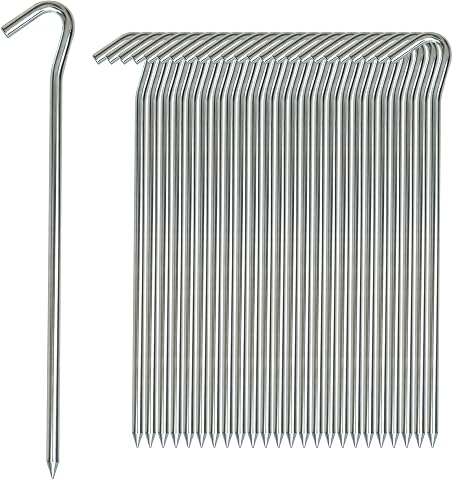
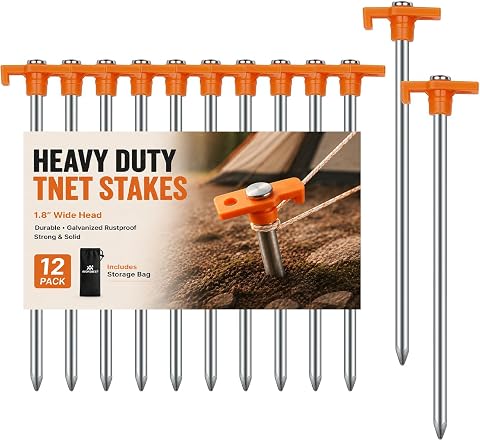
The differences hide in places spec sheets rarely show: pole material, zipper quality, floor fabric denier, seam taping, and stake thickness. Two tents can both list ‘waterproof 3000mm’ fabric while one has taped seams and aluminum poles and the other has raw seams and fiberglass. Zippers are a frequent failure point on budget tents, and a stuck zipper in rain effectively ruins the shelter. Stakes are another quietly telling detail — cheap wire stakes bend in anything firmer than soft soil. When comparing similar models, look at what is included and read construction details rather than headline claims. The budget tier in this category is genuinely serviceable for occasional use; the gap shows up in longevity and bad-weather performance, not fair-weather camping.
Are pop-up tents actually good for hiking and backpacking?
Almost never, and the pop-up 4-Person model in this roundup is ranked with that caveat front and center. Pop-up tents pitch in seconds, which makes them excellent for festivals, beach days, and car camping with kids — but they pack down into large, awkward discs that do not fit well in a backpack, and their pre-attached flexible frames handle wind poorly. They also typically weigh more per person than pole tents of the same capacity. If your trips involve walking more than a few hundred yards from the car, choose a conventional pole tent instead. The clip-setup Night Cat models offer a middle path: fast, beginner-friendly pitching in a tent that still packs like a real backpacking shelter.
How much should I spend on a lightweight camping tent?
Conclusion
The right pick here depends less on specs and more on how you travel. For most buyers, the Forceatt 2-Person 4-Season Tent is the best overall choice — it balances genuine backpacking weight, aluminum-adjacent durability, and four-season capability in one package, which nothing else in this lineup manages as cleanly. Best value goes to the Wakeman Outdoors 2-Person Tent for casual campers, and the Clostnature multi-size range for families who want one trusted design across capacities.
Beginners should start with the Night Cat Upgraded Clip-Setup Tent, whose forgiving assembly makes first trips far less frustrating, or the pop-up 4-Person Instant Tent if pitching speed matters more than carrying comfort. Solo backpackers get the best fit from the CampPal 1-Person 4-Season, the only true solo shelter in the group. If you want to spend up, the Night Cat 2-Person with aluminum poles is the premium-leaning pick for weather performance. Match the tent to your actual trips, weight tolerance, and the weather you camp in — and every option above will earn its place in your pack.
Fall Picks
fall essentials
As an affiliate, we earn on qualifying purchases.