
Practicing the “Lost Phone” drill before your trip helps you stay calm and confident if your device goes missing. You’ll learn to quickly locate, lock, or wipe your phone using tracking features, backups, and emergency contacts. Regular practice reduces travel stress by making recovery steps familiar and simple, while boosting your problem-solving skills. Keep your security measures current, so you’re prepared for any situation. If you want to discover the best ways to master this drill, there’s more to explore.

Get travel and outdoor gear delivered free with Prime
- Fast, free delivery on millions of items
- Prime Video, Amazon Music and more included
- Member-only deals all year
Key Takeaways
- Enable and test device tracking features like Find My iPhone or Find My Device before your trip.
- Simulate phone loss by disabling lock screens and practicing location tracking and remote locking.
- Confirm backups of data, photos, and messages are recent and accessible for quick recovery.
- Practice accessing emergency contacts and verify contact details are correct and easy to reach.
- Review troubleshooting steps for common issues, such as network problems or app updates, to stay calm during actual loss.
As an affiliate, we earn on qualifying purchases.
Why Practicing the Lost Phone Drill Reduces Travel Stress

Losing your phone while traveling can cause immediate panic and frustration, but practicing the Lost Phone Drill helps you stay calm and prepared. By integrating technology into your mental rehearsal, you create a realistic scenario that builds confidence. Repeated practice triggers your brain’s natural response, making it easier to stay composed when the situation occurs. This mental rehearsal strengthens your problem-solving skills and reduces uncertainty, so you’re less overwhelmed. When you simulate the experience, you familiarize yourself with potential steps to recover or replace your phone, decreasing anxiety. Understanding digital concepts involved in your device’s recovery process can further enhance your preparedness. Additionally, developing emergency response strategies ensures you are ready to act swiftly in unforeseen circumstances. Recognizing the importance of device security can also help you implement preventative measures to safeguard your data. Incorporating backup solutions into your routine ensures that you have access to critical information even if your device is lost or stolen. Practicing the drill regularly also improves your digital literacy, enabling you to navigate recovery options more effectively. Ultimately, this proactive approach trains your mind to handle the stress calmly, ensuring you’re not paralyzed by panic. Practicing this drill regularly makes travel less stressful and more manageable.
As an affiliate, we earn on qualifying purchases.
How to Set Up Your Own Lost Phone Practice
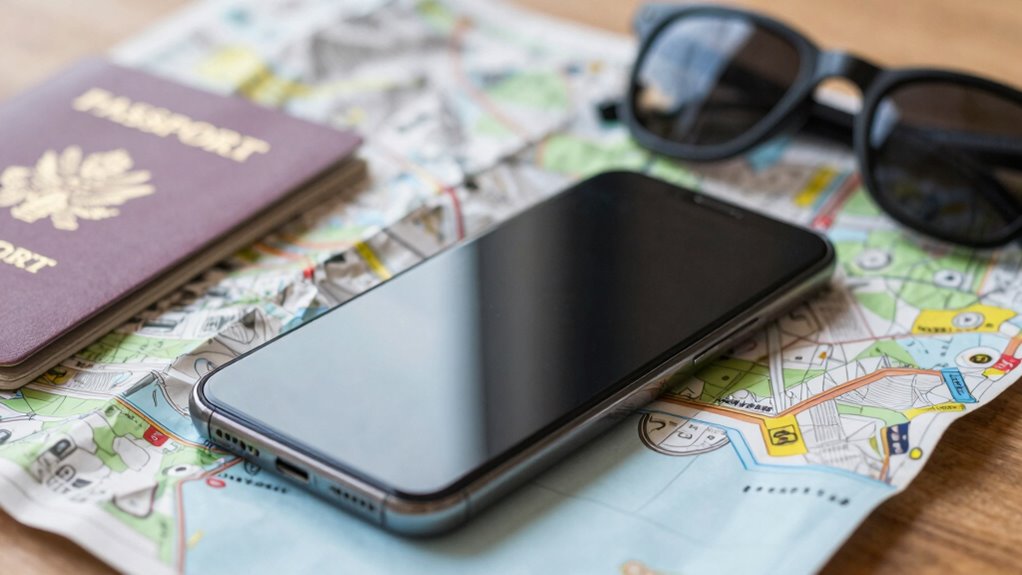
Setting up your own Lost Phone Drill is straightforward and empowers you to handle real situations with confidence. Start by configuring device tracking features on your phone, such as Find My iPhone or Find My Device. Make sure these are enabled and tested beforehand. Next, compile a list of emergency contacts, including trusted friends, family, and local authorities. Save these contacts in your phone’s emergency settings or a separate, easily accessible location. Practice simulating a lost phone scenario by disabling your device’s screen lock and attempting to locate it using your device tracking tools. Review the process of reaching out to emergency contacts if needed. Regularly updating your tracking and emergency contact information guarantees your practice remains relevant and effective. Incorporating security measures such as two-factor authentication can further prepare you for potential recovery challenges. Additionally, understanding backup procedures ensures your data remains safe and recoverable in case of loss or theft. Familiarizing yourself with the classic arcade games and pinball machines can also serve as a mental break during your practice sessions. To enhance your preparedness, consider testing your recovery process periodically to identify and address any potential issues before an actual emergency occurs. Engaging in environmental considerations like ensuring your device is protected from elements can also be beneficial during outdoor activities.
As an affiliate, we earn on qualifying purchases.
What Items to Test During Your Practice Run
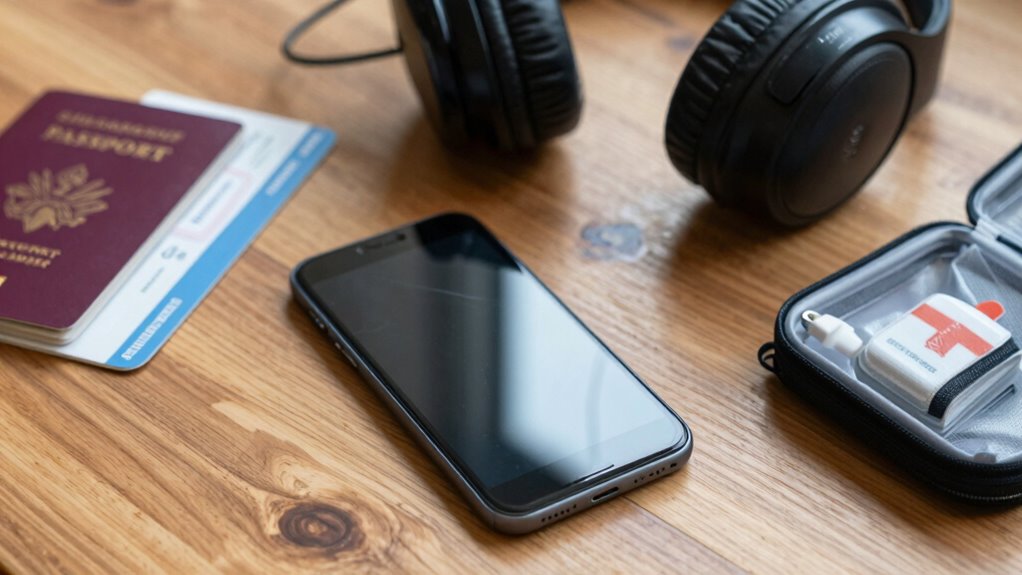
Ever wonder which aspects of your lost phone recovery process are most critical to test? Focus on verifying your phone backup to guarantee all important data, photos, and messages are safely stored elsewhere. Test that your backup is recent and accessible, so you don’t lose essential information. Next, confirm you can quickly access your emergency contacts—make sure you know who to call and that their details are correct. Practice retrieving this information from your backup or cloud account. Additionally, check that your phone’s location sharing features work properly, so you can pinpoint your device if lost. Finally, ensure you can disable or lock your phone remotely if needed. These items are key to a smooth recovery and peace of mind during your trip. Also, familiarize yourself with local resources and attractions, so you can make the most of your visit even if your phone is temporarily out of reach. For an added layer of security, consider understanding the vetted methods for floating on water, which could be useful if you find yourself near water and need to stay safe. Additionally, understanding Indonesian decor masks can inspire you to incorporate cultural elements into your travel souvenirs, adding a meaningful touch to your journey. Moreover, knowing how to test your phone’s security settings can help prevent unauthorized access if your device is lost or stolen.
emergency contact organizer for smartphones
As an affiliate, we earn on qualifying purchases.
As an affiliate, we earn on qualifying purchases.
How to Troubleshoot Common Problems During Your Practice
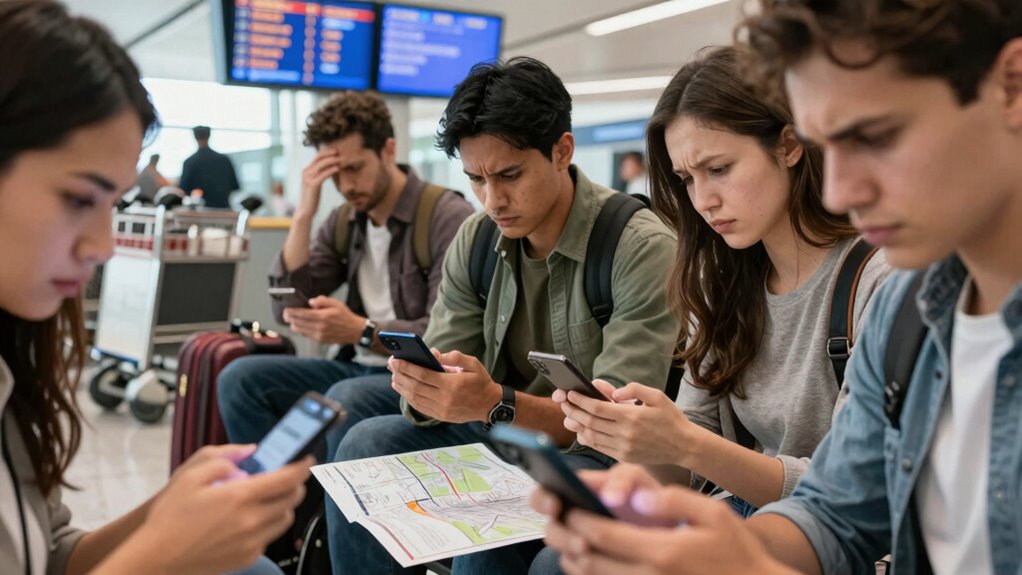
During your practice run, it’s common to encounter issues with your phone backup, location sharing, or remote locking features. When problems arise, don’t panic. Instead, try these steps:
- Check your network troubleshooting options—ensure your device has a stable internet connection to sync data and recover apps smoothly.
- Restart your phone to resolve temporary glitches affecting app recovery or feature responsiveness.
- Reinstall or update the relevant apps, making sure they’re current and functioning properly.
- Review your affiliate disclosure to understand how your data might be shared or used during troubleshooting. Incorporating knowledge of sound healing science can also help you understand if external factors like sound vibrations are influencing your device’s performance.
- Confirm that your device’s urban traffic confidence settings are optimized for your environment, as external factors can sometimes affect connectivity. Additionally, understanding content quality and topical authority can help ensure your troubleshooting efforts are supported by reliable and relevant information.
If issues persist, consult online support or device settings for more troubleshooting tips. These steps help confirm your backup and location sharing work seamlessly, so you’re prepared for real emergencies. Staying calm and methodical guarantees you’ll resolve problems quickly.
Using Your Practice to Stay Prepared for Phone Loss
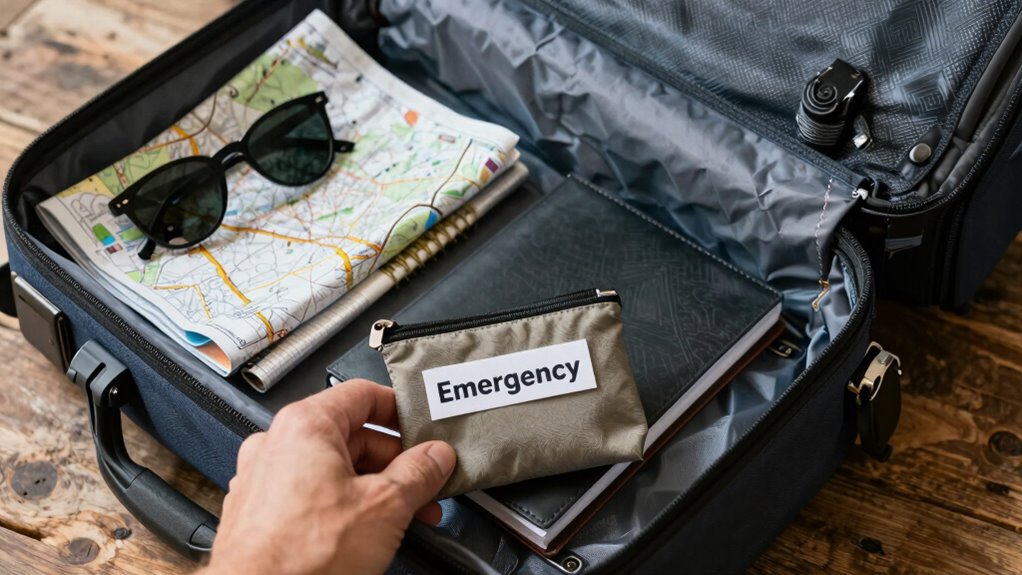
Practicing phone loss scenarios regularly helps you stay prepared for real emergencies by ensuring you know how to quickly locate, lock, or wipe your device if it goes missing. Use this practice to refine your backup plans, such as syncing data to cloud services and saving important files elsewhere. Confirm that your emergency contacts are easily accessible through multiple channels, like email or a secondary device. Familiarize yourself with tools like Find My iPhone or Find My Device, so you can act swiftly if needed. Reinforcing these steps during practice helps you avoid panic and saves valuable time. Additionally, understanding the importance of golf heritage and women’s LPGA milestones can help you make informed decisions about the tools you use. Ultimately, your preparation makes it easier to respond confidently, protect your data, and reach out to emergency contacts when every second counts.
Frequently Asked Questions
How Often Should I Practice the Lost Phone Drill?
You should practice the lost phone drill at least once a month to keep your skills sharp. Incorporate it into your routine schedule and conduct a quick frequency review to make sure you’re familiar with the steps. Regular practice helps you stay confident and prepared for real situations, making it easier to stay calm and respond effectively if your phone ever gets lost. Consistency is key to mastering this essential safety drill.
What Are Some Signs My Practice Run Wasn’T Effective?
Think of your practice run as a health check for your phone security and tech readiness. If you struggle to locate or access your backup info quickly, it’s a sign your drill wasn’t effective. You might also feel unsure about securing sensitive data or feel unprepared for real situations. These signs indicate you need to refine your process, ensuring your skills are sharp enough to handle an actual lost phone scenario confidently.
Can I Adapt This Drill for Other Electronic Devices?
Yes, you can adapt this drill for other electronic devices like tablets or laptops. Use a device detox approach to simulate losing those items and test your backup strategies. Practice turning off the device, retrieving essential information, and ensuring you have backups in place. This helps you stay prepared, reduces panic, and strengthens your overall readiness for unexpected device loss, making your trip smoother and stress-free.
What if I Lose My Phone During Actual Travel?
If you lose your phone during travel, stay calm and use your emergency contacts to get help quickly. Keep a backup plan ready, like a printed list of important numbers and travel documents. Consider sharing your itinerary with someone you trust, so they can assist if needed. Act fast by visiting local authorities or your embassy, and remember, having a plan in place makes handling the situation less stressful.
How Can I Make the Practice More Realistic?
To make your practice more realistic, treat simulated scenarios like real emergencies and immerse yourself in role-playing exercises with seriousness. Set up different situations, such as losing your phone in a busy airport or unfamiliar city, and respond as you would in real life. This helps you stay sharp and adapt quickly, because a chain is only as strong as its weakest link. The more you practice, the better you’ll be prepared.
Conclusion
Practicing the lost phone drill is like sharpening your survival knife before an adventure—you’ll handle surprises with confidence and ease. When you know exactly what to do, stress melts away, and you stay calm in real emergencies. So, take the time to run through this drill before your next trip. It’s your secret toolkit, ready to spring into action, turning chaos into control and ensuring your journey stays smooth—even if your phone takes an unexpected detour.
Halloween Picks
halloween
As an affiliate, we earn on qualifying purchases.