
Relying on “I’ll remember that” is risky because human memory is imperfect, especially in unfamiliar or stressful situations. Your brain can easily forget important landmarks, safety procedures, or directions, leading to disorientation or danger. Overconfidence in your memory can cause cognitive overload, making it harder to stay alert. To stay safe, it’s better to use external cues like maps or notes. Keep going to find out how to protect yourself when exploring new places.
Key Takeaways
- Memory lapses are common, especially in unfamiliar or stressful environments, making reliance on “I’ll remember that” unreliable.
- Cognitive overload can impair recall, leading to missed important safety details if solely dependent on memory.
- Overconfidence in memory increases risk of forgetting safety procedures, landmarks, or emergency contacts.
- External safety tools like maps or notes provide tangible backup, reducing reliance on imperfect memory.
- Preparing and familiarizing oneself with safety information minimizes cognitive load and enhances safety during trips.

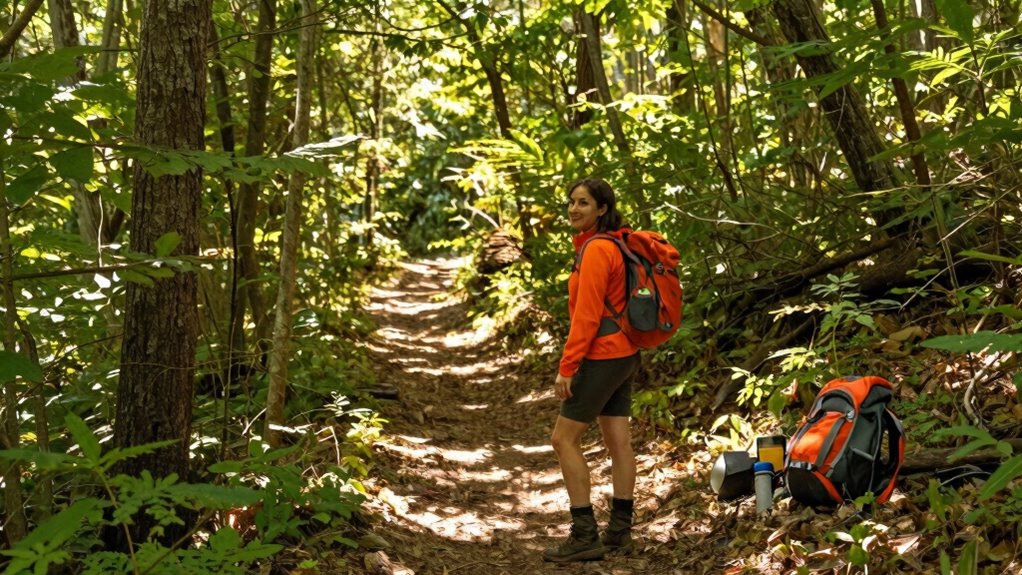
Have you ever thought, “I’ll remember that” when exploring unfamiliar places? It feels natural to trust your memory, especially when you’re excited or distracted. But relying solely on your ability to recall details can be risky. Memory lapses are more common than you think, especially when you’re in a new environment. The brain can become overwhelmed, leading to cognitive overload — a state where your mind struggles to process and store new information. When this happens, important details about landmarks, directions, or safety procedures can slip away, leaving you vulnerable to getting lost or missing essential safety cues.
Thinking you’ll remember everything creates a false sense of security. In unfamiliar surroundings, your brain is under constant pressure to filter and prioritize information. This can cause you to forget key landmarks or safety instructions, especially if you’re distracted by the sights, sounds, or even your own thoughts. Cognitive overload intensifies this problem, making it harder to concentrate and retain details. Even if you’re confident now, your memory might falter when you’re tired, stressed, or anxious. Relying solely on memory is risky because it’s imperfect and vulnerable to these lapses.
Trusting memory alone is risky; distraction and stress can cause key details to slip away. Use external tools for safety.
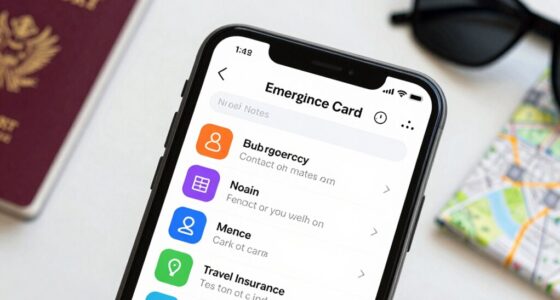
Instead of trusting your memory, it’s smarter to adopt tangible safety strategies. Use maps, GPS apps, or written notes to guide you. Mark your location on a map or save important addresses on your phone. When exploring, keep a picture of your surroundings or notable landmarks to help orient yourself if you get disoriented. Always inform someone of your plans or check-in regularly, especially if you’re in unfamiliar territory. These steps provide concrete backup in case your memory fails. Incorporating external cues can help alleviate the risk of cognitive overload and memory lapses, ensuring you stay oriented. Additionally, understanding the limitations of memory can help you develop more effective safety habits.
Furthermore, familiarize yourself with local safety tips before setting out. Knowing emergency numbers, safe routes, or common hazards can be invaluable. Relying on external cues rather than memory reduces cognitive overload since your brain isn’t burdened with trying to remember everything. Think of it as creating a safety net — if your memory lapses, you’ve already prepared tools and strategies to keep yourself safe. Being aware of cognitive overload helps you understand why relying solely on memory can be unreliable. Also, understanding how memory processes function can help you recognize when your recall might be compromised and when to use alternative strategies.
As an affiliate, we earn on qualifying purchases.
Frequently Asked Questions
How Can Travelers Improve Their Safety Awareness Effectively?
You can improve your safety awareness by actively practicing situational awareness and conducting risk assessments during your trip. Stay alert to your surroundings, note potential hazards, and avoid distractions like phones. Trust your instincts and evaluate risks before engaging in activities. By staying present and aware, you’ll better anticipate dangers, make safer decisions, and respond effectively to unexpected situations, ensuring a more secure and enjoyable travel experience.
What Alternative Safety Strategies Are Recommended for Trips?
You should adopt proactive safety strategies like conducting regular risk assessments and staying aware of your surroundings. Personal safety depends on planning ahead, such as sharing your itinerary with trusted contacts and carrying essential safety tools. Instead of relying on memory, use checklists or apps to keep track of safety precautions. These practices help you respond quickly to potential hazards, ensuring you stay safe throughout your trip.
How Does Memory Impact Safety in Unfamiliar Environments?
Memory’s a tricky friend, often hiding behind cognitive biases like overconfidence, making you think you’ll remember every detail. In unfamiliar environments, memory lapses can lead to overlooked hazards or missed cues, putting you at risk. Relying solely on memory is like walking a tightrope with a broken safety net. Instead, stay alert, use external cues, and double-check your surroundings—your safety depends on it, not just what’s in your mind.
Are There Specific Situations Where “I’Ll Remember That” Might Be Risky?
In certain situations, relying on “I’ll remember that” can be risky, especially when memory lapses occur or cognitive biases cloud judgment. If you encounter unfamiliar or high-pressure environments, you might forget essential safety details. You could also assume you’ll recall important information later, but stress or distraction hampers your memory. It’s safer to take notes or double-check instead of trusting your memory alone, reducing the risk of oversight.
What Role Does Technology Play in Trip Safety?
Technology takes a pivotal part in trip safety, but overreliance can cause chaos. Tech reliance on smartphones and GPS can lead to digital distraction, diverting your attention from the road or surroundings. You might miss critical cues or warnings, increasing risk. To stay safe, balance tech use by setting boundaries, turning off notifications, and keeping your focus sharp. Remember, technology should assist, not replace, your awareness and vigilance.
portable travel map with landmarks
As an affiliate, we earn on qualifying purchases.
As an affiliate, we earn on qualifying purchases.
Conclusion
Relying on “I’ll remember that” is like counting on a candle in a storm—sure to flicker and fade. Just as Icarus underestimated the sun, trusting memory alone can lead you into trouble. Instead, arm yourself with checklists, preparation, and awareness. Don’t let complacency be your Achilles’ heel. Stay vigilant, because in the unpredictable theater of travel, it’s better to be safe than to wish you’d remembered.
As an affiliate, we earn on qualifying purchases.
As an affiliate, we earn on qualifying purchases.