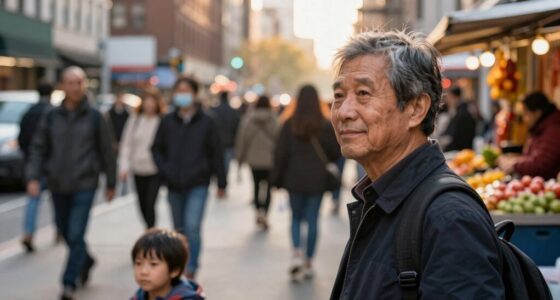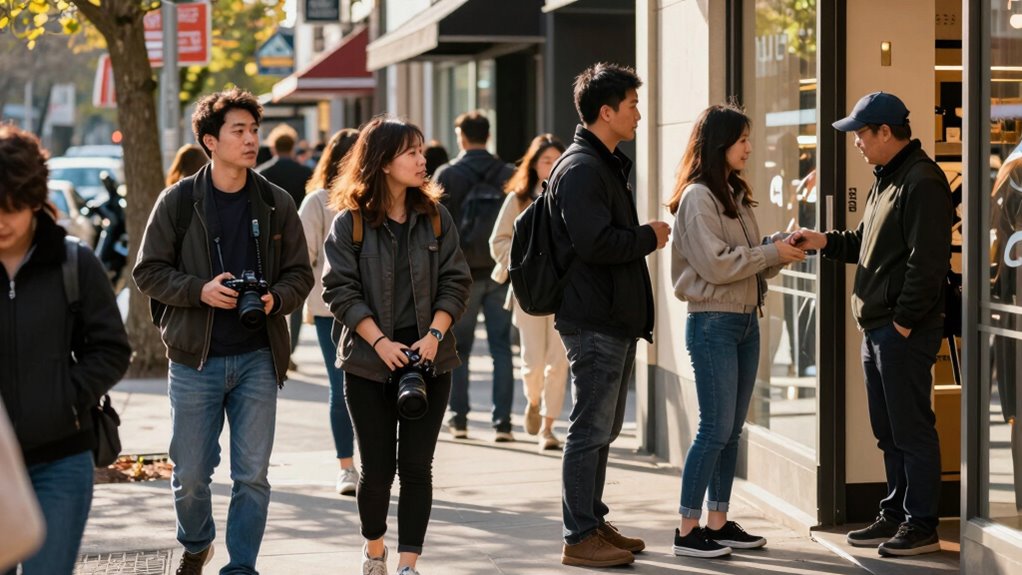

To stay respectful in street photography, you need to understand privacy rights and recognize private property boundaries. Always ask permission before photographing people, especially in sensitive situations or cultural sites. Approach others politely and gauge their comfort level through body language. Avoid sneaky shots and respect personal space. Being aware of local laws, customs, and cultural norms helps prevent misunderstandings. If you keep these principles in mind, you’ll capture authentic moments respectfully—and there’s more to learn for responsible street shooting.

Get travel and outdoor gear delivered free with Prime
- Fast, free delivery on millions of items
- Prime Video, Amazon Music and more included
- Member-only deals all year
Key Takeaways
- Respect privacy and private property boundaries; seek permission when necessary, especially with individuals or sensitive locations.
- Understand and adhere to local laws and cultural norms to ensure respectful and lawful photography.
- Approach people politely, gauge their comfort, and always ask for permission before taking their photo.
- Avoid surreptitious or invasive photography; prioritize transparency and trust-building.
- Research cultural sensitivities and follow local cues to prevent misunderstandings and show respect.
street photography permission sign
As an affiliate, we earn on qualifying purchases.
As an affiliate, we earn on qualifying purchases.
Why Privacy Matters in Street Photography
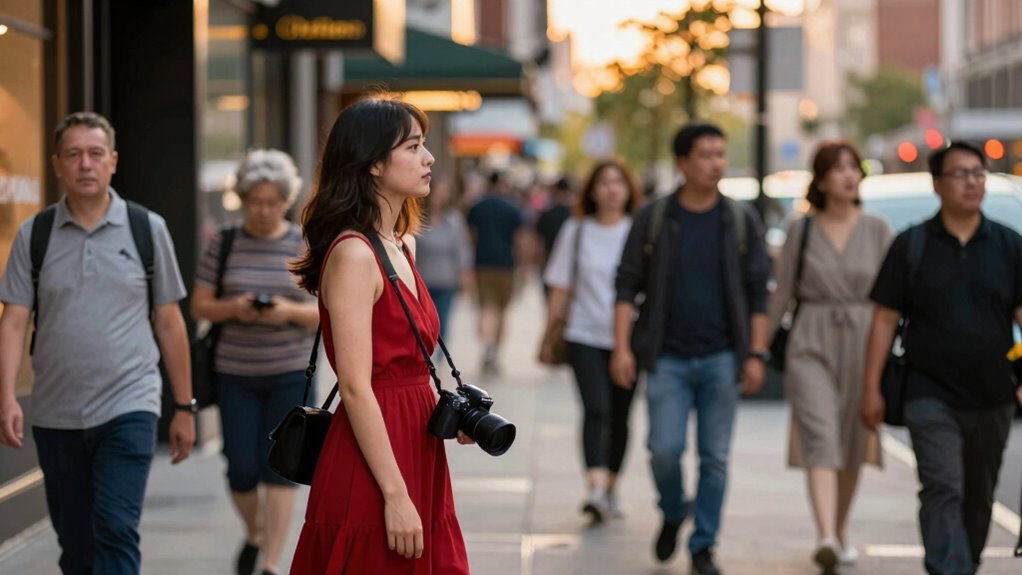
Privacy is a fundamental concern in street photography because capturing someone’s image without their consent can feel invasive or disrespectful. Respecting personal boundaries is essential to maintain trust and avoid making others uncomfortable. When you photograph people in public, consider their privacy concerns, especially in sensitive situations or private moments. Even in public spaces, individuals have a reasonable expectation of personal space, and crossing those boundaries can be seen as intrusive. Being mindful of how and when you photograph helps you stay ethical and respectful. Recognizing that everyone has different comfort levels ensures you don’t unintentionally offend or violate someone’s sense of privacy. By respecting personal boundaries, you create images thoughtfully and ethically, fostering a more respectful approach to street photography. Additionally, understanding the privacy implications of your images can help you navigate ethical dilemmas more effectively. Developing awareness of digital safety practices can further protect both your subjects and yourself in the process. Practicing ethical photography also involves considering how your images might be used or shared in the future. Moreover, aligning your photography practices with energetic alignment principles can help you maintain a positive and respectful mindset throughout your work. Being aware of cultural sensitivities can also guide you in avoiding misunderstandings or offense when photographing diverse communities.
As an affiliate, we earn on qualifying purchases.
Legal Boundaries and When to Ask Permission
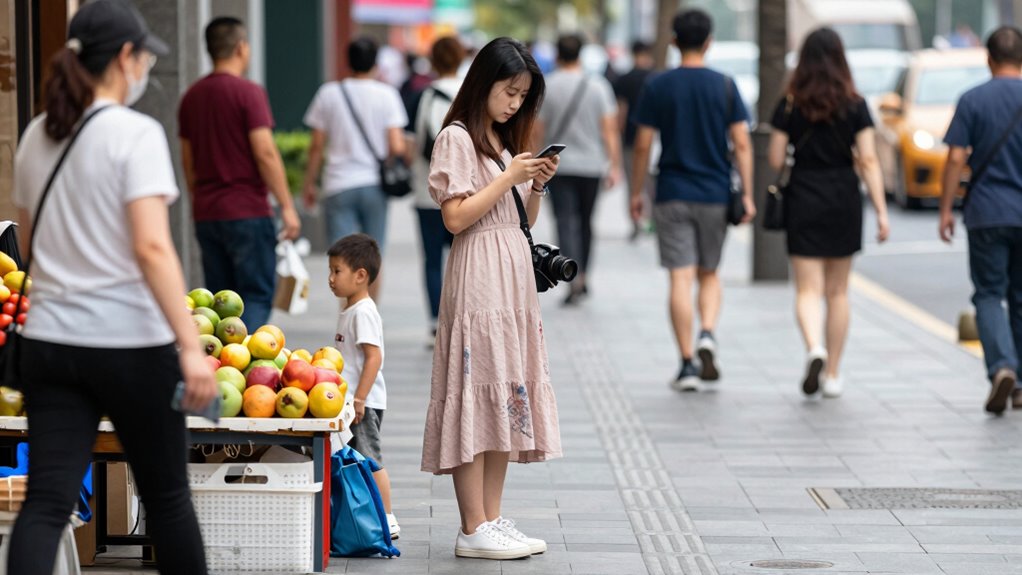
You need to know the local laws that govern street photography to stay within legal boundaries. Recognize when you’re on private property and respect signs or restrictions. If in doubt, it’s best to ask permission before photographing someone or a private space to avoid issues later. Understanding legal boundaries and when to seek consent can also help you adapt your approach to different situations and respect cultural norms. Familiarizing yourself with privacy policies can also be useful when photographing diverse communities to ensure respectful representation. Additionally, being aware of electric bike regulations in certain areas can prevent unintentional violations while navigating urban environments.
Understand Local Laws
Understanding local laws is essential before taking photos in public spaces, as legal boundaries can vary widely between locations. You need to know your legal rights and restrictions to avoid trouble or infringing on others’ privacy. Some places have strict rules about photographing certain areas or individuals, while others are more lenient. Research local regulations beforehand, especially if you’re planning to shoot in sensitive or high-profile locations. When in doubt, it’s best to ask for permission or avoid taking photos that could be considered intrusive. Respect for the law not only keeps you out of legal trouble but also shows respect for the people you photograph. Being aware of local laws helps you capture authentic moments while maintaining ethical standards. Additionally, understanding vetted equipment options can enhance your ability to photograph responsibly and effectively within legal guidelines. Familiarizing yourself with privacy considerations can also help you avoid unintentional violations and ensure respectful interactions with subjects. Paying attention to body jewelry measurements and materials can also be important if photographing subjects with piercings, as respecting personal adornments is part of cultural sensitivity and ethical photography practices. Practicing ethical cultural sensitivity further ensures that your photography respects local customs and traditions.
Recognize Private Property
Recognizing private property boundaries is a key aspect of ethical street photography. While public spaces invite spontaneous shots, private property requires respect. You should be aware of signs, fences, or barriers indicating private land. When in doubt, it’s best to ask permission to avoid trespassing. Visualize a 3×3 grid where each square illustrates different environments: a bustling street, a quiet courtyard, and a storefront. These images help you distinguish public space from private property. Public spaces like sidewalks and parks are fair game, but private properties—residential yards, business entrances—demand caution. Respect boundaries to maintain trust and avoid legal issues. Remember, knowing where public ends and private begins keeps your street photography ethical and respectful. Additionally, understanding private property rights can help you navigate these boundaries more confidently. Being familiar with local regulations and photography laws can further protect you from unintentional violations. Familiarity with local regulations also helps you adapt to different community standards and avoid misunderstandings. For example, awareness of specific public vs. private space distinctions in certain areas ensures respectful and lawful photography practices. Staying informed about property restrictions can prevent potential conflicts while capturing compelling images.
When to Seek Permission
Knowing when to seek permission is essential to staying within legal boundaries and respecting people’s rights. Model courtesy helps you gauge the right permission timing, ensuring you don’t intrude on someone’s personal space or moment. Here are three key situations to think about:
- When photographing minors or vulnerable individuals, always ask for permission first. This respects their privacy rights and helps you avoid potential legal issues.
- If your shot involves private property or settings, seek permission before taking photos.
- In candid street scenes, use your judgment—if someone appears uncomfortable, it’s best to ask for permission afterward. Being mindful of HRV insights can also help you recognize when a subject may be more receptive to being photographed.
- Remember that feature Buddies can also reflect your respect for others’ privacy and comfort when capturing images in public spaces, especially when considering filtration and pump protection practices that ensure your equipment functions smoothly during extended shooting sessions.
compact street photography camera
As an affiliate, we earn on qualifying purchases.
As an affiliate, we earn on qualifying purchases.
How to Respectfully Approach People on the Street
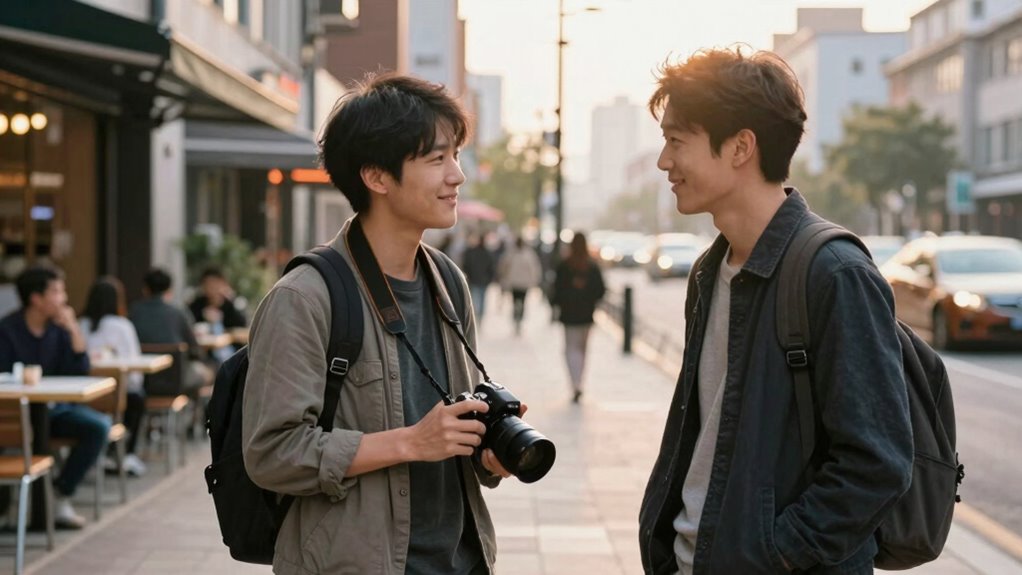
When approaching someone on the street, start by observing their body language to gauge their comfort level. Always ask for permission before taking a photo, and be mindful of maintaining respectful personal space. Showing genuine respect helps create a positive interaction and preserves your integrity as a photographer. Additionally, being aware of the support breakfast options available in the area can foster friendly conversations and help build rapport. Recognizing the importance of natural settings, such as parks or gardens, can also make your subject feel more at ease during your interaction. Understanding personal boundaries is essential to ensure your approach remains considerate and respectful.
Gauge Comfort Levels
Approaching people on the street requires sensitivity, as not everyone is comfortable being photographed or even approached by strangers. To respect personal boundaries, you need to gauge their comfort levels carefully. Pay attention to body language—if someone looks uneasy or avoids eye contact, it’s a sign to back off. Here are three ways to do this:
- Observe facial expressions and posture for signs of discomfort.
- Take a step back if they seem hesitant or unsure.
- Start with a friendly smile or nod to build rapport before engaging further.
Ask for Permission
How can you guarantee you’re respecting someone’s boundaries when taking their photo? The key is asking for permission. Approach the person politely and explain your intent. If they agree, consider having a model release ready, especially if you plan to use the image commercially. This document formalizes their consent and protects both parties. If they decline, respect their decision without argument or pressure. Remember, not everyone feels comfortable being photographed, and their comfort is more important than capturing a perfect shot. Being transparent and respectful fosters trust and ensures you maintain ethical standards. Using consent forms when appropriate also shows professionalism and respect for personal rights. Always prioritize consent over a shot, and you’ll navigate street photography ethically and respectfully.
Respect Personal Space
Respecting personal space is fundamental to maintaining ethical street photography. When approaching someone, consider their comfort and cultural sensitivity to personal boundaries. Here are three tips to help you do this respectfully:
- Observe body language—if someone steps back or avoids eye contact, give them space.
- Approach gently—keep your distance and avoid sudden movements or intrusive gestures.
- Ask permission when possible—a simple, respectful request shows consideration for their personal space and cultural norms.
cultural sensitivity photography guide
As an affiliate, we earn on qualifying purchases.
As an affiliate, we earn on qualifying purchases.
Common Ethical Mistakes to Avoid When Shooting Candidly
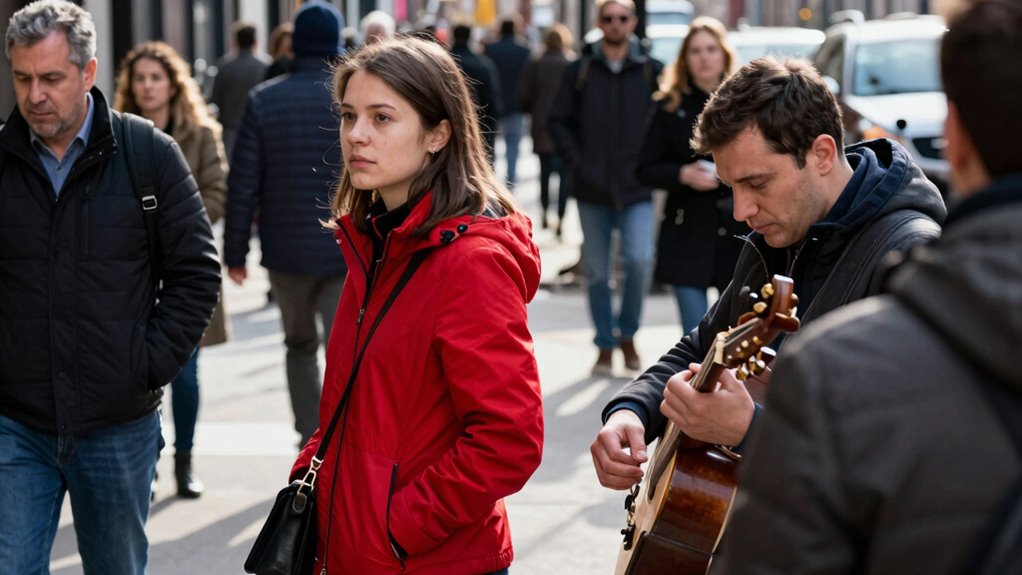
While candid street photography can capture authentic moments, it’s easy to make ethical mistakes that can harm the people you’re photographing. One common error is surreptitious shooting, where you secretly take photos without consent. This approach can feel invasive and violate trust, especially if you’re exploiting vulnerabilities or capturing sensitive moments. Avoid sneaky tactics that make others uncomfortable or vulnerable. Instead, focus on being transparent when possible, or respect people’s right to privacy. Remember, just because you can capture a shot doesn’t mean you should. Respecting personal boundaries and avoiding invasive techniques helps maintain ethical standards and keeps your work respectful. Being mindful of these mistakes ensures you preserve trust and integrity in your street photography.
Respecting Cultural Norms in Different Environments
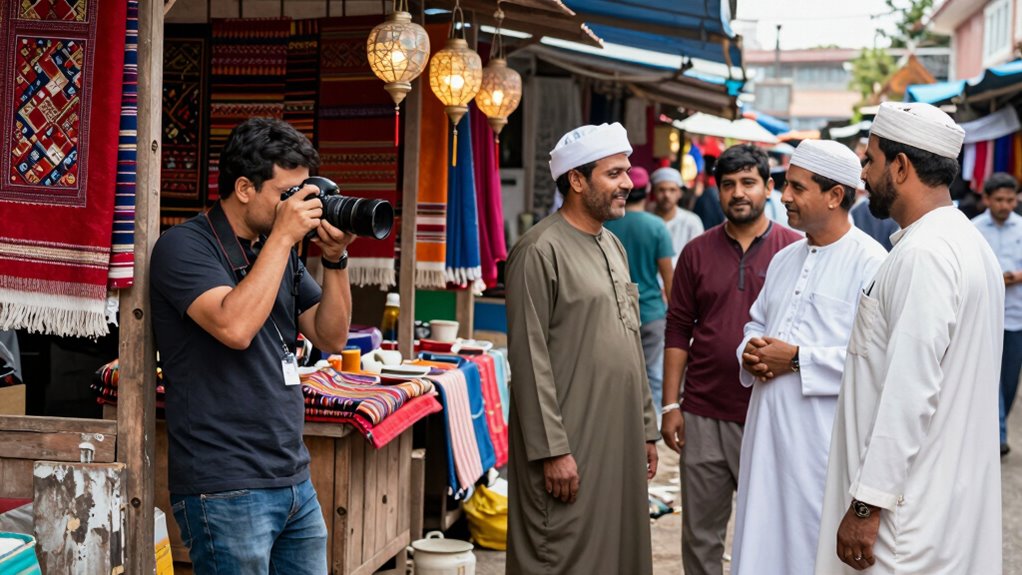
When photographing in diverse cultural settings, being aware of local customs and social norms is essential. Showing cultural sensitivity helps you avoid misunderstandings and respects the community’s values. Your social awareness demonstrates respect and builds trust with your subjects. To do this effectively:
- Research local customs beforehand to understand what’s appropriate and what’s not.
- Observe how locals behave and follow their lead, especially regarding dress and gestures.
- Always ask for permission when capturing sensitive or religious sites to honor their traditions.
What to Do If Someone Feels Uncomfortable or Confronts You?
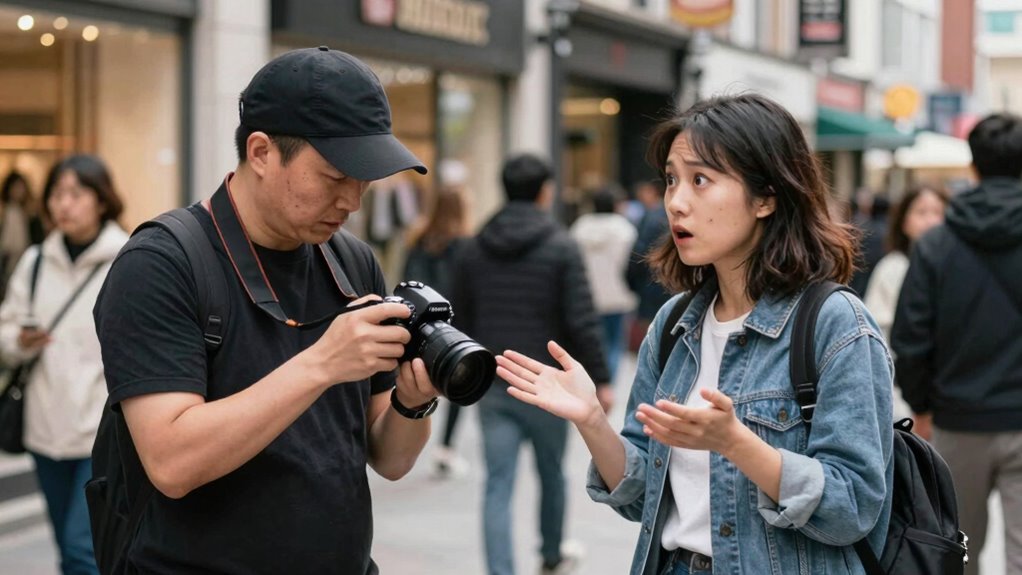
If someone feels uncomfortable or confronts you while you’re photographing, it’s important to stay calm and respectful. Respond gently, listen to their concerns, and avoid escalation. Sometimes, a confrontation de escalation can prevent the situation from worsening. Use clear communication to address privacy conflict resolution: acknowledge their feelings and offer to stop or move away if needed. Remember, respecting their boundaries maintains trust and avoids legal issues. Keep in mind these strategies:
| Situation | Your Response |
|---|---|
| Person asks you to stop | Respect their wishes promptly and calmly. |
| Confrontation escalates | Stay composed, listen, and consider disengaging. |
| Privacy concerns raised | Apologize sincerely and remove the subject if necessary. |
| No resolution possible | Walk away to de-escalate and prevent further conflict. |
Sharing and Editing Photos Responsibly and Respectfully
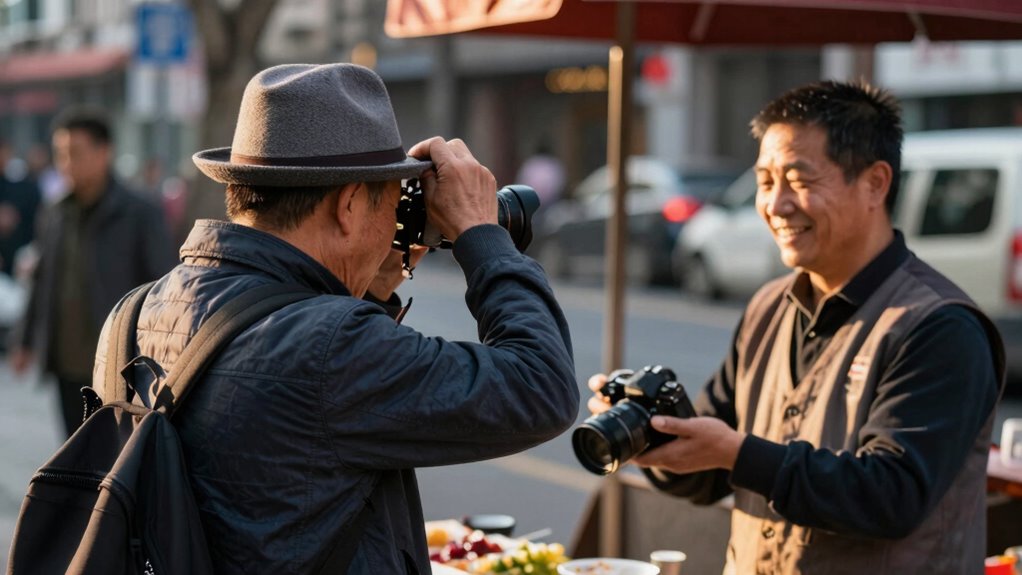
Sharing and editing photos responsibly and respectfully guarantees that you honor the privacy and dignity of your subjects. When you engage in photo editing, avoid altering images in ways that misrepresent or distort someone’s true appearance. For photo sharing, always consider whether the person would be comfortable with their image being public, especially if it’s personal or sensitive. Here are three key points to keep in mind:
- Respect the subject’s wishes—if someone asks you to remove or not share their photo, honor that request.
- Avoid invasive edits that could embarrass or harm the subject’s reputation.
- Share images with context that respects the person’s dignity and avoids misinterpretation.
Balancing Artistic Freedom With Ethical Responsibility
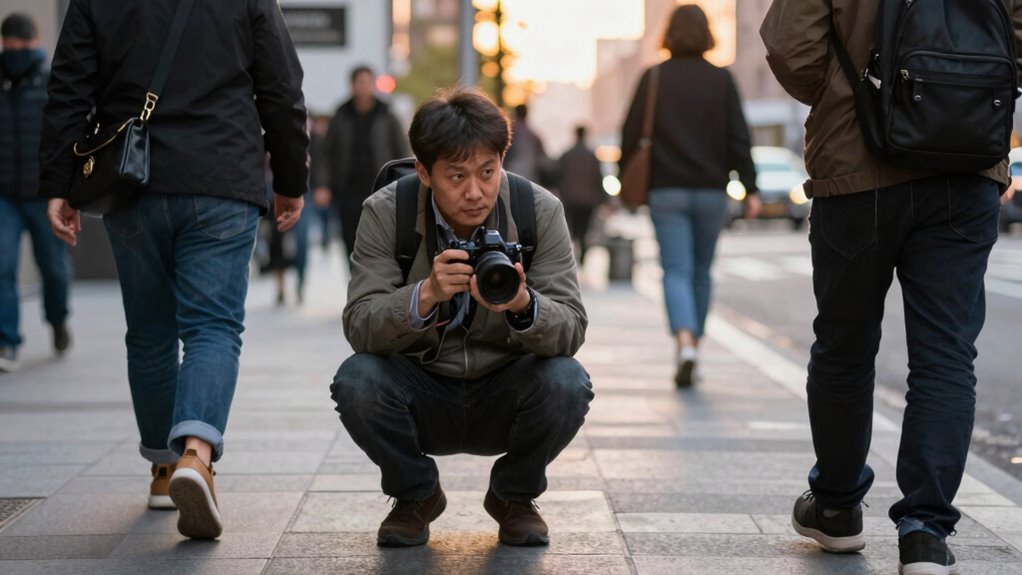
Balancing artistic freedom with ethical responsibility requires you to recognize that your creative expression should never come at the expense of your subjects’ dignity or privacy. The importance of obtaining consent can’t be overstated, especially when capturing intimate or vulnerable moments. Respectful street photography also involves cultural sensitivity—understanding and honoring the customs and norms of the community you’re photographing. You should consider how your images might impact your subjects, avoiding exploitation or misrepresentation. Striking this balance means being mindful of your artistic goals while prioritizing respect and ethical standards. Remember, your creativity should enhance, not harm, the people and environments you photograph, ensuring your work remains respectful and meaningful.
Creating Your Personal Code of Conduct for Ethical Street Photography
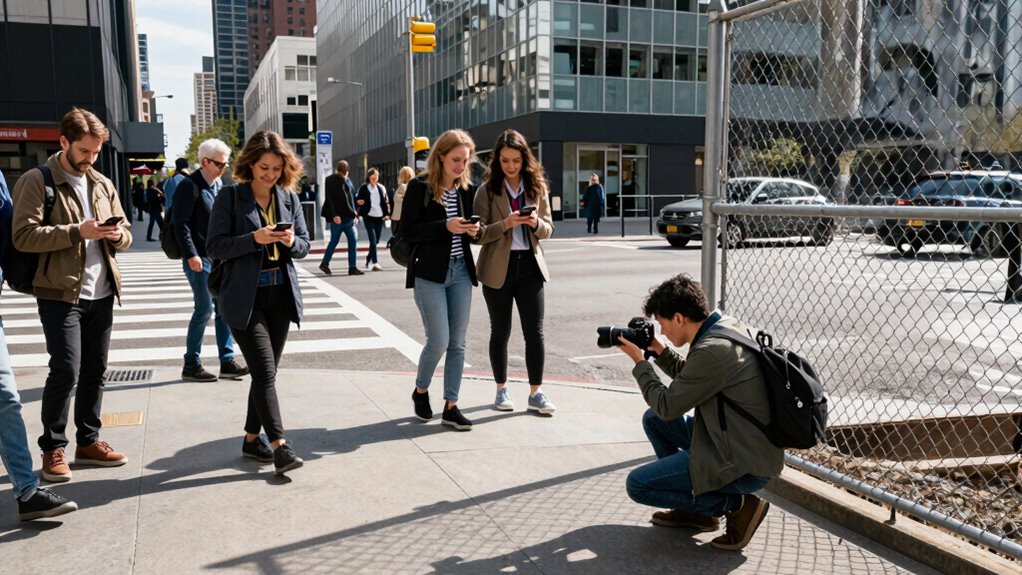
Creating your personal code of conduct for ethical street photography is essential to guarantee your work respects the people and communities you photograph. It helps you navigate consent considerations and cultural sensitivities, ensuring you’re respectful and responsible. To develop this code:
Develop a personal ethical code to respect communities and ensure responsible street photography.
- Always consider whether subjects would be comfortable with your photos, respecting their privacy and seeking consent when appropriate.
- Be aware of cultural sensitivities, avoiding images or behaviors that could offend or misrepresent communities.
- Prioritize empathy over capture, remembering that your images should uplift rather than exploit or harm the people you photograph.
Frequently Asked Questions
How Can I Photograph Sensitive Subjects Without Causing Harm?
When photographing sensitive subjects, you should prioritize consent considerations and respect privacy boundaries. Always ask for permission if possible, especially in private or personal situations, and be transparent about your intentions. Stay aware of how your images might impact those you’re photographing, avoiding intrusive or exploitative shots. By respecting boundaries and considering the potential harm, you guarantee your work remains ethical and respectful while capturing meaningful moments.
What Are the Best Ways to Handle Refusals Politely?
When someone politely refuses, you respond with respectful communication by saying thank you and respecting their decision. You can acknowledge their choice with a friendly smile, showing appreciation for their honesty. It’s important to handle refusals gracefully, maintaining a calm and polite tone. This approach fosters trust and keeps interactions positive, ensuring you stay respectful and considerate, even when faced with a polite refusal.
How Do Cultural Differences Influence Street Photography Ethics?
Cultural differences considerably influence street photography ethics by shaping what’s considered respectful or intrusive. You should be aware of cultural sensitivities to avoid offending people or violating local norms. Always research the community’s customs and practices, and be mindful of ethical considerations, like asking for permission when necessary. Respecting these cultural nuances helps you capture authentic moments while maintaining respect and avoiding misunderstandings.
Is It Acceptable to Photograph Children Without Permission?
You shouldn’t photograph children without permission, as it’s like capturing a delicate butterfly without asking. Respect their privacy concerns and always seek model consent, especially with minors. Their innocence deserves protection, and invading their space can cause harm. When in doubt, ask a parent or guardian first—your camera can wait. By respecting these boundaries, you honor their dignity and keep your photography ethically sound.
How Can I Build Trust With Communities I Photograph?
You can build trust with communities by engaging in genuine community engagement and practicing respectful consent practices. Talk to locals beforehand, explain your intentions, and listen to their concerns. Show respect for their space and culture, and be transparent about how you’ll use the photos. When people see you’re considerate and honest, they’ll feel more comfortable, helping you create authentic images while maintaining ethical relationships.
Conclusion
Remember, your camera is a bridge, not a barrier. By respecting privacy, seeking permission, and honoring cultural norms, you create a world where your images tell stories without overshadowing the people behind them. Ethical street photography isn’t just about rules—it’s about building trust and empathy. Keep your conscience as your compass, and let your work reflect the respect and kindness you wish to see in the world.
Halloween Picks
halloween
As an affiliate, we earn on qualifying purchases.