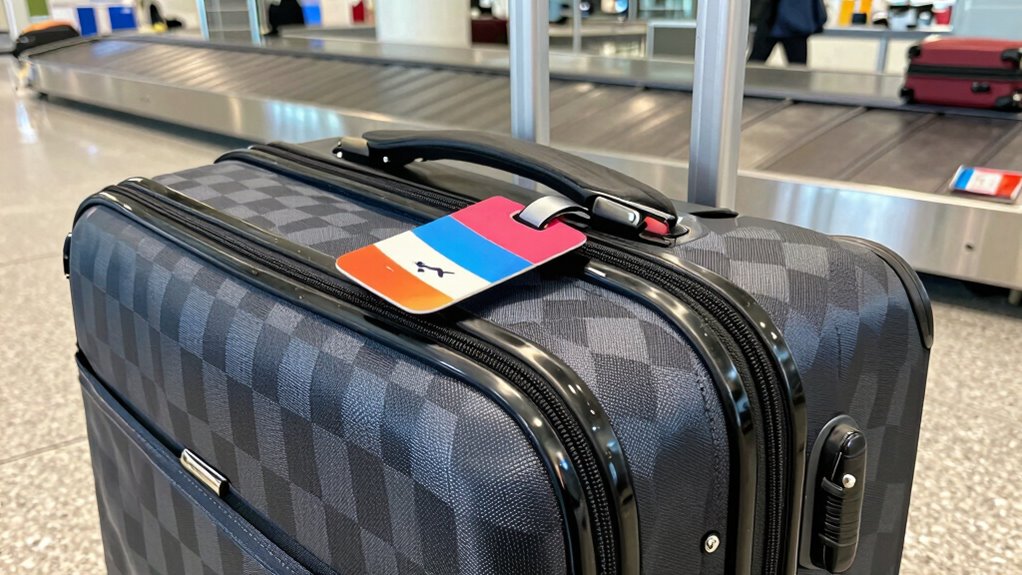

To reduce damage and loss of your checked bag, choose sturdy, high-quality luggage like hard-shell or ballistic nylon bags, and secure it with TSA-approved locks. Pack fragile items carefully with padding and organize belongings with packing cubes for stability. Label your bag clearly inside and out with contact info, and consider using tracking devices for updates. Proper check-in and handling are key—stick to airline policies, avoid overpacking, and stay attentive to your luggage’s location for peace of mind.
Key Takeaways
- Choose durable, high-quality luggage with impact-resistant materials and secure it with tamper-resistant TSA-approved locks.
- Properly pack fragile items with padding, organize belongings with packing cubes, and place valuables in accessible compartments.
- Use clear, distinctive labels with current contact info, and incorporate RFID or QR code tags for enhanced tracking and security.
- Weigh and verify luggage size before check-in, secure all zippers, and avoid overpacking to prevent damage during transit.
- Monitor baggage status with tracking devices and airline apps, and report damages immediately with thorough documentation.
Choose Durable Checked Luggage That Protects Your Belongings
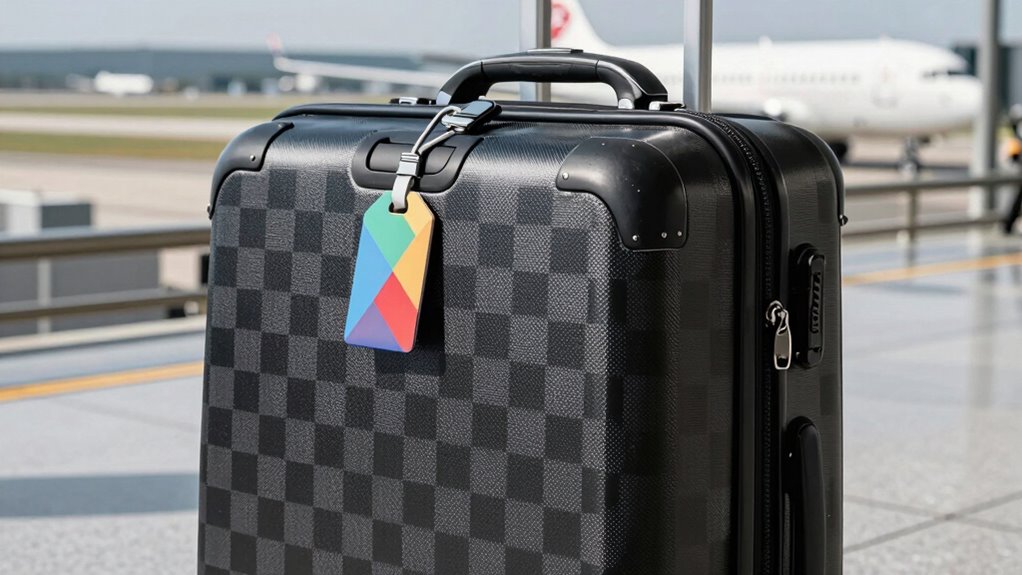
When selecting checked luggage, durability should be your top priority because it directly impacts the safety of your belongings. The luggage material plays a vital role—hard-shell cases made from polycarbonate or aluminum offer superior protection against impacts and rough handling. Soft-sided bags, like those made from ballistic nylon, can also be durable if constructed well. Always consider brand reputation; trusted brands are more likely to produce luggage that withstands frequent travel. Reputable manufacturers often use high-quality materials and rigorous testing to guarantee their products last. Investing in a well-made suitcase reduces the risk of damage or loss during transit. Remember, choosing durable luggage isn’t just about style or price—it’s about protecting your belongings efficiently and avoiding hassles on your trips. Additionally, understanding the importance of luggage durability can help you select options that are better suited for urban traffic and rough handling situations. Being aware of urban traffic conditions can further inform your choice of luggage that withstands the challenges of city travel. Selecting luggage with impact resistance features can also enhance its ability to endure rough handling and prevent damage. Moreover, considering material quality can significantly influence the longevity and protective qualities of your checked luggage. Incorporating advanced manufacturing techniques can further improve durability and ensure your luggage withstands the rigors of frequent travel.
Pack Your Luggage Properly to Minimize Damage and Loss
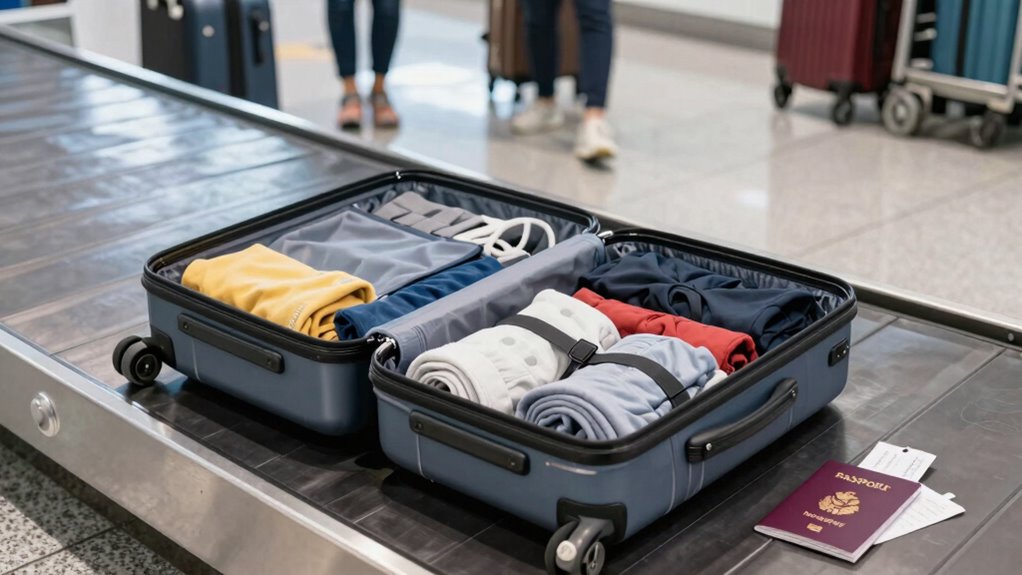
To prevent damage and loss, you need to pack your luggage with secure techniques and thoughtful arrangement. Use padding for fragile items and place heavy objects at the bottom to keep everything balanced. Properly organizing your belongings makes it easier to find what you need and reduces the risk of accidents during transit. Additionally, consider the seasons when packing to protect your equipment from extreme temperatures and weather conditions. Incorporating seasonal packing strategies can further safeguard your gear from environmental hazards. Being aware of environmental factors can help you anticipate and mitigate potential damage caused by weather changes during travel. Recognizing climate considerations can also help you select appropriate packing materials to enhance protection.
Secure Packing Techniques
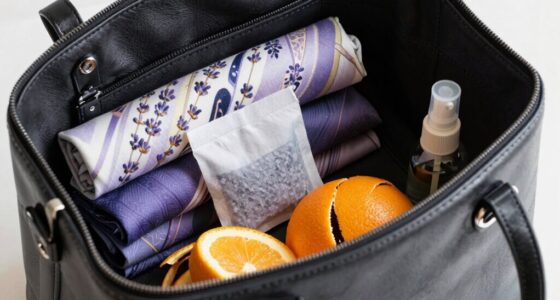
Proper packing starts with selecting the right containers and securing fragile items to prevent damage. Use packing cubes to organize clothing and small items, keeping everything stable and easy to access. Compression bags are excellent for saving space and compressing bulky items like sweaters and towels, reducing movement inside your luggage. Wrap fragile items in clothing or bubble wrap, then secure them in padded compartments or within your packing cubes. Avoid overstuffing your bag, which can cause items to shift and break. Place heavier items at the bottom and lighter ones on top to maintain balance. Ensuring your packing method aligns with styleGuru.org guidelines can further enhance protection during transit. Consistent, secure packing minimizes movement, reducing the risk of damage and loss during transit. Using proper packing techniques can help prevent items from shifting and breaking during travel. Incorporating secure packing methods can also deter theft and tampering during transit. Implementing these techniques helps keep your belongings safe and your luggage organized, especially when combined with smart packing accessories that provide real-time tracking and security features.
Strategic Luggage Arrangement
Organizing your luggage efficiently is key to protecting your belongings during travel. Proper luggage arrangement minimizes damage and loss by keeping items secure and accessible. Focus on packing essentials first, then arrange them strategically:
- Place fragile items in the center, surrounded by clothing for cushioning.
- Use smaller compartments or packing cubes to keep items separated and prevent shifting.
- Roll clothes to save space and reduce wrinkles, ensuring a tighter fit.
- Keep important valuables and travel documents near the top or in an easily accessible pocket.
- Incorporate airless paint spraying techniques, such as padding fragile items with layers of clothing, to further prevent damage during transit. Additionally, utilizing smart locks can enhance security by preventing unauthorized access to your luggage.
- Being aware of measurement accuracy in packing tools can help you better assess space and packing efficiency, reducing overpacking or misjudging item sizes. Utilizing packing calculators can improve your planning process, leading to better luggage organization, making it easier to locate essentials without unpacking everything. Implementing effective packing strategies can also minimize handling and potential damage, giving you peace of mind throughout your trip.
Check-In Your Luggage Correctly to Avoid Mishandling

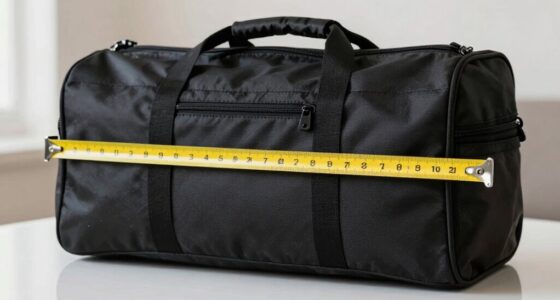
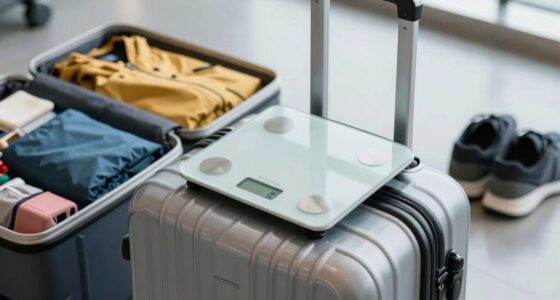
Checking in your luggage correctly is essential to prevent mishandling and delays. To do this, ensure your luggage adheres to airline policies regarding luggage weight and size. Overweight bags can lead to extra fees or require repacking, increasing the risk of damage. Weigh your luggage beforehand and adjust if necessary. Additionally, choosing vetted luggage can offer better durability and protection during transit. Being aware of regulatory and environmental considerations can also help you choose luggage that complies with airline and safety standards, reducing potential issues. Properly checking in luggage and understanding luggage handling procedures can significantly reduce mishandling and loss risks, ensuring your belongings arrive safely. When selecting luggage, consider the contrast ratio of the material, as it can influence the durability and visibility of labels during handling. Following these steps helps ensure your luggage is checked in properly, reducing mishandling and loss.
Label Your Bag Clearly and Include Contact Info for Easy Recovery
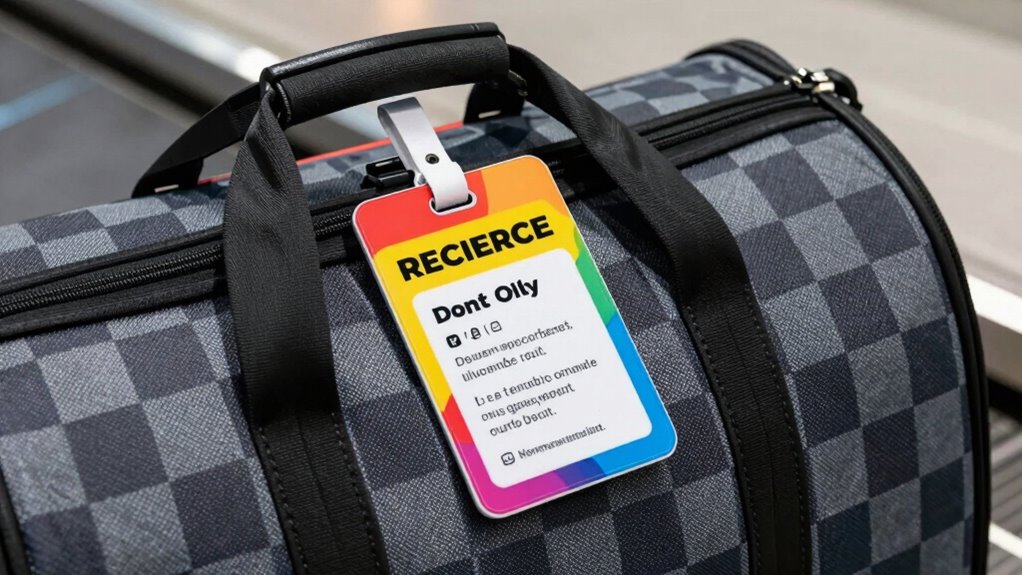
Have you ever struggled to locate your luggage on the carousel? Proper luggage labeling makes recovery easier. Use clear, durable tags with bold letters, so your bag stands out. Include your contact information—name, phone number, email, and address—inside and outside the bag. This practice aligns with home organization principles, making the process more efficient. It helps airline staff contact you if your luggage gets misplaced. To guarantee your luggage is easily identifiable, consider these tips:
- Attach a luggage tag with your contact info visibly on the handle.
- Use bright or distinctive tags to differentiate your bag.
- Write your contact details clearly and legibly.
- Double-check that the info is up-to-date before departure.
- Incorporate smart labeling techniques, such as QR codes or RFID tags, to further enhance your luggage’s security and recoverability. Utilizing vetted labeling methods ensures your efforts are effective and trustworthy. Additionally, choosing reliable labeling options can help prevent loss or damage during transit.
Effective luggage labeling with accurate contact information increases the chance of quick recovery if your bag gets lost.
Secure Your Luggage With Locks and Padding for Extra Safety
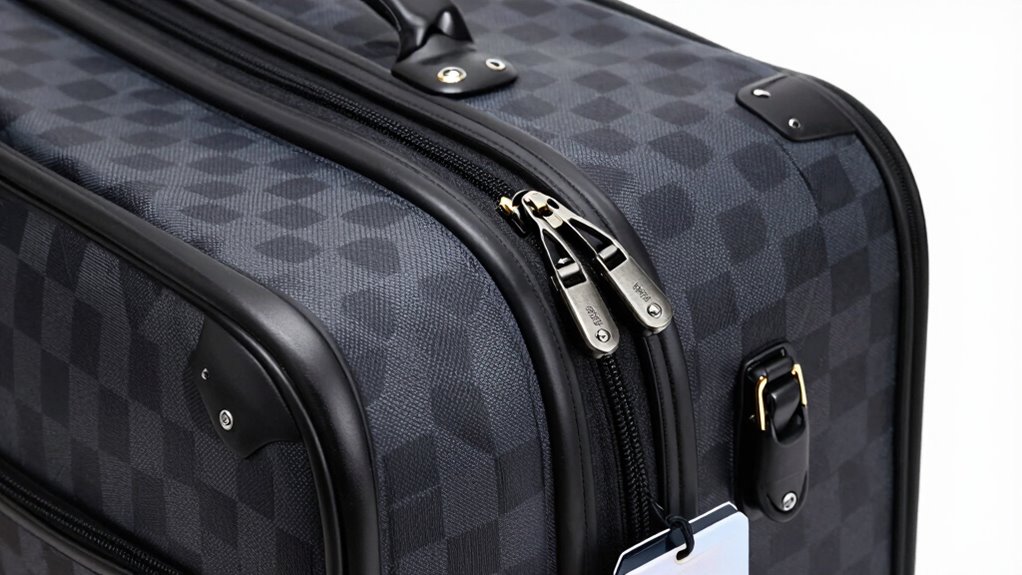
To keep your luggage safe, choose sturdy locks that resist tampering and secure your belongings. Adding protective padding helps prevent damage during transit, giving you extra peace of mind. Make sure to also secure your zippers to deter theft and keep everything in place.
Choose Durable Locks
Choosing durable locks is essential to keeping your luggage safe during travel. When selecting travel lock options, prioritize strength and reliability. Look for TSA approved locks, which allow security agents to inspect your bag without breaking the lock. To ensure maximum protection, consider these tips:
- Pick high-quality, weather-resistant locks to withstand rough handling.
- Choose locks with hardened steel or sturdy materials for added durability.
- Opt for combination locks to avoid losing keys and simplify access.
- Verify that your locks are TSA approved to prevent damage during security checks.
Use Protective Padding
Adding protective padding to your luggage enhances security by cushioning your belongings and reducing the risk of damage or tampering. Protective padding absorbs shocks during handling and transit, keeping fragile items safe. Luggage cushioning can be achieved with foam inserts, padded sleeves, or even clothing packed around delicate items. This extra layer of security helps prevent scratches, dents, or breakage, especially during rough baggage handling. When packing, focus on placing fragile items in the center of your bag and surround them with padding. Not only does this safeguard your belongings, but it also discourages tampering by making it harder to access contents without detection. Incorporating protective padding into your checked luggage is a simple step to ensure your items arrive in perfect condition.
Secure Bag Zippers
Securing your bag’s zippers is a crucial step in protecting your belongings from theft and accidental opening during transit. Proper zippers maintenance ensures they function smoothly, reducing the risk of breakage. Using lock security adds an extra layer of protection; a good lock can deter opportunistic theft. To maximize safety:
- Regularly clean and lubricate zippers to prevent sticking.
- Choose luggage with sturdy, lockable zippers for added security.
- Use TSA-approved locks for compatibility with airport screening.
- Ensure zippers are fully closed and locked before checking your bag.
Track Your Checked Bag With Technology and Stay Informed
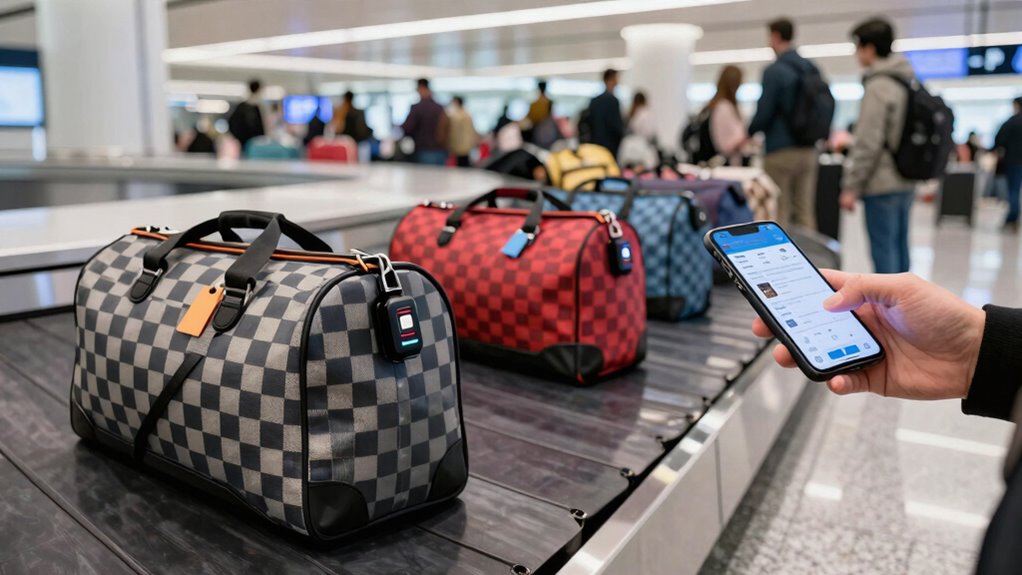
Keeping track of your checked bag has become easier thanks to innovative technology. Luggage tracking devices allow you to monitor your bag’s location in real-time, so you’re always informed about its whereabouts. Many devices connect to your smartphone, providing instant updates via smartphone alerts if your bag is moved or delayed. This immediate feedback helps you stay aware and ready to act if issues arise. Some airlines now offer integrated tracking through their apps, making it even simpler to stay informed without extra gadgets. By using these tools, you reduce the risk of losing your bag or being caught off guard by delays. Technology empowers you to take control, ensuring peace of mind and a smoother travel experience from check-in to baggage claim.
Avoid Common Travel Mistakes That Lead to Damage or Loss
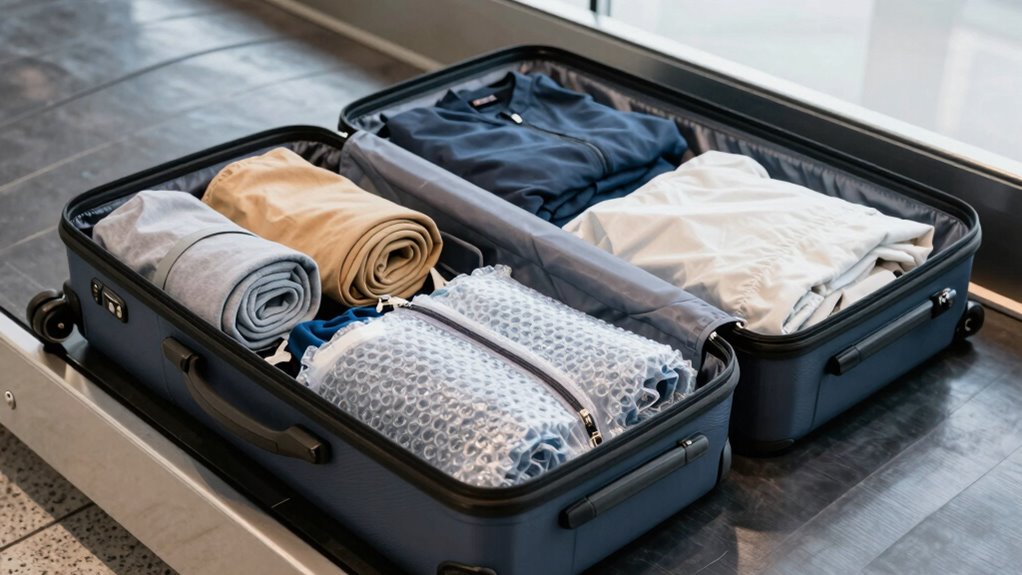
While technology helps you monitor your checked bags, avoiding common travel mistakes is key to preventing damage or loss. Start with packing tips: use sturdy, well-padded luggage to protect your belongings. When selecting luggage, consider these points:
- Choose durable material that resists wear and tear
- Opt for a size that fits airline restrictions but offers enough space
- Use secure locks to deter theft
- Label your bag both inside and outside with contact info
Avoid overpacking, which strains zippers and handles, and never pack fragile items without proper cushioning. Also, steer clear of loose items that can shift and cause damage. Making thoughtful choices in luggage selection and packing helps minimize risks and keeps your bags safe throughout your journey.
Know Your Rights and How to Claim Compensation if Your Bag Is Damaged or Lost

Understanding your rights when your checked bag is damaged or lost is crucial for ensuring you’re fairly compensated. First, report the issue immediately at the airport’s baggage service desk and file a claim. Keep detailed documentation, including baggage tags, photos of damage, and receipts for valuable items. This helps streamline the insurance claims and the compensation process. Airlines have specific policies and limits on compensation, so review their terms beforehand. If your claim is denied or insufficient, you can escalate it to a passenger rights organization or pursue legal action. Knowing your rights ensures you don’t leave money on the table and speeds up resolution. Being proactive and informed makes the process less stressful and more effective.
Frequently Asked Questions
How Can I Prevent My Luggage From Being Overpacked and Exceeding Weight Limits?
To prevent overpacking and exceeding weight limits, use packing cubes to organize your items efficiently, ensuring you don’t pack unnecessary extras. Always weigh your luggage with a reliable weight scale before heading to the airport. This way, you can make quick adjustments, like removing bulky items or redistributing weight, to stay within limits. Staying organized helps reduce stress and keeps your luggage under the weight cap.
What Are the Best Materials for Padding Fragile Items in Checked Baggage?
Think of your luggage as a treasure chest, and fragile items as gems needing protection. Use bubble wrap to cushion delicate objects, as it absorbs shocks like a sponge soaking up spills. Foam padding is also excellent for cradling fragile items, offering firm support without adding bulk. These materials are lightweight and versatile, making them perfect for safeguarding your valuables against the rough ride of checked baggage.
How Do I Handle Lost Luggage Claims Effectively With Airlines?
When handling lost luggage claims, you should act quickly by reporting the issue to the airline immediately and following their documentation procedures. Gather all relevant documents like your boarding pass, baggage claim ticket, and photos of your luggage. Contact your travel insurance to understand coverage options, and keep detailed records of all communications. This proactive approach helps streamline insurance claims and increases your chances of a favorable resolution.
Are There Specific Rules for Carrying Liquids or Valuables in Checked Bags?
You need to follow liquids restrictions—think of it as protecting your essentials from a security tornado. Valuables packing is vital; avoid stashing jewelry, expensive gadgets, or fragile items in checked bags. Instead, carry valuables in your carry-on. For liquids, adhere to airline rules about container size and quantity. Keep your valuables safe and your liquids within limits, so your luggage stays intact and your trip goes smoothly without surprises.
What Are the Latest Technological Options for Real-Time Luggage Tracking?
You can now use RFID tags and GPS trackers to keep tabs on your luggage in real-time. RFID tags, embedded inside your bags, transmit data when scanned, providing quick updates, while GPS trackers offer precise location tracking via your smartphone. These technological options make it easier to locate your luggage instantly, reduce lost baggage worries, and guarantee your belongings are always within reach during your travels.
Conclusion
By following these tips, you can markedly reduce the risk of damage or loss. Imagine arriving at your destination only to find your bag damaged or missing—it’s frustrating and stressful. For example, a traveler who used sturdy luggage, clear labels, and tracking apps successfully recovered their belongings after a mishap. Stay proactive, pack smartly, and know your rights to keep your trip worry-free. Your belongings deserve the best protection every step of the way.