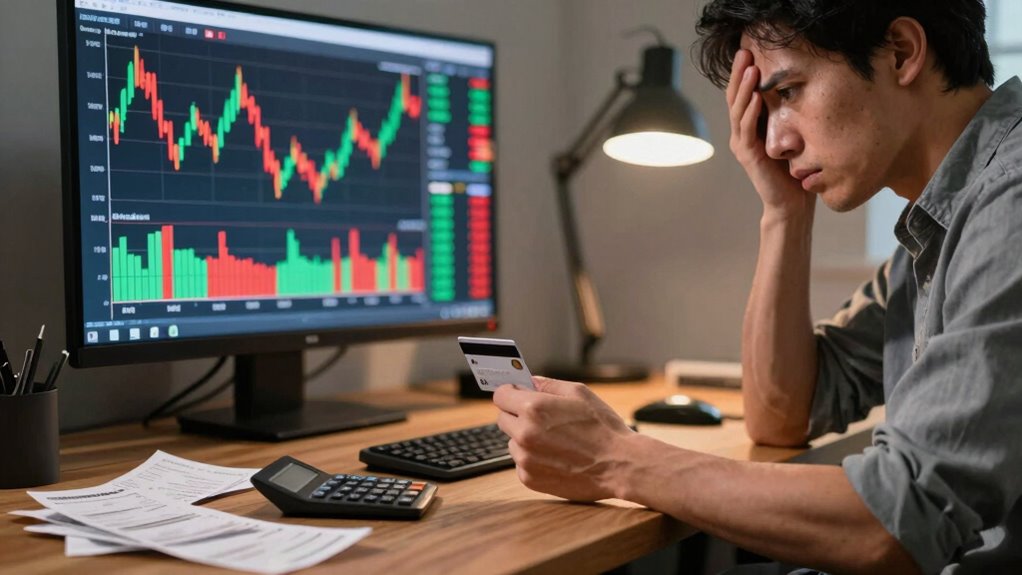

Exchange rate anxiety can make your spending decisions worse because it triggers feelings of uncertainty and fear. You might second-guess purchases or delay important expenses, fearing currency shifts will worsen. This emotional reaction clouds your judgment, leading to impulsive or overly cautious choices. Such reactions can cause missed opportunities and increased stress. If you want to understand how to manage this anxiety and make clearer decisions, keep exploring effective strategies to stay balanced amidst currency fluctuations.

Get travel and outdoor gear delivered free with Prime
- Fast, free delivery on millions of items
- Prime Video, Amazon Music and more included
- Member-only deals all year
Key Takeaways
- Anxiety from exchange rate fluctuations clouds judgment, leading to impulsive or overly cautious spending choices.
- Fear of currency impact causes delays or avoidance of necessary expenses, reducing financial opportunities.
- Worry-driven reactions impair clear decision-making, increasing the likelihood of financial errors.
- Focusing on short-term currency shifts fosters panic, undermining long-term financial planning.
- Lack of mindfulness about market volatility heightens emotional responses, worsening spending decisions.
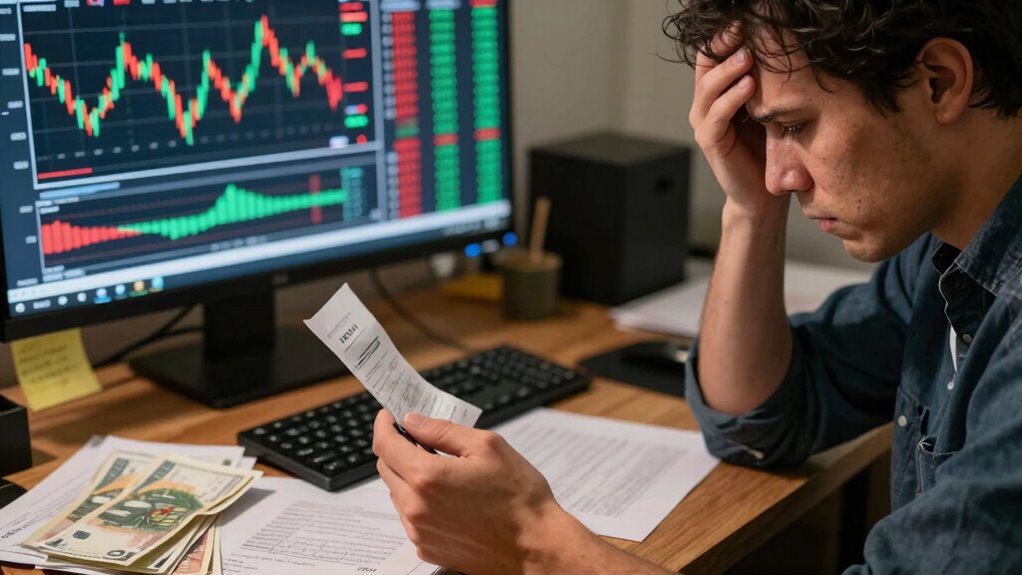
When exchange rates fluctuate unexpectedly, it can trigger a wave of anxiety that influences your spending habits. You might find yourself second-guessing every purchase, feeling uneasy about how currency fluctuation could impact your finances. This heightened worry often pushes you into impulsive decisions or overly cautious behaviors, neither of which serve your long-term financial well-being. Instead of making clear, rational choices, you become caught up in the fear of losing money or misjudging costs, which clouds your judgment. It’s natural to feel unsettled when the value of your currency shifts unexpectedly, but this anxiety can distort your perception of what’s a wise or necessary expense.
Currency fluctuation isn’t just a minor inconvenience; it can significantly sway your spending patterns. When you’re anxious about how exchange rates might change tomorrow, you tend to delay or avoid purchases altogether, even when those expenses are justified. This hesitation often results in missed opportunities or increased stress because you’re constantly on edge, trying to predict what the currency will do next. The problem is, trying to time the market or second-guess every financial move can lead to worse decisions. Instead of acting with confidence, you become paralyzed by fear, which hampers your ability to manage your money effectively. Your focus shifts from strategic planning to reactive decision-making, often driven by panic rather than rational analysis. Recognizing currency fluctuations as a normal part of international transactions can help you develop a healthier attitude toward these changes.
Fear of currency shifts can cause missed opportunities and poor financial decisions. Stay calm, stay strategic.
Practicing financial mindfulness becomes crucial in these moments. It involves grounding yourself in a clear understanding of your financial goals and sticking to a plan, regardless of currency fluctuations. Instead of obsessing over daily changes in exchange rates, you learn to accept that fluctuations are natural and unpredictable. This mindset helps reduce the emotional rollercoaster, allowing you to approach spending with a more balanced perspective. When you’re mindful of your financial situation, you recognize that a short-term currency fluctuation doesn’t have to dictate your entire spending strategy. Developing an awareness of financial resilience can help you stay steady during market shifts and avoid reactive decisions. Instead, you focus on your long-term objectives, making informed decisions based on your actual financial capacity rather than fear-driven guesses. Recognizing that currency fluctuation is a normal part of international transactions can help you develop a healthier attitude toward these changes.
Gaining a better understanding of market volatility can also help you remain calm when currency values shift unexpectedly.
In the end, managing exchange rate anxiety requires discipline and awareness. Recognize that currency fluctuation is part of investing and international transactions, and it’s rarely worth sacrificing your mental peace over. By cultivating financial mindfulness, you can prevent anxiety from taking over your decision-making process, enabling you to spend more confidently and thoughtfully. Such an approach not only stabilizes your financial health but also lets you navigate currency changes without losing sight of your broader financial goals.
currency exchange rate alert app
As an affiliate, we earn on qualifying purchases.
As an affiliate, we earn on qualifying purchases.
Frequently Asked Questions
How Can Individuals Reduce Exchange Rate Anxiety Effectively?
You can reduce exchange rate anxiety by boosting your currency awareness, staying informed about market trends, and understanding fluctuations. Practice emotional resilience by avoiding impulsive decisions driven by fear, and set a clear budget for international spending. Focus on long-term financial goals rather than short-term currency swings. This approach helps you stay calm, make smarter choices, and prevent anxiety from clouding your judgment during currency shifts.
Does Exchange Rate Anxiety Impact Savings Habits?
Exchange rate anxiety can cast a shadow over your savings habits, making you hesitant or overly cautious. When your confidence in currency stability wavers, you might abandon currency optimism, leading to inconsistent savings strategies. This emotional turbulence can cause missed opportunities and increased stress. To counteract this, stay informed and set clear, realistic goals, so your savings remain steady, even amid currency fluctuations, helping you maintain control and secure your financial future.
Are Certain Demographics More Affected by Exchange Rate Anxiety?
Yes, certain demographics are more affected by exchange rate anxiety due to demographic vulnerabilities and cultural influences. Younger consumers or those with limited financial literacy often feel more anxious, making them prone to impulsive spending. Cultural factors, like strong national loyalty or reliance on imported goods, heighten concern. These vulnerabilities can lead to more cautious or erratic spending decisions, amplifying the negative effects of exchange rate fluctuations on personal finances.
How Do Businesses Manage Spending During Currency Fluctuations?
You manage spending during currency fluctuations by employing strategies like currency hedging, which protects you from adverse exchange rate movements. You also stay vigilant about market speculation, enabling you to anticipate potential shifts and adjust your budgets accordingly. By actively monitoring exchange rates and using financial instruments to hedge risks, you can minimize losses and maintain financial stability, even in volatile currency environments.
Can Exchange Rate Anxiety Influence Long-Term Financial Planning?
You might not realize it, but 65% of investors say exchange rate anxiety impacts their long-term plans. When currency stability feels uncertain, your investment confidence drops, making you hesitant to commit to big projects or savings goals. This anxiety can lead to overly cautious decisions, hindering growth. Recognizing this influence helps you stay focused on your financial future, despite currency fluctuations, and maintain steady, strategic long-term planning.
As an affiliate, we earn on qualifying purchases.
Conclusion
So, next time the exchange rate makes your stomach churn, remember—your anxiety might just turn that overseas shopping spree into a financial nightmare. Ironically, obsessing over tiny currency fluctuations could lead you to spend more impulsively, thinking it’s saving you money. Instead of calming your nerves, it could leave you with a closet full of souvenirs and a wallet empty enough to remind you that sometimes, the biggest exchange rate risk is the one you take with your own peace of mind.
budget planner for international expenses
As an affiliate, we earn on qualifying purchases.
As an affiliate, we earn on qualifying purchases.
currency fluctuation tracking tool
As an affiliate, we earn on qualifying purchases.
As an affiliate, we earn on qualifying purchases.
Halloween Picks
halloween
As an affiliate, we earn on qualifying purchases.