

To handle picky eaters while traveling without a food war, start by understanding their food preferences and pack familiar snacks or simple meals they enjoy. Research kid-friendly local options and communicate dietary needs clearly to restaurants. Involve your kids in meal choices and turn food exploration into fun activities. Set realistic expectations and celebrate small successes. Keep these strategies in mind to create positive mealtime experiences—more tips to help you make it work smoothly are just ahead.

Get travel and outdoor gear delivered free with Prime
- Fast, free delivery on millions of items
- Prime Video, Amazon Music and more included
- Member-only deals all year
Key Takeaways
- Involve kids in meal planning and prep to increase their interest and reduce resistance.
- Pack familiar, nutritious snacks and easy meals for on-the-go convenience.
- Communicate dietary needs clearly with restaurants and hosts beforehand.
- Create positive mealtime experiences by turning food exploration into fun activities.
- Remain flexible, patient, and respectful of cultural differences to avoid food conflicts.
kids snack containers for travel
As an affiliate, we earn on qualifying purchases.
As an affiliate, we earn on qualifying purchases.
Know Your Kids’ Food Preferences Before Traveling
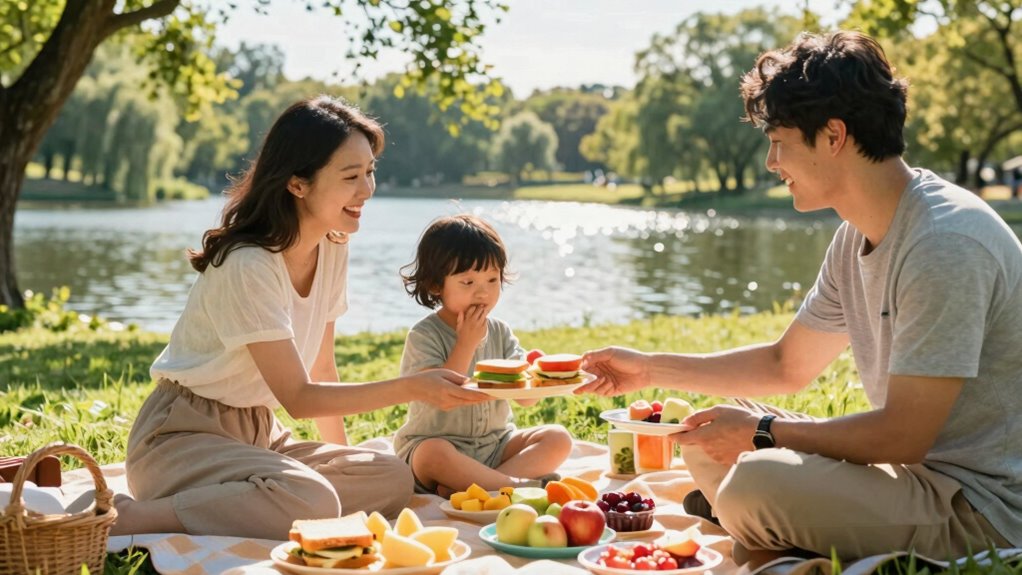
Before you set off on your trip, it’s important to understand your kids’ food preferences. Pay attention to their favorite flavors, textures, and meal presentation styles. Some kids are drawn to familiar, simple dishes, while others might enjoy trying new cultural tastes. Knowing what appeals to them helps you plan snacks and meals that won’t trigger fussiness. Consider how meals are presented—bright colors, fun shapes, or familiar plating can make new foods more inviting. If your child prefers certain textures or flavors, look for ways to incorporate those into local dishes or bring similar options along. Recognizing childhood eating habits allows you to create a more comfortable and welcoming dining experience during your travels. Being aware of their food preferences helps you introduce new foods gradually, reducing the likelihood of food battles and making mealtimes more enjoyable for everyone. Additionally, understanding individual taste sensitivities can help you avoid common irritants and ensure your child feels safe and happy at mealtime. For example, selecting foods that accommodate their specific sensory sensitivities can make a significant difference. Furthermore, understanding nutritional needs can help you choose healthier options that support their growth and energy levels during your trip.
As an affiliate, we earn on qualifying purchases.
Research Kid-Friendly Local Cuisine & Dining Options
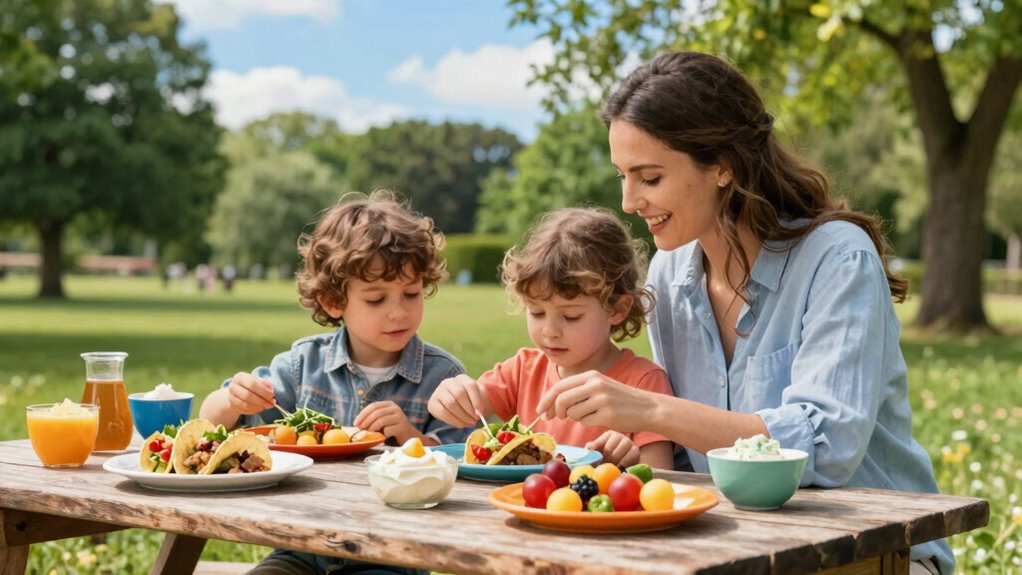
Researching kid-friendly local cuisine and dining options early in your trip helps you find restaurants and dishes that appeal to picky eaters. By exploring local cuisine beforehand, you can identify places that offer familiar foods or adaptable menus, making meals less stressful. Focus on local cuisine exploration to uncover options like grilled meats, simple pasta, or familiar flavors presented with a regional twist. Remember to prioritize dining safety tips, such as choosing reputable establishments and ensuring food is cooked thoroughly. This approach minimizes surprises and helps your child feel more comfortable trying new foods. Planning ahead also allows you to communicate dietary needs or restrictions to restaurant staff, creating a safer and more enjoyable dining experience for everyone. Additionally, understanding regional food safety standards can help you select establishments that maintain high hygiene practices, further ensuring your child’s health. Being aware of food handling practices can also contribute to safer dining experiences during your travels. Being informed about local sanitation procedures can further assist in choosing safe dining options.
As an affiliate, we earn on qualifying purchases.
Pack Snacks and Easy Meals for Picky Eaters on the Go
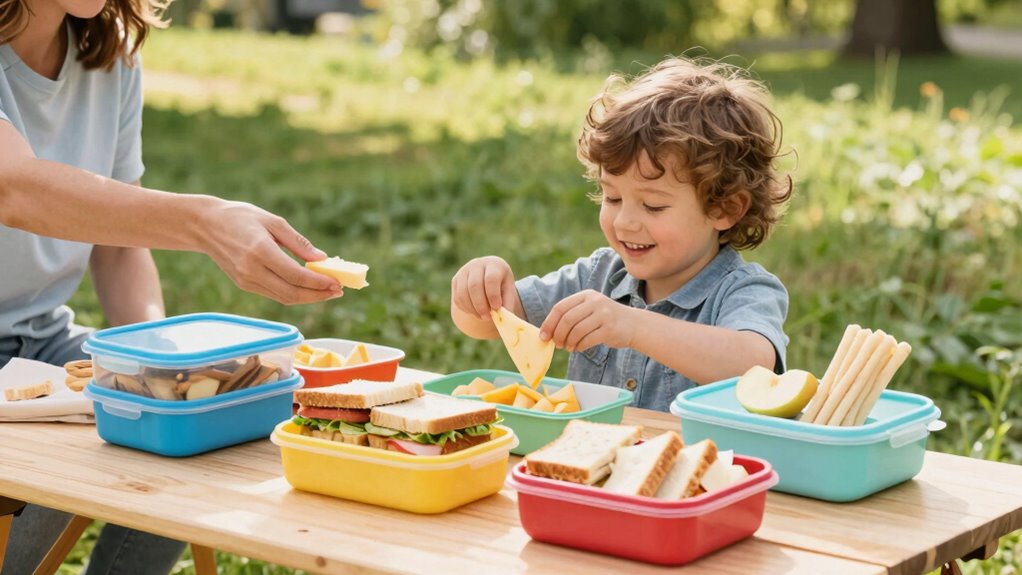
Packing snacks and easy meals for picky eaters on the go guarantees you’re prepared for any situation while traveling. Focus on nutrition planning to make sure they get balanced options that suit their tastes. Choose familiar snacks like fruit slices, cheese sticks, crackers, or yogurt to minimize fuss. For easy meals, consider pre-portioned items or DIY kits that allow meal customization, so your child can pick what they want without stress. Pack a variety of textures and flavors to keep things interesting and avoid mealtime battles. Use reusable containers to keep everything organized and fresh. This approach also helps you manage food safety and reduce waste during your trip. Incorporating meal prep techniques can further streamline snack and meal management on busy travel days. Including indoor plant care tips in your packing checklist can also help create a calming environment during travel. Being prepared with personalized, kid-friendly options helps maintain their routine and keeps everyone happier on the go. Additionally, understanding cultural food preferences can help you select snacks that resonate with your child’s tastes and make mealtime more enjoyable. Planning ahead by exploring nutritional requirements ensures your child’s dietary needs are met even when away from home.
As an affiliate, we earn on qualifying purchases.
Communicate Your Needs Clearly to Restaurants and Hosts

Clear communication is essential when dining out with picky eaters to guarantee their needs are met and mealtime goes smoothly. When speaking to restaurant staff or hosts, be upfront about your child’s dietary restrictions and preferences. Mention any cultural food customs that influence what they can or cannot eat, ensuring these are respected. It helps to call ahead or review menus online to identify suitable options, reducing surprises. Clearly explain specific dislikes or sensitivities, like gluten-free needs or ingredient allergies. By providing detailed information, you help staff accommodate your picky eater without misunderstandings. This proactive approach minimizes frustration and maximizes the chance of a positive dining experience for everyone involved. Remember, clear, respectful communication is key to avoiding food conflicts while traveling.
Involve Kids in Meal Planning to Boost Engagement

Getting kids involved in meal planning makes them more enthusiastic to try new foods. Let them pick meals or use their favorite ingredients to spark their interest. This collaborative approach can also help youngsters understand the significance of time management during busy travel days. Incorporating recovery routines like foam rolling can also improve your overall energy and mood, making family meals more enjoyable. Additionally, exploring air fryer accessories can introduce new, healthy cooking options that appeal to picky eaters. Engaging children in meal prep can foster their interest in nutrition and make mealtime a positive experience. Implementing simple household organization strategies can further reduce meal prep stress and create a more relaxed environment for everyone.
Let Kids Pick Meals
Involving kids in meal planning can make them more enthusiastic to try new foods and reduce picky eating during travel. When kids choose their meals, they feel empowered and more invested in mealtime routines. This involvement also helps you address food allergy awareness, ensuring their safety and comfort. Plus, it minimizes mealtime battles by giving them a sense of control. Consider letting them pick from a list of healthy options or suggest meals they’d enjoy. This simple step can transform mealtime into a positive experience. When kids feel heard and involved, they’re more likely to approach meals with curiosity rather than resistance. Incorporating meal planning into travel routines can also promote healthier eating habits and reduce stress. Recognizing the importance of child engagement in meal choices can lead to more cooperative dining experiences. Additionally, fostering positive mealtime habits can help build lifelong healthy eating behaviors. Understanding mealtime management strategies can further support a peaceful dining environment. Implementing effective dietary choices can also ensure that nutritional needs are met while traveling. Remember, a little planning and patience go a long way in keeping everyone happy and safe while exploring new places.
Use Favorite Ingredients
Building on how kids can choose their meals, incorporating their favorite ingredients into the plan can make mealtime more appealing. When you explore flavors together, you make the process fun and engaging. Use ingredient flexibility to include familiar foods they love, which encourages them to try new dishes without resistance. For example, if they love cheese, let them pick different types or add it to new recipes. This involvement boosts their confidence and makes mealtime feel like a team effort. By giving kids control over specific ingredients, you help reduce picky eating and create a positive mealtime environment. Incorporating trusted resources such as local dining options can also help ensure meals meet your child’s preferences and dietary needs. Leveraging mealtime planning techniques can further help in managing picky eaters by setting clear expectations and routines. Plus, exploring flavors with familiar ingredients keeps things simple while still offering variety, making travel meals more enjoyable for everyone. Recognizing global chaos like service outages can also prepare you for unexpected delays or disruptions during travel, reducing stress and maintaining a positive dining experience. Being aware of nutritional guidelines can help you balance fun flavors with healthful choices for your kids.
Manage Mealtime Expectations and Stay Flexible Abroad
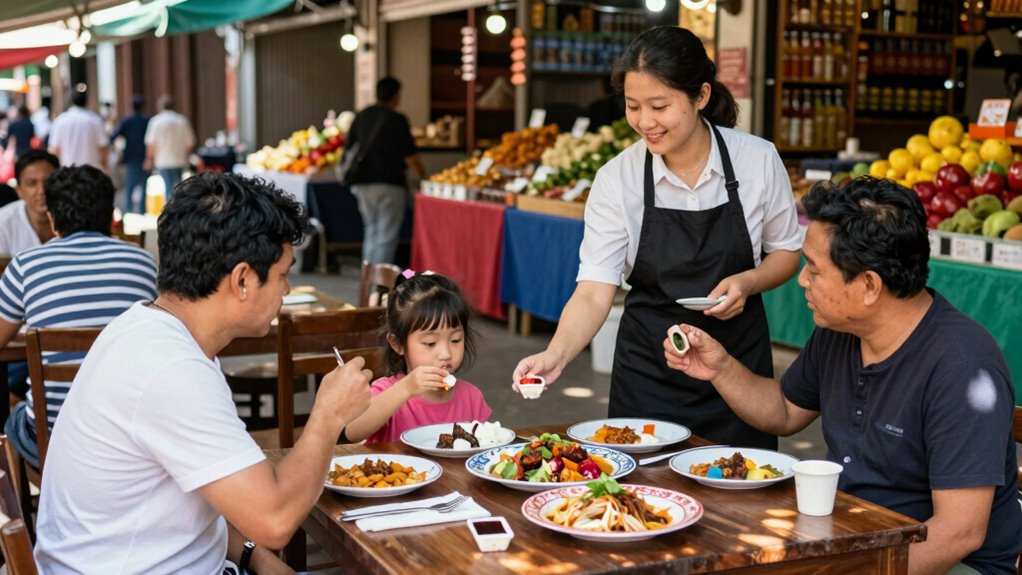
Traveling with a picky eater means you’ll need to adjust your mealtime expectations and stay adaptable. Cultural culinary differences can make finding familiar foods challenging, but approaching new cuisines with an open mind helps reduce frustration. Using language barrier solutions, like learning basic phrases or carrying translation apps, makes communication easier and less stressful. Keep in mind, flexibility is key—your child might not love every meal, and that’s okay. Focus on creating positive mealtime experiences instead of insisting on perfection.
Traveling with a picky eater requires patience, flexibility, and an open mind to new culinary experiences.
- Embrace new flavors without pressure
- Be patient with unfamiliar dishes
- Prepare for some compromises
- Celebrate small food wins together
Turn Food Challenges Into Fun Food Activities
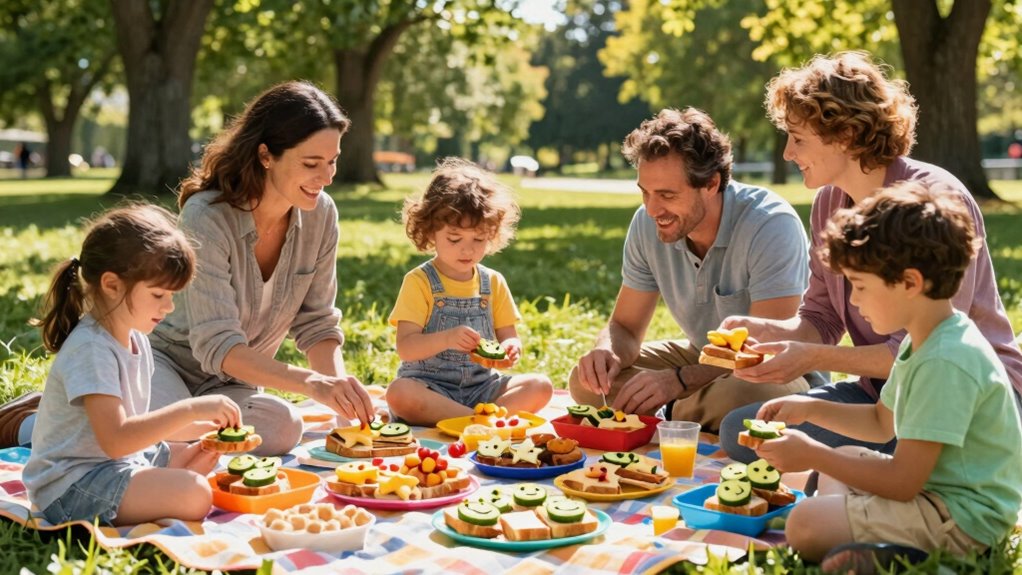
When faced with food challenges abroad, turning mealtime into a fun activity can transform frustration into excitement. Use food allergy awareness as a starting point by involving your kids in learning about ingredients and safe choices. This encourages them to see food as a cultural adventure rather than a hurdle. Engage in cultural food exploration by trying new dishes together, making it a game to identify local ingredients or flavors. You can create mini “food hunts” or tasting challenges, turning unfamiliar foods into exciting discoveries. This approach helps picky eaters feel more comfortable and involved, reducing anxiety. By framing mealtimes as interactive experiences, you promote curiosity and positive attitudes toward different cuisines, making the trip enjoyable for everyone while respecting food allergies and cultural differences.
Set Realistic Mealtime Expectations & Handle Food Conflicts
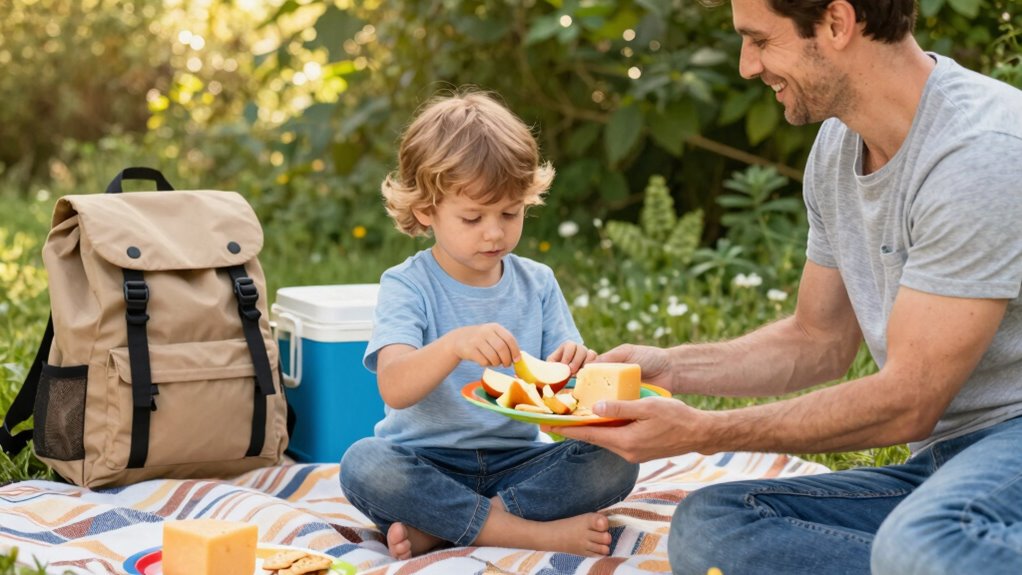
Setting clear mealtime expectations helps prevent frustration and confusion. When you communicate what’s likely and what’s not, your child knows what to anticipate. Managing food conflicts calmly keeps mealtime peaceful and ensures everyone enjoys the experience.
Set Clear Expectations
To prevent mealtime battles while on the go, it’s essential to set realistic expectations about food choices and mealtime routines. Clearly communicate what to expect, emphasizing that meal presentation may differ from home and cultural food norms might vary. This helps your child feel prepared and less resistant. Remember, flexibility is key—accept that some foods may not appeal and that trying new dishes is part of the experience.
Keep these in mind:
- Acknowledge that meals may look different from what they’re used to
- Explain that some foods are culturally specific and might be unfamiliar
- Set boundaries around mealtime routines, like sharing or portion sizes
- Encourage patience and an open mind for new experiences
Manage Food Conflicts
Managing food conflicts starts with setting realistic mealtime expectations and maintaining open communication. Talk with your child beforehand about what to expect at mealtime, emphasizing flexibility and understanding. This helps set the stage for successful conflict resolution if issues arise. When disagreements happen, focus on meal compromise—finding middle ground that respects your child’s preferences while encouraging new tastes. Stay calm and patient, avoiding power struggles. Offer choices within boundaries to give your child a sense of control. Remember, the goal is to prevent food conflicts from escalating into a full-blown food war. By proactively managing expectations and practicing conflict resolution strategies, you can keep mealtime peaceful and enjoyable for everyone, even with picky eaters.
Celebrate Small Food Wins During Your Trip
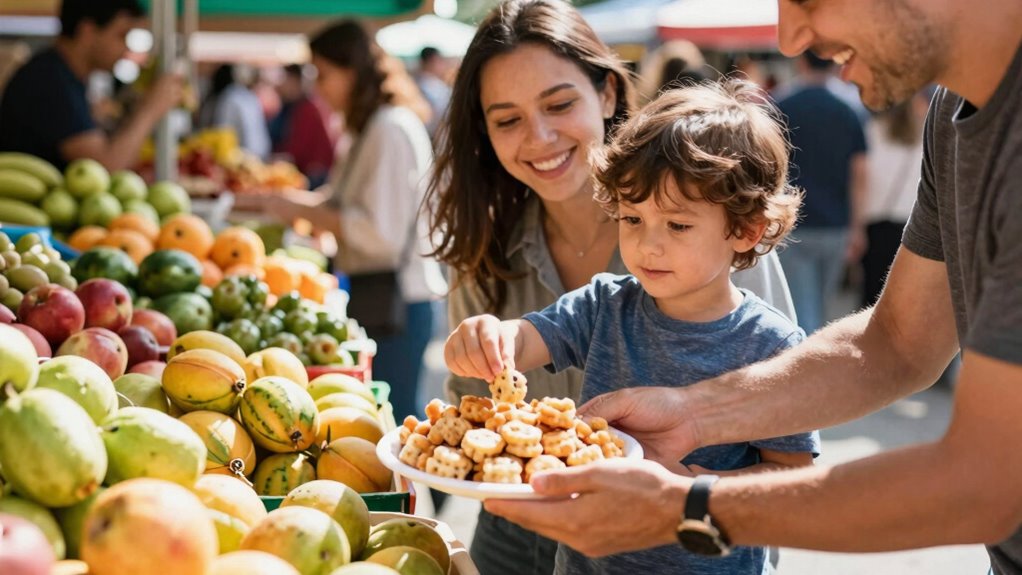
Celebrating small food wins during your trip can boost your child’s confidence and encourage more adventurous eating. When they try a new dish or accept a different meal presentation, acknowledge their bravery. Recognizing these moments helps build positive associations with unfamiliar foods and shows that their efforts matter. You might highlight cultural food customs by sharing interesting facts or stories about the cuisine, making the experience more engaging. Celebrate with simple gestures like a high-five or a smile. Remember, even tiny successes are steps forward.
- Applaud when they taste something new, no matter how small
- Praise their curiosity about different cultures
- Capture moments of your child’s food exploration in photos
- Remind them how proud you are of their bravery
Adjust Your Approach for Future Travel With Picky Eaters
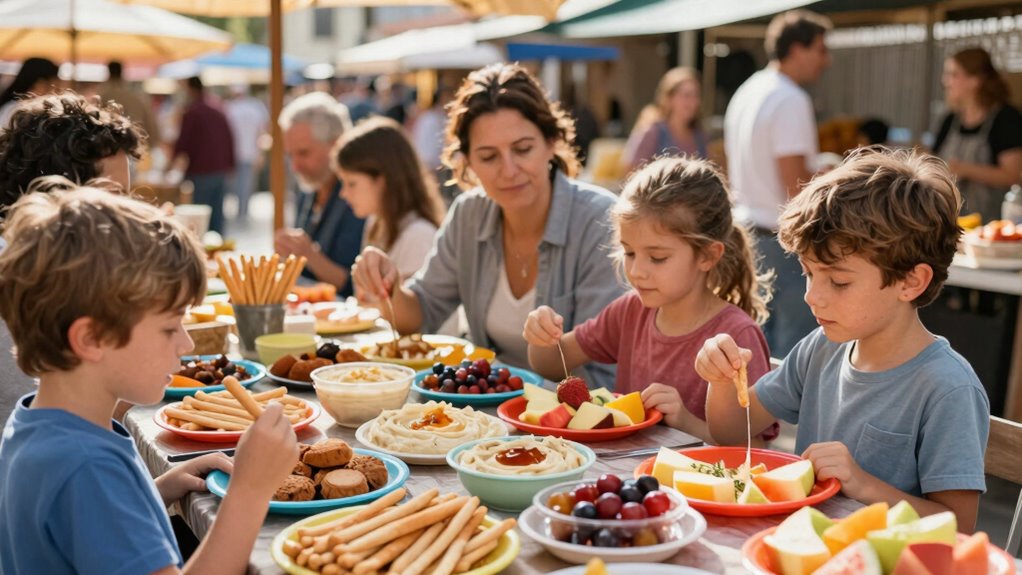
When traveling with a picky eater, it’s important to adjust your approach based on what worked and what didn’t during previous trips. Reflect on meal planning strategies and how cultural differences affected their preferences. To improve future trips, consider creating flexible menus that include familiar foods and new options. Understanding local cuisine can help you introduce new tastes gradually. Use this table to identify adjustments:
| Previous Approach | Successes | Areas for Improvement |
|---|---|---|
| Rigid meal plans | Clear expectations | Limited options for cultural foods |
| Avoiding new foods | Reduced stress | Missed local experiences |
| Relying on familiar snacks | Happy child | Less adventurous eating |
Frequently Asked Questions
How Can I Prevent My Child From Feeling Overwhelmed by Unfamiliar Foods Abroad?
To prevent your child from feeling overwhelmed by unfamiliar foods abroad, introduce cultural food exposure gradually. Use sensory food play to make new foods fun and engaging, like exploring textures or smells together. Keep a familiar snack handy for comfort, and involve your child in choosing some local options. This approach helps them feel more confident and excited about trying new foods without stress or overwhelm.
What Are Effective Strategies to Introduce New Foods to Picky Eaters During Travel?
You can introduce new foods by making creative food presentation appealing, like fun shapes or colorful arrangements that catch their eye. Offer familiar food substitutes with slight variations to bridge the gap between old and new tastes. Let your child help with choosing or preparing these foods, making them more interested in trying them. Keep calm, be patient, and avoid pressuring—this encourages a positive experience with new flavors.
How Do I Handle Mealtime Tantrums Caused by Food Restrictions or Dislikes?
When mealtime tantrums strike over food restrictions or dislikes, stay calm, stay consistent, and stay flexible. Focus on meal planning that includes familiar options, offer healthy snack options to ease frustration, and involve your child in choosing meals to boost their cooperation. Use positive reinforcement to encourage good behavior, and remember, patience helps turn mealtime into a peaceful experience rather than a battle.
Are There Any Apps or Resources to Find Allergen-Friendly or Kid-Approved Restaurants?
Yes, you can find allergen-friendly spots with food allergy apps like Find Me GF or AllergyEats, which help locate safe options. For kid-friendly restaurant guides, try apps like Yelp or TripAdvisor, filtering by family-friendly features. These resources make it easier to plan meals, reduce stress, and guarantee your little one’s dietary needs are met, keeping everyone happy and avoiding food-related conflicts while traveling.
How Can I Maintain Healthy Eating Habits While Accommodating Picky Preferences on Vacation?
You can’t afford to let healthy eating fall by the wayside on vacation. Start with meal planning, including familiar dishes your picky eater enjoys, and pack healthy snack options to keep hunger at bay. Involve your child in choosing meals ahead of time, making them more likely to try new things. This way, you maintain good habits while accommodating their preferences, turning mealtimes into a fun, stress-free experience.
Conclusion
By knowing your kids’ preferences, researching local options, communicating clearly, involving them in planning, turning challenges into fun activities, setting realistic expectations, celebrating small wins, and adjusting your approach for next time, you create a smoother, more enjoyable travel experience. You foster patience, encourage cooperation, and build positive memories. Ultimately, it’s about turning food battles into bonding moments, making every trip a delightful adventure where everyone’s needs are met and everyone feels valued.
Fall Picks
fall essentials
As an affiliate, we earn on qualifying purchases.