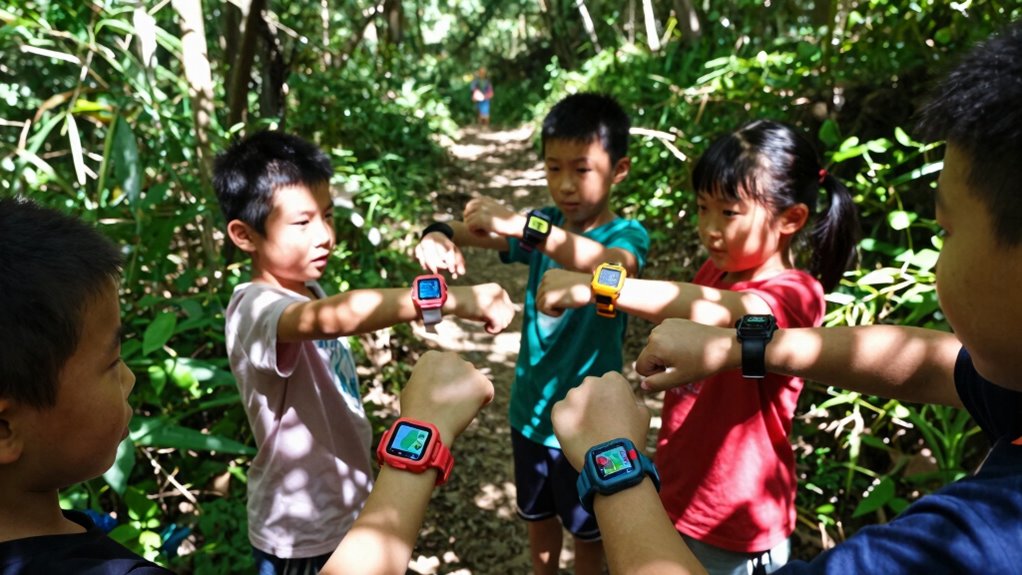

GPS watches for kids on trips can be great safety tools, giving you real-time location updates, helping you find your child in crowded places, and giving both of you peace of mind. They also promote independence but can lead to over-monitoring if used excessively. Finding a balance is key—use the tech to support safety without undermining your child’s confidence or privacy. Keep exploring to discover how to make GPS watches work best for your family.

Get travel and outdoor gear delivered free with Prime
- Fast, free delivery on millions of items
- Prime Video, Amazon Music and more included
- Member-only deals all year
Key Takeaways
- GPS watches enhance safety by providing real-time location updates during trips.
- They can foster independence but may also lead to over-monitoring and reduced child autonomy.
- Responsible use balances safety benefits with respect for privacy and trust.
- Devices can strengthen parent-child bonds through increased involvement and support.
- Overuse may hinder development of navigation skills and create dependence on technology.
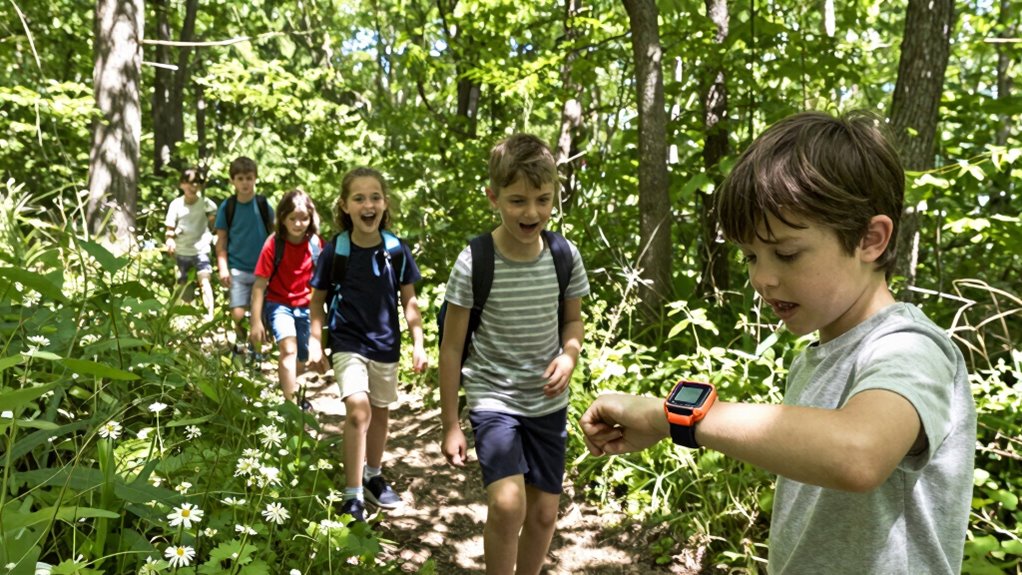
When kids go on trips, it’s natural for parents to worry about their safety and whereabouts. You want to stay connected without feeling overly intrusive, and that’s where GPS watches come into play. They offer a way to keep tabs on your child, giving you peace of mind while allowing your child to enjoy their independence. But as you consider giving your kid a GPS watch, it’s worth thinking about how it influences your relationship. Some argue it can strengthen parent-child bonding by providing a way to stay informed and involved. When your child knows you can check in at any moment, it might make them feel more secure and supported. On the other hand, some worry that frequent monitoring could foster technological dependence, making your child overly reliant on devices instead of developing their own sense of responsibility and awareness.
Using a GPS watch can be a double-edged sword. It’s a helpful safety tool, especially during trips where your child might be exploring new environments or participating in group activities. With real-time location updates, you can quickly find your child if they wander off or get lost. It’s especially reassuring during crowded events or unfamiliar places. However, it’s easy to fall into the trap of constantly checking the device, which might lead to over-monitoring. Over time, this could diminish your child’s ability to navigate situations independently, as they might become conditioned to rely on technology rather than their instincts or communication skills. Striking a balance is key—using the GPS watch as a safety backup rather than a constant surveillance device helps maintain healthy parent-child dynamics. Understanding the role of technology in child development can guide parents in making informed choices about device usage. Additionally, being aware of the impact of digital tools on independence can help you foster a sense of responsibility in your child.
In addition, consider how your child perceives the GPS watch. For some kids, it’s a source of excitement and empowerment, giving them a sense of independence while still feeling connected to you. For others, it might feel like an invasion of privacy or a reminder that they’re being watched. The intention should be to support their safety without undermining their confidence. Open communication about personal boundaries and the device’s purpose can help ease any resistance and foster trust. Understanding how children interpret digital security tools can help parents set appropriate boundaries and expectations. It’s also helpful to remember that digital literacy plays a role in how children understand and accept these devices. Ultimately, GPS watches can be valuable safety tools on trips, but they shouldn’t replace meaningful interactions and the natural development of your child’s independence. When used thoughtfully, they can reinforce your bond and keep your child safe, without fostering an unhealthy technological dependence.
GPS kids watch with real-time tracking
As an affiliate, we earn on qualifying purchases.
As an affiliate, we earn on qualifying purchases.
Frequently Asked Questions
What Features Should I Look for in a Kids’ GPS Watch?
When choosing a kids’ GPS watch, focus on features like reliable GPS tracking, parental control options, and social connectivity. Parental controls let you set safe zones and monitor usage, ensuring your child’s safety. Social connectivity features enable your child to easily communicate with trusted contacts. Look for durable, easy-to-use models with long battery life. These features help balance safety and communication without overwhelming your child with too much tech.
How Accurate Are GPS Watches for Kids?
GPS watches for kids are generally quite accurate, often within a few meters, but their precision can vary based on the device and environment. As a parent, you should consider privacy concerns because frequent tracking might lead to over-monitoring, possibly fostering device addiction. While these watches are reliable safety tools, it’s essential to balance safety with respecting your child’s privacy and promoting healthy tech habits.
Do GPS Watches Have Long Battery Lives?
Imagine you’re on a family hike, and your child’s GPS watch lasts all day without needing a charge. Many GPS watches for kids have decent battery longevity, often lasting 24 to 48 hours, but this varies based on usage and features. While some models are designed to minimize tech concerns, heavy use of GPS and other features can drain batteries faster. Always check the battery life to guarantee reliable safety during trips.
Are GPS Watches Waterproof and Durable?
Yes, GPS watches for kids are typically waterproof and durable, making them suitable for active use. You can rely on their waterproof design to keep them safe during water activities, while their rugged build withstands drops and rough handling. With parental controls and communication features, you can monitor your child’s activity and stay in touch. These qualities help guarantee the watch remains functional and reliable throughout trips and everyday adventures.
How Much Do GPS Watches for Kids Typically Cost?
GPS watches for kids typically cost between $50 and $200, depending on features and brand. As a parent, you might have concerns about safety and staying connected, which is why many consider these devices a valuable tool. Staying updated with technology trends helps you choose the right watch that balances security and affordability. Ultimately, investing in a GPS watch can ease your worries during trips, ensuring your child’s safety.
As an affiliate, we earn on qualifying purchases.
Conclusion
In the end, whether a GPS watch is a safety tool or too much tech depends on your comfort level and your child’s needs. Did you know that studies show kids with GPS devices are 25% less likely to get lost during outings? If you prioritize peace of mind and safety, a GPS watch can be a smart choice. Just remember to balance tech use with trust and communication to keep trips enjoyable and secure.
children's smartwatch safety features
As an affiliate, we earn on qualifying purchases.
As an affiliate, we earn on qualifying purchases.
kid-friendly GPS watch for outdoor activities
As an affiliate, we earn on qualifying purchases.
As an affiliate, we earn on qualifying purchases.
Halloween Picks
halloween
As an affiliate, we earn on qualifying purchases.