TL;DR

Get travel and outdoor gear delivered free — and shop member deals
- Fast, free delivery on millions of items
- Access to Prime Big Deal Days deals on October 6–7
- Prime Video, Amazon Music and more included
This guide explains the key factors in selecting portable camping stoves, from fuel types to weather performance. Knowing these details helps you cook safely and efficiently outdoors.
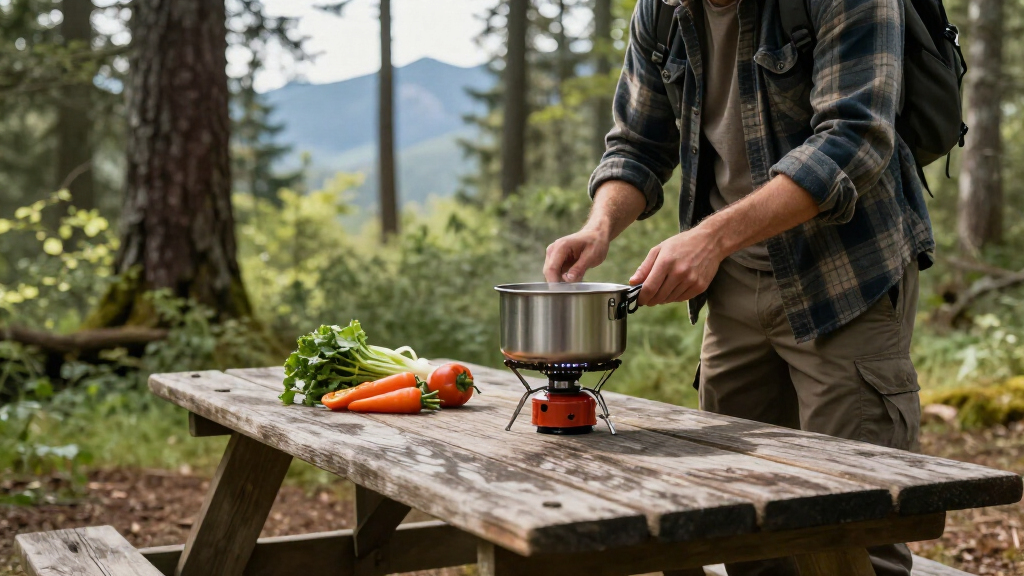
Imagine standing in a quiet, mountain clearing, the scent of pine in the air. You reach for your portable stove, ready to boil water for coffee or cook dinner. But which stove will give you reliable power without weighing down your pack? That choice can make or break your trip.
This guide breaks down everything you need to know about portable camping stoves. Whether you’re a minimalist backpacker or a car camper who loves a full kitchen, understanding your options helps you cook confidently in any environment.
Choose a stove type based on your trip style, weather, and cooking needs—ultralight for backpacking, sturdy for car camping.
Fuel selection impacts performance—propane is best in cold; canister fuel is more convenient for mild conditions.
Safety always comes first: operate stoves outside, check connections, and never use inside tents or vehicles.
Recent advancements like pressure regulation and wind-resistant designs greatly improve efficiency and reliability outdoors.
Test your complete stove setup before heading out to get realistic boil times and prevent surprises.
What Are the Main Types of Portable Camping Stoves and When to Use Them
Portable camping stoves come in many shapes and sizes, each suited for different adventures. From ultralight backpacking burners to sturdy tabletop units, knowing the differences helps you pick the right tool for your trip.
Here’s a quick rundown:
| Stove Type | Best For | Main Advantages | Limitations |
|---|---|---|---|
| Canister stove | Backpacking, short trips | Lightweight, clean-burning, easy to ignite | Performance drops in cold weather, canisters hard to recycle |
| Remote-canister stove | Cold weather, groups | Stable, powerful, supports larger pots | Heavier, more complex setup |
| Liquid-fuel stove | Winter, high altitude | Reliable in cold, versatile fuel options | Heavier, requires maintenance |
| Alcohol stove | Ultralight trips, simple cooking | Cheap, quiet, lightweight | Slow, wind-sensitive, limited flame control |
| Wood-burning stove | Areas with abundant wood | No fuel to carry, renewable | Smoke, soot, performance varies |
Each type has its niche. For quick water boils on a weekend hike, a canister stove shines. For winter expeditions, a liquid-fuel model provides dependable heat even when it’s freezing.
Choosing the right type means balancing weight, fuel access, weather resistance, and your cooking needs.
portable camping stove for backpacking
As an affiliate, we earn on qualifying purchases.
As an affiliate, we earn on qualifying purchases.
How to Pick the Perfect Camping Stove for Your Adventure
Deciding which stove to bring sounds simple—until you realize how many factors influence your choice. Do you backpack or car camp? Will you cook more than boil water? The answers guide your decision.
Follow this step-by-step process:
- Identify your trip type: backpacking, car camping, winter, or emergency.
- Decide if you need only boiling or also simmering and frying.
- Check fuel availability at your destination.
- Estimate weather conditions—wind, cold, altitude.
- Compare weight and system size.
- Assess cookware compatibility and stability needs.
- Review maintenance, parts, and warranty support.
For example, a weekend in the Rockies might call for a remote-canister stove with a windscreen, while a week-long trek might favor an ultralight canister setup with a small fuel canister.
Don’t forget to test your setup before the trip. Burning a test meal in your backyard reveals surprises and helps you pack smarter.
As an affiliate, we earn on qualifying purchases.
Fuel Choices and How They Impact Your Camping Experience
Fuel type is king when it comes to performance, safety, and convenience. Common options include isobutane-propane canisters, liquid fuels, alcohol, and wood. Each has its perks and quirks, and understanding these differences is crucial for making the right choice.
Why does this matter? Because your fuel choice directly influences how well your stove performs in different conditions, how much weight you carry, and the safety precautions you must take. For instance, choosing the wrong fuel for cold weather can lead to poor ignition and inefficient cooking, while selecting a fuel that’s incompatible with your stove can pose safety risks. Recognizing these trade-offs ensures you’re prepared and prevents mishaps that could spoil your trip.
Here’s a quick comparison:
| Fuel Type | Best For | Pros | Cons |
|---|---|---|---|
| Isobutane-propane canisters | Three-season backpacking | Lightweight, clean-burning, easy to find | Performance drops in cold, can be hard to recycle |
| Liquid fuel | Winter, high altitude | Reliable in extreme cold, long shelf life | Heavier, more maintenance, noisier |
| Alcohol | Ultralight trips, simple cooking | Cheap, quiet, easy to refuel | Slow, wind-sensitive, limited control |
| Wood | Remote areas, eco-conscious campers | No fuel cost, renewable | Variable performance, smoke, soot |
Picking the right fuel isn’t just about convenience; it’s about matching your fuel choice to environmental conditions and safety considerations. For example, in cold climates, propane outperforms butane because it vaporizes more readily at low temperatures, ensuring reliable ignition and consistent heat. Conversely, in areas with plentiful wood and fire restrictions, a wood stove can be an eco-friendly, self-sufficient option. Being aware of these factors helps you avoid surprises and ensures your stove performs optimally when you need it most.
Always check local regulations. Some parks ban open fires or wood stoves during fire bans, and transport rules vary with airline policies.
As an affiliate, we earn on qualifying purchases.
Safety First: How to Stay Safe When Using Your Camping Stove
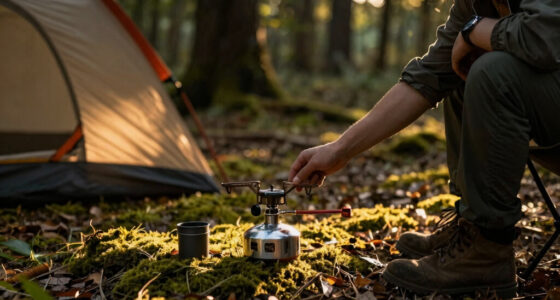
Using a camping stove is convenient but always comes with risks. The most important rule? Never operate a stove inside a tent or enclosed space. Carbon monoxide is silent, odorless, and deadly.
Always set up your stove on a flat, stable, nonflammable surface away from dry brush, tents, and gear. Before lighting, check all connections and seals. If you smell gas or suspect a leak, turn everything off immediately and ventilate the area.
Follow these vital safety tips:
- Keep fuel away from children, heat, and sparks.
- Never add fuel to a hot or burning stove.
- Let the stove cool before packing or storing.
- Use only approved fuels and accessories.
- Carry a backup ignition source like matches or a lighter.
- Check wildfire restrictions—some areas ban certain stoves during fire bans.
Imagine a scenario: you’re setting up for a cozy dinner but accidentally spill fuel. Quick action—shutting the valve, moving away, and cleaning the spill—can prevent a disaster. Understanding how to respond swiftly to such situations is crucial for safety and avoiding dangerous accidents.
Safety isn’t just about avoiding accidents; it’s about ensuring your trip remains enjoyable and injury-free. Proper knowledge and cautious operation keep the outdoor experience positive and prevent emergencies that could ruin your adventure.
As an affiliate, we earn on qualifying purchases.
Latest Trends Making Camping Stoves Smarter and More Efficient
The market is evolving fast. Pressure regulators are now common on high-end canister stoves, keeping flame steady even as fuel pressure drops in cold weather. These improvements extend your cooking time and save fuel.
Wind resistance has also improved dramatically. Recessed burners, integrated heat exchangers, and radiant designs help keep that flame burning bright in gusty conditions. For backpackers, this means less fuel wasted and faster boiling times.
Designed for winter use, some remote-canister stoves now feature preheating tubes and allow inverted-canister operation, feeding liquid fuel directly into the burner even in freezing temperatures. These innovations address common challenges faced in extreme conditions, making outdoor cooking more reliable and less frustrating.
Manufacturers are blending systems—knobs, pots, heat exchangers—into integrated cooking units that nest together, reducing bulk and boosting efficiency. These systems focus on boiling water quickly and using less fuel, perfect for minimalist trips. The trend toward all-in-one solutions reflects a desire for simplicity without sacrificing performance, especially for those who want to travel light.
Environmental concerns are shaping product choices. Refillable propane cylinders, recyclable canisters, and lower-waste fuel options are gaining ground. In some places, you can even find electric induction options for vehicle-based camping, which eliminate combustion emissions entirely. This shift toward eco-friendly gear aligns with a broader movement to reduce outdoor footprints and promote sustainable camping practices.
Market trends also show a move toward lighter, purpose-built designs—minimalist burners for boiling, stable systems for cooking, and specialized gear tailored to different environments. It’s a sign that campers want more control, less weight, and higher efficiency, reflecting the increasing sophistication and environmental awareness of outdoor enthusiasts.
Key Facts You Need to Know About Camping Stoves
Boil times are often measured under perfect conditions, but real-world results vary widely. Wind, temperature, altitude, and cookware all influence how quickly your water heats up. For instance, at high altitude, water boils at a lower temperature, which can make cooking times longer even if your stove is efficient. Understanding these factors helps you set realistic expectations and plan accordingly.
Efficiency isn’t just about BTUs. A stove with a lower BTU rating but better wind resistance and flame control can actually cook faster and use less fuel outdoors. Testing your setup before a trip allows you to gauge actual performance, which is vital for planning longer or more remote adventures.
Piezo igniters are handy but can fail in moisture or cold. Carry matches or a lighter as backup, especially in damp weather. And remember, any combustion stove produces carbon monoxide—so proper ventilation and outside operation are non-negotiable. Knowing how to interpret these factors ensures safe, effective use in varied conditions.
Disposing of empty canisters requires care. They must be fully empty and processed according to local rules. Never puncture or burn them in a fire, as they can explode if heated. Proper disposal prevents accidents and environmental damage.
Finally, never carry full fuel bottles on airplanes. Most airlines prohibit these in passenger baggage. Always check regulations and follow manufacturer instructions for maintenance and cleaning to keep your stove safe and reliable. Staying informed about these details ensures your gear remains safe and ready for use on every trip.
Frequently Asked Questions
Which stove is best for backpacking?
A lightweight canister stove is usually the best for backpackers. It’s easy to carry, quick to set up, and reliable for boiling water and simple meals. For fast water boiling, integrated systems work great, but for more cooking, choose a broader burner.
Can I use a camping stove inside a tent?
No. Using a stove inside a tent can cause dangerous carbon monoxide buildup, which is odorless and deadly. Always operate stoves outside on a stable, nonflammable surface, well away from gear and dry vegetation.
How much fuel should I carry?
It varies widely depending on your stove, trip length, and conditions. Start with manufacturer estimates, then test your setup in real-world conditions. Always pack a little extra for unexpected delays or colder weather.
Are propane and butane canisters interchangeable?
Not always. Canisters may have different fittings or pressure ratings. Check the manufacturer’s specifications before mixing fuels to avoid leaks or damage. Using incompatible canisters can be dangerous.
What safety precautions should I follow with my camping stove?
Operate the stove outside, check all connections, and keep fuel away from children and heat sources. Never add fuel to a hot stove, and always let it cool before packing. Carry a backup ignition method and follow local fire restrictions.
Conclusion
Your choice of a portable camping stove is a small decision with a big impact. Pick one that matches your trip style, fuels available, and weather conditions, and always prioritize safety. With the right gear, your outdoor cooking can be effortless, even in the wildest places.
Next time you pack, picture that perfect camping scene: a warm meal, the crackle of a stable flame, and your confidence in the gear you brought. That’s the real flavor of adventure—cooked just right.
Halloween Picks
halloween
As an affiliate, we earn on qualifying purchases.