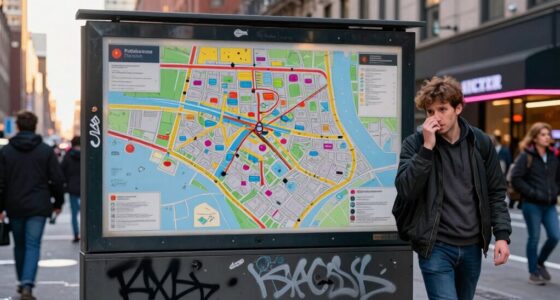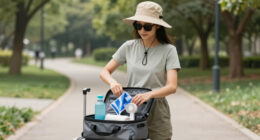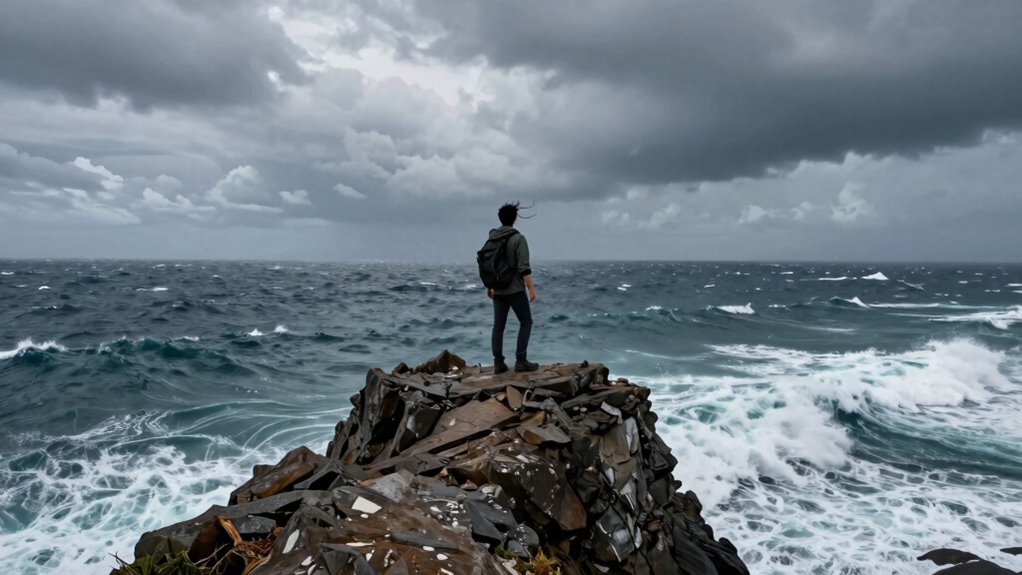

Overconfidence can make you ignore essential safety measures, like travel insurance or respecting local customs, increasing your vulnerability to problems. When you’re overly confident, you might underestimate risks such as theft, scams, or cultural misunderstandings, which can lead to costly or dangerous situations. Fear or caution, on the other hand, helps you stay alert and prepared. To protect yourself and enjoy your trip safely, it’s vital to find a healthy balance—there’s more to think about if you keep exploring.
Key Takeaways
- Overconfidence leads travelers to overlook essential safety precautions like travel insurance and local customs.
- It causes complacency, reducing vigilance against risks such as theft, scams, or unsafe environments.
- Believing in one’s ability to handle unexpected situations increases vulnerability to unforeseen problems.
- Overestimating familiarity with a destination can result in ignoring safety advice and cultural sensitivities.
- Confidence without caution hampers preparedness, making travelers less adaptable to new or risky scenarios.

When you travel, it’s easy to assume you have everything under control, but overconfidence can actually be more dangerous than fear. You might think that because you’ve traveled before or speak a little of the local language, you’re prepared for anything. But this mindset can lead you to overlook important details that could save you from trouble. For example, many travelers skip buying travel insurance, believing they won’t need it or that it’s unnecessary. However, unexpected illnesses, lost luggage, or canceled flights can happen to anyone, and without proper coverage, you’ll be left to handle costly issues alone. Overconfidence might make you dismiss the importance of travel insurance, but it’s a safety net that can significantly ease your burden if things go wrong.
Overconfidence can lead travelers to overlook crucial safety details, risking costly surprises and missed opportunities for protection.
Another aspect where overconfidence can trip you up is in understanding local customs. You might assume that what’s acceptable at home applies everywhere, or you might think you can figure things out on the fly. But local customs vary widely, and failing to respect them can lead to awkward situations or even offending people unintentionally. For example, certain gestures, dress codes, or social behaviors that are normal in your country might be inappropriate elsewhere. When you’re overconfident about navigating these differences, you risk alienating locals or getting into trouble with authorities. It’s smarter to do a little research beforehand, learn about the customs, and approach new environments with humility and respect. Being aware of cultural differences can help you avoid misunderstandings and foster positive interactions.
Overconfidence also blinds you to potential risks that aren’t immediately obvious. You might believe that because you’re cautious at home, you’ll be equally careful abroad. Yet, unfamiliar environments often come with hidden dangers. You might underestimate the importance of learning basic safety tips, such as avoiding certain neighborhoods at night or keeping valuables secure. When you’re overly confident, you tend to overlook these precautions, making yourself an easier target for theft or scams. Additionally, understanding the importance of biodiversity and conservation can help travelers make more environmentally conscious choices that benefit local ecosystems. It’s essential to stay vigilant, respect local laws, and listen to advice from locals or trusted sources. Being aware of local safety tips and potential risks can help you respond more effectively if something unexpected happens.
Ultimately, the key to safe and enjoyable travel is balancing confidence with caution. Enjoy exploring new places, but don’t let overconfidence lull you into complacency. Recognize the value of travel insurance and make it a priority. Respect local customs, and be open to learning from those around you. When you approach your travels with a mix of curiosity and humility, you’ll navigate uncertainties more effectively and have a richer experience. Remember, feeling prepared doesn’t mean you’re invincible—stay aware, stay safe, and keep your confidence in check.

WALNEW RFID Passport Holder Travel Organizer, Fits International Driving Permit (IDP), PU Leather Document Holder for One Passport, Stylish Travel Accessory, Dark Blue
【RFID Protection for Secure Travel】Built-in RFID blocking helps protect your passport and personal information from unauthorized scans, so…
As an affiliate, we earn on qualifying purchases.
As an affiliate, we earn on qualifying purchases.
Frequently Asked Questions
How Can Overconfidence Affect Travel Safety?
Overconfidence can impair your risk assessment, making you underestimate potential dangers during travel. You might ignore safety precautions, believing you’re invincible or overly prepared, which leads to risky situations. Maintaining a safety mindset helps you stay vigilant and aware of your surroundings. Being cautious and realistic about risks guarantees you make smarter decisions, ultimately safeguarding your trip. Overconfidence, if unchecked, can turn enjoyable adventures into unsafe experiences.
What Are Common Signs of Overconfidence While Traveling?
You might overlook cultural awareness and local customs, thinking you already know enough, which is a common sign of overconfidence. You could dismiss warnings or advice, believing you’re immune to potential risks. Ignoring local norms or dressing inappropriately shows a false sense of security. Overconfident travelers often underestimate language barriers or legal differences, risking misunderstandings or conflicts. Stay humble, respect local customs, and keep learning to stay safe and enrich your travel experience.
How Does Fear Impact Travel Decision-Making?
Fear acts like a cautious compass, sharpening your risk perception and guiding you away from danger. It prompts you to double-check plans and avoid risky decisions, reducing impulsive choices driven by decision biases. While fear can sometimes cloud judgment, it generally helps you stay alert and prepared, preventing reckless actions. Embracing fear’s warning signals can keep you safer, guiding your travels with a mindful, protective instinct rather than reckless overconfidence.
Can Overconfidence Lead to Underestimating Risks?
Yes, overconfidence can lead you to underestimate risks, making you less cautious about safety. When you’re overly confident, you might neglect cultural awareness and emergency preparedness, thinking you’re immune to problems. This mindset can cause you to overlook important safety measures, increasing your chances of trouble. Staying humble, respectful of local customs, and prepared for emergencies helps you avoid underestimating risks and guarantees a safer, more enjoyable trip.
How Can Travelers Balance Confidence and Caution?
To balance confidence and caution, you should stay informed about your destination’s culture and potential risks, cultivating cultural awareness. Always consider travel insurance to safeguard against unforeseen events. While trusting your abilities, avoid overestimating your knowledge or skills. Stay alert, follow local advice, and be open to adjusting your plans. This approach helps you enjoy your trip confidently, without underestimating dangers, ensuring a safer, more respectful travel experience.
cultural etiquette guide for travelers
As an affiliate, we earn on qualifying purchases.
As an affiliate, we earn on qualifying purchases.
Conclusion
As you pack your bags, it’s easy to think you’ve got everything under control, but that overconfidence can blind you to real risks. Just last summer, a small oversight in planning led to unexpected trouble, reminding you that humility keeps you safe. Sometimes, it’s the coincidence of overlooked details—like a missed passport or wrong turn—that teaches you the importance of balancing confidence with caution. Stay alert, and your travels will be smoother and safer.
anti-theft travel backpack
As an affiliate, we earn on qualifying purchases.
As an affiliate, we earn on qualifying purchases.

Mini First Aid Kit – 150 Piece Small Waterproof Hard Shell Medical Kit for Home, Car, Travel, Camping, Truck, Hiking, Sports, Office, Vehicle & Outdoor Emergencies- Small First Aid Medical Kit (Red)
ESSENTIALS FOR EMERGENCY: Everything you need is in this first aid kit! Our kit includes over 150 professional-grade…
As an affiliate, we earn on qualifying purchases.
As an affiliate, we earn on qualifying purchases.