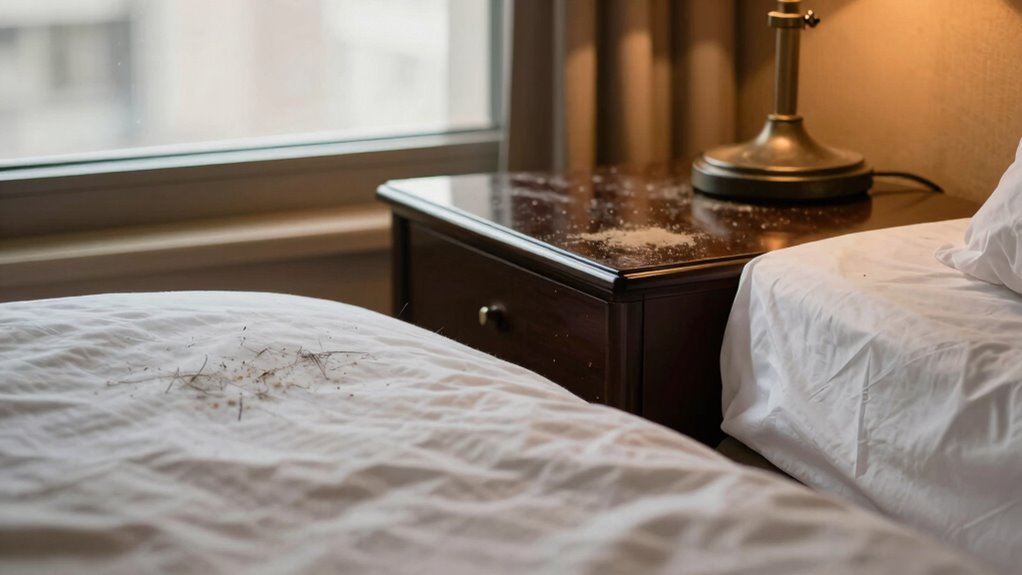

You might feel a hotel room is dirtier even when it’s spotless because subconscious cues influence your perception. Poor lighting can hide imperfections, while faint odors or textures like stained carpets can signal uncleanliness. Visual presentation and sensory details, such as smell and touch, play huge roles in shaping how clean a space feels. By understanding these factors, you can better recognize what impacts your impressions—and there’s more you can discover about these hidden triggers.
Key Takeaways
- Dim or uneven lighting can hide imperfections, making rooms feel dirtier than they are.
- Lingering odors, such as musty smells, influence perceptions of cleanliness regardless of actual hygiene.
- Visual imperfections like stains or textures subconsciously signal neglect or dirt.
- Subtle cues like furniture arrangement and surface presentation impact guests’ cleanliness perception.
- Sensory factors, including sight, smell, and touch, work together to shape overall impressions beyond real cleanliness.
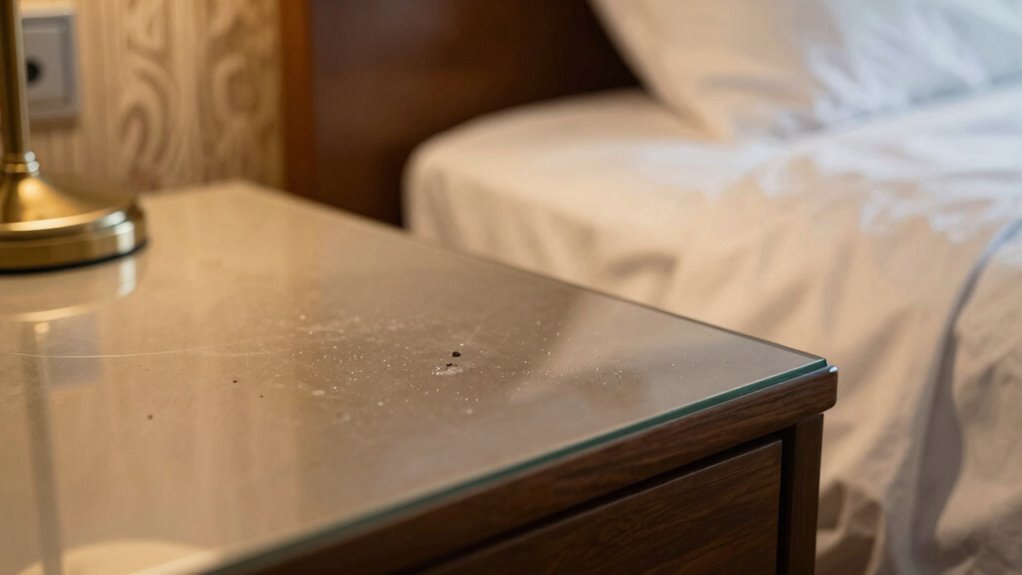
Have you ever stepped into a hotel room that looks clean but still somehow feels dirty? That odd sensation isn’t just in your head. It’s rooted in guest perception and cleanliness psychology, two key factors that influence how we experience cleanliness beyond what meets the eye. Even if the linens are spotless and the bathroom shiny, certain subtle cues can trigger discomfort or suspicion. Your mind picks up on these cues, shaping your overall impression of the space, often more powerfully than the actual level of cleanliness. This is why a room can appear pristine yet still feel unclean.
Guest perception plays a pivotal role here. It’s not just about the visible cleanliness but also about your subconscious expectations and previous experiences. If you’ve been in hotels where cleanliness was lacking, your brain becomes more alert to signs of dirt or neglect, even if they’re not present. Conversely, hotels that emphasize presentation—spotless surfaces, fresh linens, tidy rooms—may still evoke a sense of dirtiness if other elements seem off. For example, a faint smell, a stained carpet, or even the texture of certain materials can subconsciously signal uncleanliness. Your perception is highly sensitive to these details, and they can override your logical understanding that the room is thoroughly cleaned.
Guest perceptions are influenced by subtle cues like smells and textures, which can override logical beliefs about cleanliness.
The psychology behind cleanliness influences how you interpret these cues. Our brains tend to associate certain smells, textures, or visual imperfections with dirt or germs. A lingering musty odor, for instance, might not indicate actual filth but can create the impression that the room isn’t hygienic. Similarly, the feel of a fabric or the pattern on a wall can subconsciously suggest neglect or uncleanliness. Even lighting plays a role—dim or uneven lighting can hide imperfections, making the room seem dirtier than it really is. These psychological factors work together, shaping your overall feeling of cleanliness or dirtiness despite the objective cleanliness of the space. Additionally, the visual presentation of a room, including the arrangement and condition of furniture, can influence perceptions of cleanliness and orderliness.
Furthermore, lighting conditions can significantly influence perceptions, as poorly lit spaces may conceal dirt or imperfections, intensifying feelings of uncleanliness. In addition, the presence of unpleasant odors can have a disproportionate impact on how clean a space feels, regardless of its actual state. These psychological factors work together, shaping your overall feeling of cleanliness or dirtiness despite the objective cleanliness of the space. Interestingly, research shows that visual cues such as cleanliness of surfaces and overall organization can strongly impact guest perceptions, sometimes more than actual cleanliness. Recognizing the importance of sensory details like smell, touch, and sight, hotels can better manage guest perceptions by paying attention to these subtle cues. In the end, your experience boils down to a complex interplay between what’s actually clean and how your mind perceives it. Hotels that pay attention to subtle cues—odor control, lighting, textures—can better manage guest perception, ensuring that rooms feel as clean as they look. Understanding cleanliness psychology helps hotel staff create environments where guest perceptions align more closely with reality, making sure you leave with a positive impression rather than lingering doubts about dirt.

COCODOR Fragrance Room Spray/Woody Hotel/ 2.7oz(80ml) / Made with Essential Oils, scented room closet fabric odor eliminator spray
- Luxurious Woody Hotel Scent: Rich gaiac wood with herbal notes
- Powerful Odor Eliminator: Removes pet, smoke, bathroom odors
- Long-Lasting Fabric Freshener: Freshens linens, clothes, and upholstery
As an affiliate, we earn on qualifying purchases.
As an affiliate, we earn on qualifying purchases.
Frequently Asked Questions
Do Hotel Cleaning Standards Vary by Country?
Yes, hotel cleaning standards vary by country because of different cleaning protocols and cultural differences. Some countries emphasize thorough sanitation, while others focus on quick turnovers, which can affect perceived cleanliness. You might notice that hotels in certain regions use more disinfectants or have stricter guidelines. Being aware of these differences helps you set expectations and choose accommodations that meet your cleanliness standards.
Can Personal Perceptions Influence Cleanliness Ratings?
Ever wonder if your personal perceptions influence cleanliness ratings? They definitely can. Your guest expectations and sensory sensitivity shape how you perceive a room’s cleanliness, even if it’s spotless. If you’re more sensitive to smells or textures, a room might feel dirtier to you. Your mindset plays a big role—what feels clean to one person might seem less so to another. Recognizing this helps you better manage your expectations and enjoy your stay.
Are Certain Hotel Room Features More Prone to Feeling Dirty?
Certain hotel features, like carpets, can make a room feel dirtier, especially if they’re stained or smell musty, even if cleaned regularly. You might also notice a sense of uncleanliness if bedbug prevalence is high, as it creates a subconscious feeling of discomfort. These elements influence your perception more than actual cleanliness, making the room seem dirtier despite proper sanitation efforts.
How Do Hotel Odors Affect Cleanliness Perceptions?
Hotel odors profoundly influence how clean you perceive a room to be. The olfactory influence, driven by scent memory, can make a space seem dirtier or cleaner based on familiar smells. If a room has an unpleasant or strong scent, your brain may associate it with dirt or neglect, even if it’s spotless. Conversely, fresh and pleasant scents often boost your sense of cleanliness, making you feel more comfortable during your stay.
Is There a Psychological Reason for Feeling Rooms Are Dirtier?
Imagine walking into a room where your sensory expectations are like a map guiding you. If you associate certain smells or sights with dirt, your cleanliness biases kick in, making the room feel dirtier—even if it’s spotless. This psychological reason stems from your brain’s tendency to judge based on past experiences, creating a perception that’s more about expectation than actual cleanliness. Your mind’s eye shapes your experience in every space.

Sujeet Night Light, Night Lights Plug into Wall 8-Pack, Nightlight Plug in Night Light, Dusk to Dawn Night Lamp Led (Warm White)
- Pack of 8 Night Lights: Energy-efficient LED night lights
- Low Power Consumption: 0.5 watts, 50 lumens, 3000K warm white
- Long-lasting LEDs: 4 LEDs with 7-hour lifespan daily
As an affiliate, we earn on qualifying purchases.
As an affiliate, we earn on qualifying purchases.
Conclusion
Next time you check into a hotel, remember that your perception of cleanliness isn’t always about actual dirt. Curiously, a study found that 60% of travelers feel rooms are dirtier than they truly are, mainly because of lingering smells or unseen residues. So, don’t stress if a room feels less than spotless; your senses can sometimes deceive you. Trust your instincts, but also know that hotels work hard to keep things hygienic—perceptions can be just as powerful as reality.

FOLEX Instant Carpet Spot Remover 32 oz – Powerful Stain Remover for Carpets, Upholstery & Rugs – Eliminates Pet Stains, Grease, Red Wine, Food, Makeup & More – With Reusable Cleaning Cloth – 1 Pack
- Surface Compatibility: Safe on upholstery, carpets, and rugs
- Instant Cleaning: No rinsing or vacuuming needed
- Chemical-Free Formula: No harsh chemicals or reappearing spots
As an affiliate, we earn on qualifying purchases.
As an affiliate, we earn on qualifying purchases.

Smarter Home Ideas UV Sanitizer Wand – Portable UV Light Sanitizer for Room and Travel – 99.99% Ultraviolet Sanitizing Light, Handheld UV Sanitizing Lamp
- High-Efficiency UV Sanitizer: 99.99% germ elimination
- Versatile Use: Suitable for home, office, travel
- Portable Design: Fits in bags, purses, backpacks
As an affiliate, we earn on qualifying purchases.
As an affiliate, we earn on qualifying purchases.