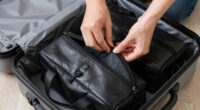
To plan scenic drives without getting sick or feeling rushed, choose smooth, winding routes with good road conditions and avoid steep or irregular paths. Travel during mild weather and avoid tight schedules by scheduling regular breaks at scenic spots to stretch and enjoy the views. Keep hydrated, pack light snacks, and sit in the front or keep your gaze steady on distant scenery. If you want to discover more tips, you’ll find helpful strategies to make your trip more comfortable.

Get travel and outdoor gear delivered free with Prime
- Fast, free delivery on millions of items
- Prime Video, Amazon Music and more included
- Member-only deals all year
Key Takeaways
- Choose smooth, gently winding routes with good road conditions and scenic viewpoints to minimize motion sickness and maximize enjoyment.
- Schedule travel during early mornings or late afternoons to avoid traffic and allow for relaxed, unhurried stops.
- Incorporate regular breaks every 1-2 hours at scenic rest areas for stretching, hydration, and enjoying the environment.
- Use visual and sensory cues like focusing on distant landscapes and utilizing aromatherapy to reduce motion sickness.
- Plan flexible timing with extra time for unplanned stops to prevent feeling rushed and enhance the scenic experience.
As an affiliate, we earn on qualifying purchases.
What Causes Car Sickness and How It Affects Your Scenic Drive
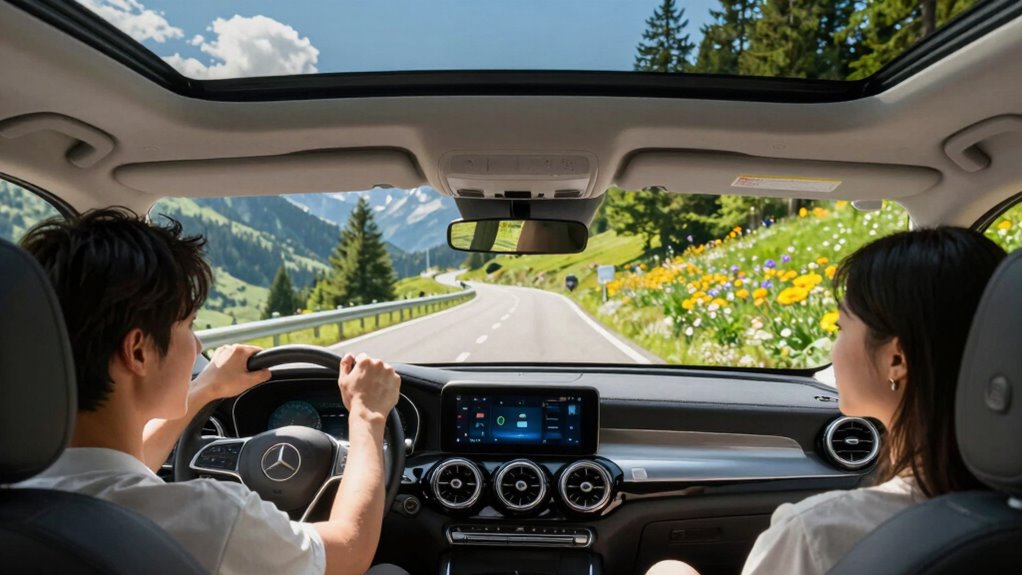
Car sickness occurs when your brain receives conflicting signals about movement from your eyes, inner ear, and muscles. Your inner ear balance system detects motion and helps maintain stability, but if your eyes see a stationary scene while your inner ear senses movement, confusion arises. Visual motion cues are essential—if they don’t match what your inner ear perceives, your brain struggles to process the conflicting information. This mismatch creates nausea, dizziness, and discomfort, making it harder to enjoy scenic drives. When your eyes focus on the landscape outside, they send clear signals that can help reduce these conflicts. Additionally, proper seating position can influence how your inner ear and vision work together, potentially reducing symptoms during your drive. Maintaining a steady gaze on the horizon or distant objects can further help your brain reconcile movement signals and minimize motion sickness. Understanding how your inner ear balance and visual cues interact is key to minimizing motion sickness and making your scenic journey more pleasant. Paying attention to sensory integration can help your brain better process movement information and improve overall comfort during drives. Recognizing the importance of visual and vestibular coordination can further assist in reducing discomfort during travel. Moreover, adopting a calm and relaxed mindset can help your body better adapt to motion and lessen symptoms.
As an affiliate, we earn on qualifying purchases.
Picking the Right Routes and Best Times to Minimize Motion Sickness
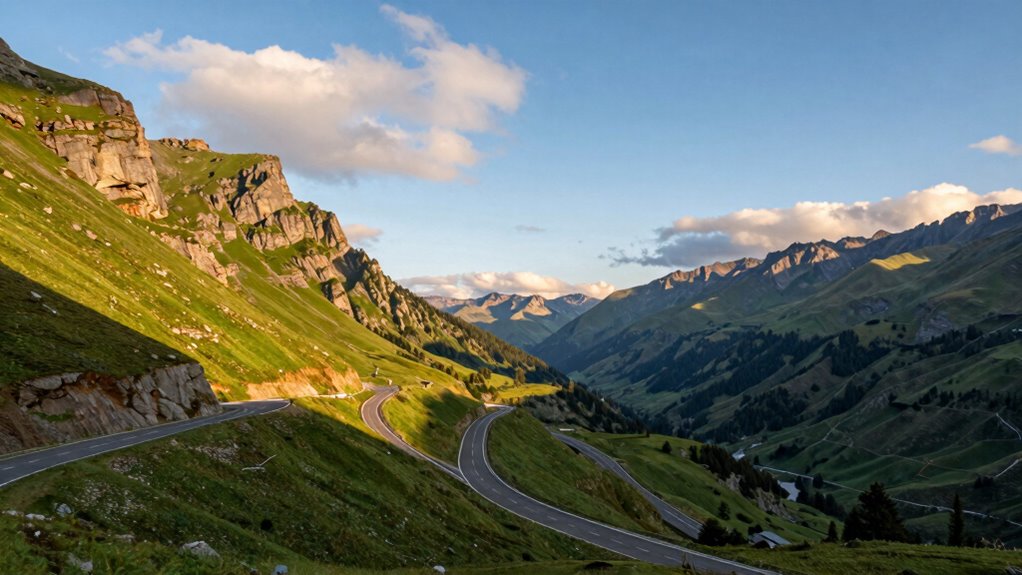
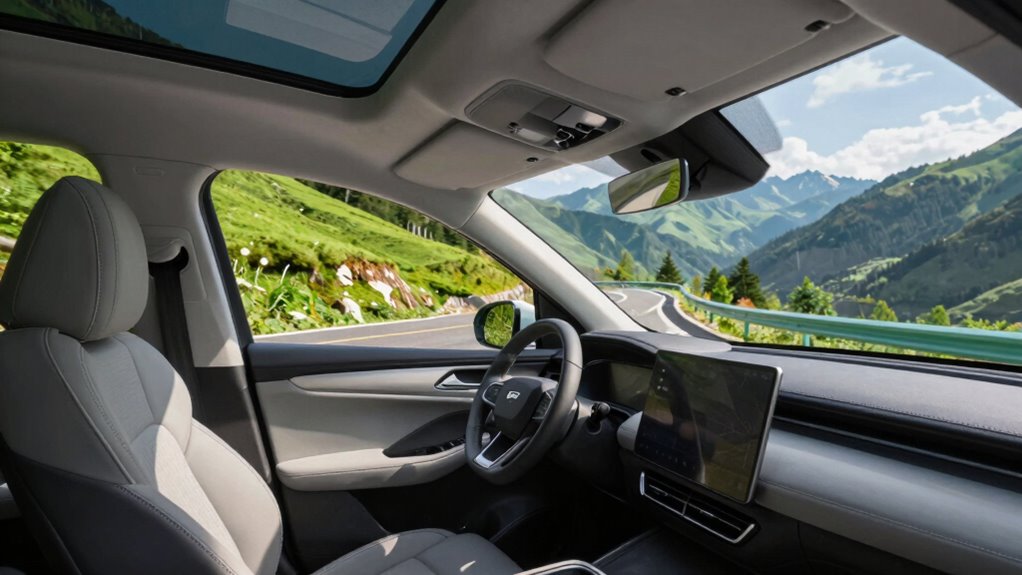
Choosing the right routes and timing can markedly reduce your chances of experiencing motion sickness during scenic drives. When selecting your route, consider winding roads with gentle curves over steep or irregular paths. Opt for routes with good road conditions to prevent sudden jolts. Planning your drive during the best travel times—early mornings or late afternoons—helps avoid heavy traffic and frequent stops. Keep an eye out for scenic byways that offer smooth, predictable rides. Additionally, check weather conditions; clear days with mild temperatures minimize discomfort. Being aware of driving conditions and how they influence motion sickness can further enhance your experience. For example, understanding motion sickness triggers can help you anticipate and prepare for potential discomfort. Incorporating proper seating positions can also make a significant difference in reducing nausea. Using seat adjustments to find the most comfortable and stable position can further improve comfort during the drive. By focusing on route selection and timing, you can create a more comfortable, enjoyable experience. Remember, the goal is to minimize abrupt movements and stressful stops, ensuring your scenic drive remains relaxing and free from nausea.
As an affiliate, we earn on qualifying purchases.
Getting Your Vehicle and Packing Ready for a Comfortable Trip
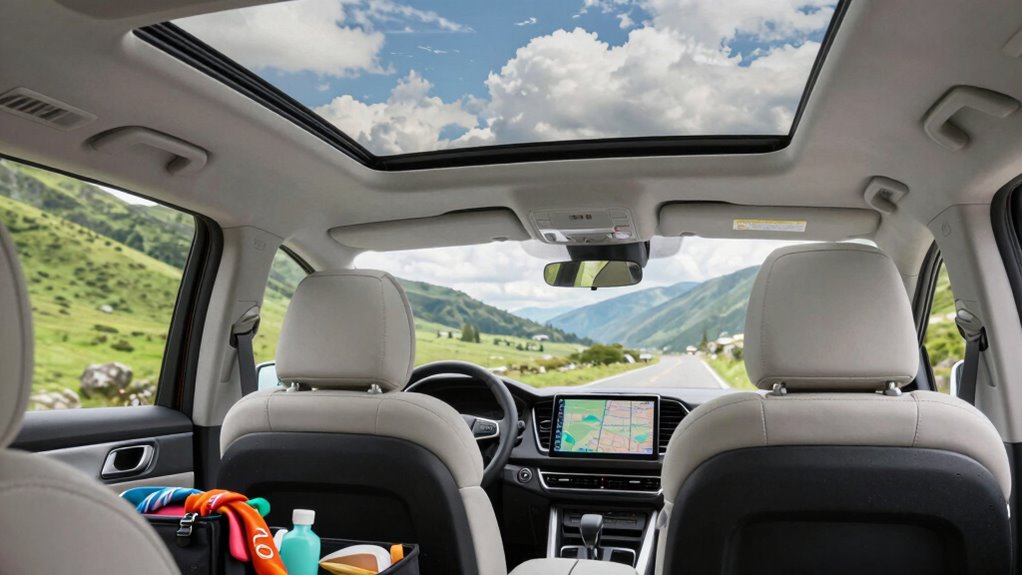
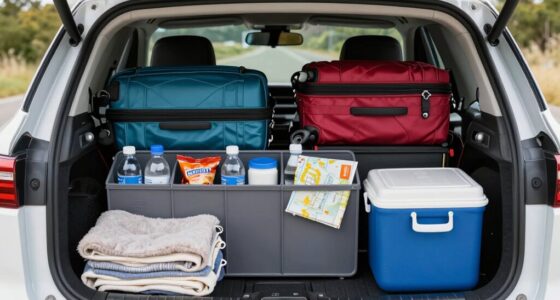
To guarantee a comfortable scenic drive, start by thoroughly checking your vehicle’s condition before hitting the road. Good vehicle maintenance ensures safety and smooth sailing. Check tire pressure, fluid levels, brakes, and lights. Pack essentials like water, snacks, a first aid kit, chargers, and a map or GPS. Proper packing keeps you organized and ready for any situation. Use this quick reference to prepare:
| Item | Purpose | Tips |
|---|---|---|
| Vehicle maintenance | Safety and reliability | schedule a tune-up |
| Packing essentials | Comfort and convenience | pack in accessible bags |
| Emergency kit | Unexpected situations | include first aid, tools |
Being prepared helps you stay relaxed and enjoy your scenic drive fully. Additionally, ensuring your vehicle’s water chemistry is properly maintained can prevent breakdowns and ensure a smooth ride. Regularly checking and maintaining the fluid levels in your vehicle is essential for optimal performance and can help avoid unexpected issues on the road. Incorporating knowledge about AI-driven innovations in vehicle technology could enhance your safety and comfort during the trip. Moreover, paying attention to weather conditions can help you plan your route and departure time to avoid adverse weather that might cause delays or discomfort. Staying informed about vehicle diagnostics can also help you address minor issues before they become major problems.
car window sunshade for scenic drives
As an affiliate, we earn on qualifying purchases.
As an affiliate, we earn on qualifying purchases.
Planning Breaks and Rest Stops to Stay Relaxed
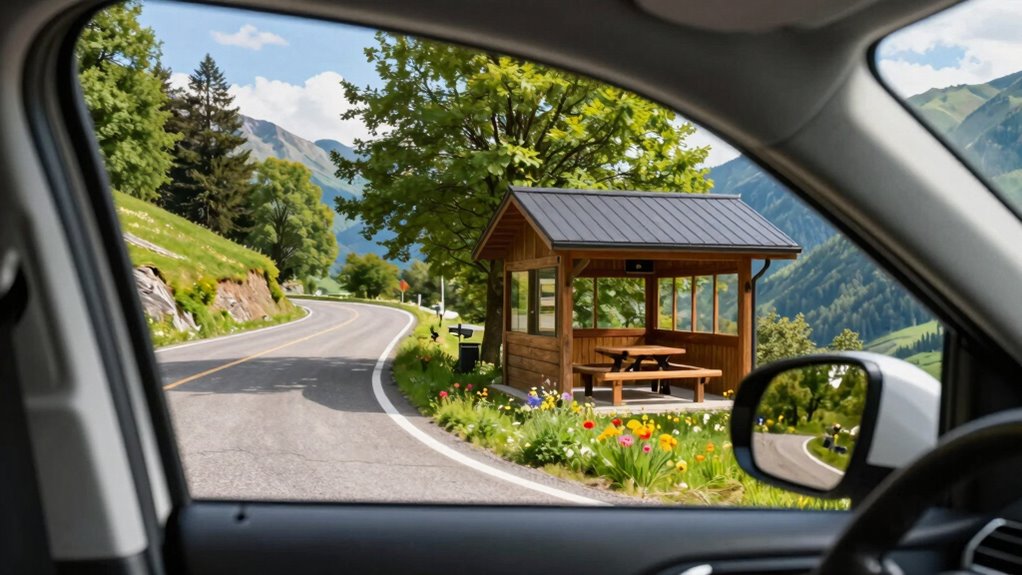
To stay relaxed during your scenic drive, it’s important to plan regular breaks and rest stops. Pick scenic areas where you can stretch, refresh, and enjoy the views without rushing. Make sure to stay hydrated and keep snacks handy to maintain your energy throughout the trip. Additionally, consider exploring trusted resources or guides that highlight popular scenic routes to enhance your experience and ensure well-timed breaks. Being aware of mammography guidelines can help you schedule health checkups around your travel plans, ensuring you stay comfortable and informed during your journey. Planning your route with waterpark safety tips in mind can also contribute to a stress-free and enjoyable trip. Incorporating best makeup products for women over 50 tips can help you feel confident and comfortable if you decide to freshen up during your stops. Remember to also check for local health advisories to stay aware of any safety considerations along your route.
Schedule Regular Breaks
Since long drives can quickly become exhausting, scheduling regular breaks is essential to stay relaxed and alert. Stopping frequently helps prevent fatigue and reduces the risk of car sickness. To make the most of your breaks, consider these tips:
- Plan your stops around scenic viewpoints or interesting spots
- Time your breaks to avoid peak traffic hours
- Use breaks to stretch your legs and improve circulation
- Keep breaks short but frequent, around every 1-2 hours
- Stay hydrated and snack lightly during each stop
- Incorporate simple foam rolling exercises during breaks to enhance recovery and HRV by improving circulation and reduce muscle tension. Recognizing long-term adaptability can also help you adjust your driving schedule over time for better comfort and health.
Choose Scenic Rest Areas
Choosing scenic rest areas along your route enhances your driving experience while helping you stay relaxed. Look for spots with scenic viewpoints that offer beautiful views, so you can stretch your legs and take photos. Rest area amenities like clean bathrooms, shaded picnic areas, and benches make breaks more comfortable and enjoyable. Prioritize stops near natural features or interesting landscapes to maximize your scenic experience. Avoid crowded or noisy areas that might cause unnecessary stress. Planning your rest stops at well-maintained locations ensures you can relax fully before hitting the road again. Incorporating sound healing science into your breaks—such as listening to calming sound frequencies—can further enhance relaxation. For an even more calming experience, choose rest areas with natural sound environments that promote tranquility. Additionally, selecting rest areas that utilize natural soundscapes can help you maintain a peaceful state of mind during your journey. By selecting rest areas with scenic viewpoints and good amenities, you’ll keep your drive peaceful, prevent fatigue, and make the most of your scenic adventure. Incorporating luxury amenities such as comfortable seating and premium facilities can further elevate your rest stops. To deepen relaxation, consider locations that integrate natural elements, creating a more immersive tranquil environment.
Stay Hydrated and Fed
Staying hydrated and fed during your drive is essential for maintaining alertness and comfort on the road. Proper hydration tips include drinking water regularly, avoiding caffeine and sugary drinks that can cause crashes. For snack choices, opt for light, energy-boosting options like nuts, fruit, or granola bars to prevent fatigue. Remember to plan regular breaks at scenic rest areas, which help you stretch and reset. Keep a water bottle handy and pack nutritious snacks to stay energized. This way, you stay relaxed and focused, avoiding unnecessary discomfort. Incorporate these simple habits to make your scenic drive enjoyable and free of car-sick or rushed feelings. Staying well-hydrated and fed guarantees you savor every view without feeling rushed or drained.
Tips and Strategies to Prevent Nausea During Your Drive
Nausea during a scenic drive can quickly turn an enjoyable experience into a discomforting one, but there are simple strategies you can use to prevent it. Aromatherapy techniques, like inhaling peppermint or ginger essential oils, can help ease nausea and promote relaxation. Keep a small, portable diffuser or breathe deeply from an open window to benefit from these scents. Additionally, exploring alternative remedies such as ginger candies or teas may soothe your stomach. Avoid reading or looking at screens, as focusing on close objects can worsen symptoms. Sitting in the front seat and keeping your head still also minimizes motion sickness. Staying calm, relaxed, and proactive with these tips can make your scenic drive more enjoyable and nausea-free.
Setting Realistic Paces and Expectations for Enjoying the Scenery
To truly enjoy a scenic drive, it is essential to set a pace that allows you to appreciate the surroundings without feeling rushed. Respect driving etiquette by maintaining a safe distance and signaling your intentions. Plan regular stops at scenic viewpoints to soak in the views and avoid fatigue. Keep your expectations realistic—don’t aim to see everything in one trip; instead, focus on quality over quantity. Here are some tips:
- Allow extra time for unplanned stops
- Avoid tight schedules that rush your experience
- Communicate with passengers about stopping points
- Prioritize scenic viewpoints over speed
- Be patient with other drivers and the environment
Frequently Asked Questions
Can Certain Foods Help Prevent Car Sickness During Scenic Drives?
Certain foods can help prevent car sickness during scenic drives. You should avoid food triggers like greasy, spicy, or heavy meals that might upset your stomach. Instead, opt for light, bland snacks like crackers or bananas. Stay hydrated with water or herbal teas, as dehydration can worsen symptoms. These hydration tips, combined with mindful eating, can make your ride more comfortable and reduce the chances of feeling queasy.
Are There Specific Medications Recommended for Motion Sickness Relief?
If you’re worried about medication options for motion sickness, don’t be. There are effective remedies like antihistamines, such as dimenhydrinate or meclizine, that can help you enjoy scenic drives without discomfort. These medications work best if taken before travel. Always consult your doctor first, especially if you have existing health conditions or take other medications, to guarantee safe and effective motion sickness relief.
How Does Altitude Affect Nausea During Mountain Drives?
Altitude can cause nausea during mountain drives by triggering altitude sickness. As you ascend, your body needs time to acclimate, so follow acclimatization tips like staying hydrated, avoiding alcohol, and taking breaks at lower elevations. If symptoms appear, descend to a lower altitude promptly. Being aware of altitude sickness helps you prevent nausea and enjoy your scenic drive comfortably.
Can Seating Position Influence Susceptibility to Car Sickness?
Your seating position can definitely influence your susceptibility to car sickness. Focus on proper seating ergonomics by sitting upright with good back support, which helps your body stay balanced. Keep your window positioned to allow fresh air and a steady view of the scenery, reducing dizziness. Avoid crossing your legs or leaning forward, as these can worsen nausea. Adjust your seat so you can see outside comfortably and stay alert during your scenic drive.
What Are Natural Remedies to Stay Comfortable on Long Scenic Routes?
To stay comfortable on long scenic routes, try natural remedies like ginger or peppermint, which can help reduce nausea. Use calming techniques such as deep breathing or listening to soothing music to relax your mind and body. Keep your head steady and focus on the horizon, and take regular breaks to stretch and refresh. These alternative remedies and calming techniques can make your scenic drive more enjoyable and less stressful.
Conclusion
By understanding what causes car sickness and planning your route, breaks, and pacing, you can turn your scenic drive into a smooth, enjoyable adventure. Think of your trip like a gentle river—flowing steadily without rushing or jolting. With these tips, you’ll stay comfortable and relaxed, soaking in the scenery without feeling overwhelmed. So, prepare well, set realistic goals, and let the journey be as breathtaking as the destination itself.
Halloween Picks
halloween
As an affiliate, we earn on qualifying purchases.