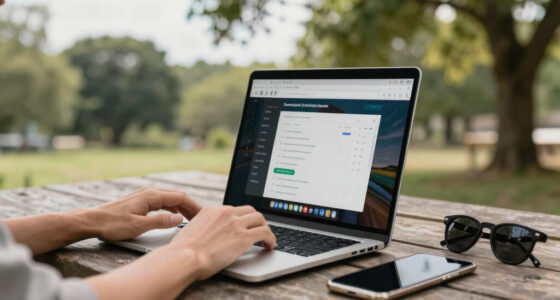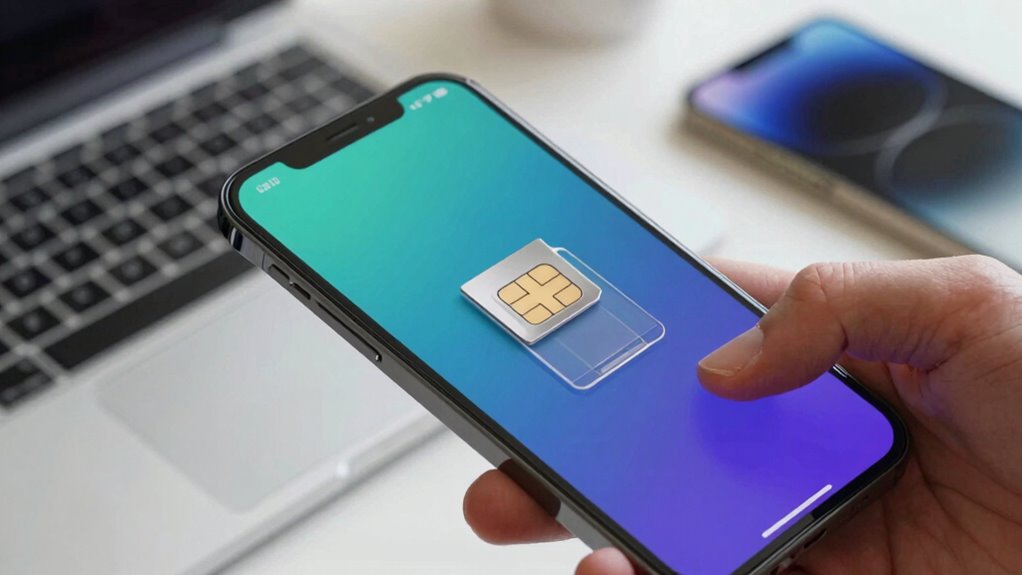

To choose between an eSIM and a physical SIM, consider your device compatibility, travel needs, and preferences for convenience. If your device supports eSIMs and you want easier switching and less wear, go digital. Physical SIMs work better if you swap devices often or travel internationally. Think about costs, security, and regional carrier support. For a clearer understanding of your best option, explore further insights on each type’s features and benefits.

Get travel and outdoor gear delivered free with Prime
- Fast, free delivery on millions of items
- Prime Video, Amazon Music and more included
- Member-only deals all year
Key Takeaways
- Consider device compatibility: newer models often support eSIM, while older devices may only have physical SIM slots.
- Evaluate your travel and switching needs: eSIMs simplify switching carriers remotely; physical SIMs are better for frequent device changes.
- Check regional carrier support: ensure your carrier supports eSIM activation in your area to avoid setup issues.
- Compare cost and convenience: eSIMs may have activation fees but eliminate physical card handling; physical SIMs are usually cheaper upfront.
- Assess security and durability: eSIMs offer better theft resistance and durability, ideal for long-term use without physical damage.
What Are eSIMs and Physical SIM Cards?
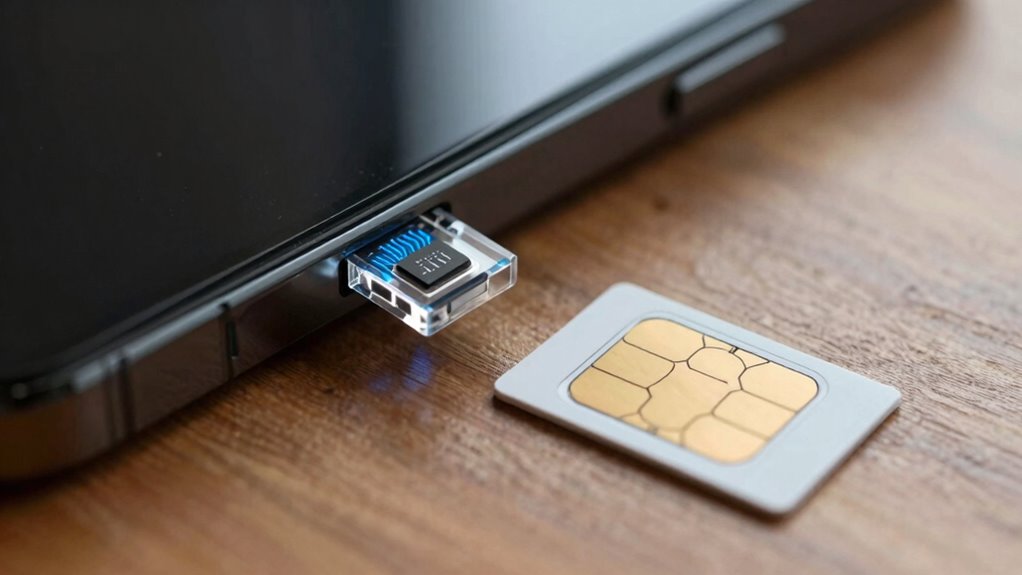
Have you ever wondered what sets eSIMs apart from traditional SIM cards? To understand that, let’s look at the SIM card history. Traditional SIM cards are physical chips inserted into your device, enabling network access. They’ve been around for decades, evolving from full-sized cards to nano SIMs. An eSIM, or embedded SIM, is a tiny chip built directly into your device’s circuitry, eliminating the need for a removable card. This technology offers greater flexibility, allowing you to switch carriers digitally. As the eSIM future unfolds, more devices will adopt this tech, making switching providers easier and reducing e-waste. While physical SIM cards have served us well, eSIMs promise a more streamlined, versatile approach to mobile connectivity.
How Do eSIMs and Physical SIMs Differ in Design and Technology?
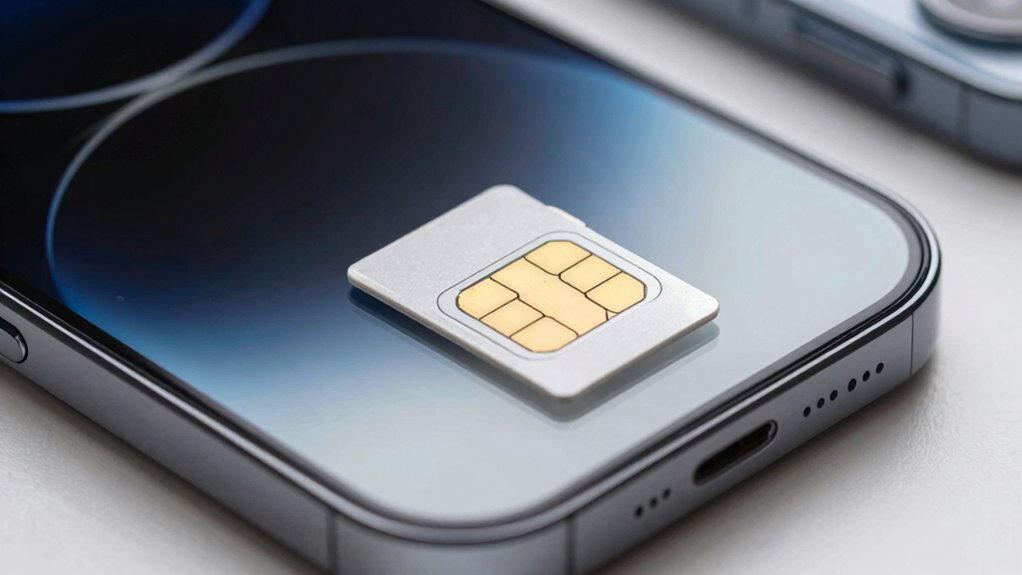
The differences between eSIMs and physical SIM cards extend beyond their functions to their design and technology. An eSIM features a small, embedded chip soldered directly onto your device’s motherboard, making it more compact and resistant to damage. In contrast, a physical SIM is a removable card that fits into a slot, allowing easy swapping. Here’s a quick comparison:
| Feature | eSIM Design | Physical SIM Technology |
|---|---|---|
| Size | Extremely small, embedded | Larger, removable card |
| Installation | Built-in, no physical swap | Inserted into a slot |
| Flexibility | Programmable remotely | Manually replaced |
| Durability | More resistant to wear | Susceptible to damage |
| Compatibility | Limited to compatible devices | Widely supported |
This shows how their design impacts device integration and flexibility. Additionally, advancements in mobile technology continue to influence the evolution of SIM card designs and their roles in modern devices. As technology progresses, eSIM adoption is expected to increase, further transforming how users connect to networks. The development of filtration and pump protection techniques in related fields highlights the importance of durability and maintenance in electronic components. Moreover, ongoing research into device security aims to improve the safety and privacy of digital communications involving SIM technology.
What Are the Advantages and Disadvantages of eSIMs?
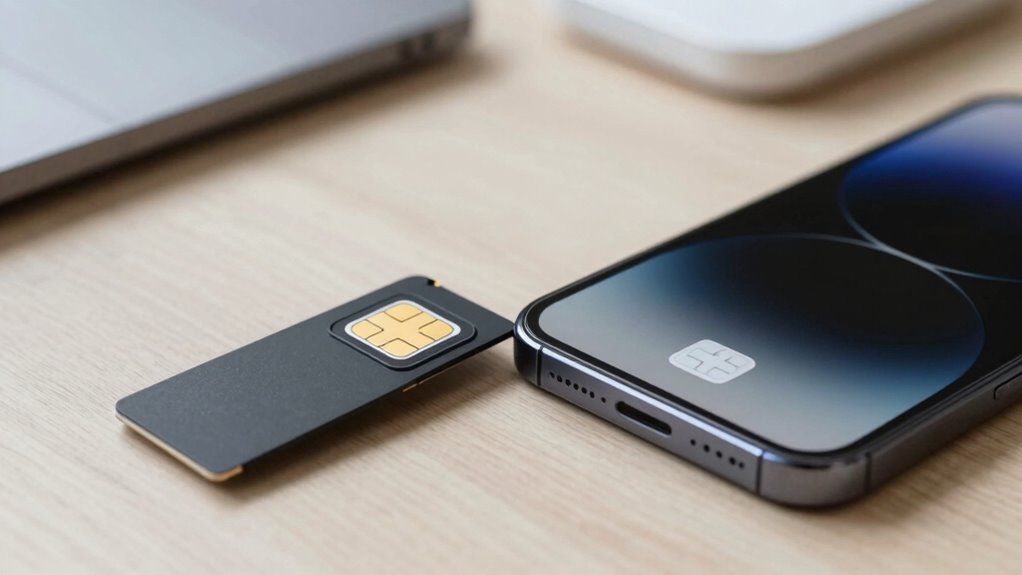
eSIMs offer several advantages that can benefit device users, especially regarding convenience and durability. You won’t need to swap physical cards when changing carriers or devices, saving time and hassle. Plus, eSIMs are embedded directly into your device, making them more resistant to damage and wear. However, some eSIM limitations exist, like limited compatibility with older devices and restrictions on switching carriers in certain regions. Be aware of physical SIM misconceptions, such as believing they’re always more flexible—this isn’t true with eSIMs. While eSIM technology simplifies connectivity, it’s not perfect. You might face challenges with carrier support or device activate. Weighing these pros and cons helps you decide if an eSIM suits your needs or if a physical SIM remains the better choice.
Which Devices Support eSIMs and Physical SIM Cards?
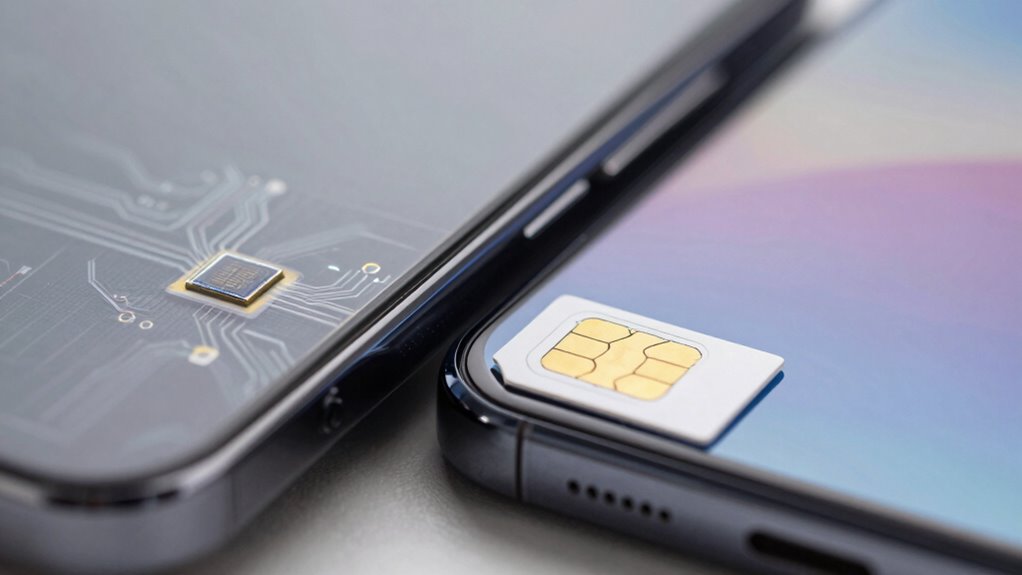
Not all devices support eSIMs and physical SIM cards equally, so it’s important to check compatibility before making a choice. Some smartphones and tablets are designed to work with both, while others may only support one type. Additionally, carrier support can vary, affecting which devices you can use with specific networks. Being aware of device compatibility and drone insights can help you make a smarter decision. For example, understanding sound healing science can inform you about the benefits of incorporating calming sounds into your device usage or relaxation routines. Recognizing ear wax odor can also be relevant when considering health and hygiene features in device accessories or health-related apps. Exploring multi-unit setups can further enhance your connectivity options and overall device management.
Device Compatibility Variations
While many newer devices support eSIM technology, not all smartphones and gadgets are compatible, and some still rely solely on physical SIM cards. Device compatibility varies due to network compatibility and regional variations. In certain regions, carriers and manufacturers have adopted eSIMs more widely, making newer models more likely to support them. However, in other areas, limited infrastructure or carrier restrictions mean you might still need a physical SIM. Check your device’s specifications to confirm eSIM support, especially if you travel or plan to switch carriers. Some older models and budget devices only accept physical SIMs, so your choice depends on your device’s compatibility and regional network policies. Always verify before making a switch to avoid surprises. Device compatibility can be influenced by regional network policies and infrastructure developments, which also affect network infrastructure and eSIM adoption rates. Additionally, understanding device specifications can help you determine whether your current phone can support eSIM technology, and staying informed about regional policies can aid in planning for future upgrades.
Carrier Support Differences
Carrier support plays a crucial role in determining which devices can use eSIMs or physical SIM cards. Not all carriers offer eSIM support, especially in regions with limited network coverage or international roaming options. Before choosing, check if your carrier supports eSIM activation and global roaming. Additionally, understanding the cryptid mysteries associated with certain regions can provide interesting context for travelers using eSIMs abroad. Some carriers may also require specific device compatibility to enable eSIM functionality, so verifying this is essential. Keep in mind that carrier policies can vary significantly between providers, impacting your device options and plan flexibility. Being aware of the regional network infrastructure can also influence your choice, especially if you plan to travel frequently. Moreover, some carriers may impose restrictions on eSIM data plans, which could affect your plans for extensive mobile data usage.
How Much Do eSIMs and Physical SIMs Cost?
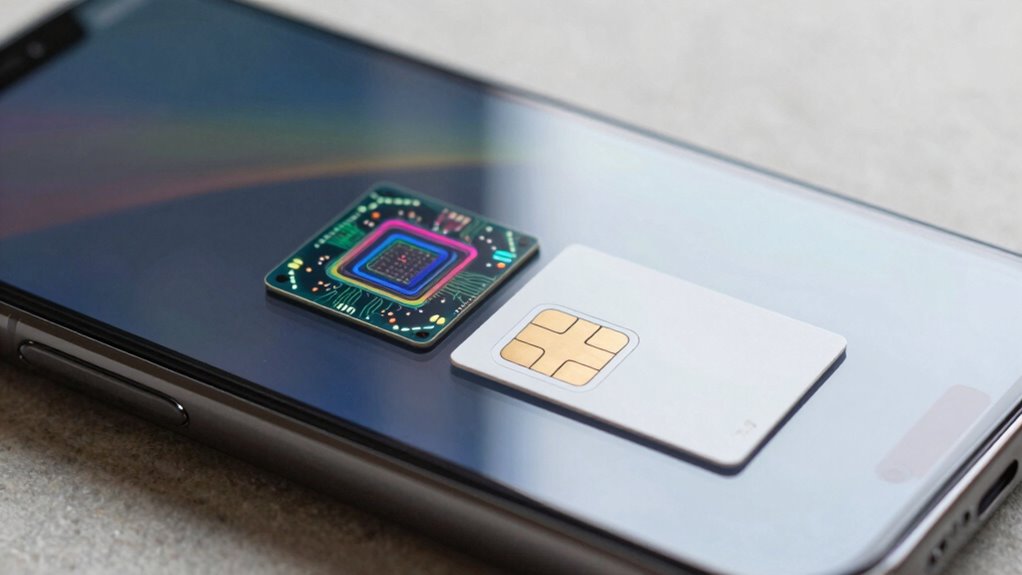
Have you ever wondered how the costs of eSIMs compare to traditional physical SIM cards? The pricing comparison varies depending on your region and provider. Generally, physical SIM cards are inexpensive, often included free with device purchase or available for a small fee. eSIMs, while sometimes free or bundled with device costs, can incur charges for activation or carrier plans. Regional cost differences play a role—some countries offer eSIMs at lower prices due to increased adoption, while others may charge more. In many cases, switching to an eSIM doesn’t add extra costs, but it’s wise to check with your carrier. Additionally, Herbal Infusion Machines and Tools regarding eSIM activation can also impact your overall expenses and convenience. Being aware of regional pricing differences can help you better understand the potential costs involved in your location.
Are eSIMs More Secure Than Physical SIMs?
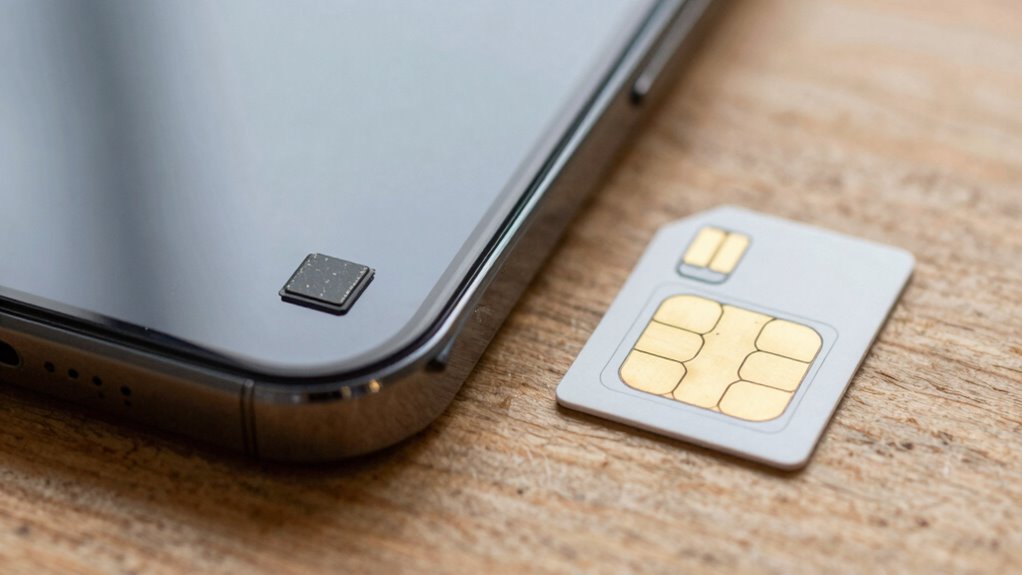
eSIMs are generally considered more secure than physical SIM cards because they store your data digitally, reducing the risk of theft or loss. With biometric security features like fingerprint or facial recognition, you add an extra layer of protection to access your device and eSIM profiles. Additionally, encryption protocols safeguard your data during transmission and storage, making it harder for hackers to intercept or manipulate your information. Unlike physical SIMs, which can be physically swapped or stolen, eSIMs are embedded within your device, minimizing physical vulnerabilities. This digital nature, combined with biometric security and robust encryption, makes eSIMs a safer choice for protecting your mobile identity and sensitive data against unauthorized access. Furthermore, security protocols are constantly evolving to enhance protection against emerging threats, including advanced encryption standards, ensuring ongoing digital security.
How Do You Set Up and Activate an eSIM or Physical SIM?
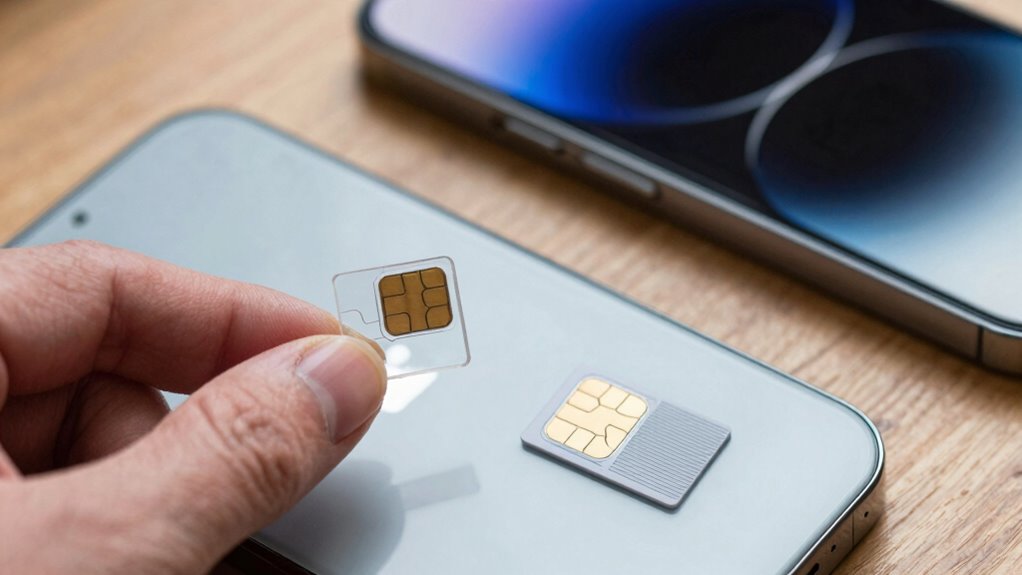
Setting up and activating your SIM card or eSIM typically involves a few straightforward steps. For a physical SIM, you insert the card into your device and follow on-screen prompts to activate it, often through your carrier’s app or website. With an eSIM, you’ll scan a QR code provided by your carrier or enter an activation code manually. During setup, consider network security; make certain you’re connecting to secure networks to protect your data. Both options require some data storage, with eSIMs securely storing your profile digitally, reducing physical vulnerabilities. Activation usually takes a few minutes, and your device will confirm when it’s ready to use. Whether physical or digital, following these steps ensures your connection is secure and ready without hassle. Additionally, understanding the fundamentals of SIM technology can help you troubleshoot common setup issues more effectively.
When Should You Use a Physical SIM Card?
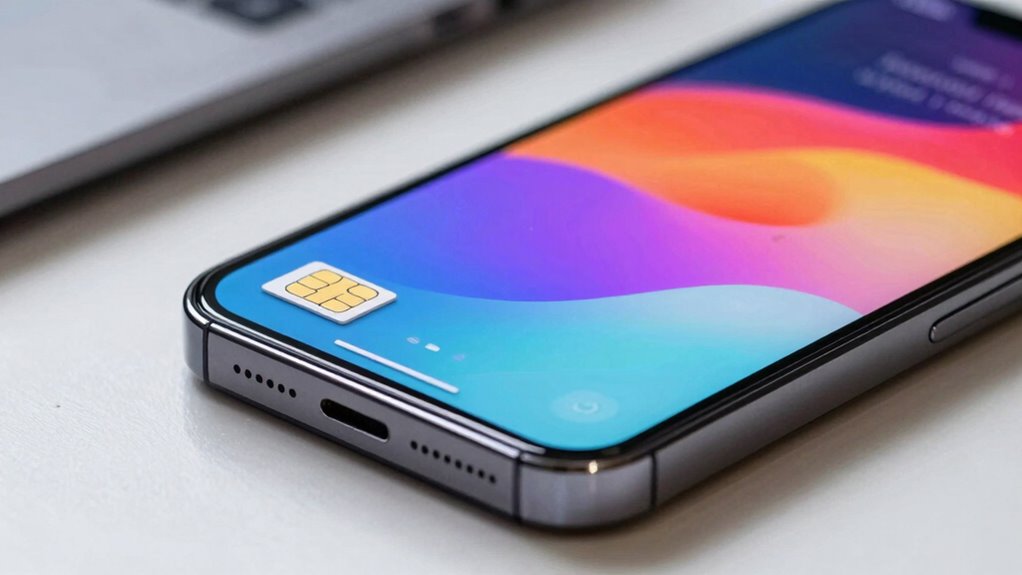
You should opt for a physical SIM card when you need a reliable, easily replaceable connection, such as switching devices frequently or traveling internationally. Physical SIMs often provide better call quality, especially in areas with weaker networks, and are less likely to cause connectivity issues. Keep in mind that using a physical SIM can have a slight battery impact, as the device constantly communicates with the SIM for network access. Here’s a quick comparison:
| Feature | Physical SIM | eSIM |
|---|---|---|
| Call Quality | Generally more reliable | Slightly variable |
| Battery Impact | Slightly higher due to constant use | More efficient |
| Device Flexibility | Easy to swap between devices | Requires activation process |
Choose a physical SIM when stability and quick replacement are priorities.
What Factors Should You Consider When Choosing Between eSIM and Physical SIM?
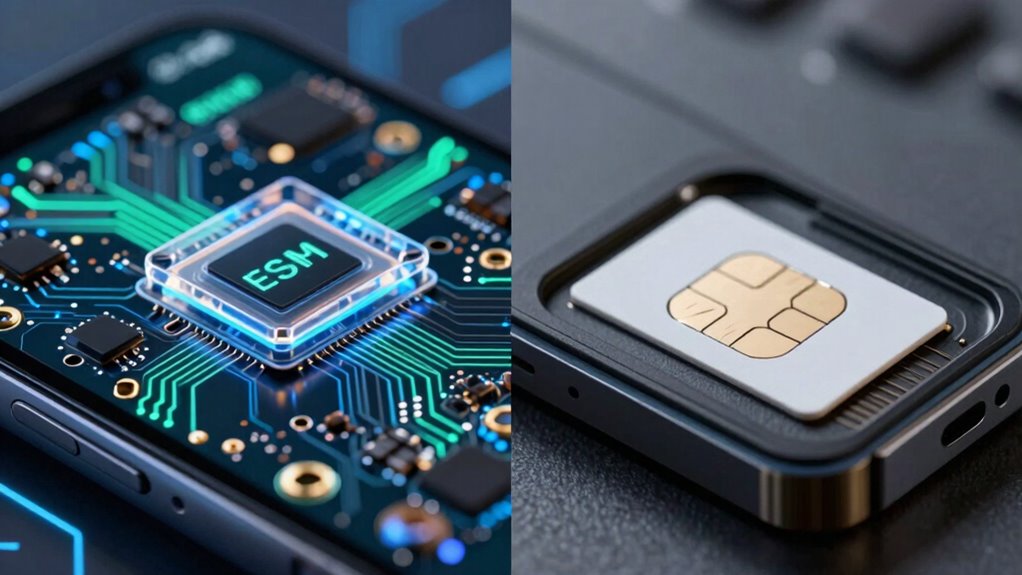
When deciding between an eSIM and a physical SIM, considering your specific needs and usage habits can help make the choice clearer. Think about these factors:
- Network coverage – Guarantee your carrier supports eSIM technology in your area; otherwise, a physical SIM might be necessary.
- Data plans – Check if your preferred data plans are available for eSIMs or require a physical card.
- Device compatibility – Verify whether your device supports eSIM functionality or only accepts physical SIMs.
- Convenience – Consider if you want to switch carriers easily or travel frequently, as eSIMs offer flexibility without changing physical cards.
Evaluating these aspects will help you determine the best option based on your network needs and plan preferences.
Frequently Asked Questions
Can eSIMs Be Transferred Between Devices Easily?
Yes, eSIMs can be transferred between devices easily, but it depends on device compatibility and the transfer process. If both devices support eSIM technology, you can usually activate your eSIM on a new device through your carrier’s app or settings. The transfer process is straightforward, often involving scanning a QR code or using a digital transfer feature. Just verify your new device is compatible with eSIMs before starting.
Are There Regional Restrictions for eSIM Activation?
Regional restrictions can affect eSIM activation, depending on local regulations and carrier policies. Some countries impose activation restrictions or require specific paperwork, which might delay or limit your ability to activate an eSIM. Before traveling or switching regions, check with your carrier about regional regulations and activation restrictions to guarantee smooth setup. Being aware of these rules helps prevent surprises and ensures your eSIM works seamlessly wherever you go.
How Do eSIMs Impact Device Resale Value?
When it comes to resale value, eSIMs can be a double-edged sword. You might think they’re a sellable asset, but device compatibility and carrier policies matter big time. Some buyers prefer physical SIM slots, making your device less appealing if it’s locked to certain carriers. Keep in mind, removing an eSIM isn’t always straightforward, so it’s wise to weigh whether it’s worth the hassle before selling. Don’t put all your eggs in one basket.
What Are the Environmental Benefits of eSIMs?
Switching to eSIMs helps the environment by promoting eco-friendly manufacturing processes and reducing plastic waste. Because eSIMs are embedded directly into your device, manufacturers use fewer materials, cutting down on plastic packaging and SIM card production. This means less waste in landfills and a smaller carbon footprint. By choosing devices with eSIMs, you actively support sustainability efforts and contribute to a healthier planet.
Do eSIMs Support Multiple Profiles Simultaneously?
Ever wondered if eSIMs can handle multiple profiles at once? Yes, they do support multiple profiles, allowing you to switch between them easily. This means you can have different carriers or numbers activated simultaneously without swapping physical SIM cards. With eSIMs, managing multiple profiles is seamless and convenient, making it ideal for travelers or those needing separate work and personal lines. Isn’t it great to have such flexibility right from your device?
Conclusion
Deciding between eSIMs and physical SIMs depends on your device, demands, and desires. Evaluate your needs, explore the options, and embrace the best fit for your lifestyle. Whether you prefer the simplicity of a physical card or the sleek, seamless switch of an eSIM, making the right choice means maximizing convenience, connectivity, and confidence. Remember, understanding your options empowers you to pick the perfect pairing for your mobile journey.
Halloween Picks
halloween
As an affiliate, we earn on qualifying purchases.