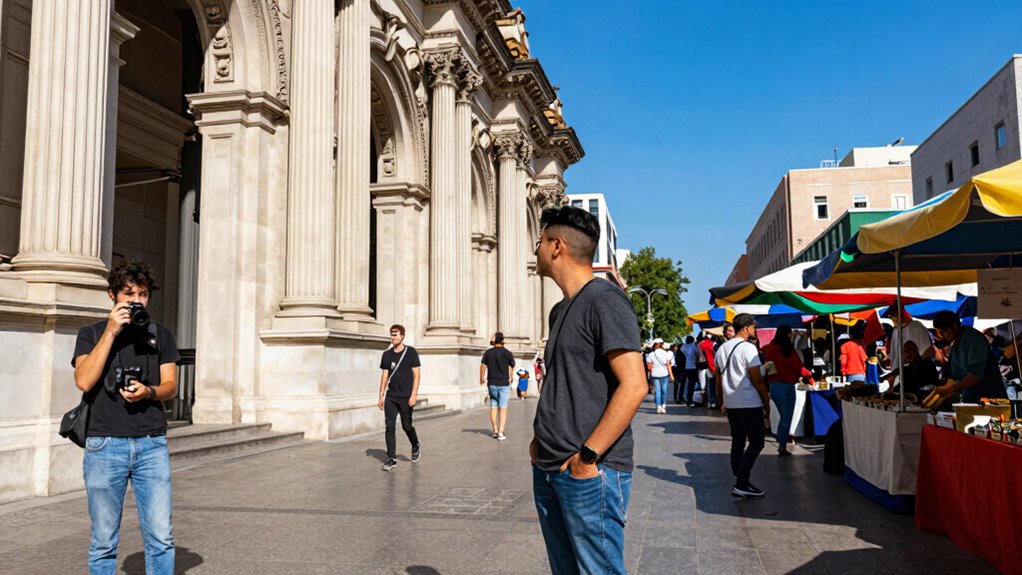

To plan a trip where one person loves museums and the other prefers outdoor activities, balance is key. Choose a destination with diverse attractions, including vibrant food scenes and outdoor spots like parks or markets. Structure your days with museum visits during energetic times, and balance those with hiking or exploring local neighborhoods. Communicate openly, stay flexible, and look for ways to blend cultural and outdoor experiences. Keep exploring to discover how to create a trip that’s fun for everyone.

Get travel and outdoor gear delivered free with Prime
- Fast, free delivery on millions of items
- Prime Video, Amazon Music and more included
- Member-only deals all year
Key Takeaways
- Balance museum visits with outdoor activities and local attractions to cater to both interests.
- Schedule museum outings during peak energy times and plan flexible outdoor adventures for other parts of the day.
- Incorporate local food scenes and cultural experiences to create shared memorable moments.
- Communicate preferences openly and consider splitting up for part of the day to pursue individual interests.
- Use scenic spots or cafés as regrouping points to share experiences and maintain connection.
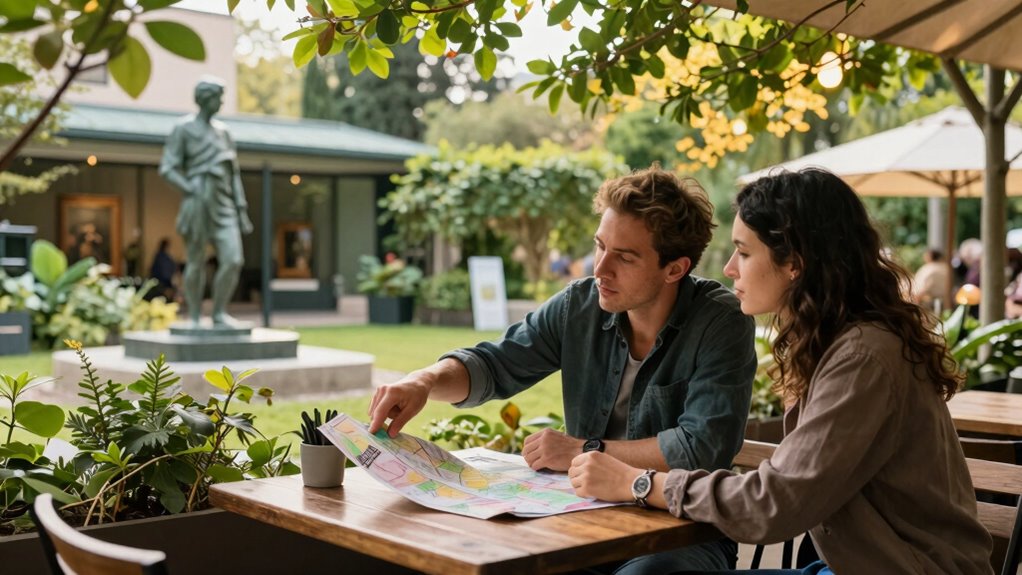
Planning a trip with one person who loves museums and another who doesn’t can seem tricky, but it’s definitely doable with some strategic thinking. The key is balancing interests so everyone feels engaged and satisfied. Start by choosing a destination that offers a variety of attractions. Look for a place rich in local cuisine and outdoor activities, so both of you have options beyond museum visits. For instance, if you’re heading to a city known for its vibrant food scene and scenic parks, you’ll create opportunities for shared experiences that cater to both tastes.
Once you’ve picked the destination, structure your days to include diverse activities. Dedicate mornings or afternoons to pursuits that appeal to the museum lover, like visiting art galleries, historical sites, or cultural centers. To keep things flexible, plan these visits for the times when the museum enthusiast is most energized. Meanwhile, the other person can explore nearby outdoor activities, such as hiking, biking, or strolling through markets. Combining these options allows you to spend part of the day immersed in culture and part enjoying outdoor adventures.
Food can be a fantastic way to bring everyone together. Seek out local cuisine spots that offer authentic dishes and lively atmospheres. Sampling regional specialties not only satisfies your taste buds but also enriches your trip with cultural insight. You might plan your meals around food festivals or street food markets, where you can both indulge in new flavors and share your impressions. This approach keeps the trip dynamic and gives you a common ground outside museums.
To keep the trip enjoyable, communicate openly about your interests and preferences. Agree on a rough schedule that includes museum visits, outdoor activities, and time for relaxation. Consider splitting up for some parts of the day if your interests diverge considerably—this way, each person can pursue what excites them most without feeling left out. Additionally, incorporating some cultural experiences into outdoor excursions can help bridge the gap and add depth to your trip. Being aware of how interest diversity impacts trip planning can help you better accommodate each other’s desires. Also, planning for flexibility in your itinerary ensures you can adapt as the trip unfolds. Embracing a mindful approach to scheduling allows you to be more responsive to each other’s needs and spontaneous opportunities that arise during your travels. Then, regroup at a scenic spot or a cozy café to swap stories and discuss your favorite moments.
As an affiliate, we earn on qualifying purchases.
Frequently Asked Questions
How Can Couples Balance Different Travel Interests Effectively?
You can balance different travel interests by creating shared itineraries that include activities both of you enjoy, like museums and outdoor adventures. Make certain to schedule personal time, giving each person space for individual interests. Communicate openly about your preferences, and be flexible to switch activities. This way, you guarantee both partners feel engaged and respected, making your trip more enjoyable and harmonious.
What Are Some Activities for Non-Museum Lovers?
You can explore local art galleries and vibrant markets, which provide cultural experiences without museum visits. Visiting historical sites lets you enjoy outdoor exploration and learn about the area’s past. You might also try nature hikes or scenic drives to balance your itinerary. These activities keep non-museum lovers engaged while still offering enriching experiences, ensuring both of you enjoy your trip without compromising your interests.
How to Handle Disagreements Over Sightseeing Priorities?
Think of sightseeing disagreements as a dance where both partners need to lead and follow. When facing museum disagreements, communicate openly and listen to each other’s priorities. Seek sightseeing compromises by alternating activities—one day exploring museums, the next enjoying outdoor adventures or local markets. This way, you create a balanced experience that respects both your interests, turning conflicts into harmonious steps toward shared memories.
Are There Specific Destinations Suited for Diverse Interests?
You should choose destinations offering both cultural immersion and historical sites, like cities with vibrant neighborhoods alongside ancient landmarks. Look for places where you can explore museums together or separately, then meet up to share experiences. For example, a city like Rome provides rich history, while neighborhoods like Trastevere offer lively cultural scenes. This way, both interests are satisfied, making the trip enjoyable for everyone.
How Can Travelers Compromise on Daily Schedules?
Imagine weaving a shared adventure through flexible planning, where compromise becomes your guiding star. You can design shared itineraries that balance museum visits with relaxing outdoor activities or local markets. This way, each day offers a blend of interests, allowing everyone to indulge in what they love while respecting each other’s preferences. Flexibility guarantees your trip feels spontaneous and inclusive, turning potential conflicts into opportunities for discovery and connection.
outdoor hiking gear for travelers
As an affiliate, we earn on qualifying purchases.
As an affiliate, we earn on qualifying purchases.
Conclusion
By balancing your interests and communicating openly, you can turn this trip into an adventure everyone enjoys. Remember, compromise is key—sometimes you need to meet halfway to keep the peace. Think of it as planting seeds for future trips, where everyone gets a taste of what they love. With a little flexibility and a shared sense of fun, you’ll find that even the biggest differences can blossom into unforgettable memories.
As an affiliate, we earn on qualifying purchases.
travel organizer for flexible itineraries
As an affiliate, we earn on qualifying purchases.
As an affiliate, we earn on qualifying purchases.
Fall Picks
fall essentials
As an affiliate, we earn on qualifying purchases.