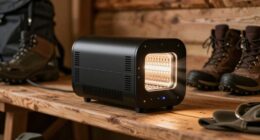
To fix a bad-smelling room fast, start by opening windows and creating good airflow to dilute and remove odors. Clean surfaces thoroughly with enzyme-based cleaners, especially hidden spots like behind furniture or inside trash cans. Use natural deodorizers like baking soda, charcoal, or citrus peels to absorb smells, and consider adding an air purifier or scented candle for quick relief. If odors persist, you’ll find simple steps to banish them for good just ahead.
Key Takeaways
- Identify and thoroughly clean hidden sources like mold, pet residues, or organic spills to eliminate persistent odors.
- Increase ventilation by opening windows, creating cross-breezes, and using fans to quickly refresh stale air.
- Use odor absorbers such as baking soda, activated charcoal, or coffee grounds to trap and neutralize smells fast.
- Employ commercial odor neutralizers and enzymatic cleaners for deep cleaning of carpets, upholstery, and hidden areas.
- Maintain long-term freshness with regular cleaning, natural deodorizers, and proper air filtration and ventilation routines.
How to Find the Source of Room Odors
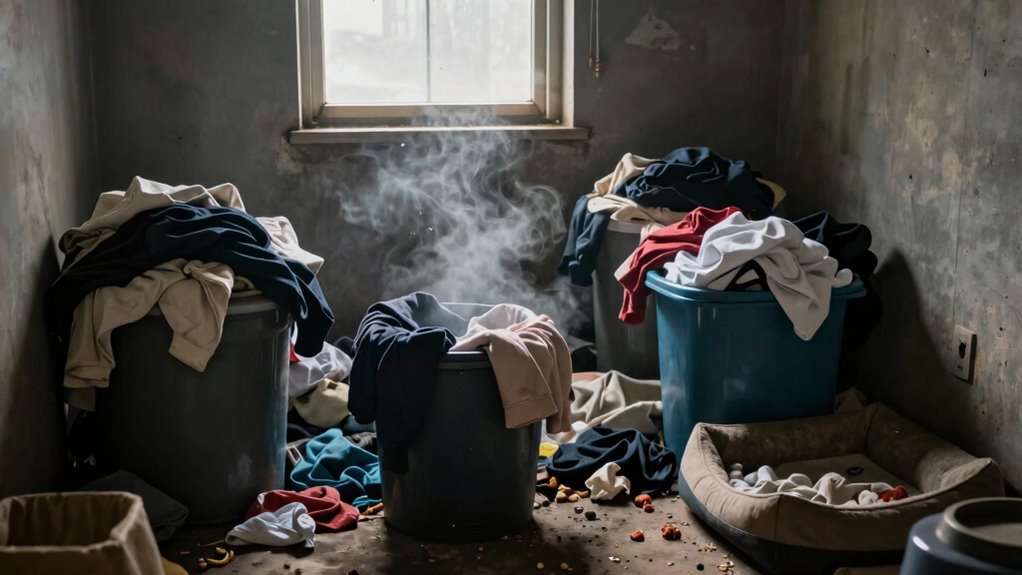
Have you ever struggled to identify where a bad smell is coming from in your room? Hidden odor sources can be tricky because they often lurk behind furniture, inside trash cans, or beneath carpets. Start by systematically inspecting common problem areas. Check for damp spots, mold, or decayed items that may emit strong odors. Remember, scent masking can hide unpleasant smells temporarily, but it won’t eliminate the root cause. Use your nose to follow the strongest scent, and don’t forget to examine less obvious places like air vents, behind appliances, or inside storage boxes. Often, odors come from places you wouldn’t expect, so stay thorough. Finding the source is key to effectively removing the smell rather than just covering it up.
Quick Fixes to Remove Common Odors Fast

When you need to eliminate odors quickly, several simple solutions can provide fast relief. One effective method is odor absorption—placing bowls of baking soda, activated charcoal, or coffee grounds in the room can absorb lingering smells in minutes. These substances trap odor molecules, leaving the space fresher. If you’re in a hurry, scent masking is a quick fix too; spritzing air fresheners or using scented candles can temporarily cover bad smells. Ventilation also helps—open windows and doors to let fresh air in and push out stale odors. Combining odor absorption with scent masking offers immediate comfort while you work on more permanent solutions. Remember, these quick fixes don’t address the root cause but can buy you time and make your space more livable immediately. Additionally, ensuring proper ventilation and airflow can prevent odors from accumulating in the first place, especially in confined or poorly ventilated areas. Improving home ventilation systems can further reduce the likelihood of persistent odors in your space. Properly managing air circulation can help maintain a fresher environment over time, especially when combined with natural odor-neutralizing techniques.
Best Natural Deodorizers for a Fresh-Smelling Room
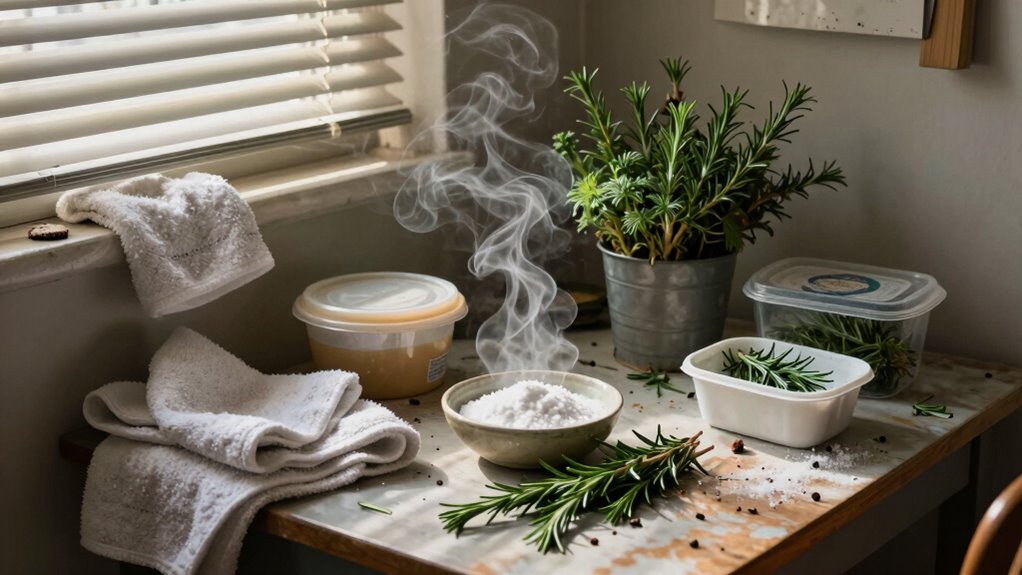
Natural deodorizers are a safe and eco-friendly way to keep your room smelling fresh without relying on artificial chemicals. Scented candles are a popular choice; they release pleasant aromas that mask odors and add warmth to your space. Aromatherapy diffusers are another excellent option, dispersing essential oils like lavender, lemon, or eucalyptus for a natural, soothing scent. Both options not only eliminate bad smells but also create a calming environment. To maximize their effectiveness, choose high-quality candles or pure essential oils. Regular use of these natural deodorizers helps maintain a fresh atmosphere without overwhelming your senses or introducing harmful chemicals. Incorporating personal finance planning strategies, such as setting a budget for home fragrances, can help you balance comfort and cost-efficiency. Additionally, proper ventilation techniques can enhance the effectiveness of natural deodorizers by allowing fresh air to circulate and carry away lingering odors. Maintaining good air quality indoors is essential for a healthier living space, and natural deodorizers contribute positively to this goal. Using portable oil radiators correctly can also improve your indoor environment by providing consistent and safe heating, which in turn helps prevent indoor odors caused by dampness or stale air. Incorporate them into your daily routine for a consistently clean, inviting space that smells naturally delightful.
Effective Deep Cleaning Methods for Persistent Smells
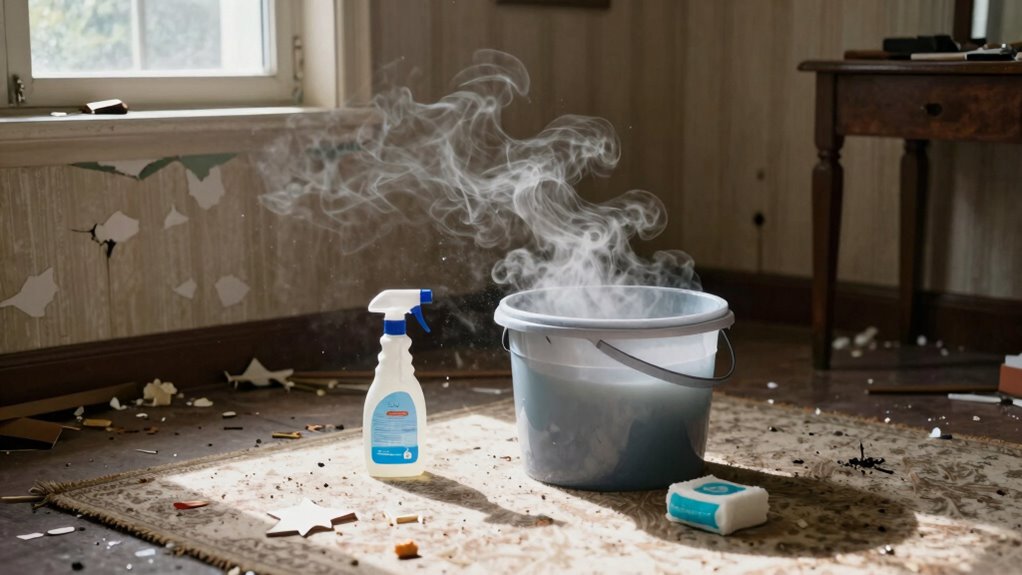
While natural deodorizers help mask and eliminate surface odors, persistent smells often require a more thorough approach. To tackle stubborn odors like mold or pet odor, deep cleaning is essential. Start by thoroughly cleaning carpets, upholstery, and curtains with enzyme-based cleaners that break down odor-causing molecules. For mold remediation, focus on removing mold from hidden areas, including behind walls or under sinks. Use a mixture of vinegar and baking soda to scrub affected surfaces. To help you visualize, here’s a quick comparison:
| Method | Targeted Odor |
|---|---|
| Enzyme-based cleaners | Pet odor, organic stains |
| Vinegar & baking soda | Mold, general odors |
| Deep steam cleaning | Carpets, upholstery |
Additionally, ensuring proper drying techniques after cleaning can prevent future odors and mold growth. Proper drying helps prevent moisture buildup, which is essential for effective odor elimination and mold prevention. Using adequate airflow during and after cleaning can further reduce lingering smells. Incorporating proper ventilation during and after cleaning can further reduce lingering smells. Using appropriate storage methods for cleaning supplies and affected items also minimizes the risk of odor recurrence. These methods will considerably improve your room’s smell with consistent effort.
Simple Ventilation Tips to Keep Your Room Fresh
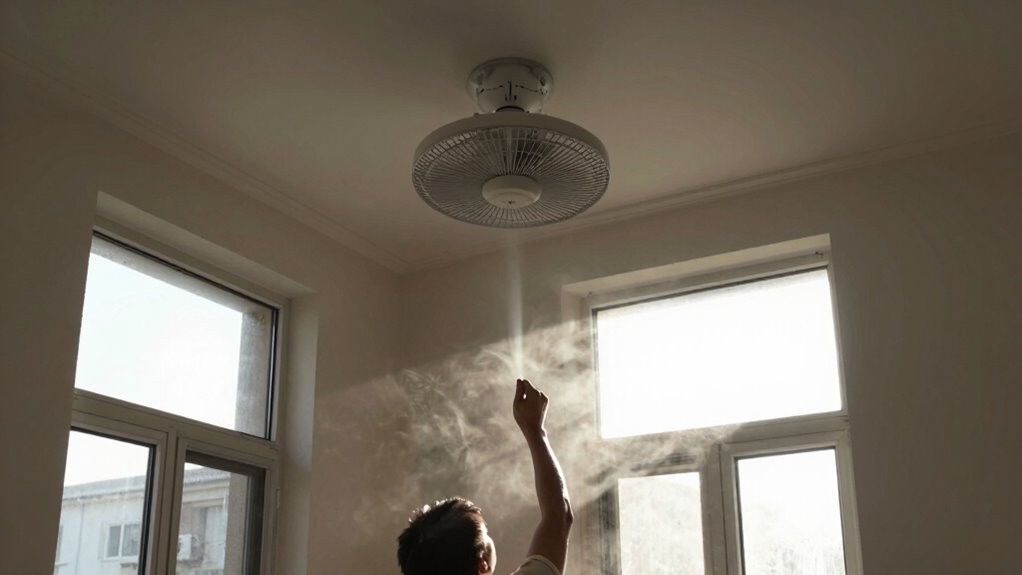
Improving air circulation is key to keeping your room smelling fresh; try opening windows or using fans regularly. Natural fresheners like plants or citrus peels add a pleasant scent without chemicals. These simple steps make a noticeable difference in maintaining a clean, inviting space. Incorporating dust reduction techniques and cycling gear maintenance habits can also help reduce dust and odors in your environment, contributing to a healthier indoor atmosphere. Additionally, ensuring proper ventilation systems can optimize air quality and prevent stale odors from lingering. Implementing air filtration devices can further enhance air purity and freshness.
Improve Air Circulation
Have you noticed how stale air can make a room feel uncomfortable and unpleasant? Improving air circulation is key to keeping your space fresh and odor-free. When air moves freely, it prevents the buildup of musty smells and reduces humidity, which can cause odors to linger. Open windows regularly to allow fresh air in and promote better air circulation. Using fans strategically can help move air around, especially in rooms without windows or good ventilation. Avoid blocking vents or air intakes, as this hampers airflow. Good air circulation not only refreshes your room but also prevent odors from settling. Proper ventilation methods are essential for maintaining a healthy indoor environment. Incorporating these simple steps ensures your space stays clean, fresh, and inviting, making it easier to enjoy your environment without unpleasant smells. Additionally, understanding air quality can help you identify when ventilation improvements are needed most. Ensuring adequate air exchange is crucial for maintaining a consistently fresh atmosphere. Regularly monitoring indoor air conditions can help you take timely action to improve your home’s ventilation.
Use Natural Fresheners
Using natural fresheners can boost your efforts to keep the air in your room smelling clean and inviting. Essential oils like lavender, eucalyptus, or citrus are great choices; just add a few drops to a diffuser or a cotton ball placed discreetly in the room. They not only mask odors but also provide an invigorating scent. Charcoal bags are another effective natural solution—they absorb moisture and odors without releasing chemicals, keeping the air fresher. Place them in corners or near problem areas for best results. Unlike artificial air fresheners, these natural options improve air quality over time and are safe around pets and kids. Incorporating essential oils and charcoal bags into your ventilation routine helps maintain a consistently fresh and pleasant environment. Eco-friendly craft ideas can inspire creative ways to repurpose old tissue paper for natural air fresheners or decorative projects. Additionally, ensuring proper ventilation techniques can further enhance air quality and eliminate persistent odors, especially when combined with air circulation methods to keep fresh air moving throughout the space. Regularly opening windows and creating cross-ventilation can also significantly improve air quality and reduce stale smells over time.
Using Air Purifiers and Filters to Improve Indoor Air Quality
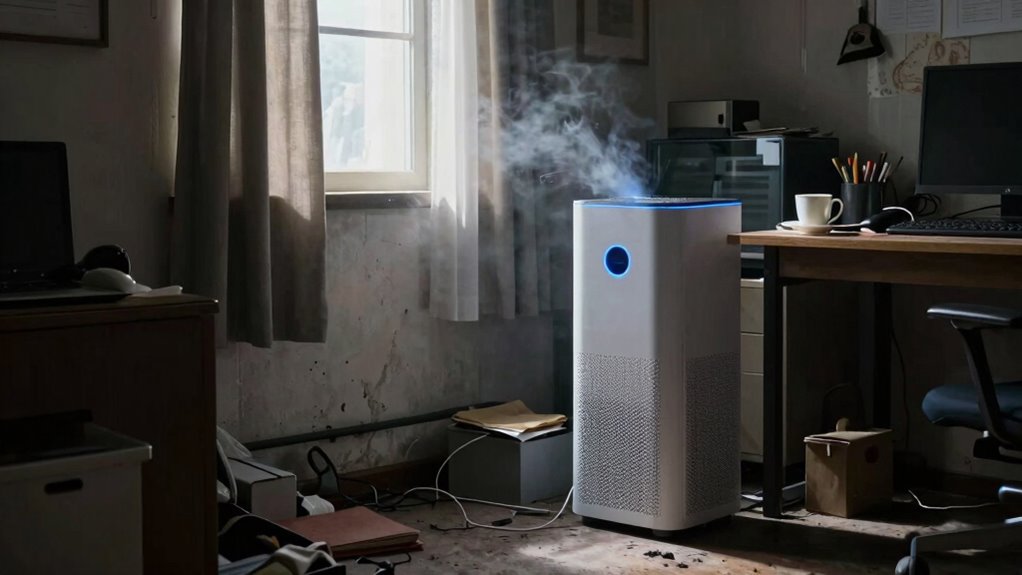
Using air purifiers and filters can ensure your indoor air quality and eliminate odors. You should choose the right type of purifier for your needs and keep the filters clean for optimal performance. Proper maintenance ensures your air stays fresh and free of unwanted smells. Regularly monitoring indoor air quality can help you identify when to replace filters or upgrade your purification system for better results. Additionally, paying attention to filter replacement frequency is crucial for maintaining effective air purification over time. Selecting the appropriate air purification gear such as HEPA, carbon, or UV-C filters can significantly enhance your indoor environment. Incorporating fostering growth mindsets into your approach can also promote healthier habits and attitudes towards maintaining a clean, fresh space.
Types of Air Purifiers
There are several types of air purifiers designed to improve indoor air quality, each employing different technologies to remove pollutants. Knowing your options helps you choose the right one for your needs. HEPA purifiers excel at capturing dust, pollen, and pet dander, while activated carbon models effectively reduce odors and gases. UV purifiers kill bacteria and viruses, offering an extra layer of protection. Some units combine multiple technologies for exhaustive air cleaning. Remember, regardless of the type, regular filter maintenance is essential to keep your purifier functioning efficiently. Here’s a quick comparison:
| Type | Best for | Key Feature |
|---|---|---|
| HEPA | Allergies, dust | Captures small particles |
| Activated Carbon | Odors, gases | Absorbs smells and chemicals |
| UV | Bacteria, viruses | Kills germs |
| Combo | All pollutants | Multiple technologies |
| Ionic | General air quality | Charged particles removal |
Filter Maintenance Tips
Ever wonder why your air purifier isn’t performing as well as it should? The key lies in proper filter maintenance. Regular filter replacement is essential to keep your device functioning at its best and effectively absorb odors. A clogged filter reduces airflow and diminishes its odor absorber capabilities. To maintain fresh air, check your filter every 1-3 months and replace it as recommended. Keep in mind, using high-quality filters can greatly improve odor removal. Here are some tips:
- Replace filters promptly when they look dirty or after the suggested interval
- Use filters designed for odor absorption
- Keep the area around your purifier clean
- Avoid overloading the filter with too much dirt or debris
- Follow manufacturer instructions for maintenance schedules
Proper filter maintenance ensures your air purifier continues to improve indoor air quality efficiently.
Improving Air Quality
Are you aware of how much your indoor air quality impacts your health and comfort? Using an air purifier offers clear benefits, such as reducing airborne pollutants, allergens, and odors that contribute to bad smells. An air purifier benefits your overall well-being by creating cleaner, fresher air and decreasing respiratory issues. To enhance your efforts, try natural deodorizer recipes like simmering cinnamon sticks or citrus peels to boost freshness naturally. Combining an air purifier with these homemade solutions can profoundly improve indoor air quality, making your space more pleasant and healthier. Regularly maintaining filters ensures your device works effectively. With these straightforward steps, you’ll breathe easier and enjoy a fresher, more inviting room—quickly and effortlessly.
When and How to Use Commercial Odor Eliminators
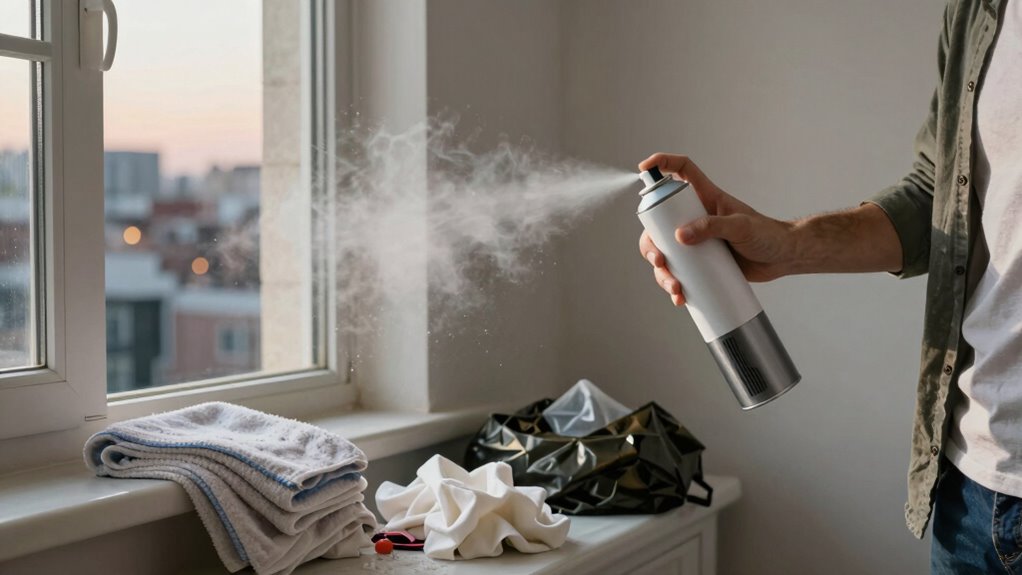
Knowing when and how to use commercial odor eliminators can make a significant difference in effectively removing unpleasant smells. Use them when odors persist despite airing out the space or cleaning. Choose products like commercial sprays or odor neutralizers designed for your specific needs. Apply these products directly to the source or in the air for quick results. Always follow the instructions on the label to avoid overuse or damage. Keep in mind, some odor neutralizers are best for lingering smells, while sprays work well for immediate, surface-level issues. Regular use of these products can help maintain freshness without masking odors temporarily.
- Use odor neutralizers for persistent smells
- Spray directly onto problem areas
- Use in well-ventilated spaces
- Follow manufacturer instructions
- Combine with cleaning for best results
Tips for Maintaining a Fresh and Odor-Free Room Long-Term
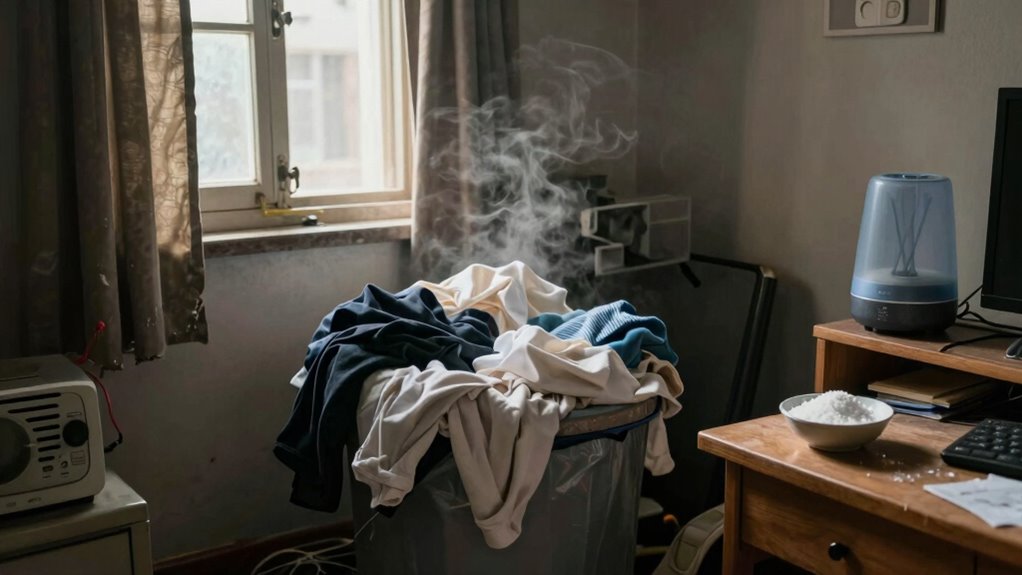
Maintaining a fresh and odor-free room long-term requires consistent habits and proactive measures. Start by choosing the right air freshener selection that suits your space and preferences—opt for natural scents or long-lasting sprays. Regularly ventilate your room to let in fresh air and prevent odors from settling. Incorporate DIY odor remedies, such as baking soda or vinegar, to absorb smells without relying solely on commercial products. Keep up with daily cleaning, especially on high-touch surfaces and textiles like curtains and bedding. Avoid clutter, which traps dirt and odors, and establish a routine to refresh the space weekly. These habits help maintain freshness and reduce the chance of odors building up, keeping your room smelling clean and inviting over time.
Troubleshooting Persistent Odors That Keep Coming Back
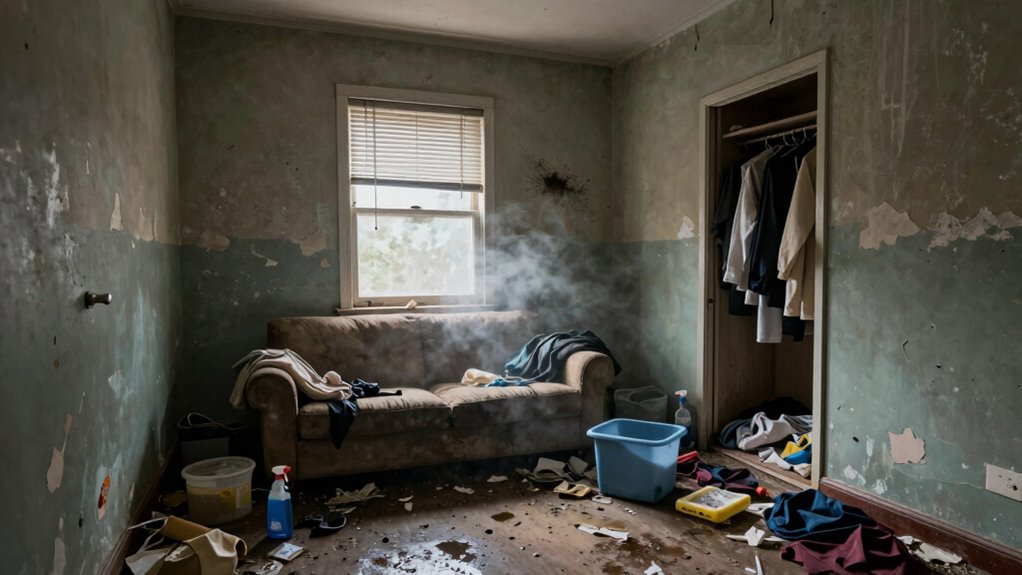
Even with consistent cleaning and ventilation, some odors stubbornly persist and keep coming back. These lingering smells often stem from hidden sources like mold growth or pet odors embedded deep in surfaces. To troubleshoot, focus on identifying and eliminating these causes.
Persistent odors often come from hidden mold or pet residues deep within surfaces.
- Check for mold removal needs in damp areas such as bathrooms or basements
- Deep clean carpets and upholstery where pet odors can hide
- Use enzymatic cleaners to break down organic smells
- Ensure proper drying after spills or leaks to prevent mold growth
- Replace or thoroughly clean air filters and vents
Persistent odors signal that surface cleaning isn’t enough. Addressing hidden mold and pet-related residues is essential to keep odors from recurring. Proper detection and targeted cleaning will make your room smell fresh long-term.
Pro Tips for Keeping Your Room Smelling Nice Year-Round
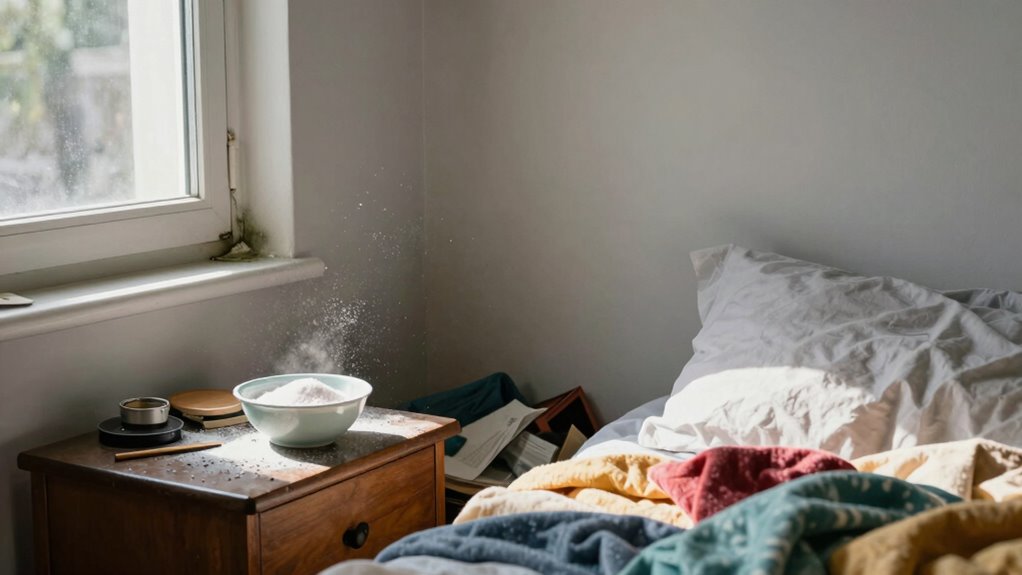
To keep your room smelling fresh all year, incorporate simple daily habits that prevent odor buildup before it starts. Start with decorating tips that promote airflow, like adding a few open shelves or lightweight curtains, to reduce stuffiness. Proper furniture placement is also key; avoid overcrowding, which traps stale air and odors. Regularly vacuum and wipe down surfaces to eliminate dust and debris that contribute to bad smells. Use air purifiers or open windows when possible to refresh the air naturally. Keep laundry and trash areas clean and sealed. Incorporate subtle scent diffusers or natural fresheners like potted herbs to maintain a pleasant aroma. Consistency is vital—small daily efforts add up to a consistently fresh-smelling room year-round.
Frequently Asked Questions
Can Houseplants Help Eliminate Room Odors Naturally?
Yes, houseplants can help eliminate room odors naturally. They absorb airborne toxins and improve air quality, making your space smell fresher. However, for more immediate results, use an air purifier alongside odor absorbers like activated charcoal or baking soda. Combine these methods with regular cleaning to keep your room smelling clean and fresh. Plants are a great long-term solution, but pairing them with other odor-fighting tools works best.
How Often Should I Deep Clean to Prevent Smells?
You should deep clean your room at least once a month to prevent odors from building up. During deep cleaning, focus on areas with high air purifier effectiveness and incorporate odor absorption materials like activated charcoal or baking soda. Regularly changing air filters and maintaining your air purifier guarantees it works effectively. This routine keeps your space fresh, eliminating lingering smells before they become a problem, making your room consistently inviting.
Are There Specific Fabrics That Trap Fewer Odors?
Think of fabric breathability like a well-ventilated house—less trapped moisture means fewer odors. Opt for odor-resistant textiles like linen or tightly woven cotton, which trap fewer smells. I once swapped my polyester sofa for a linen one, and the difference was night and day; it stayed fresher longer. Choosing fabrics with good breathability helps prevent odors from setting, making your space smell cleaner and fresher naturally.
What DIY Methods Are Safest for Odor Removal?
You can safely remove odors using DIY methods like placing natural scent absorbers such as baking soda, activated charcoal, or coffee grounds around the room. These natural options effectively absorb smells without harsh chemicals. Additionally, improve air purifier effectiveness by keeping filters clean and running it regularly. Ventilate the space by opening windows, and use essential oils or vinegar to neutralize lingering odors safely and naturally, ensuring a fresher room.
How Does Humidity Affect Indoor Room Smells?
Humidity impact plays a big role in indoor room smells because higher humidity levels can intensify odors. Moist air helps odors absorb into fabrics, carpets, and curtains, making the smell linger longer. To keep your space fresh, control humidity with dehumidifiers or vents, and regularly clean or dry surfaces that easily absorb odors. By managing humidity, you prevent odors from becoming trapped and make your room smell cleaner faster.
Conclusion
With a few simple steps, you can turn your room into a fresh oasis. Imagine opening the door to a space filled with clean, crisp air, where every breath feels invigorating. By finding the source, using natural deodorizers, and maintaining good habits, you’ll keep that inviting scent year-round. Don’t let odors settle — take action now, and enjoy a bright, welcoming room every time you walk in.