
To quiet noisy hotel neighbors peacefully, start by understanding your rights and local noise rules. Use non-verbal signals like eye contact or gentle gestures to communicate displeasure calmly. If that doesn’t work, politely approach your neighbors with “I” statements or ask hotel staff for help. Make sure to document disturbances and explore practical solutions like white noise or earplugs. If needed, you’ll discover effective strategies to restore peace without conflict.
Key Takeaways
- Use non-verbal cues like eye contact or tapping to silently signal the disturbance before escalating.
- Communicate politely with neighbors using “I” statements to express your need for quiet.
- Contact hotel staff calmly and clearly if personal efforts fail, following proper complaint procedures.
- Document noise disturbances with recordings or notes to support complaints and potential escalation.
- Employ practical noise-reduction methods such as earplugs, white noise machines, or soundproof curtains to minimize impact.
Identify the Noise and Know Your Hotel Rights
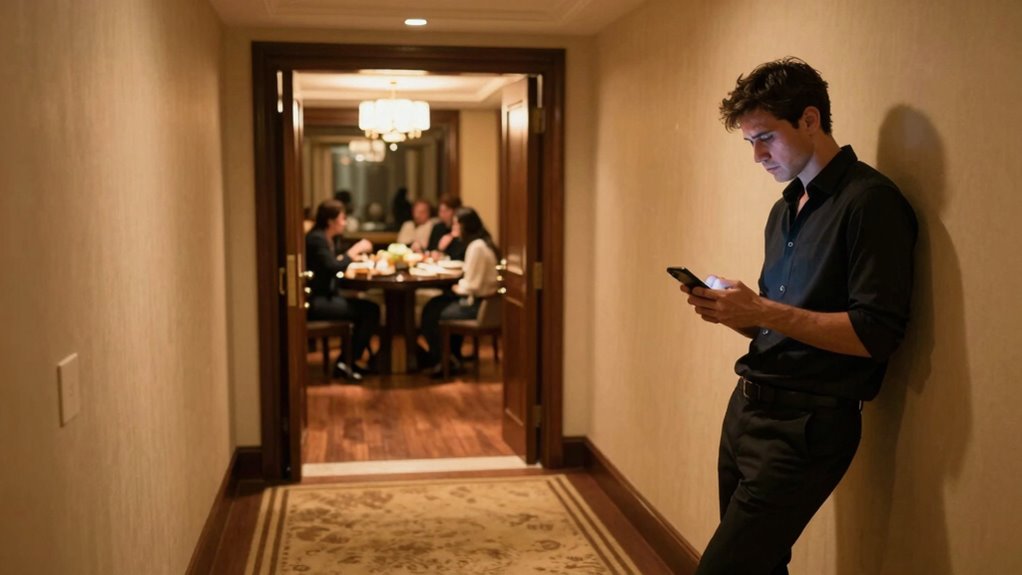
When you’re staying at a hotel and encounter noisy neighbors, the first step is to identify the source and nature of the noise. Use noise measurement tools or apps to gauge how loud the disturbance is, which can help determine if it’s unreasonable. Knowing your legal rights is essential; many jurisdictions have noise ordinances that limit allowable sound levels during certain hours. Document the noise with recordings or notes to support any complaints. Understanding whether the noise violates hotel policies or local laws empowers you to address it appropriately. Being clear about the type of noise—whether it’s loud music, shouting, or constant thumping—helps you communicate effectively with hotel staff. This initial step ensures you’re informed and ready to take further action if needed.
Quick Ways to Signal Displeasure Without Confrontation
If you want to signal your displeasure with noisy neighbors without risking confrontation, using non-verbal cues can be highly effective. Silent gestures and quiet signals let you express your discomfort subtly. Here are four quick ways:
Use subtle non-verbal cues to quietly signal your discomfort and encourage neighbors to lower noise levels peacefully.
- Make eye contact and raise your eyebrows to silently communicate that the noise is bothering you.
- Lightly tap or point to your ear or the wall to indicate you’re disturbed.
- Use a calm, firm hand gesture—like a gentle wave downward—to suggest quiet.
- Turn away or subtly close your door to non-verbally signal that you need peace.
- Being aware of wall decor and how non-verbal cues function can help you choose the most effective silent signals in various environments. Recognizing your dog’s reaction to different signals can also guide you in selecting the best approach for your situation. Additionally, understanding your environment and how non-verbal cues operate can improve your overall effectiveness in communicating quietly.
These quiet signals often prompt your neighbors to lower their volume without any direct confrontation, creating a more peaceful environment.
How to Calmly Talk to Your Neighbors About the Noise
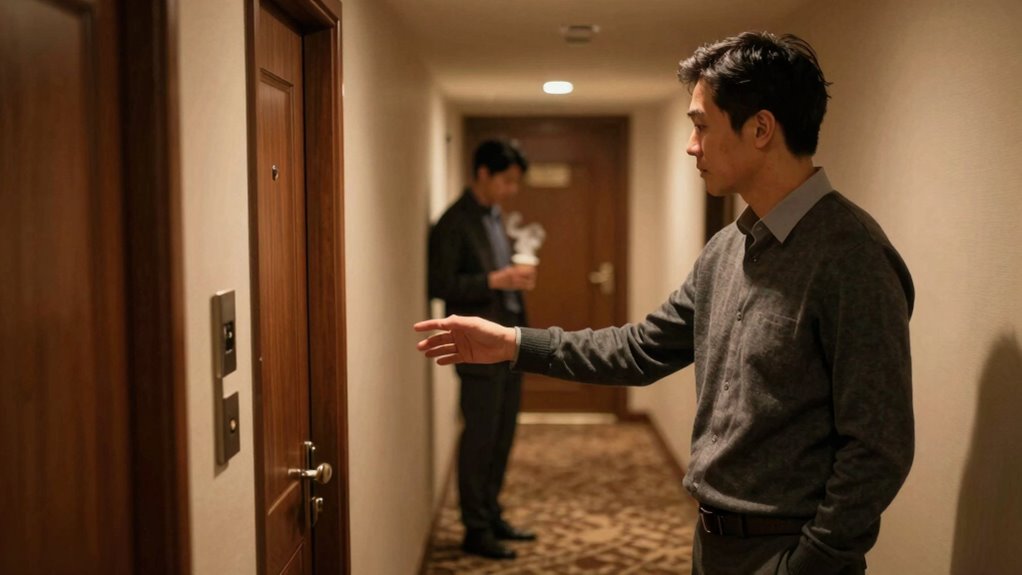
Approaching your neighbors calmly and respectfully can lead to a more positive resolution than direct confrontation. Use polite dialogue and a calming tone to express your concerns. When you speak, focus on how the noise affects you rather than blaming them. Maintain open body language and a friendly attitude to encourage understanding. To help guide your conversation, consider this approach:
| Step | Tip | Goal |
|---|---|---|
| Initiate politely | Knock gently, smile, and say hello | Set a friendly tone |
| Express concerns | Use “I” statements, e.g., “I find it hard to sleep” | Communicate without accusing |
| Listen actively | Show empathy and summarize their response | Foster mutual understanding |
Being aware of self-watering planters and their mechanisms can help you create a peaceful environment at home, reducing the need for confrontations over noise issues. Additionally, understanding noise regulations in your area can empower you to address disturbances appropriately. Recognizing effective communication techniques can significantly improve your chances of reaching an amicable agreement. Being knowledgeable about local ordinances can further support your efforts in establishing boundaries. Furthermore, being familiar with dispute resolution methods can provide alternative strategies if initial conversations do not lead to an agreement. This approach helps create a cooperative atmosphere, making it easier to reach an agreeable solution.
When and How to Ask Hotel Staff for Help
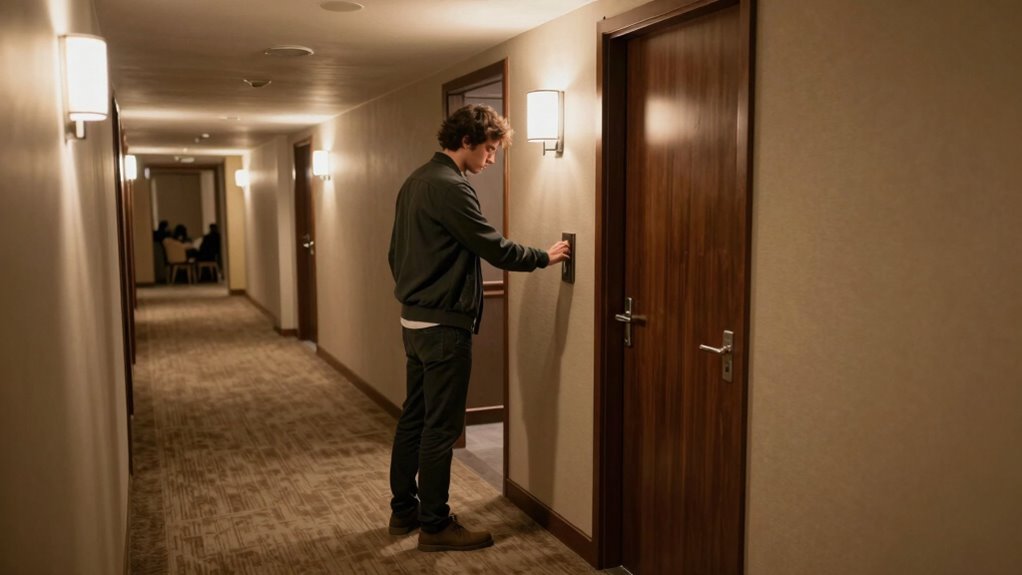
Knowing the right moment to ask hotel staff for help can make all the difference in resolving noise issues effectively. Recognize when your efforts to quiet the neighbors haven’t worked and the noise disrupts your stay. When that happens, consider these steps:
- Review hotel policies to understand how noise complaints are handled.
- Approach staff calmly, clearly explaining the situation.
- Trust that staff responsibilities include addressing noise complaints promptly.
- Be respectful, giving staff a chance to resolve the issue before escalating.
- Remember that noise management procedures are in place to ensure guest comfort and safety. Being aware of early warning signs of disturbances can also help you address issues sooner rather than later. Additionally, understanding hotel policies about noise levels can help set expectations and guide your actions appropriately. Recognizing guest rights related to peaceful stay can empower you to communicate effectively with staff. It’s also helpful to familiarize yourself with noise complaint procedures so you know what to expect during the process. Timing is key—don’t wait too long, but also avoid interrupting staff during busy hours. By understanding hotel policies and trusting staff responsibilities, you increase your chances of a quick, peaceful solution.
Effective Noise-Canceling Tips for Your Hotel Room
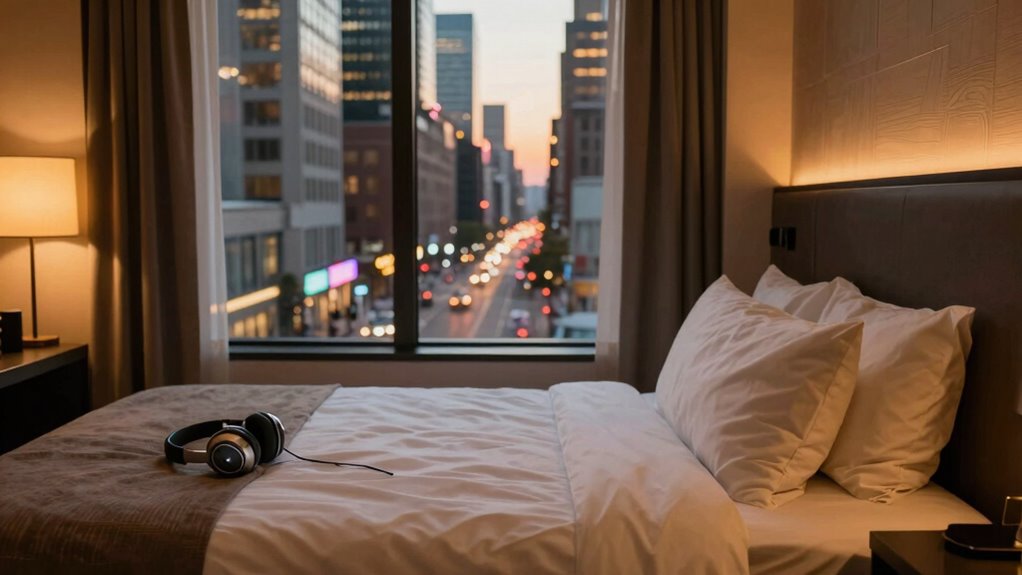
When noise persists despite notifying hotel staff, taking matters into your own hands can make a noticeably different. Start by installing soundproof curtains—they help block out much of the external noise and create a calmer environment. Next, focus on earplug selection; choose comfortable, high-attenuation earplugs designed for sleep to effectively reduce ambient sounds. Experiment with different styles, such as foam or wax, to find what fits best and provides the most noise reduction. Additionally, position your bed away from walls sharing with noisy neighbors, and use white noise machines or apps to mask intrusive sounds further. Using the right garage door openers can also help in controlling external noise if your room is near the garage area. These simple, proactive steps can significantly improve your comfort and help you enjoy a quieter, more restful hotel stay. Incorporating soundproofing techniques into your approach can further enhance your efforts to create a peaceful environment. For best results, consider integrating NEAT principles, such as simple movement or stretching, to reduce stress associated with noise disturbances and promote relaxation. Adding a quality sleep mask can also block out any remaining light and contribute to better rest. Moreover, selecting the right window sealing materials can greatly reduce noise infiltration from outside sources.
Deciding When to Escalate or Seek External Help
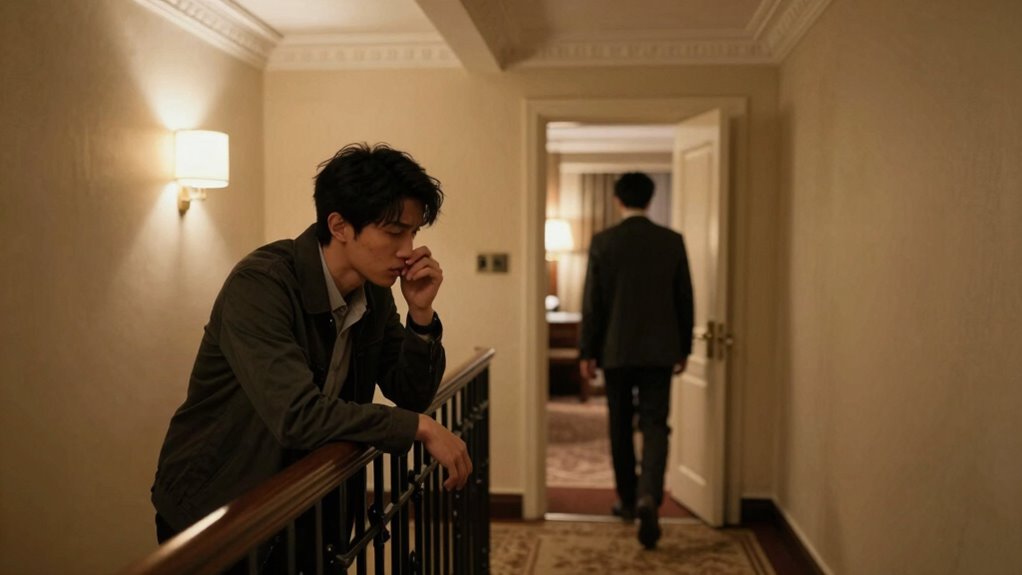
If the noise from your hotel neighbors persists despite your efforts to block it out, it’s important to recognize when to escalate the issue or seek external help. Respect guest privacy and review hotel policies first, as they often outline procedures for noise complaints. If the disturbance continues:
- Contact the front desk to report the issue, emphasizing your need for quiet and referencing hotel policies.
- Request a room change if possible, especially if your room’s proximity contributes to the noise.
- If staff intervention fails, consider escalating to hotel management for a more formal resolution.
- As a last resort, contact local authorities if the noise violates local noise ordinances or if safety concerns arise.
- Understanding your rights regarding noise regulations and how to document disturbances can empower you to handle persistent issues more effectively. Being aware of your legal rights regarding noise can help you advocate for yourself in difficult situations.
- Familiarizing yourself with hotel complaint procedures can make your communication more effective and increase the likelihood of a satisfactory resolution.
- Recognizing the importance of effective communication in resolving disputes can often lead to quicker and more amicable solutions.
- Additionally, knowing how nail biology differs between males and females might seem unrelated but can be useful in understanding personal hygiene or health-related concerns during your stay.
Knowing when to escalate ensures your comfort while respecting everyone’s guest privacy.
Frequently Asked Questions
Can I Request a Room Change Before Experiencing Noise Issues?
Yes, you can request a room change before experiencing noise issues. Contact the front desk and mention your preferences, emphasizing your need for a quieter stay. Many hotels have noise policy procedures that allow early requests, especially if you mention specific concerns. By making proactive room change requests, you increase your chances of securing a peaceful environment and avoid disruptions during your stay.
Are There Specific Hotel Policies Regarding Noise Complaints?
Think of hotel policies like a map guiding you through quiet territory. Most hotels have clear noise regulations and procedures for handling complaints, often posted in the room or at the front desk. For example, if neighbors are loud, you can usually contact staff to enforce these policies. Knowing your hotel’s specific rules helps you navigate conflicts smoothly without escalating issues, ensuring a peaceful stay.
How Effective Are Noise-Canceling Devices in Hotel Rooms?
Noise-canceling devices are quite effective in hotel rooms, helping you block out background noise and enjoy peace. You’ll want to weigh headphone comfort so you can wear them comfortably for extended periods, especially if you’re sensitive to pressure or ear fatigue. Keep an eye on device battery life, ensuring they’re fully charged before use, so you won’t be disrupted by sudden power loss. These devices can considerably improve your sleep and relaxation.
What Legal Rights Do I Have Regarding Noise Disturbances?
Imagine your guest rights as a shield against noise disturbances, backed by local noise ordinances. You have the legal right to request quiet and, if ignored, can escalate by speaking with hotel management or contacting authorities. Many regions enforce noise laws that protect your peace, so you’re empowered to seek resolution without confrontation. Know your rights, stay calm, and use appropriate channels to restore tranquility in your hotel stay.
How Long Should I Wait Before Escalating a Noise Complaint?
You should wait at least 15 to 30 minutes after making a noise complaint before escalating, giving your neighbors time to quiet down. Timing considerations are key—if the noise persists beyond this period, follow escalation protocols by speaking to hotel management or security. Staying calm and polite helps guarantee your concerns are taken seriously, and escalation is appropriate only if the noise continues despite your initial efforts.
Conclusion
Remember, over 60% of travelers say noise disruptions ruin their hotel stay. By understanding your rights, signaling politely, and knowing when to seek help, you can reclaim your peace without conflict. Staying calm and prepared makes all the difference—sometimes, just a simple conversation or a quick noise-canceling tip can turn things around. If all else fails, don’t hesitate to escalate your concerns. Your comfort matters, and quiet nights are worth the effort.