
To pick the right trip length, start by clarifying your travel goals and interests, then check your schedule and logistics to guarantee feasibility. Consider the attractions and activities you want to experience, and plan your budget accordingly. Balance days of exploration with rest to avoid exhaustion. Use a planning checklist and examples tailored to your travel style to find a duration that fits perfectly without feeling rushed or overstretched. Keep exploring for more helpful tips.
Key Takeaways
- Assess your personal interests, travel goals, and stamina to determine an appropriate trip duration.
- Consider logistics like work commitments, travel time, and budget constraints before planning your stay.
- Balance activities and rest days to avoid fatigue and ensure a fulfilling experience.
- Use planning tools and examples tailored to your travel style to select an optimal trip length.
- Prioritize quality over quantity by focusing on key experiences within your available time.
Why Choosing the Right Trip Length Matters for Your Experience

Choosing the right trip length is essential because it directly impacts how much you can enjoy and explore your destination. When your trip is too short, you might miss out on key experiences, while overstaying can lead to fatigue and unnecessary expenses. Proper planning ensures you have enough time to enjoy your activities without rushing, and it also allows you to prioritize travel safety. Packing essentials become easier to manage when you know your trip duration, helping you avoid overpacking or forgetting crucial items. An appropriate length lets you balance adventure with relaxation, reducing stress and ensuring your trip remains enjoyable. Additionally, understanding trip planning strategies can help you optimize your schedule and make the most of your time away. Ultimately, selecting the right trip length helps you maximize your experience while staying safe and well-prepared throughout your journey.
Assess Your Travel Goals and Interests
To determine the ideal trip length, start by clarifying what you want to get out of your travels. Are you seeking deep cultural immersion, where you want to explore local traditions, history, and crafts? Or are culinary experiences your main focus, wanting to sample authentic dishes and learn cooking techniques? Understanding your priorities helps you tailor your trip duration to fit these interests. If cultural immersion is key, longer stays give you time to truly engage with local communities. For culinary adventures, a shorter but focused trip might suffice, allowing you to savor specialties without rushing. By pinpointing your goals, you guarantee your trip length aligns with your interests, making your experience more fulfilling and avoiding overstaying or underdoing it. Considering cycling skills and gear care tips can also help you prepare for your trip, ensuring you can navigate urban traffic confidently and maintain your equipment properly throughout your journey. Additionally, assessing the contrast ratio of your planned accommodations or outdoor experiences can help you choose environments that maximize your comfort and viewing conditions during downtime. Exploring outdoor lighting options can further enhance your experience by creating inviting atmospheres for evening activities. Incorporating family photoshoot fails awareness can also prepare you for unexpected moments that might occur, making your trip more relaxed and enjoyable. Moreover, evaluating the desired trip pace can assist in balancing activity levels and relaxation time, preventing fatigue or boredom during your travels.
Figure Out Your Travel Schedule and Logistics
Understanding your travel schedule and logistics is essential to determining the ideal trip length. You need to contemplate work commitments, travel time, and available days off to avoid overextending or rushing your trip. Planning ahead ensures you pack packing essentials efficiently and arrange for travel insurance if needed. A well-organized schedule helps you balance relaxation and activities without feeling overwhelmed. Use this simple table to visualize your constraints:
| Constraints | Details |
|---|---|
| Flight duration | Total travel time including layovers |
| Work obligations | Days available before and after trip |
| Travel insurance | Coverage duration aligned with trip |
| Packing essentials | Items for trip length and activities |
| Accommodation check-in/out | Timing to avoid delays and extra costs |
Being meticulous with logistics keeps your trip smooth and enjoyable.
Consider Attractions and Activities at Your Destination
When planning your trip, considering the attractions and activities at your destination is essential to determining the right trip length. Think about local festivals you might want to experience, as these events often happen on specific dates and can enhance your visit. Also, evaluate outdoor activities like hiking, beach days, or city tours to see how much time you’ll need to enjoy them fully. If your goal is to immerse yourself in local culture or participate in multiple outdoor adventures, you may want a longer stay. Conversely, if your interests are limited or time is tight, a shorter trip focusing on key activities might be better. Matching your trip length with the variety and timing of attractions ensures a fulfilling, well-paced visit.
Budget and Plan Your Trip Expenses

Budgeting and planning your trip expenses early on helps make certain you stay within your financial limits and avoid surprises. Start by estimating costs for accommodations, food, transportation, and activities, then add a buffer for unexpected expenses. Don’t forget to include the cost of travel insurance, which can save you from costly emergencies. Packing essentials also play a role in your budget; packing smartly reduces the need to buy last-minute items or extra baggage fees. Use a budgeting app or spreadsheet to track your spending, and set daily limits to stay on course. Planning ahead guarantees you won’t run out of money before your trip ends, allowing you to enjoy your destination without financial stress.
Balance Rest Days and Exploration Time
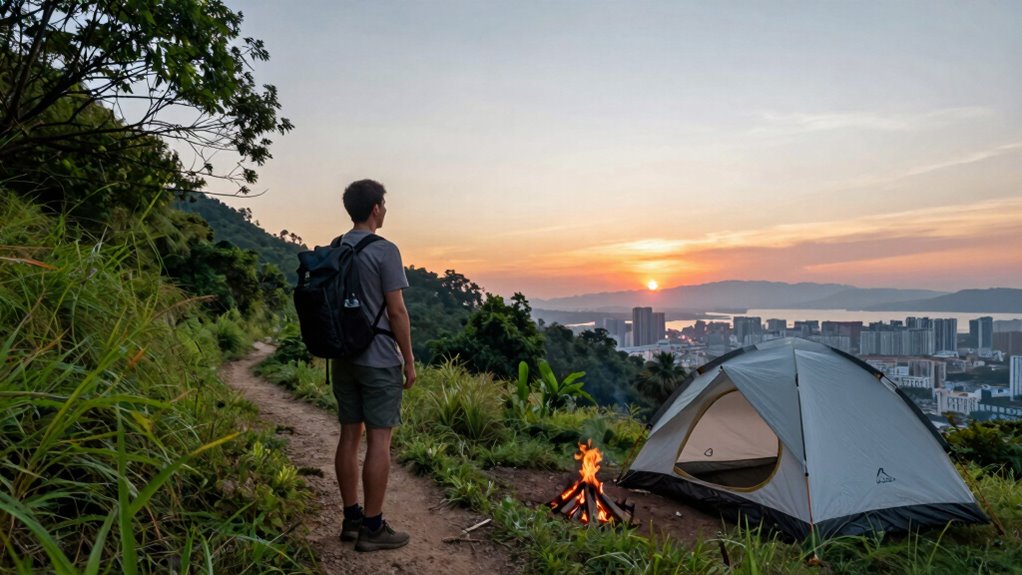
Finding the right balance between rest days and exploration can make or break your trip. You should schedule your rest days thoughtfully to recharge without missing out on key experiences. By optimizing this balance, you’ll enjoy your trip more and return home refreshed. Incorporating energy-saving tips into your planning can help maximize your time and comfort during travel. Additionally, choosing modern wall art trends like digital frames and interactive murals can enhance your accommodations, creating a more relaxing environment during your stay. Considering home safety features and accessibility options can also help ensure a comfortable and stress-free experience while traveling. Being aware of essential safety tips for portable oil radiators can also prevent potential hazards in your accommodations. Incorporating HRV insights can further help you monitor your recovery and adapt your activities accordingly.
Optimize Rest and Exploring Balance
Balancing rest days with exploration time is essential to making the most of your trip without burning out. To do this, plan your days so each active day is followed by a lighter one, allowing recovery and reflection. Use travel gadgets, like noise-canceling headphones or portable chargers, to maximize your energy and convenience. Packing essentials such as comfortable shoes, snacks, and a compact first aid kit help you stay prepared for busy exploration days. Remember, overloading your schedule leads to fatigue, so prioritize your must-see sights and incorporate downtime. Implementing men’s color matching strategies can also help streamline your wardrobe choices, reducing stress and saving time. Additionally, integrating smart pool automation features, like automated lighting or temperature control, can save you energy and effort during your trip, leaving you more relaxed. This approach keeps your trip enjoyable and sustainable, preventing exhaustion while still experiencing new places. Finding that sweet spot between activity and rest ensures your trip feels fulfilling, not overwhelming.
Schedule Rest Days Strategically
Scheduling rest days thoughtfully guarantees you can maintain energy levels and enjoy your trip without feeling overwhelmed. Rest day planning is essential to prevent burnout and ensure you’re fully present for activities. By strategically placing rest days, you give your body time to recover and your mind a break from constant activity. Incorporate activity scheduling that balances sightseeing with downtime, so you’re not rushing from one site to another. Recognize your limits and listen to your body—if you start feeling fatigued, it’s time to rest. Spread rest days evenly throughout your trip to avoid exhaustion and maintain enthusiasm. Additionally, understanding your trip duration and capacity can help you better plan your schedule for a sustainable experience. Being aware of community engagement and how it can enhance your journey might inspire you to connect more meaningfully with fellow travelers and locals. With intentional activity scheduling and well-placed rest days, you’ll have a more enjoyable, sustainable travel experience.
How to Decide Your Perfect Trip Duration?
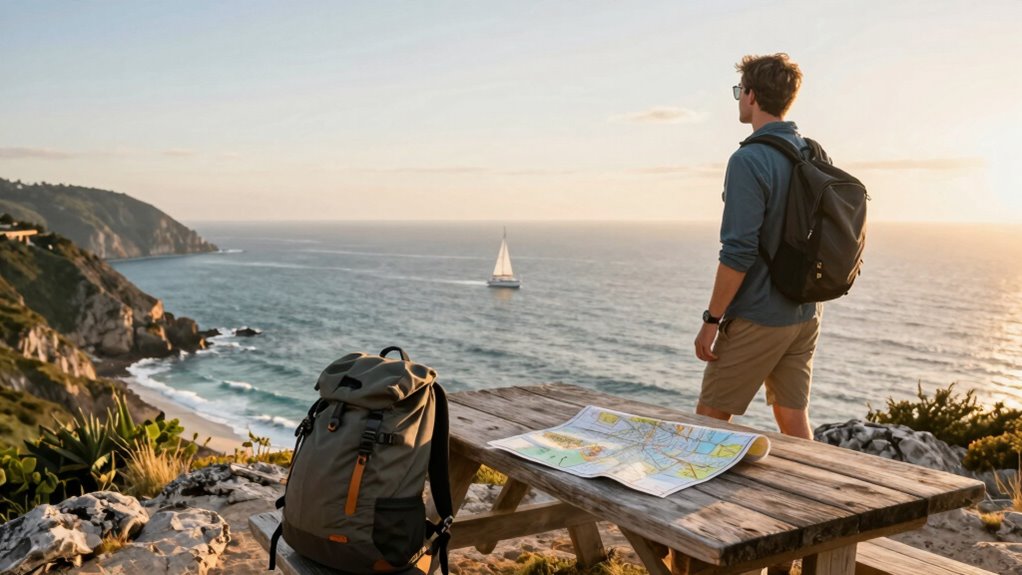
How do you determine the ideal length for your trip? Start by considering what you want to experience. If cultural immersion is your goal, spending extra days in one place allows you to dive deeper into local customs and traditions. For adventure planning, shorter trips might be more practical, giving you enough time to enjoy activities without feeling rushed. Think about your budget, work commitments, and travel stamina. Are you seeking a quick getaway or a slow-paced exploration? Balance these factors to find your sweet spot. Remember, longer trips aren’t always better; they can lead to fatigue or burnout. Focus on your interests and energy levels to decide a duration that keeps your trip enjoyable and fulfilling.
Use a Planning Checklist to Finalize Your Trip Length
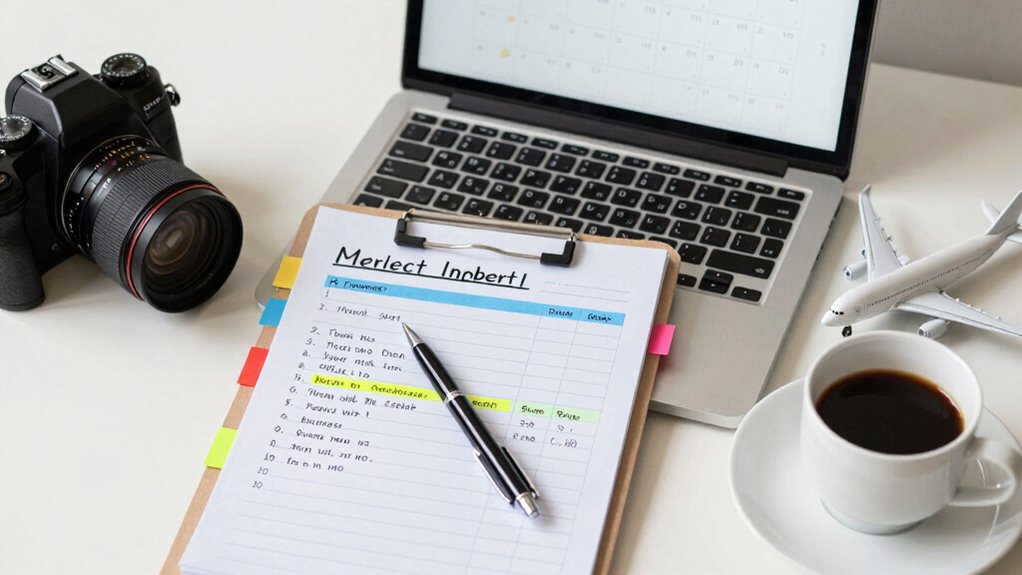
Creating a planning checklist is an effective way to finalize your trip length because it helps you organize all the key factors involved. Start by listing essentials like packing tips, ensuring you pack only what’s necessary to avoid overpacking or missing important items. Confirm that your travel insurance covers the entire duration, preventing surprises if plans change. Consider your personal schedule, work commitments, and the activities you want to do, then match these with your trip length. A checklist keeps you focused and prevents overlooked details that could extend or shorten your trip unintentionally. Incorporating trusted resources into your planning can also provide additional insights and help you make informed decisions. Additionally, understanding support breakfast options available at your destination can enhance your overall travel experience. Being aware of local customs and holidays can also influence your ideal trip duration, ensuring you avoid peak times or cultural events. By systematically reviewing these elements, you’ll set a realistic, well-informed trip duration that balances your needs, budget, and overall travel experience.
Examples of Ideal Trip Durations for Different Travel Styles
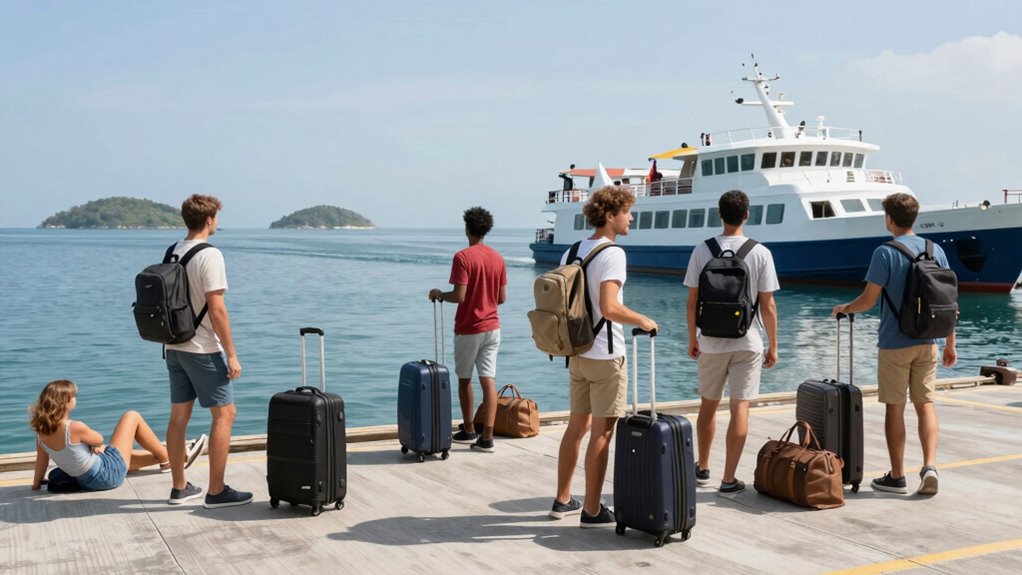
The ideal trip duration varies widely depending on your travel style and goals. For luxury travel, a long weekend or a week allows you to indulge in high-end experiences without feeling rushed. These trips often focus on relaxation, fine dining, and exclusive activities. If you’re into adventure trips, a week or two is usually ideal to fully explore outdoor pursuits like hiking, rafting, or safaris without sacrificing quality time or rushing through destinations. Shorter trips work well for quick getaways or city breaks, while longer journeys suit those seeking immersive experiences. Remember, the key is matching your trip length to your travel style so you can enjoy your trip fully—whether that’s savoring luxury or embracing adventure.
Frequently Asked Questions
How Do Weather Conditions Influence My Trip Duration Choices?
Weather conditions play a key role in your trip duration choices. Seasonal planning helps you avoid harsh weather, so you don’t risk overextending your stay during storms or extreme cold. Climate considerations, like humidity or heat, also influence how long you can comfortably enjoy your trip. By checking weather forecasts and understanding seasonal patterns, you can tailor your trip length to guarantee a safe, enjoyable experience without rushing or lingering too long.
Should I Consider Travel Restrictions or Visa Requirements When Planning?
Yes, you should definitely consider visa considerations and border restrictions when planning your trip. These factors can impact your travel dates, entry requirements, and the length of stay allowed. Failing to verify them can lead to overstaying, fines, or denied entry. Always research visa policies for your destination, verify border restrictions, and ensure your trip aligns with legal requirements to avoid complications and enjoy a smooth journey.
How Can I Adapt My Trip Length for Family or Group Travel?
Did you know that group travel plans often increase trip satisfaction by 30%? To adapt your trip length, prioritize group coordination by discussing everyone’s availability and must-see activities. Build in activity flexibility, allowing for spontaneous plans or rest days. This way, you guarantee everyone’s interests are met without rushing or overextending. Communicate openly, and you’ll create a memorable trip that balances fun and relaxation for everyone involved.
What Are Signs I Might Need to Extend or Shorten My Trip?
You should consider extending or shortening your trip if you notice budget constraints or health considerations. If your funds are running low, it’s wise to cut your trip short to avoid financial stress. Conversely, if you’re feeling healthier and energized, extending can give you more time to explore. Pay attention to signs like fatigue, rising costs, or worsening health issues, and adapt your plans accordingly to ensure a comfortable, enjoyable trip.
How Does Travel Safety Impact the Ideal Trip Duration?
A stitch in time saves nine, so consider safety first. Your travel safety impacts your trip duration because health considerations like vaccinations and medical access, along with respecting cultural sensitivities, influence how long you should stay. Staying vigilant helps you avoid risks, ensuring a safer, more enjoyable trip. If safety concerns arise, shortening your stay might be wise, while feeling secure allows you to extend your adventure confidently.
Conclusion
Choosing the right trip length lets you savor each moment without feeling rushed or restless. It’s like balancing a delicate dance—too short, and you miss the magic; too long, and you risk burnout. When you find that sweet spot, your journey becomes a seamless blend of adventure and relaxation. So, plan thoughtfully, stay flexible, and let your perfect trip duration turn your travel dreams into unforgettable memories.