Creating a travel sleep kit that costs nothing is all about habits and routines, not gadgets. Focus on keeping a consistent sleep schedule, especially by syncing with your destination’s time zone and managing light and noise naturally with items like blackout curtains or earplugs. Practice calming relaxation techniques such as deep breathing or visualization, and replicate familiar routines to foster relaxation. If you’re interested, there are simple ways to optimize your environment and habits to sleep well anywhere.
Key Takeaways
- Develop consistent pre-sleep routines like deep breathing, reading, or visualization to signal relaxation without gadgets.
- Use familiar cues, such as a favorite pillow or scent, to create a comforting environment and promote sleep naturally.
- Adjust your sleep schedule gradually before travel to align with your destination’s time zone, supporting habit-based adaptation.
- Manage lighting and noise with simple, cost-free methods like opening windows or using earplugs to enhance sleep comfort.
- Incorporate calming activities like mindfulness or gentle stretching to relax the mind and body without relying on electronic devices.
Why Good Sleep Habits Matter When Traveling
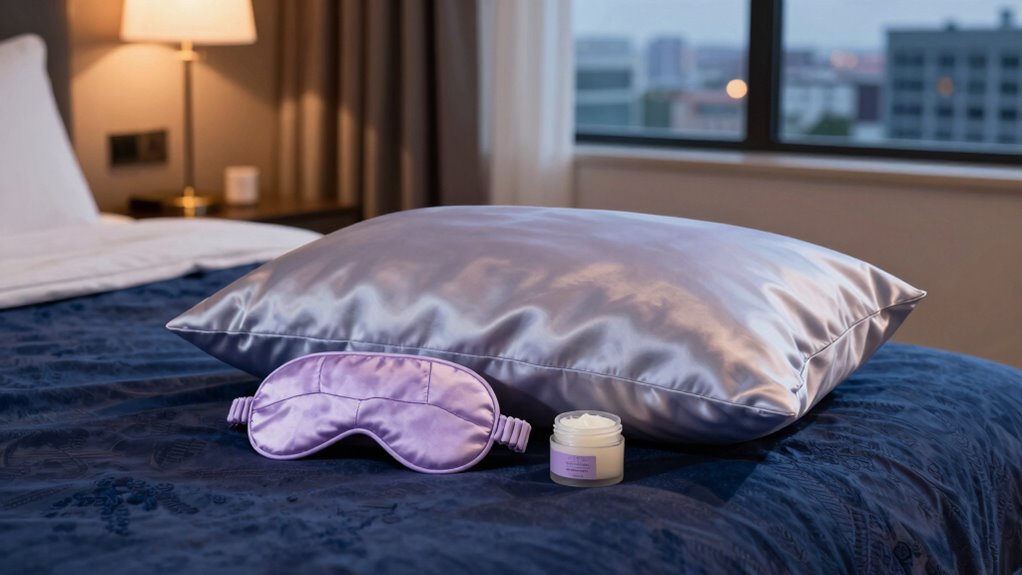
Good sleep habits are especially important when you’re traveling because they help maintain your energy and focus amid unfamiliar surroundings. Traveling often disrupts your internal clock, increasing the risk of jet lag, which can leave you exhausted and less productive. Practicing good sleep hygiene—like sticking to a bedtime routine and creating a comfortable sleep environment—can minimize these effects. When you prioritize consistent sleep habits, your body adapts more easily to new time zones, reducing fatigue and improving alertness. Without proper sleep hygiene, you’re more likely to experience restless nights and sluggish days. Developing these habits before and during your trip helps you stay refreshed, alert, and better able to enjoy your travels without being overwhelmed by fatigue or disorientation. Incorporating adaptive lighting into your environment can further support your circadian rhythms, enhancing your ability to adjust quickly. Additionally, being mindful of sleep environment factors like noise levels and temperature can make a significant difference in your sleep quality while traveling. Establishing a routine of consistent sleep schedule can further reinforce your body’s natural rhythms, making it easier to adapt to new time zones. Using evidence-based strategies such as sleep hygiene techniques from sleep science can also help you optimize your rest during travel. Staying aware of potential cybersecurity threats when using public Wi-Fi networks is also crucial to protect your personal information during your trip.
How to Establish a Consistent Sleep Schedule on the Go
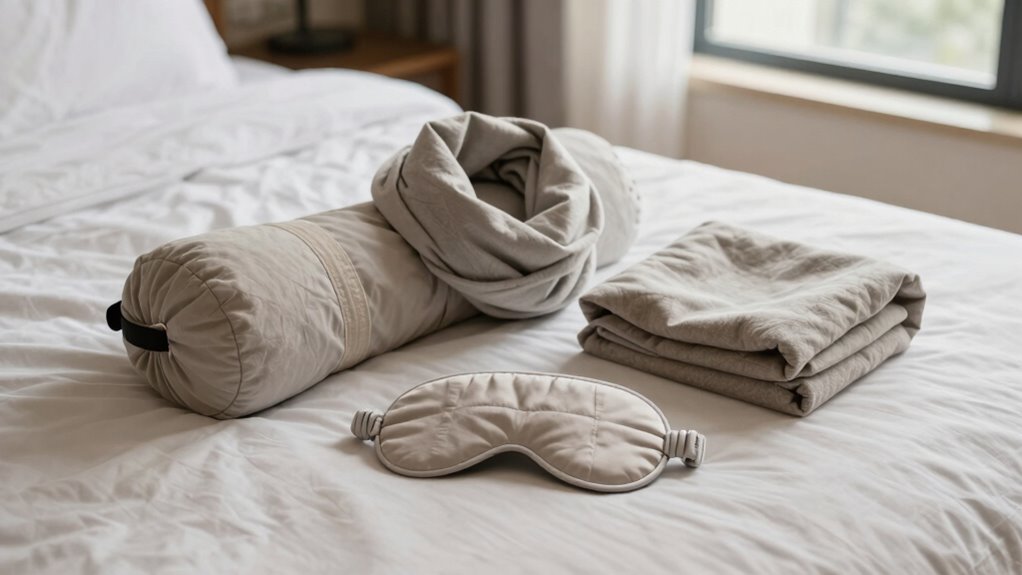
Ever wonder how to keep your sleep schedule on track while traveling? Jet lag and sleep deprivation can throw off your routine, making you feel sluggish or irritable. To stay consistent, try syncing your sleep times with your destination’s time zone a few days before you leave. When you arrive, expose yourself to natural light during the day to reset your internal clock. Avoid caffeine and heavy meals close to bedtime, and stick to a regular sleep schedule—even if you’re tired. If possible, take short naps to recharge without disrupting your rhythm. Staying disciplined with your sleep habits helps combat jet lag and prevents sleep deprivation from ruining your trip. Establishing a routine is crucial to maintaining your sleep health while on the move. Consistency is key to feeling refreshed and energized on the go, especially since piercings and other body modifications can influence your comfort and healing during travel. Incorporating sleep hygiene practices can further improve your ability to rest well wherever you are.
Develop a Pre-Sleep Routine That Works While Traveling
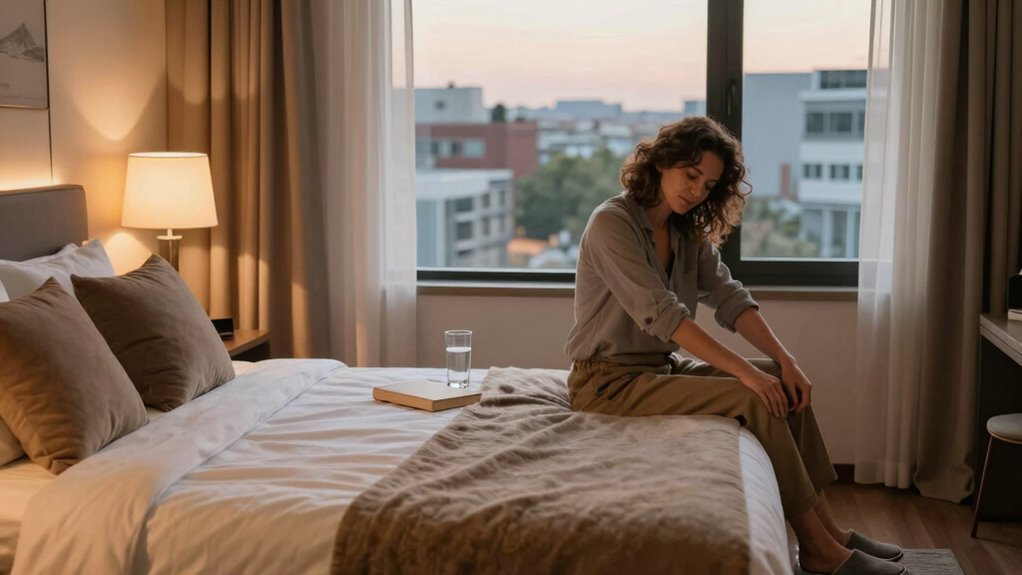
Creating a pre-sleep routine that works while traveling is essential for falling asleep quickly and maintaining restfulness, even in unfamiliar environments. Start by optimizing your sleep environment: choose a comfortable spot, use travel accessories like a neck pillow or eye mask, and keep your space tidy. Incorporating essential oils for sleep such as lavender or eucalyptus can further promote relaxation and improve sleep quality. Establish calming activities such as reading, gentle stretching, or deep breathing to signal your body it’s time to wind down. Avoid screens and stimulating conversations before bed. Consistency is key—try to follow the same routine each night, even on the go. Incorporating sleep environment optimization techniques can further enhance your restfulness. Being mindful of your sleep habits in different environments can help your body adjust more quickly. Maintaining a consistent sleep schedule, even during travel, can significantly impact how quickly you fall asleep and the quality of your rest. Additionally, paying attention to your body’s natural rhythms can help you better adapt to new surroundings. By creating a familiar, relaxing environment and sticking to simple calming habits, you’ll set the stage for better sleep, no matter where your travels take you.
Manage Light, Noise, and Temperature Naturally for Better Sleep
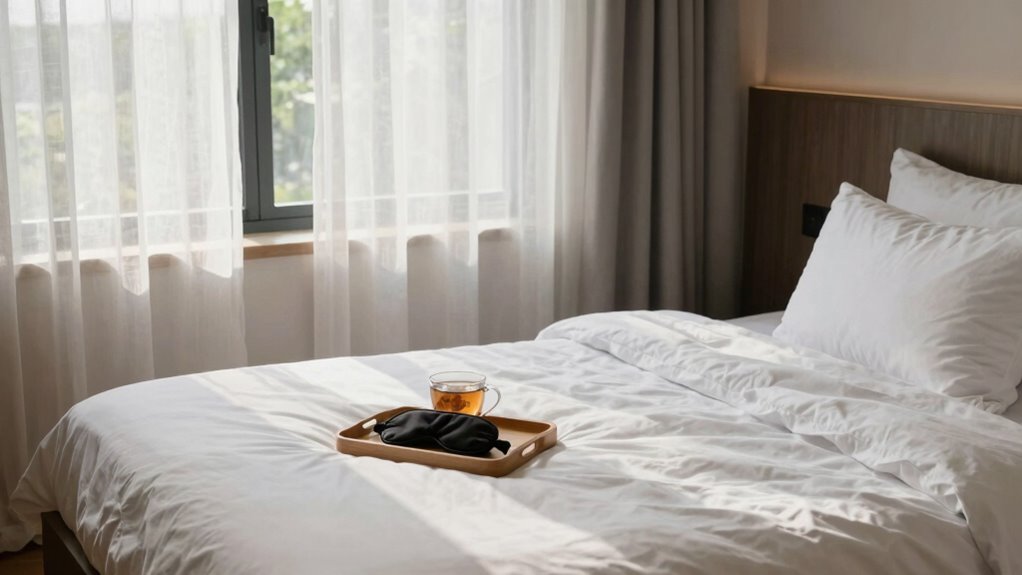
Adjusting your environment to manage light, noise, and temperature can substantially improve your sleep quality while traveling. For light management, use blackout curtains or a sleep mask to block out unwanted light. Keep the room dark to send your body cues that it’s time to sleep. For noise reduction, consider earplugs or a white noise app to drown out disruptive sounds. Maintaining a comfortable temperature—around 65-70°F (18-21°C)—helps your body relax naturally. Open a window slightly or use a portable fan if needed. These simple, natural strategies create a sleep-conducive environment, making it easier to fall asleep and stay asleep, even in unfamiliar settings. Additionally, selecting a suitable home theatre projector can improve your overall viewing experience and help you relax before bed. Prioritizing light management, noise reduction, and temperature control sets the foundation for restful travel nights. Incorporating environmental cues such as familiar scents or calming visuals can further enhance sleep comfort in new settings.
Practice Simple Relaxation and Breathing Techniques to Fall Asleep Faster
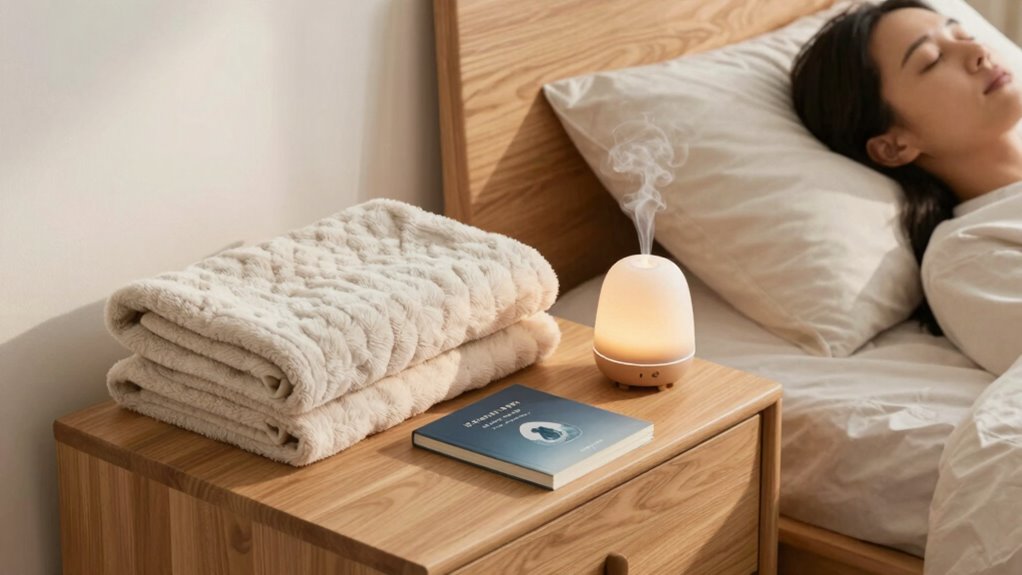
Practicing simple relaxation and breathing techniques can considerably help you fall asleep faster when traveling. Relaxation techniques, such as progressive muscle relaxation or visualization, calm your mind and ease physical tension. Breathing exercises, like deep diaphragmatic breathing or the 4-7-8 method, slow your heart rate and promote a sense of calm. To try these, find a comfortable position, close your eyes, and focus on your breath. Inhale slowly through your nose, hold for a few seconds, then exhale gently through your mouth. Incorporating printmaking paper choices into your routine can also foster a mindful, calming activity before bed. Repeating these steps reduces stress and signals your body that it’s time to rest. Using a flat iron bike for transportation can also reduce stress and promote relaxation during your day, contributing to better sleep at night. Incorporating these techniques into your bedtime routine can make falling asleep easier, even in unfamiliar or noisy environments. Creating a comfortable sleeping environment can further enhance relaxation, and choosing the right battery inverter generator with suitable capacity can ensure reliable power if you need to charge devices overnight.
Optimize Your Sleep Environment Without Spending Extra Money
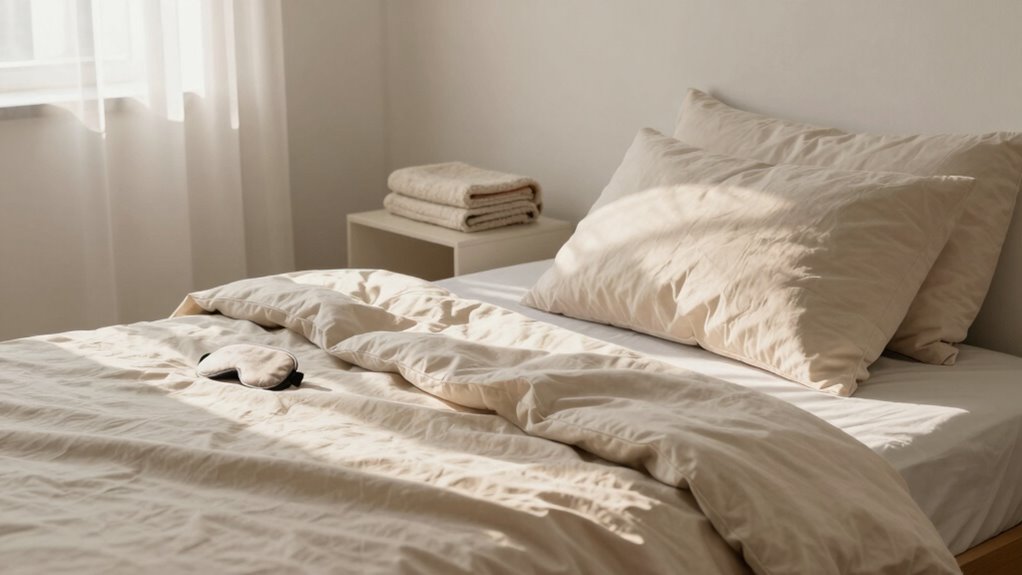
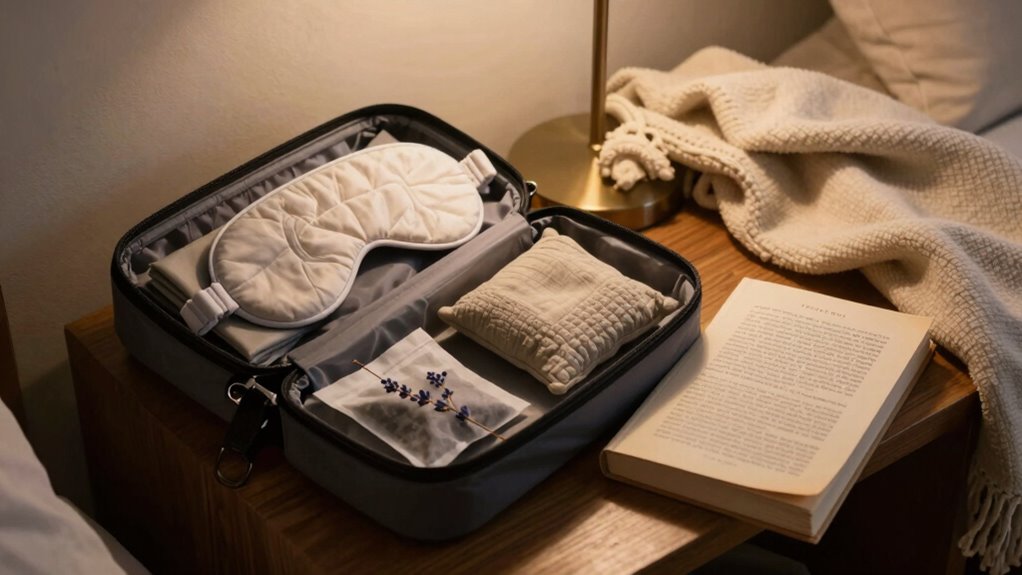
You don’t need to spend extra money to improve your sleep environment while traveling. Simple adjustments can make a big difference. Use a portable sleep mask to block out light, helping you rest better regardless of your surroundings. If you don’t have one, a makeshift mask from a piece of clothing can work. Incorporate essential oils like lavender or chamomile to create a calming atmosphere; a small vial or a few drops on a tissue can do the trick. Keep your space tidy and familiarize yourself with the environment to reduce stress. These inexpensive tools and habits help signal to your body that it’s time to sleep, making it easier to relax and fall asleep quickly without splurging on gadgets.
Build a Bedtime Routine That Travels Well
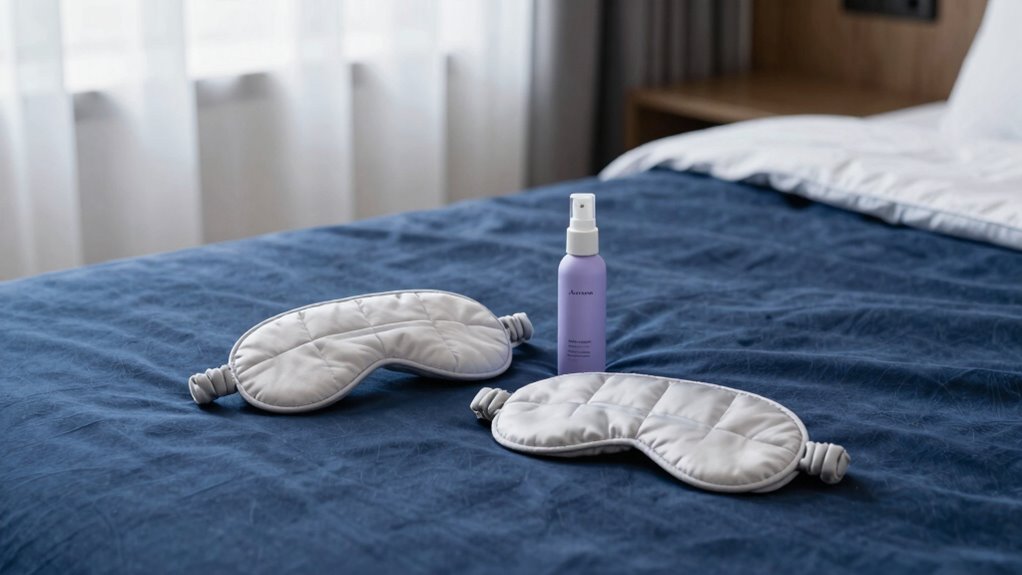
To create a bedtime routine that travels well, focus on maintaining comfort and consistency no matter where you are. Pack only what’s necessary to keep your routine simple and avoid overloading your luggage. Traveling light helps you stay flexible and guarantees your routine remains easy to follow, even on the go. Incorporating water-based relaxation techniques can enhance your sleep quality during travel. Understanding the importance of fandom culture can also help you feel more connected and relaxed, creating a comforting routine regardless of your location. Additionally, establishing mindful self-care practices can further support your well-being while on the move. Recognizing how economics and societal shifts influence travel habits can provide additional motivation to maintain healthy routines.
Comfort Consistency Matters
Maintaining comfort consistency is key to helping your body recognize bedtime signals, even when you’re on the go. Good sleep hygiene involves preserving familiar routines and a consistent sleep environment, which can be simple yet effective. Keep your sleeping area as comfortable and quiet as possible, replicating your usual setup. Use a familiar pillow or blanket if you can, or bring along a small item that reminds you of home. Consistency in your habits signals to your body that it’s time to wind down, regardless of location. Avoid abrupt changes in lighting, noise, or temperature, which can disrupt your sleep. Incorporating consistent yarn weight and stitch type into your bedtime routines can help reinforce a familiar sensation of comfort, making it easier to fall asleep, no matter where your travels take you.
Pack Smart, Travel Light
Creating a travel-friendly bedtime routine requires packing only the essentials and choosing versatile items that easily fit into your luggage. Focus on travel accessories that serve multiple purposes, helping you stay organized and comfortable. To pack smart and travel light, consider these items:
- A compact sleep mask that doubles as a blackout curtain.
- A small, foldable pillow for added support.
- Multi-use travel-sized toiletries for hygiene and relaxation.
- A portable, lightweight blanket for warmth and comfort.
- Incorporate daisy varieties into your travel décor or as a cheerful reminder of home to boost your mood and create a pleasant bedtime environment.
Keep your luggage organized by dedicating a specific compartment or packing cube for your bedtime essentials. This way, you can quickly access what you need and avoid rummaging through your bag. Efficient luggage organization and minimal travel accessories make building a seamless bedtime routine on the go effortless.
Frequently Asked Questions
How Can I Maintain My Sleep Quality During Long-Haul Flights?
To maintain your sleep quality during long-haul flights, bring a comfortable travel pillow and use noise-canceling headphones or earplugs. Find a window seat if possible, close your eyes, and relax your muscles. Keep your head supported, block out noise, and stay hydrated. Avoid screens before sleeping, and try to stick to your usual sleep routine. These habits help you rest better, even in the bustling cabin.
What Are Quick Mental Exercises to Relax Before Sleep While Traveling?
Sure, because who doesn’t love sitting in a cramped plane seat, trying mindfulness meditation? You can quickly relax by focusing on your breath, inhaling deeply through your nose, then slowly exhaling through your mouth. Practice simple breathing techniques like 4-7-8 or box breathing, which calm your mind and body. These mental exercises boost relaxation, helping you drift off more easily, even in the least ideal sleeping environments.
How Do I Handle Jet Lag Without Medication or Gadgets?
To handle jet lag without medication or gadgets, adjust your sleep environment by dimming lights and reducing noise, helping your body adapt. Prioritize good travel nutrition by staying hydrated and eating light, easily digestible meals. Stick to a consistent sleep schedule, even if it means napping strategically. These habits reset your internal clock naturally, easing jet lag and promoting restful sleep, no gadgets required.
Can Changing My Sleep Posture Improve Rest During Travel?
Did you know that proper pillow positioning can substantially reduce discomfort during travel? Changing your sleep posture can indeed improve rest. Focus on maintaining spine alignment by adjusting your pillow to support your neck and back. This simple habit helps reduce stiffness and promotes better sleep. Make certain your head and neck are aligned with your spine, and avoid awkward angles. Small posture tweaks make a big difference in quality rest on the go.
What Are Natural Remedies to Combat Travel Fatigue and Insomnia?
You can fight travel fatigue and insomnia naturally by sipping herbal teas like chamomile or lavender, which help relax your mind and body. Additionally, use aromatherapy scents such as lavender or eucalyptus to create a calming environment. These simple remedies boost your sleep quality without medications, making it easier to unwind after long travel days. Consistently incorporating these habits can considerably improve your rest on the go.
Conclusion
Did you know that travelers who stick to consistent sleep routines report 30% better rest? By adopting simple habits—like managing light, noise, and relaxation—you can improve your sleep without spending a dime. These habits help you feel more refreshed and energized, no matter where you are. So, focus on habits, not gadgets, and turn your travel nights into restful, restorative experiences. Good sleep is within your reach—no extra costs needed.