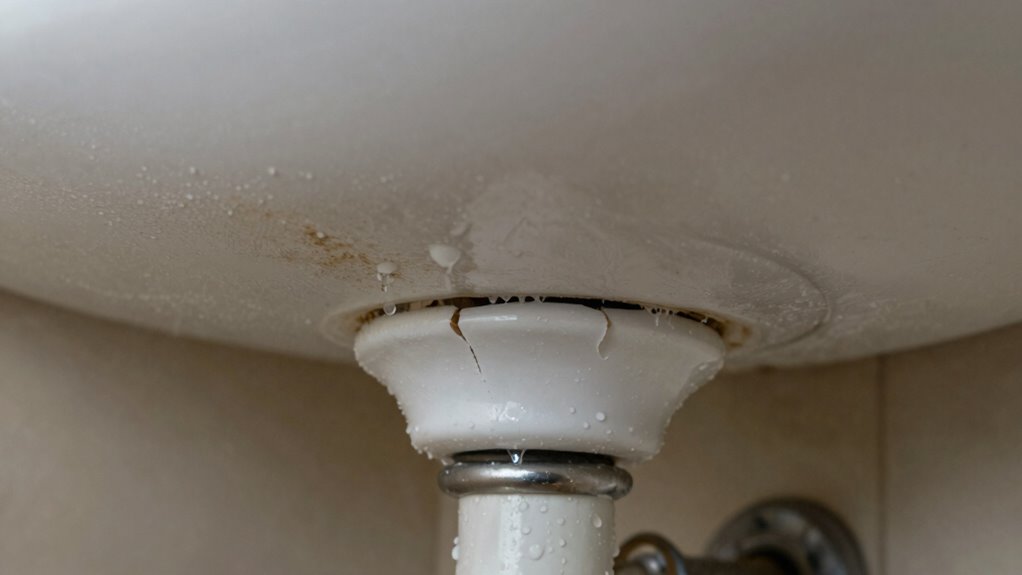
Toiletry leaks happen mainly because seals wear out, containers crack, or fittings become loose, especially if handled improperly or exposed to temperature changes. Poor storage conditions like humidity or extreme heat weaken materials and increase leak risks. To prevent leaks, use durable, leak-proof containers, pack carefully, and regularly inspect your items for damage. Want to discover more tips on keeping your toiletries secure and mess-free? Keep exploring for helpful solutions.
Key Takeaways
- Worn-out seals, loose fittings, and cracks in containers cause toiletry leaks.
- Environmental factors like temperature fluctuations and humidity weaken container materials.
- Proper storage, such as temperature control and secure lids, prevents seal deterioration and leaks.
- Regular inspection and maintenance help identify early signs of damage or product spoilage.
- Using leak-proof, well-designed containers and packing techniques minimizes leakage during travel.
Why Do Toiletry Leaks Happen? Common Causes Explained
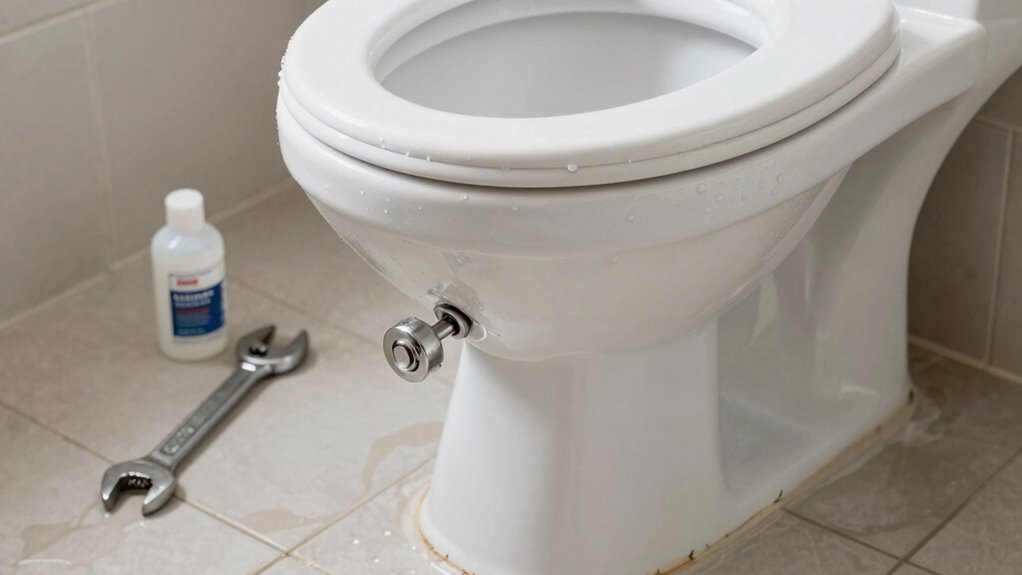
Toiletry leaks often happen because of simple yet overlooked issues like worn-out seals, loose fittings, or cracks in the container. The container material plays a big role in its durability; plastic bottles can crack over time, especially if handled roughly, while glass is prone to shattering. Your handling habits also matter—twisting caps too tightly or dropping containers can cause cracks or loosen fittings. If you’re not careful when opening or closing them, seals wear out faster, increasing the chance of leaks. Proper user handling involves gentle twisting, avoiding excessive force, and storing containers upright. Choosing containers made from resilient materials and being mindful during use help prevent leaks. Small care steps can considerably extend the life of your toiletry bottles and keep leaks at bay. Being aware of material durability can help you select better-quality containers that resist damage and leaks. Additionally, understanding how different container designs impact leak prevention can guide you in choosing the most reliable options.
How Temperature and Storage Conditions Lead to Leaks
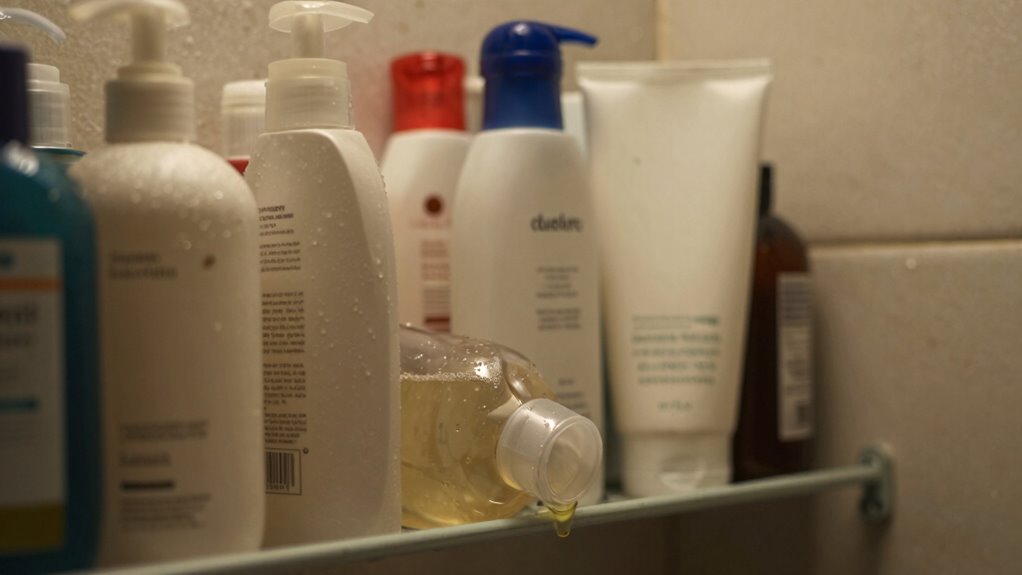
Extreme temperatures and poor storage conditions can considerably increase the risk of toiletry leaks. When you expose your toiletries to temperature fluctuations, materials expand and contract, weakening seals and increasing spill chances. High storage humidity can cause containers to corrode or degrade, making leaks more likely over time. To prevent this, consider:
Extreme temperatures and humidity heighten the risk of toiletry leaks by weakening seals and degrading containers.
- Keeping toiletries in a temperature-controlled environment to avoid sudden shifts
- Storing items in a dry, low-humidity space to prevent material deterioration
- Ensuring lids are tightly sealed to withstand temperature changes
- Regularly inspecting and maintaining your containers and seals to prevent deterioration cable failures
- Choosing containers made from durable materials that can withstand temperature variations and humidity. Proper storage conditions are essential to maintaining the integrity of your toiletry containers and preventing leaks, as consistent conditions help preserve material stability. Additionally, selecting containers with airtight seals can further reduce leak risks caused by environmental fluctuations.
How to Spot and Fix Design Flaws That Cause Leaks
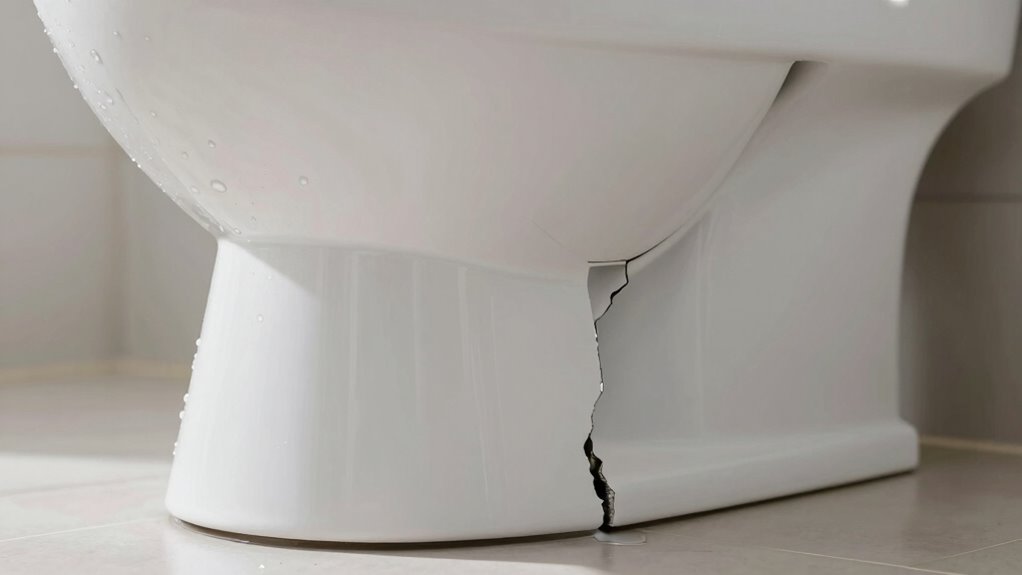
Even if you store your toiletries properly, design flaws can still cause unexpected leaks. To spot these issues, carefully examine your bottles and containers for poor seals, weak threads, or uneven surfaces that might compromise the closure. Look for signs of manufacturing defects such as cracks or deformities, which could lead to leaks over time. Once you identify a potential design flaw, consider leak prevention techniques like replacing damaged caps, choosing containers with better sealing mechanisms, or applying waterproof seals where possible. Improving the design by ensuring tight-fitting lids, secure closures, and high-quality materials can considerably reduce leaks. Regularly inspecting your toiletries for subtle flaws helps you catch problems early and prevents leaks before they happen.
Practical Tips to Pack Toiletries and Prevent Leaks
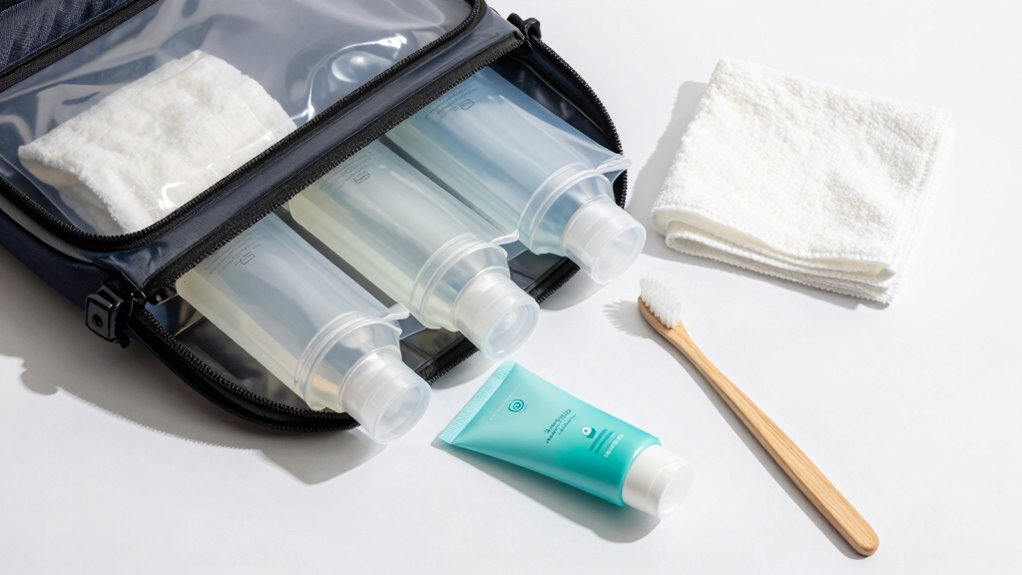
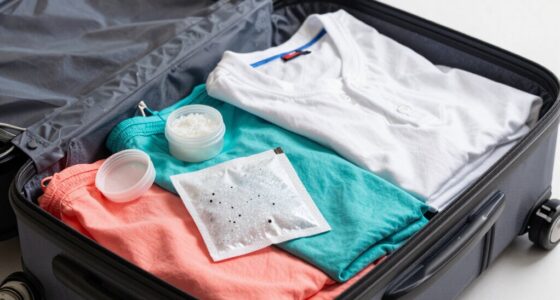
Packing toiletries carefully is essential to prevent leaks during travel. To do this effectively, consider eco friendly packaging options that are sustainable and durable. You can also create DIY leak proof solutions using household items like plastic wrap or resealable bags.
Here are practical tips to help you pack securely:
- Use small, secure containers with tight-fitting lids, preferably made from eco friendly packaging.
- Wrap bottles and tubes with plastic wrap or place them in resealable bags to contain any potential leaks.
- Double up by placing toiletries in a separate, sealed compartment or pouch to prevent messes and protect your belongings.
- Opt for creative craft ideas to customize your travel containers or make reusable, leak-proof pouches for added protection.
- Pay attention to color accuracy and select containers that are clearly labeled to avoid confusion and ensure proper handling during packing.
- Additionally, choosing airtight seals can provide extra assurance against leaks, especially during long journeys or rough handling.
- Selecting eco friendly packaging options not only helps the environment but also ensures that your toiletries are stored securely and sustainably.
- For added peace of mind, look for containers with comprehensive leak-proof features to further minimize messes during travel.
Implementing these simple strategies minimizes leaks and keeps your travel gear clean. With a few eco-conscious and DIY solutions, you can travel confidently without worrying about messy spills.
Best Travel Containers and Storage Solutions for Secure Toiletries
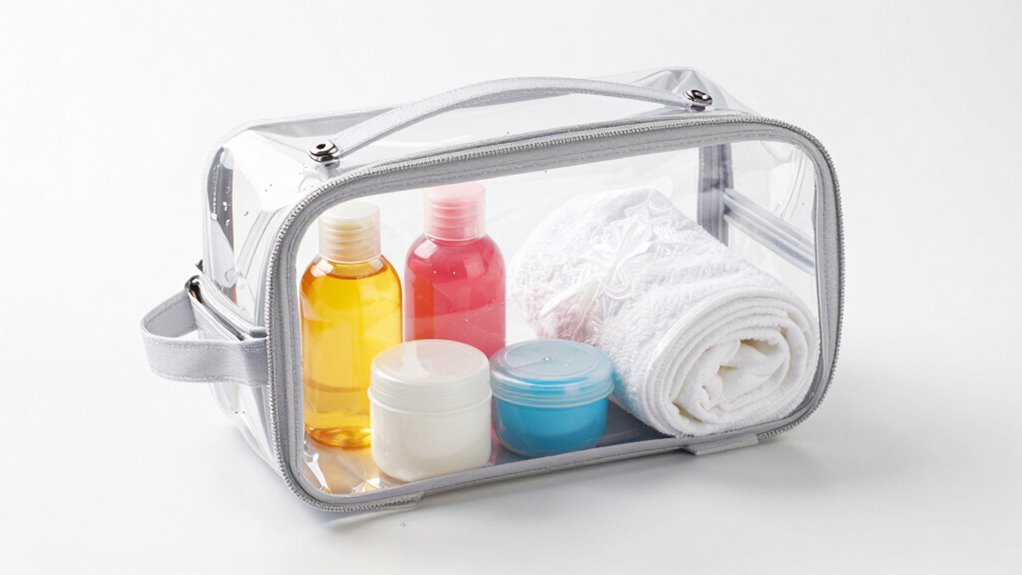
Choosing the right containers and storage solutions can make a significant difference in keeping your toiletries secure and leak-free during travel. Opt for travel accessories designed with leak prevention in mind, such as leak-proof bottles and secure caps. Durable, airtight containers help prevent spills and keep your belongings organized. Consider using transparent, multi-compartment cases to easily identify items and reduce handling. Look for TSA-approved sizes to meet airline regulations. Additionally, selecting containers with optimized sealing mechanisms can further enhance leak prevention during transit. Using containers made from compliant materials ensures safety and durability while traveling. Understanding the importance of cultural heritage and traditional practices can also inspire you to choose environmentally friendly and culturally respectful packaging options. Incorporating temperature-resistant materials can help protect your toiletries from extreme conditions during your journey. Being aware of global supply chain disruptions can help you plan and select reliable travel accessories to avoid last-minute shortages.
Troubleshooting Persistent Leaks: When to Replace Products
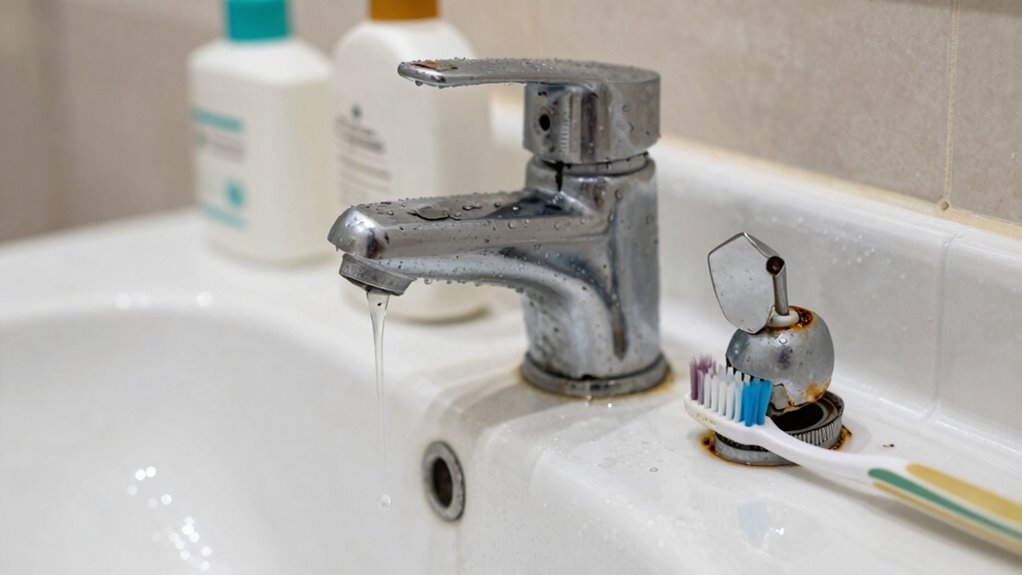
If your toiletry products keep leaking despite resealing, it might be time to check for signs of deterioration like cracks or discoloration. When these issues become visible, repairing may no longer be effective, and replacing the item is usually the best choice. Investing in new products guarantees you avoid ongoing messes and maintain reliable storage for your toiletries. Regular inspection for deterioration can help prevent leaks before they start. Additionally, choosing electric bikes with durable construction can prevent similar issues related to product wear and tear. Proper storage solutions, such as waterproof and floating on water containers, can further protect your toiletries from leaks and damage. Incorporating sound healing science principles like regular checks and mindful storage can promote better maintenance habits and longevity of your toiletry containers. Being mindful of backyard transformation essentials can also inspire creative ways to organize your outdoor storage spaces for added protection.
Signs of Product Deterioration
Over time, toiletry products can show signs of deterioration that lead to persistent leaks. Recognizing these signs helps you decide when to replace them before further damage occurs. Look out for issues such as a shortened product shelf life, which indicates the product may no longer be effective or safe. Also, check packaging integrity—cracks, bulges, or leaks suggest the container’s seal has weakened. Finally, observe any changes in consistency, color, or smell, which can signal spoilage or chemical breakdown. These signs aren’t always obvious but are vital indicators that your product may be deteriorating. Regularly inspecting your toiletries ensures you catch problems early, maintaining hygiene and preventing leaks caused by compromised containers. Being aware of product lifespan and storage conditions can also help prolong their usability and prevent unexpected failures. Additionally, environmental factors such as temperature fluctuations can accelerate product deterioration, leading to increased leakage risks. Monitoring shelf stability can further aid in maintaining the integrity of your toiletries over time. Moreover, chemical stability can be compromised by improper storage, further increasing the likelihood of leaks.
When to Invest in New Items
Sometimes, despite careful handling, toiletry products continue to leak or show signs of deterioration. If you’ve tried sealing with leak-proof materials and used quality travel accessories, but leaks persist, it’s time to invest in new items. Persistent leaks often mean the product’s integrity has compromised, and repairs no longer suffice. Consider replacing old bottles or containers with newer ones designed specifically for travel, emphasizing leak-proof materials. Modern travel accessories often feature improved seals and durable construction that prevent leaks better than older products. Don’t waste time troubleshooting endlessly—recognize when a product has reached its limit and invest in reliable, leak-proof options to keep your toiletries secure during trips. Upgrading ensures peace of mind and avoids messy surprises. Additionally, selecting appropriate toiletry containers that meet current safety standards can significantly reduce the chances of leaks in the future. Being aware of Indonesian decor masks and their craftsmanship can inspire you to choose stylish, well-made containers that add cultural flair while maintaining functionality. Moreover, understanding the importance of product integrity can help you identify when a toiletry item is no longer reliable and needs replacement. Recognizing signs of material degradation can also guide you in selecting more durable, leak-resistant products.
Frequently Asked Questions
Can Certain Ingredients in Toiletries Cause Container Degradation?
Certain ingredients in toiletries can cause container degradation through ingredient reactions. For example, acids or alcohols may react with plastic or metal materials, weakening the container over time. You should check the labels and ingredient lists to avoid products with harsh chemicals that could break down your container. Using containers made of compatible materials, like glass or specific plastics, helps prevent leaks and maintains product integrity.
How Do Pressure Changes During Flights Affect Toiletry Leaks?
During flights, pressure fluctuation and cabin altitude changes can cause toiletry leaks. As altitude increases, the air pressure inside your containers may not align with the cabin pressure, creating a pressure difference. This imbalance can push liquids out, leading to leaks. To prevent this, use containers designed for travel, ensure they’re tightly sealed, and consider squeezing out excess air before sealing. These steps help maintain container integrity during altitude changes.
Are There Eco-Friendly Options to Prevent Toiletry Leaks?
Yes, you can prevent toiletry leaks with eco-friendly options like biodegradable packaging and refillable containers. Using biodegradable bottles reduces plastic waste and is gentle on the environment, while refillable containers help you avoid single-use plastics and keep your toiletries secure. Make sure to choose leak-proof, well-sealed containers, and always check for quality to prevent spills, especially during travel or sudden pressure changes.
Do Different Types of Caps or Closures Impact Leak Prevention?
Imagine a tight seal around your toiletries, preventing spills like a fortress. Different caps and closures matter because closure design and material strength directly influence leak prevention. A well-designed, sturdy closure creates a secure barrier, resisting pressure and accidental openings. Selecting caps with robust materials and innovative designs guarantees your toiletries stay put, even when tossed in a bag or bumped around, giving you peace of mind and mess-free travels.
How Often Should I Replace Old or Damaged Toiletry Containers?
You should replace old or damaged toiletry containers every 6 to 12 months. Regularly check for cracks, leaks, or worn closures. Use storage tips like keeping containers upright and away from heat to prolong their lifespan. Container materials matter—plastic can degrade over time, so switch to glass or sturdy BPA-free options if you observe signs of damage. Replacing them guarantees your toiletries stay secure and leak-free.
Conclusion
Just like Pandora’s box, leaks can seem endless, but with a little know-how, you can keep your toiletries secure. By understanding causes, choosing the right containers, and practicing smart packing, you’ll avoid the chaos of unexpected spills. Think of it as taming your own hydra—address one leak, and others won’t follow. Stay vigilant, and your travels will stay smooth, leak-free, and as worry-free as a calm sea.