To pack for humidity without feeling gross, choose lightweight, moisture-wicking fabrics and layer your clothes to stay comfortable. Use small, airtight containers with desiccants to keep everything dry and fresh. Pack quick-drying underwear and avoid packing damp clothes. Rotate outfits regularly, dry clothes thoroughly before packing, and incorporate anti-humidity sprays if needed. Stay organized and prepared—staying fresh in humid conditions takes some strategy, and you’ll discover even more tips as you continue.
Key Takeaways
- Pack moisture-wicking and quick-drying fabrics to stay dry and comfortable in humid conditions.
- Use airtight, moisture-resistant containers with desiccants to prevent dampness and mold.
- Roll clothes tightly to reduce air exposure and improve moisture control during packing.
- Incorporate lightweight base layers and breathable fabrics to enhance airflow and reduce dampness.
- Ensure all clothes are thoroughly dried before packing and rotate outfits to prevent damp odors.
Understand How Humidity Affects Your Clothing and Comfort
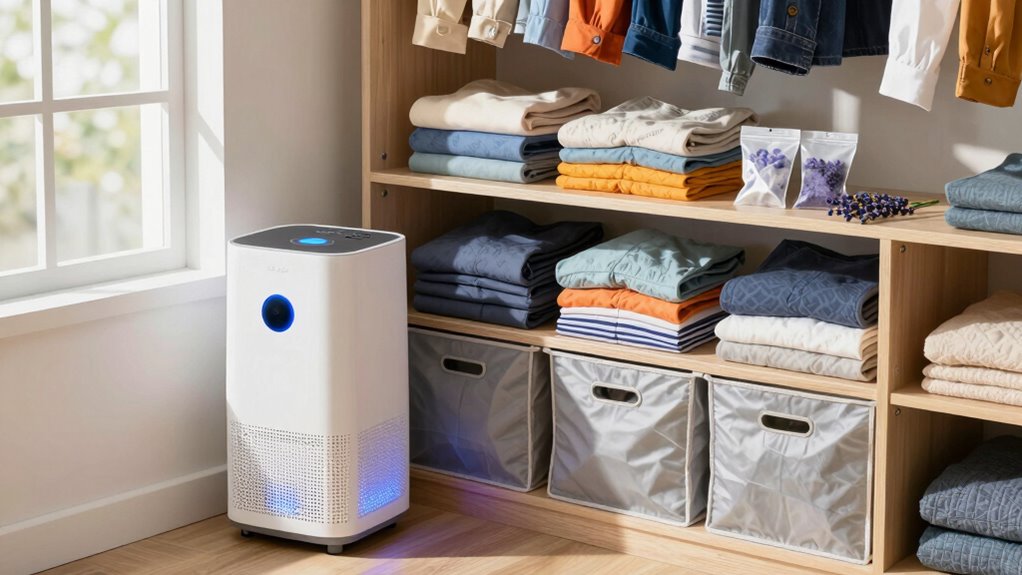
Since high humidity levels make the air feel hotter and can cause clothing to cling or feel damp, it’s important to understand how moisture affects your comfort. Humidity levels influence how your clothing materials respond throughout the day. Natural fabrics like cotton may absorb moisture quickly, leading to dampness and discomfort, while synthetic fabrics often trap sweat, making you feel sticky. Choosing the right clothing materials helps you stay comfortable and dry. Lightweight, moisture-wicking fabrics are ideal because they draw sweat away from your skin and dry faster. Avoid heavy or non-breathable materials that trap heat and moisture, as they can make you feel hotter and more uncomfortable. Additionally, understanding indoor air quality can help you identify sources of dust and microplastics that may affect your health. By understanding how humidity impacts your clothing, you can better prepare and stay comfortable during humid conditions.
Choose Breathable and Quick-Drying Fabrics for Packing
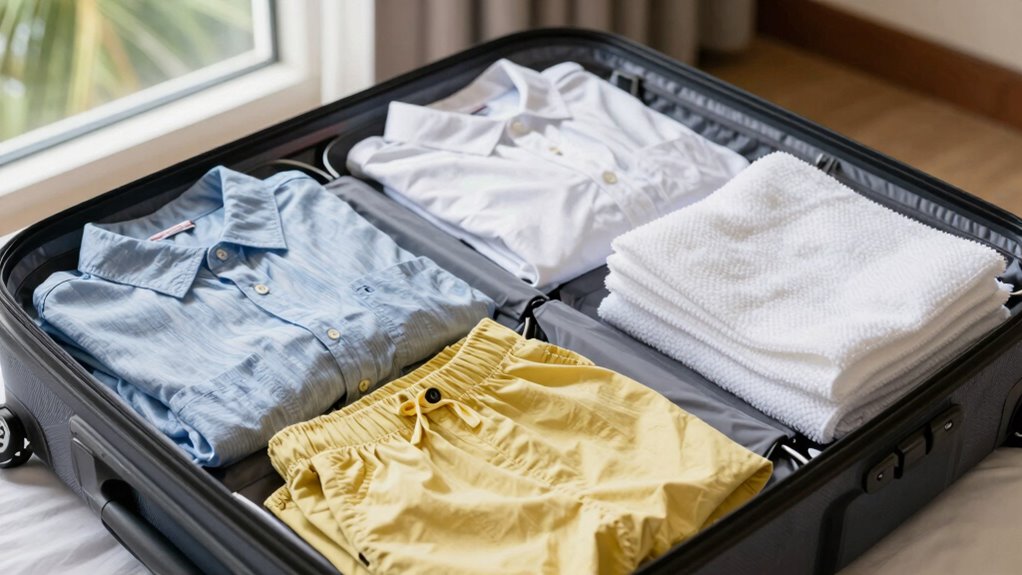
To stay comfortable in humid conditions, focus on packing breathable and quick-drying fabrics. Breathable fabrics allow air to circulate, helping your skin stay cool and reducing sweat buildup. Look for materials like linen, lightweight cotton, or performance blends designed for airflow. Quick drying materials are essential, as they prevent moisture from lingering and causing discomfort or odor. Fabrics made from synthetic fibers such as nylon or polyester are excellent choices because they dry faster than natural fibers. When packing, prioritize clothing that wicks moisture away from your skin and dries rapidly after washing or sweating. This way, you’ll stay fresh and comfortable, even in high humidity. Using moisture-wicking fabrics can further enhance your comfort by actively pulling sweat away from your skin. Additionally, selecting Breathable fabrics that promote air circulation can significantly improve your overall comfort in humid environments. Choosing the right fabrics makes a significant difference in feeling less gross and more at ease throughout your trip. Incorporating fabrics with quick-drying properties can help you stay feeling fresh longer during your travels. Also, opting for antimicrobial fabrics can help prevent odor caused by bacteria buildup. Remember that clothing layering also plays a role in managing humidity by allowing you to adjust your coverage as needed.
Pack Moisture-Wicking Underwear and Layered Clothing
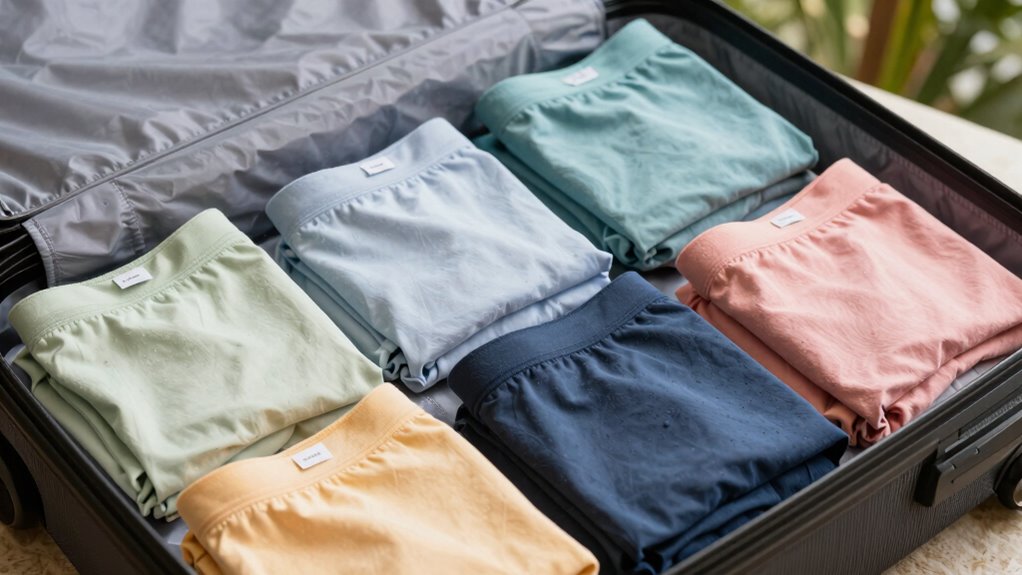
In humid conditions, packing moisture-wicking underwear and layered clothing is essential for staying comfortable. Moisture-wicking underwear keeps sweat away from your skin, reducing chafing and odor. Layered clothing allows you to adjust to temperature changes and improve airflow. Choose lightweight, breathable fabrics that dry quickly. To optimize your packing, consider this table:
| Clothing Type | Purpose |
|---|---|
| Moisture-wicking underwear | Keeps you dry and prevents irritation |
| Lightweight base layers | Provides comfort and moisture management |
| Insulating layers | Adds warmth without bulk |
| Outer layers | Protects against wind and rain |
Being aware of climate considerations can guide you in selecting the most suitable clothing for humid environments. Additionally, understanding humidity management techniques can help you stay dry and comfortable throughout your trip, especially through moisture control methods. Incorporating ventilation strategies into your packing can further enhance moisture management and overall comfort.
Use Packing Techniques to Keep Clothes Dry and Odor-Free
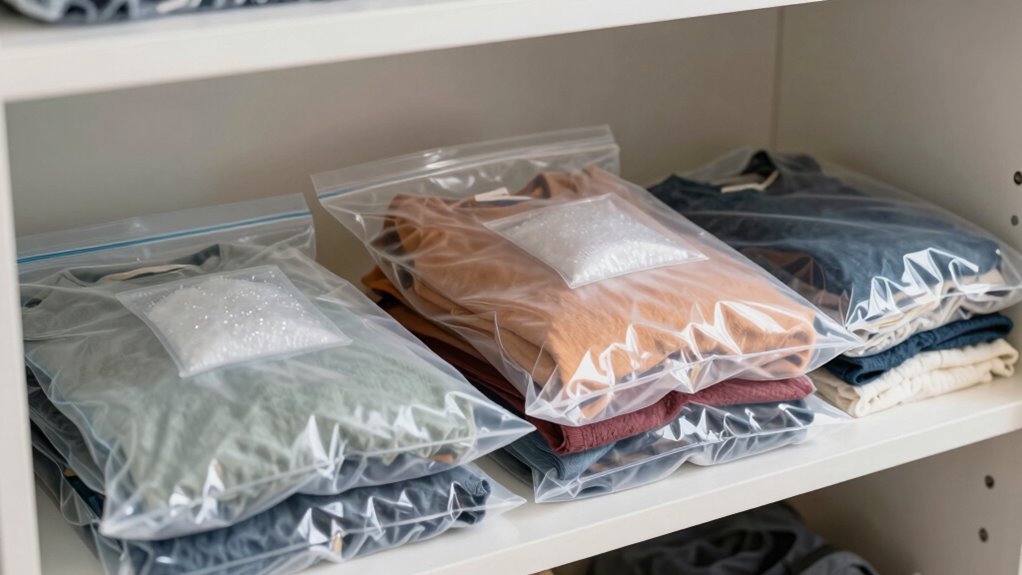
Packing your clothes properly can make a big difference in keeping them dry and odor-free throughout your trip. Use moisture-resistant packing techniques, like rolling clothes tightly to reduce air exposure and prevent moisture buildup. Incorporate fabric softeners or laundry detergents with odor-fighting properties into your laundry routine before packing to keep clothes fresh. Consider adding dryer sheets or sachets infused with scent to your packing cubes or bags for extra freshness. Keep your clothes separate from damp or sweaty items by using waterproof pouches or dry sacks. Be sure to dry clothes thoroughly before packing, and avoid overstuffing your luggage, which can trap moisture. These simple steps will help your clothes stay dry, fresh, and odor-free despite high humidity.
Select Waterproof and Airtight Storage Containers for Clothes
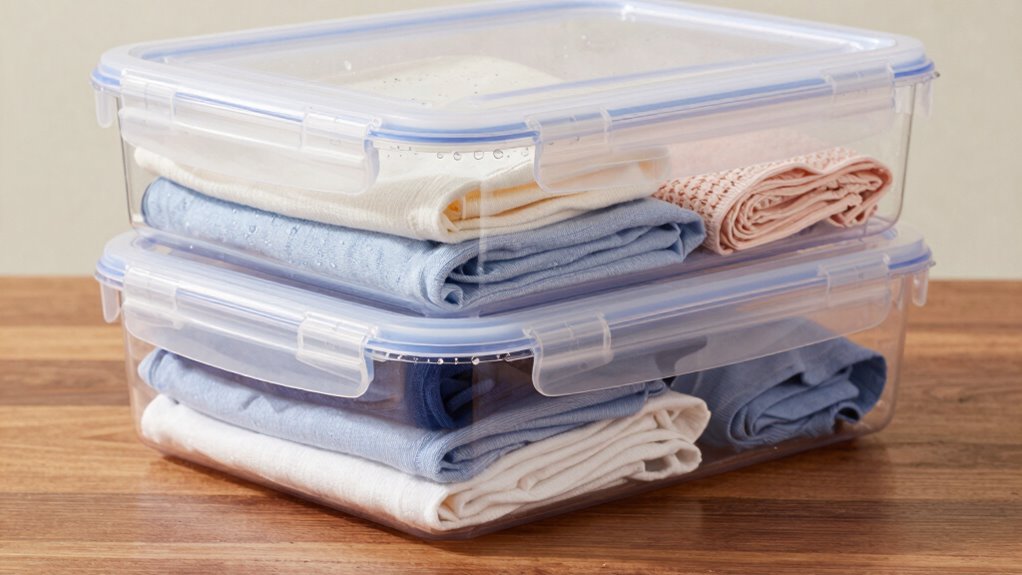
Choosing the right storage containers is essential for protecting your clothes from humidity. You should opt for waterproof storage options to keep moisture out and prevent mold or mildew. Airtight containers are equally important, as they block air and humidity from seeping in, maintaining a dry environment inside. Look for durable plastic bins or vacuum-sealed bags designed specifically for moisture resistance. Make sure the containers seal tightly to avoid any gaps that could let in humidity or pests. Clear containers are helpful because you can easily see what’s inside without opening them. Properly selecting waterproof storage and airtight containers ensures your clothes stay fresh, dry, and odor-free, even in high-humidity environments. This simple step greatly extends the life and cleanliness of your wardrobe. Additionally, using sustainable textile care practices, such as choosing eco-friendly storage materials, can reduce environmental impact and promote fabric longevity. Incorporating humidity control solutions, like desiccant packs, can further help maintain an optimal environment inside your storage containers. Ensuring proper ventilation practices around your storage area can also prevent excess moisture buildup. Selecting appropriate storage conditions can significantly improve the preservation of delicate fabrics and seasonal clothing. To maximize effectiveness, consider climate-controlled storage options that provide consistent temperature and humidity levels for sensitive items.
Incorporate Desiccants and Anti-Humidity Sprays Into Your Packing
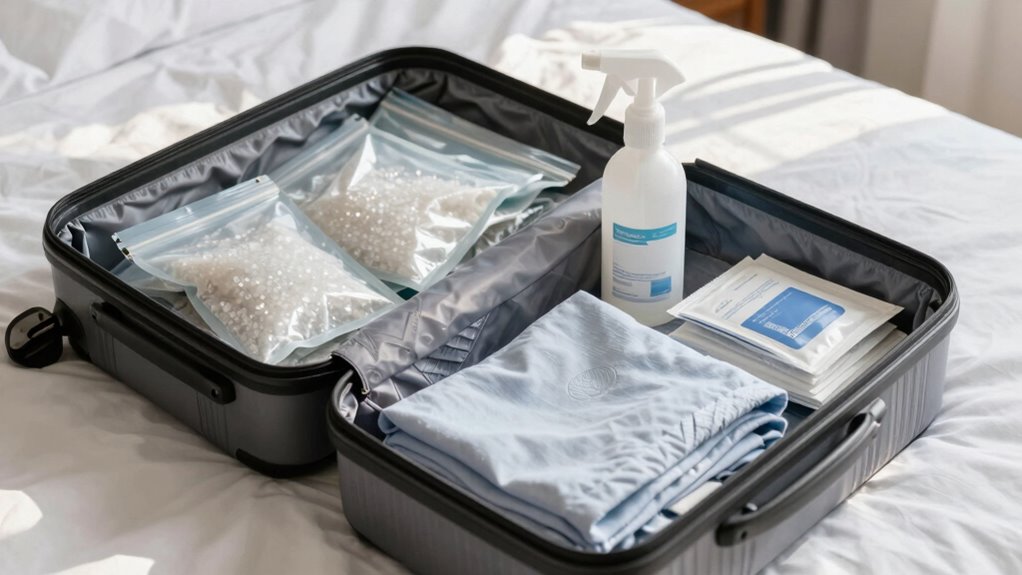
To keep your belongings dry, you should choose effective desiccants that suit your packing needs and place them properly with your clothes. Applying anti-humidity sprays can add an extra layer of protection, especially for delicate items. Make sure to pack everything carefully, following proper techniques to maximize moisture control during your trip. Additionally, selecting desiccants designed for humidity control can further enhance your moisture management efforts. Using desiccant types that are appropriate for your specific items ensures optimal moisture absorption and protection throughout your journey. Incorporating moisture-sensitive materials into your packing strategy can also help prevent damage caused by humidity. Being aware of home soundproofing tips can prevent indoor humidity issues that might affect stored items, ensuring a more comprehensive moisture management approach. For optimal results, consider climate-appropriate packing strategies to adapt to different humidity levels during your travels.
Choosing Effective Desiccants
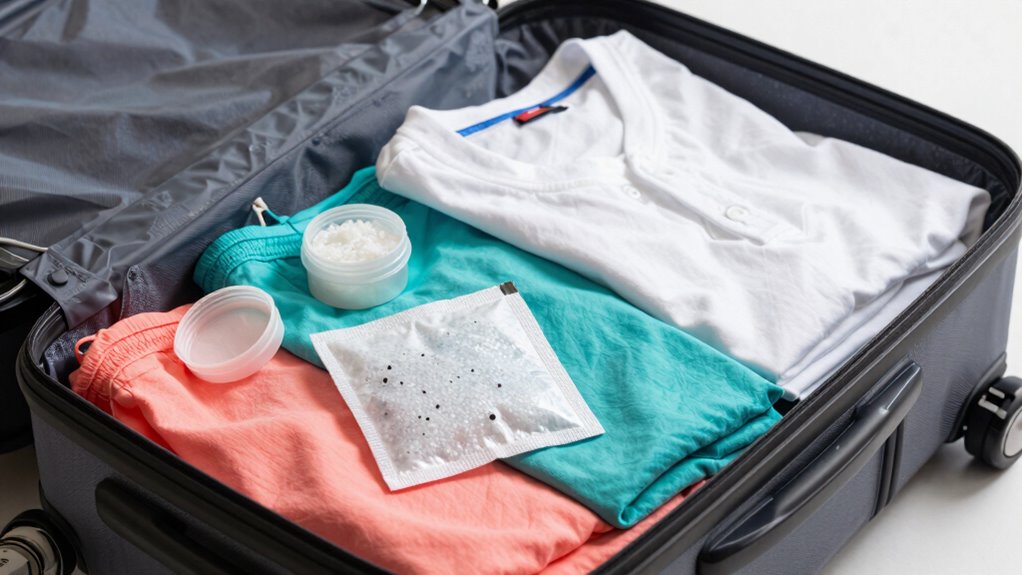
When dealing with high humidity, selecting the right desiccants is essential to keep your items dry and protected. Silica gel is a popular choice because it absorbs moisture efficiently and can be reused after drying. Clay desiccants are another effective option; they’re natural, affordable, and good at controlling humidity over time. Consider the size and quantity of your packing to determine how much desiccant you’ll need. For delicate items or valuable clothing, use multiple small packets of silica gel to ensure thorough moisture absorption. Clay desiccants work well for bulkier or less sensitive items. Always place desiccants in breathable pouches or containers to prevent direct contact with your belongings, and replace or recharge them regularly for maximum effectiveness. Proper humidity control is key to preventing mold and mildew during storage.
Applying Anti-Humidity Sprays
Incorporating anti-humidity sprays alongside desiccants can substantially enhance your packing’s moisture protection. These sprays create a barrier that helps prevent mold and musty odors during travel. When choosing a spray, look for formulas designed specifically for fabrics, like those with fabric softeners, which help keep clothes fresh and soft. Some sprays also act as scent boosters, adding a pleasant aroma to your wardrobe and masking any lingering humidity smells. Lightly mist your clothing and packing containers before sealing them, ensuring even coverage without oversaturation. Using appropriate sprays in tandem with desiccants offers a simple, effective way to keep your belongings feeling clean and comfortable during your trip. Incorporating moisture barriers can further enhance the effectiveness of your moisture management strategy, ensuring your clothes stay dry and odor-free. Additionally, selecting desiccants with high moisture absorption capacity can significantly improve the overall moisture control within your luggage, especially when used alongside humidity-resistant materials.
Proper Packing Techniques
By carefully placing desiccants and anti-humidity sprays in your luggage, you can create an effective moisture barrier that protects your belongings. Choose fabrics like nylon, polyester, or treated cotton that resist moisture and mold. When packing, organize your items efficiently, using small compartments or bags to separate clothing and prevent air circulation that traps humidity. Place desiccants in strategic spots, such as among delicate fabrics or in corners, to absorb excess moisture. Spray anti-humidity products onto fabrics that tend to retain dampness, ensuring they stay dry longer. Proper luggage organization combined with targeted desiccant placement helps maintain a dry environment inside your bag, reducing the risk of mold, mustiness, and damage during humid conditions.
Rotate Outfits to Prevent Dampness and Odor Build-Up
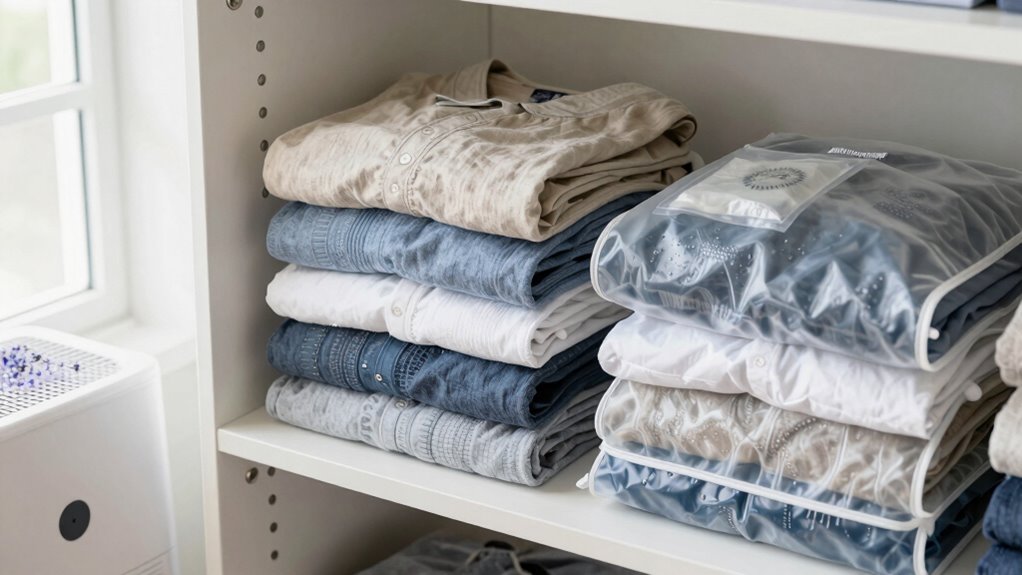
To keep your clothes fresh and prevent dampness or odors from developing, rotating your outfits regularly is essential. This practice, part of seasonal wardrobe rotation, helps manage moisture and reduces the chance of mold. It also aids in laundry frequency management, ensuring you don’t wash everything too often or too seldom. By switching clothes between wears, you give fabrics a chance to air out, especially in humid environments. Incorporate these tips:
- Wear different outfits on alternate days to allow clothes to breathe
- Store used clothes in well-ventilated spaces to prevent dampness buildup
- Avoid packing the same items repeatedly without giving them time to dry
- Rotate seasonal clothing to prevent long-term dampness and odor retention
This approach keeps your wardrobe fresh and minimizes humidity-related issues.
Tips for Washing and Drying Clothes in Humid Environments

Washing and drying clothes in humid environments requires careful attention to prevent mold, mildew, and lingering odors. Stick to effective laundry routines by using hot water when possible and adding a cup of vinegar to help kill bacteria and remove musty smells. Always rinse thoroughly to guarantee no detergent residue remains, which can trap moisture and cause odors. For fabric care, avoid overloading your washing machine so clothes can move freely and dry evenly. When drying, opt for high heat or spin cycles to extract excess moisture, and hang clothes in a well-ventilated area or use a dehumidifier to speed up drying. Promptly fold or store clothes once dry to prevent dampness from setting in, keeping your wardrobe fresh and odor-free.
Essential Gear and Accessories to Stay Fresh in Humid Conditions
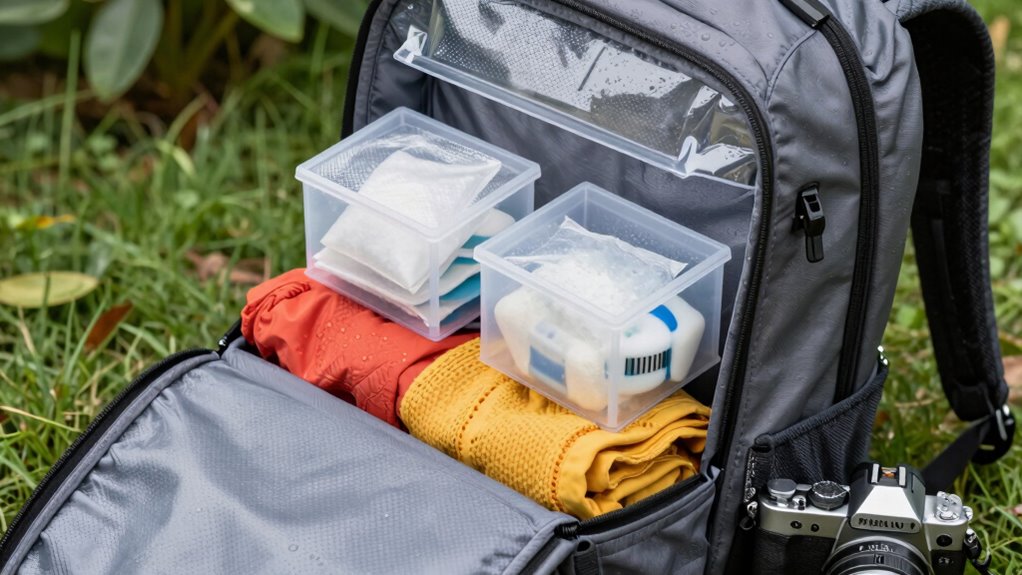
Staying fresh in humid conditions requires the right gear and accessories that help control moisture and improve airflow. To combat humidity effects and maintain clothing comfort, consider carrying essential items. A lightweight, moisture-wicking hat can shield you from direct sun and increase airflow around your head. Breathable, quick-dry fabrics in your clothing help prevent sweat buildup and keep you feeling fresh longer. An antiperspirant or body powder reduces excessive sweating and odor. Finally, a portable fan or handheld mister can provide instant relief and improve ventilation. These accessories are simple but effective tools to stay comfortable and avoid feeling gross in high humidity. With the right gear, you’ll better manage moisture and keep your clothing feeling fresh no matter the weather.
Frequently Asked Questions
How Can I Prevent My Clothes From Developing Mold During Travel?
To prevent mold on your clothes during travel, focus on proper ventilation techniques and clothing material selection. Pack breathable fabrics like cotton or linen, which dry faster and resist mold. Use moisture-absorbing products like silica gel packs or desiccants, and guarantee your clothes are completely dry before packing. Store them in breathable garment bags, and periodically open your luggage to air out, reducing humidity buildup and preventing mold growth.
Are There Specific Detergents Recommended for Humid Climates?
You should choose detergents with eco-friendly options that contain natural ingredients like plant-based enzymes and minimal chemicals. Look for products labeled biodegradable or free of harsh additives, which help prevent mold and mildew buildup in humid climates. These detergents effectively clean your clothes without leaving residues that trap moisture or cause odors, ensuring your garments stay fresh and mold-free during travel.
What’s the Best Way to Store Shoes to Avoid Moisture Buildup?
Imagine your shoes sitting in a tidy shoe organizer, each pair breathing freely. To avoid moisture buildup, store your shoes in breathable containers or on racks, away from damp walls. Use moisture absorbers like silica gel packets or activated charcoal inside the storage space to soak up excess humidity. This keeps your shoes dry, fresh, and free from mold, ensuring they stay in top shape even in humid environments.
Can Natural Remedies Help Keep Clothes Fresh in Humidity?
Yes, natural remedies can help keep your clothes fresh in humidity. Using natural deodorizers like baking soda or charcoal absorbs excess moisture and odors, keeping clothes feeling clean. Choose breathable fabrics such as linen or cotton to promote air circulation and reduce sweat buildup. Regularly air out your clothes and store them in well-ventilated areas. These simple steps help you stay fresh and comfortable despite high humidity.
How Often Should I Rotate or Wash My Packed Clothes on a Trip?
On a humid trip, you should rotate your clothing and stick to a regular laundry schedule—about every 2-3 days. For example, Sarah packed lightweight, moisture-wicking shirts and washed them frequently to prevent odor buildup. This way, your clothes stay fresh, and you avoid feeling gross. Prioritize clothing rotation and laundry routines to keep your wardrobe smelling clean and feeling comfortable throughout your trip.
Conclusion
So, now you’re basically a humidity-whisperer, armed with moisture-wicking magic and airtight containers. No more soggy socks or musty mysteries lurking in your suitcase. Just remember, in the battle against dampness, your best weapon is a little prep and a lot of clever packing. Stay fresh, stay dry, and pretend you’re not sweating buckets — even if you secretly are. Because, hey, who knew packing could be so glamorous?