
When traveling, check your account for pending holds or pre-authorizations that can temporarily block funds, often appearing as pending transactions before they settle. To handle these, review your account beforehand, make sure enough available balance, and inform your bank of your travel plans. Use digital wallets or alternative payment methods if possible. Keep track of hold durations and avoid overspending. If holds linger longer than expected, you’ll find helpful tips ahead to manage them smoothly.
Key Takeaways
- Check your account for pending pre-authorizations before traveling to understand available funds.
- Contact your bank or card issuer to inform them of travel plans and request temporary hold limits if needed.
- Use digital wallets or alternative payment methods to reduce the impact of pre-authorization holds.
- Monitor your account regularly for pending transactions and ensure holds are released promptly after use.
- Understand processing times and currency exchange effects to better plan your funds during travel.
What Are Deposits and Pre-Authorizations, and Why Do They Matter When Traveling?
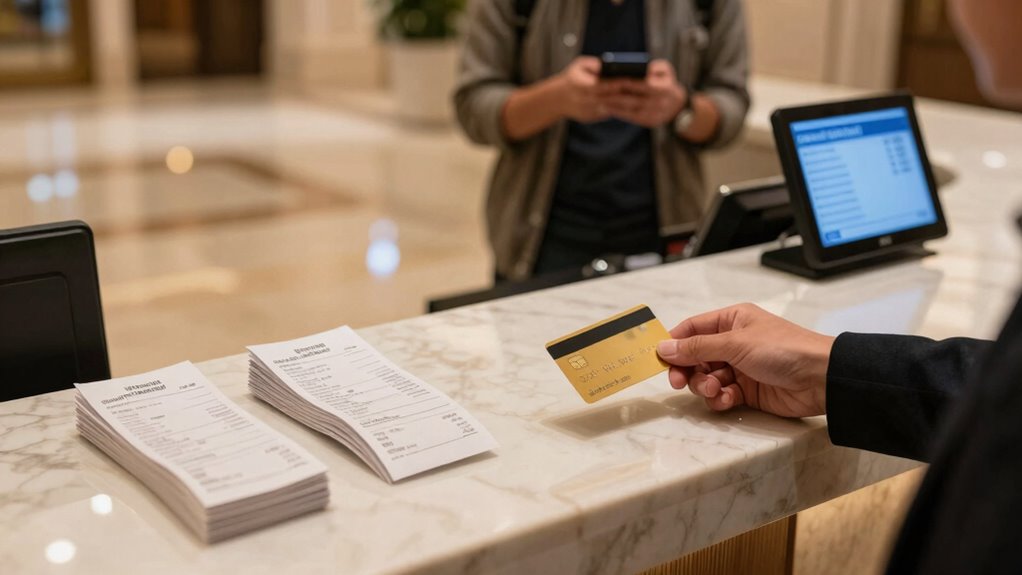
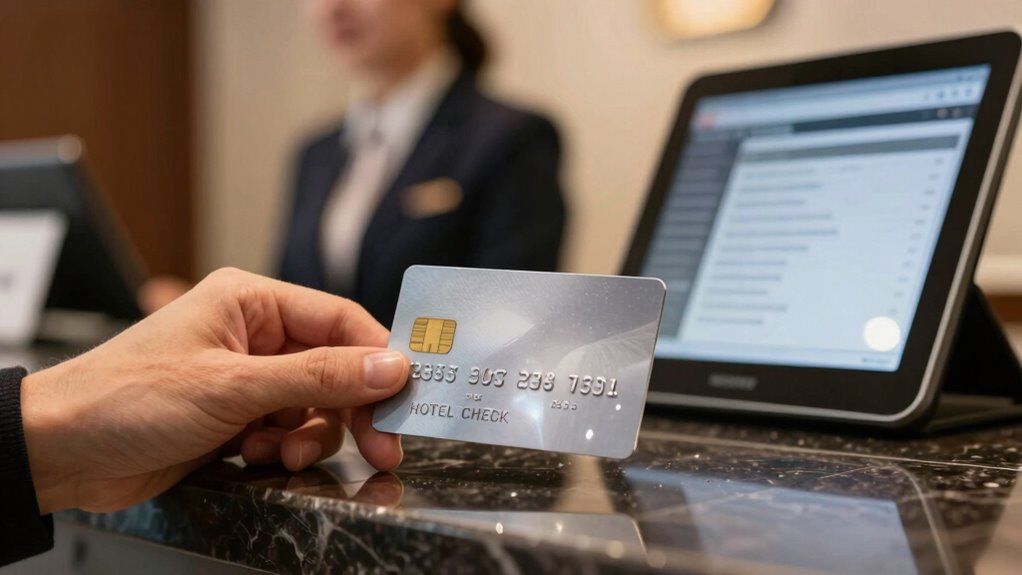
Have you ever wondered why your bank temporarily holds funds when you check into a hotel or rent a car? These holds are deposits or pre-authorizations, designed to cover potential charges. When traveling, they can impact your available funds, especially if you’re dealing with currency exchange, which might lead to higher holds due to exchange rate fluctuations. Pre-authorizations also safeguard businesses against damages or unpaid bills. It’s important to understand these holds because they’re not actual charges but temporary authorizations. Additionally, travel insurance often covers unexpected expenses, but it doesn’t prevent holds from appearing on your account. Being aware of authorization holds can help you better manage your available funds during your trip, especially considering bank policies that vary by financial institution. Understanding how these pre-authorization processes work allows travelers to plan their finances more effectively, avoiding surprises and potential overdrafts. Knowing how deposits and pre-authorizations work helps you plan your finances, avoid overdrafts, and ensure your trip runs smoothly without surprises. Moreover, understanding the funds availability policies of your bank can help you anticipate when the held funds will be released back into your account.
How Can You Tell When a Pre-Auth or Deposit Will Appear on Your Bank Statement?

You can usually see pending transactions on your bank statement before they post officially. Keep in mind that deposits and pre-authorizations often appear as pending for a few days, depending on your bank’s processing times. Once processed, they will change from pending to posted, giving you a clearer picture of your account activity. The duration a pre-authorization remains pending can also be influenced by transaction processing times, which vary between financial institutions. Additionally, understanding bank policies can help you anticipate how long these transactions may stay pending, especially when considering funds availability and hold policies. Being aware of funds hold durations can also assist in planning your finances while traveling.
Pending vs. Posted Transactions
Understanding the difference between pending and posted transactions is essential for managing your bank account while traveling. Pending transactions are those that your bank has authorized but haven’t yet settled, so they don’t fully reflect on your statement. Posted transactions have cleared and are fully recorded, showing up as actual charges or deposits. Recognizing this helps you track your spending and avoid surprises. Be aware that pending transactions can sometimes obscure your true balance, so monitor them closely to prevent overdrafts. Also, stay vigilant for credit card fraud, especially when transactions are pending, as fraudsters may attempt unauthorized pre-authorizations. Good bank security practices include regularly reviewing your account activity and understanding how pending and posted transactions appear, so you can quickly identify any suspicious activity while traveling. Additionally, being familiar with smart lock security features can help you ensure your home remains protected even when you’re away. Moreover, understanding transaction timelines can help you better plan your finances and avoid confusion between pending and cleared funds. It’s also helpful to familiarize yourself with authorization holds to understand how long funds might be unavailable in your account. Knowing how bank processing times work can further assist in predicting when transactions will fully post to your account. Being aware of fund availability policies can prevent unexpected account restrictions during your trip.
Bank Processing Times
When you check your bank account, you might notice that some transactions, like pre-authorizations or deposits, take a little time before they appear. Bank processing times vary depending on the type of transaction and your bank’s policies. International fees and currency exchange can also add delays, especially if the transaction involves foreign banks or currency conversions. Pre-authorizations often appear immediately as pending but may take a few days to finalize and post as a charge. Deposits, especially from international sources, can be delayed due to processing times across different banking systems. To stay informed, check your bank’s processing timeline and consider that delays are normal when dealing with international transactions or currency exchanges. Additionally, understanding halal banking practices can help you navigate financial transactions more confidently while respecting cultural and religious considerations. Being aware of banking transaction times can help you plan your financial activities more effectively, especially when traveling across borders. Recognizing these processing delays can also help reduce concerns about unexpected account activity while abroad, and maintaining awareness of international transaction procedures can facilitate smoother financial management during travel. It’s also helpful to keep track of bank notification updates to stay aware of when transactions are processed and finalized.
Tips to Manage Holds Before You Travel

To avoid surprises at checkout, it’s important to address holds on your accounts before traveling. Check your bank and credit card account balances a few days beforehand to see if any pending holds are in place. If you plan to use your card abroad, review your travel insurance coverage to understand how holds might be processed. Also, consider currency exchange rates and possible fees that could impact your available funds. Contact your bank or card issuer to request a temporary increase in your credit limit or to clarify how holds will be released. This proactive step helps prevent declined transactions or overdraft fees. By managing holds early, you ensure smoother payments and avoid unexpected issues during your trip.
What To Do if a Hold Is Still Pending or Frozen During Your Trip
If you find that a hold on your account remains pending or frozen during your trip, it can cause inconvenience and concern. You might worry about your available funds or unexpected charges. To resolve this, contact your bank or card issuer immediately, explaining the situation. Mention that you have travel insurance, which can sometimes assist with disputes or delays. Also, understand that foreign exchange rates might influence hold amounts, especially abroad. Stay calm and keep documentation ready, like receipts or confirmation emails. Check your account regularly for updates. Remember, most holds resolve within a few days. Staying proactive ensures you can enjoy your trip without unnecessary financial stress. Additionally, understanding bank swiftifs codes can help streamline communication with your bank if you need to verify or provide your banking details quickly.
Strategies to Minimize the Impact of Holds on Your Budget

To keep your budget steady, it’s smart to plan for holds in advance. Consider using alternative payment methods to avoid tying up funds, especially for large transactions. By preparing ahead, you can minimize how much holds affect your available balance while traveling.
Plan for Holds
When traveling, holds on your funds can unexpectedly tie up your available cash, making it harder to manage your expenses. To plan effectively, consider your travel insurance coverage, which may reduce some deposit worries by offering refunds or protections. Also, familiarize yourself with your bank’s policies on international banking, so you know how holds might differ abroad. Before your trip, allocate a buffer amount in your account to cover potential holds without disrupting your daily spending. Keep track of pending transactions and communicate with your bank about your travel plans to minimize surprises. By understanding how holds work and preparing accordingly, you can reduce their impact on your budget and avoid unnecessary financial stress during your trip.
Use Alternative Payments
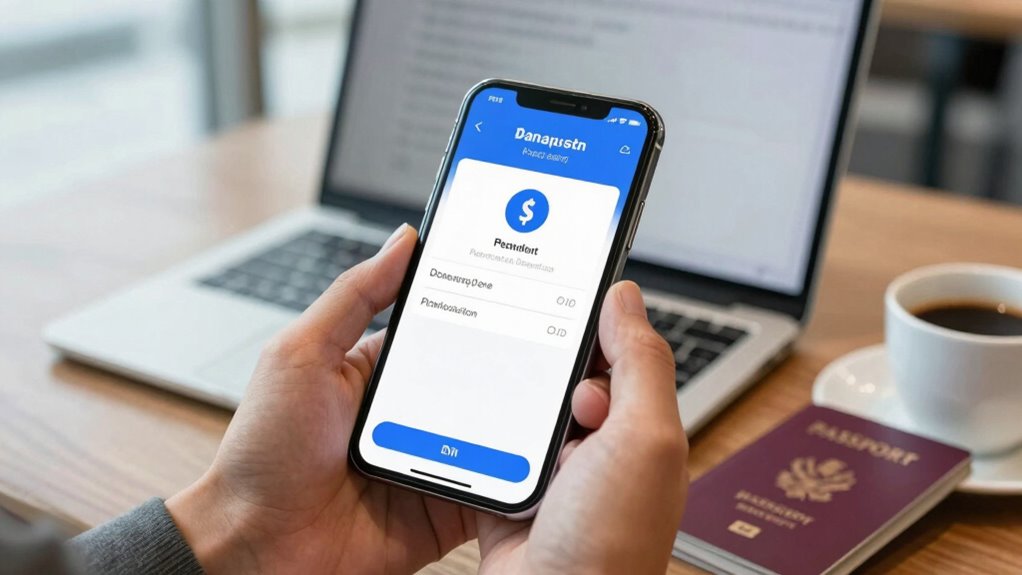
Using alternative payment methods can help you minimize the impact of holds on your travel budget. Digital wallets and mobile payments are convenient options that often avoid the need for pre-authorization holds. Instead of using a credit card that might be frozen during a hold, you can pay directly through services like Apple Pay, Google Pay, or other digital wallets. These methods typically process your payment immediately or hold a smaller security deposit, reducing the risk of funds being unavailable. By choosing mobile payments for reservations or purchases, you limit the exposure of your main bank accounts to holds, making your finances more flexible while traveling. Also, understanding pre-authorization can help you better anticipate potential holds and plan accordingly. This strategy helps you stay prepared and avoid surprises when managing your money abroad. Additionally, being aware of transaction timing can help you coordinate your payments to avoid overlaps or delays caused by holds. Recognizing the hold duration can further assist in planning your expenses around the time limits of these holds. Incorporating alternative payment methods can significantly enhance your travel financial flexibility.
Common Mistakes to Avoid With Travel Deposits and Pre-Auths
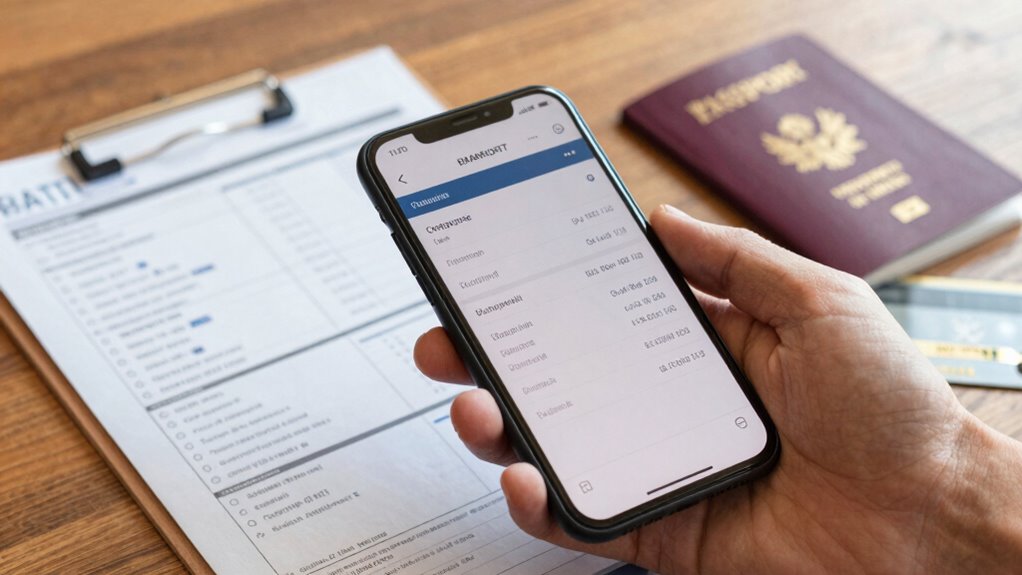
One common mistake travelers make with deposits and pre-authorizations is not understanding how they work or when the funds will be released. Many assume the hold is immediate and forget it can take several days for the amount to clear. This oversight can cause issues if you need access to those funds quickly. Additionally, not considering currency exchange rates can lead to unexpected charges, especially if your card’s currency isn’t the same as the local currency. Always review your travel insurance to see if it covers any holds or charges related to deposits. Being aware of how pre-auths work and fund availability helps you plan better, avoiding surprises that could affect your budget or financial flexibility during your trip. Understanding deposit safety and how holds are processed can prevent unnecessary financial stress. It’s also advisable to check with your bank or card issuer about their policies on pre-authorization holds to avoid surprises. Knowing about transaction processing times can help you better anticipate when funds will be accessible, ensuring smoother transactions and peace of mind. Proper planning ensures smoother transactions and peace of mind.
Final Tips to Stay on Top of Holds While Traveling

Staying on top of holds while traveling requires proactive planning and vigilance. Start by reviewing your travel insurance policy to understand what deposits or pre-authorizations it covers. Always keep copies of your booking confirmations and check for any pending holds on your credit card before and after transactions. Be mindful of currency exchange rates, as they can impact hold amounts if your card is charged in a different currency. Consider using a travel-friendly credit card with no foreign transaction fees to minimize unexpected holds. Regularly monitor your account online or through banking apps to spot any unauthorized or lingering holds. By remaining informed and prepared, you can avoid surprises and ensure your funds are available when you need them most.
Frequently Asked Questions
Can I Dispute a Deposit or Pre-Authorization if I’M Overcharged?
Yes, you can dispute an overcharge on a deposit or pre-authorization. You should start the dispute process by contacting your bank or credit card issuer and explaining the issue. They’ll guide you through the overcharge resolution process, which may involve providing proof of the correct charge. Be prompt, as timely action improves your chances of successfully resolving the dispute and getting the excess amount refunded.
How Long Do Deposits and Pre-Authorizations Typically Stay on My Account?
Like a knight’s sword in the stone, deposits and pre-authorizations typically stay on your account for 1 to 7 days, depending on your bank’s processing times. Fund hold durations differ by institution, so it’s wise to check with your bank. Usually, once the hold lifts, the funds become available again, but delays can occur based on bank processing times. Keep an eye on your account to stay in control.
Are There Differences in Handling Holds for International Versus Domestic Travel?
Yes, handling holds differs for international versus domestic travel due to currency exchange and international policies. When traveling abroad, your bank may apply more complex procedures, potentially delaying release times. Pre-authorizations often involve currency conversion, which can impact hold amounts and durations. Always check your bank’s international policies beforehand, and be aware that international transactions might take longer to clear, especially with different currencies involved.
What Should I Do if a Hold Prevents Necessary Funds From Being Available?
Ironically, your funds are held hostage by fund hold policies, even when you need them most. To resolve this, contact your bank promptly, explaining your situation and requesting release of the hold. Use clear bank communication strategies, like providing proof of travel or reservations, to expedite the process. Sometimes, a quick call can free up those necessary funds, letting you handle your travel expenses without unnecessary stress.
Do Credit Cards and Debit Cards Handle Deposits and Pre-Auths Differently?
Credit cards and debit cards handle deposits and pre-authorizations differently due to card network policies and merchant practices. With credit cards, pre-auths temporarily hold funds but don’t deduct them, so your available credit is affected temporarily. Debit cards, however, often place holds directly on your bank account, potentially tying up funds until the hold lifts. Always check your card’s policies and ask merchants how they handle these holds to avoid surprises.
Conclusion
By staying proactive and keeping a close eye on your bank statements, you can navigate deposits and pre-authorizations like a seasoned sailor steering through choppy waters. Remember, understanding how holds work keeps your finances steady and your trip stress-free. With these tips, you’ll keep your budget afloat and avoid surprises, turning potential stormy seas into smooth sailing. Stay vigilant and enjoy your travels with confidence, knowing you’re in control of your financial ship.