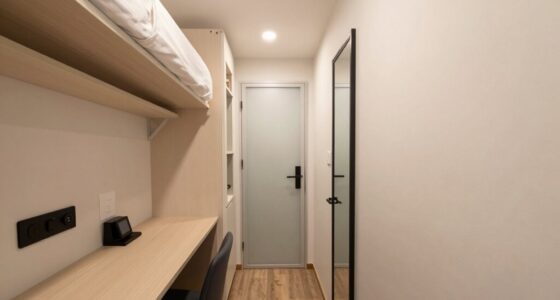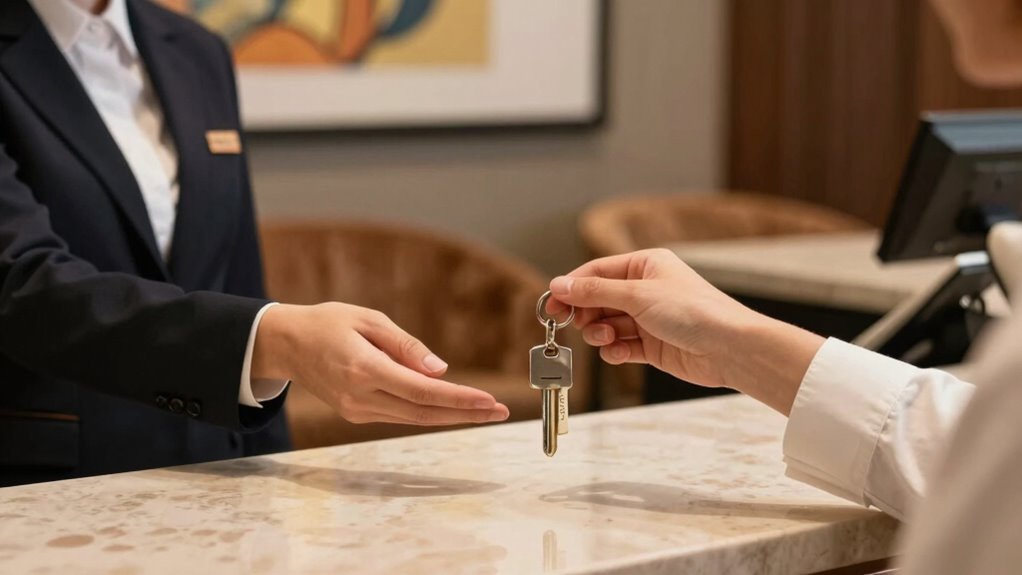

To request a quiet room and increase your chances of getting one, be clear and polite when communicating your preferences early during booking or check-in. Choose a room away from busy hallways, elevators, or noisy amenities, and mention any sensitivities you have. Use strategic phrases like “Could I please have a quiet room?” and suggest alternatives if needed. Keep follow-ups and be flexible; if you continue exploring, you’ll learn more effective strategies to secure a peaceful space.
Key Takeaways
- Make your request early during booking or check-in, clearly stating the need for a quiet room with specific reasons.
- Communicate politely and directly, emphasizing the benefits of a quiet environment for your comfort or work.
- Select room locations away from noise sources like elevators, hallways, or common areas, and specify preferences in advance.
- Follow up if no response, keeping records of your requests, and consider alternative solutions like soundproofing or noise-canceling devices.
- Be flexible and collaborative, offering compromises or alternative arrangements, while highlighting the importance of a quiet space for your well-being.
Why Choosing the Right Location Can Help You Get a Quiet Room
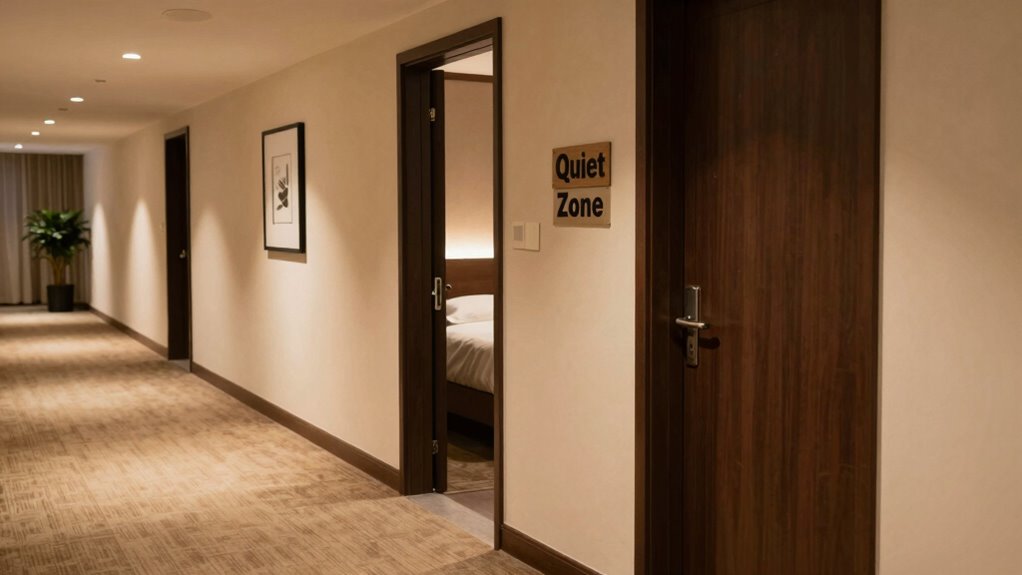
Choosing the right location is essential when trying to secure a quiet room. Your goal is to minimize noise levels, so consider room locations away from busy hallways, elevators, or vending machines. Rooms near the corner or at the end of a corridor often experience less foot traffic and sound disturbance. Avoid rooms near loud amenities like gyms or kitchens, which can increase ambient noise. When selecting a room, think about the building’s layout and how sounds might travel. A strategically chosen room location can markedly reduce unwanted noise, helping you work or rest peacefully. Remember, the right spot isn’t just about size or view; it’s about positioning yourself where external noise is least likely to intrude. Understanding soundproofing concepts can further guide your choice and improve your quiet environment. Additionally, considering room construction materials can significantly impact sound insulation and noise reduction. Being aware of building design can also help you identify areas with better soundproofing features. Recognizing the location’s proximity to noise sources can further enhance your chances of securing a truly quiet room. Consulting with building staff about known noise hotspots can also be a valuable step in your selection process.
How to Ask for a Quiet Room : Tips and Sample Phrases

Wondering how to effectively request a quiet room? Start by clearly expressing your preference with polite, direct phrases like, “Could I please have a quiet room?” or “I’d appreciate a room away from elevators and busy areas.” When making your request, consider mentioning specific hotel amenities that help guarantee tranquility, such as requesting a room on a higher floor or away from common areas. If available, don’t hesitate to ask about room upgrade requests that might offer quieter locations. To strengthen your request, you can also:
- Highlight any special needs or sensitivities
- Mention your desire for a room near amenities like the pool or gym
- Politely inquire about availability of rooms with minimal noise
- Remember that understanding the meaning of room types can help you specify your preferences more effectively.
- Being aware of hotel policies regarding room assignments can further improve your chances of securing a quiet space.
- Familiarizing yourself with hotel layout can also assist in identifying the best location for a peaceful stay.
- Additionally, researching natural soundproofing techniques can help you choose a room that minimizes noise from the surroundings.
Gaining knowledge about noise levels and typical hotel layouts can also help you plan your request more confidently.
Using sample phrases can make your request clearer and more effective.
When and How to Request a Quiet Room for the Best Chance

Timing is key when requesting a quiet room, so try to make your request early during the booking process or check-in. The sooner you communicate your room preferences, the better your chances of securing a peaceful space. When you contact the hotel, be clear and polite, emphasizing your need for a quiet environment. Guest communication is essential; mention any specific concerns or preferences upfront. If possible, specify your desire for a room away from elevators, busy streets, or communal areas. Doing this early shows your request is important, increasing the likelihood it will be noted and accommodated. Remember, hotels are more likely to fulfill your request if they have ample time to consider your preferences. Clear, early communication is your best strategy for a quiet room. Additionally, understanding the best time to request can further improve your chances of getting a peaceful room. Planning your request well in advance increases the likelihood that hotel staff can accommodate your needs. Being aware of hotel policies regarding special requests can also help you better navigate the process. Knowing the guest communication tips can further enhance your ability to articulate your preferences effectively. Furthermore, familiarizing yourself with hotel room assignment procedures can help you better understand how rooms are allocated and increase your chances of securing a quiet space.
Proven Strategies to Increase Your Chances of Securing a Quiet Room
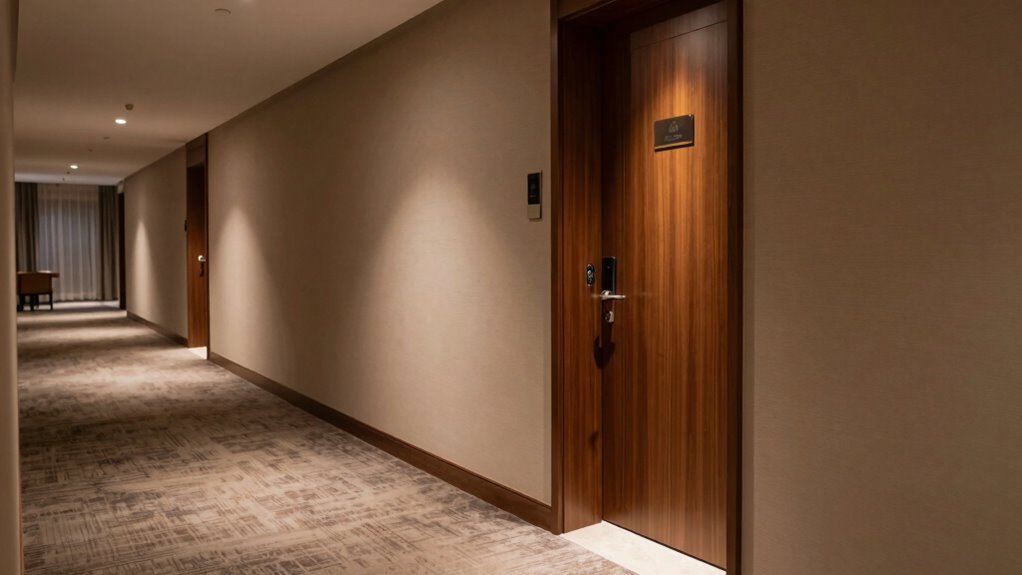
To increase your chances of securing a quiet room, it’s essential to be proactive and strategic in your approach. Start by clearly communicating your need for noise cancellation or a room upgrade when making your request. Highlight how a quieter environment will improve your focus or comfort. Additionally, consider offering to arrive early or flexible check-in times to increase your chances of getting an upgraded room. You can also suggest specific features, like soundproofing enhancements, to demonstrate your understanding of room upgrades. Remember, being polite and assertive makes a difference. To strengthen your case, keep these strategies in mind:
- Emphasize the importance of noise cancellation features
- Ask about available room upgrades explicitly
- Offer flexibility for check-in or room selection
- Research Mad Tasting options for additional comfort or amenities that could enhance your stay
- Understand the hotel policies related to room assignments and upgrades to better navigate the process. For example, knowing the typical upgrade policies can help you tailor your requests more effectively.
What to Do If Your Request Is Denied and Alternative Quiet Spaces

If your request for a quiet room gets denied, don’t get discouraged. Handling objections calmly shows your commitment to finding a solution. Ask if there are any other designated quiet spaces nearby, such as lounges, study areas, or conference rooms. Many facilities have alternative spaces that might not be immediately obvious but still provide the quiet environment you need. Offer to adjust your schedule or explore off-peak hours when quieter areas are less crowded. If no suitable options are available, consider bringing noise-canceling headphones or a portable white noise machine to create your own quiet zone. Remember, being flexible and proactive increases your chances of finding a peaceful space, even if your initial request isn’t approved. Additionally, understanding the benefits of quiet environments can help reinforce the importance of your request, and knowing about industry trends may offer insights into evolving policies for designated quiet spaces. Recognizing security and home comfort options, such as portable soundproofing devices, can also support your efforts to find or create a peaceful environment. Exploring innovative noise reduction solutions can further enhance your ability to maintain a quiet setting in various environments. Sometimes, reaching out to facility management with a well-reasoned explanation can encourage them to reconsider or provide alternative arrangements.
Frequently Asked Questions
Can I Request a Quiet Room in Advance or Only at Check-In?
Yes, you can request a quiet room in advance, often during your early check-in or when making a reservation. Many hotels appreciate advance requests and have policies to accommodate guests seeking quieter rooms. It’s best to contact the hotel ahead of time to confirm their policies and mention your preference. Doing so increases your chances of securing a peaceful room, especially during busy periods or at popular hotels.
Are There Specific Times When Quiet Rooms Are More Available?
You’ll find quiet rooms more available during off-peak times, such as early mornings or late evenings, when hotel activity slows down. Avoid peak hours like midday or early evening when demand is high. To increase your chances, request your quiet room during these quieter periods, either in advance or at check-in. Being flexible with your timing can help make certain you get the peaceful space you’re seeking.
How Do I Handle Noisy Neighbors if My Quiet Room Request Is Ignored?
If your noise complaint is ignored, approach your neighbors calmly and politely, explaining how the noise affects you. If that doesn’t work, consider requesting neighbor mediation through your building management or local community resources. Mediation can help both parties understand each other’s concerns and find a solution. Stay patient and respectful, and document any ongoing issues to support your case if needed.
Is There a Difference in Quiet Room Availability Between Different Hotel Types?
Yes, quiet room availability varies by hotel type. Budget hotels often have limited options, while upscale or boutique hotels prioritize guest comfort and are more flexible with room assignments. Hotel chain policies influence this, as larger chains tend to have standardized room assignment procedures that can include quiet rooms. When booking, specify your need for a quiet space, and ask about their policies to improve your chances of securing a peaceful room.
Can I Request Additional Amenities to Enhance My Quiet Stay?
You can definitely request additional amenities to enhance your quiet stay. When you check in, ask about amenity requests like blackout curtains, soundproofing, or extra pillows. Don’t hesitate to inquire about hotel upgrades, such as a room in a quieter part of the hotel or a suite with better sound insulation. Be polite and clear, and the staff might accommodate your needs, making your stay more peaceful.
Conclusion
By choosing the right moment, asking politely, and being prepared with key phrases, you stand a good chance of securing a quiet room. Remember, persistence pays off—you don’t want to leave things to chance. If your initial request isn’t granted, explore alternative quiet spaces or options nearby. Keep your cool and don’t burn bridges. With these tips in your back pocket, you’ll be well on your way to finding the peaceful environment you need—sometimes, you have to go the extra mile.