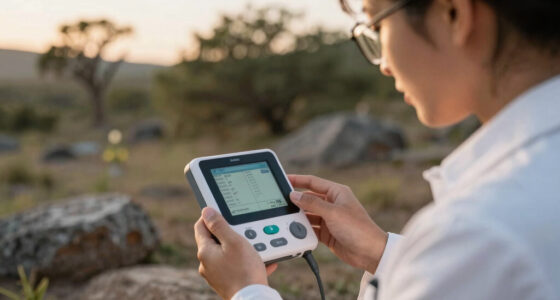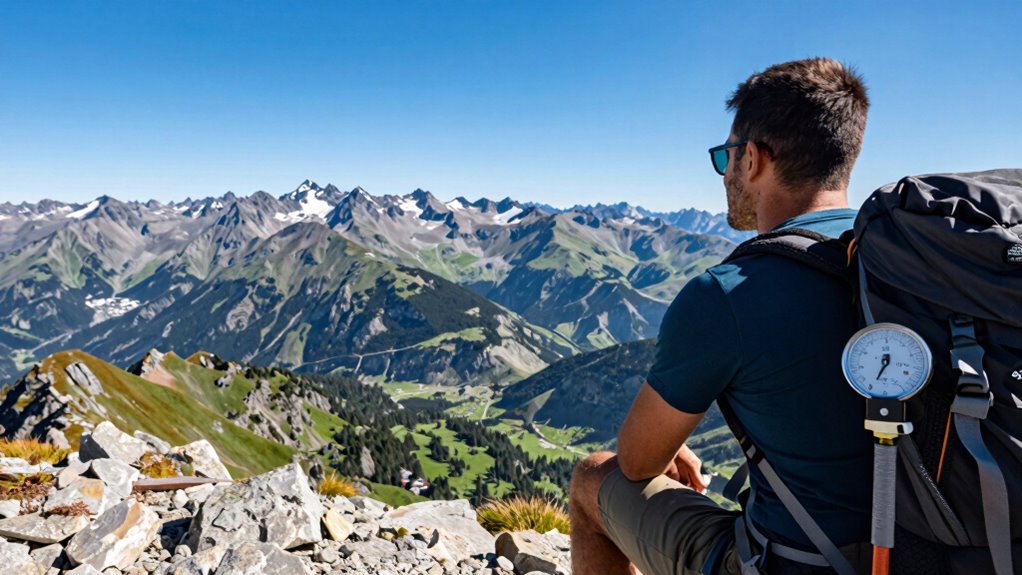
To handle altitude changes safely, gradually acclimate by ascending slowly and scheduling rest days at intermediate heights. Stay well-hydrated, eat a balanced diet, and avoid alcohol or caffeine. Pay close attention to your body’s signals—if you notice headaches, dizziness, or shortness of breath, reduce activity or descend if needed. Using medications like Acetazolamide can also help. If you want to learn more about effective strategies and how to prepare, keep exploring.

Get travel and outdoor gear delivered free with Prime
- Fast, free delivery on millions of items
- Prime Video, Amazon Music and more included
- Member-only deals all year
Key Takeaways
- Gradually ascend to higher elevations to allow natural acclimatization and reduce risk of altitude sickness.
- Monitor symptoms like headache, dizziness, or shortness of breath to detect early signs of altitude issues.
- Adjust activity levels and pace based on how your body responds, avoiding overexertion.
- Stay well-hydrated with water and electrolyte drinks, and avoid excessive alcohol or caffeine.
- Use medications such as Acetazolamide or Dexamethasone proactively, and descend if symptoms worsen.
What Actually Happens to Your Body at High Altitudes?
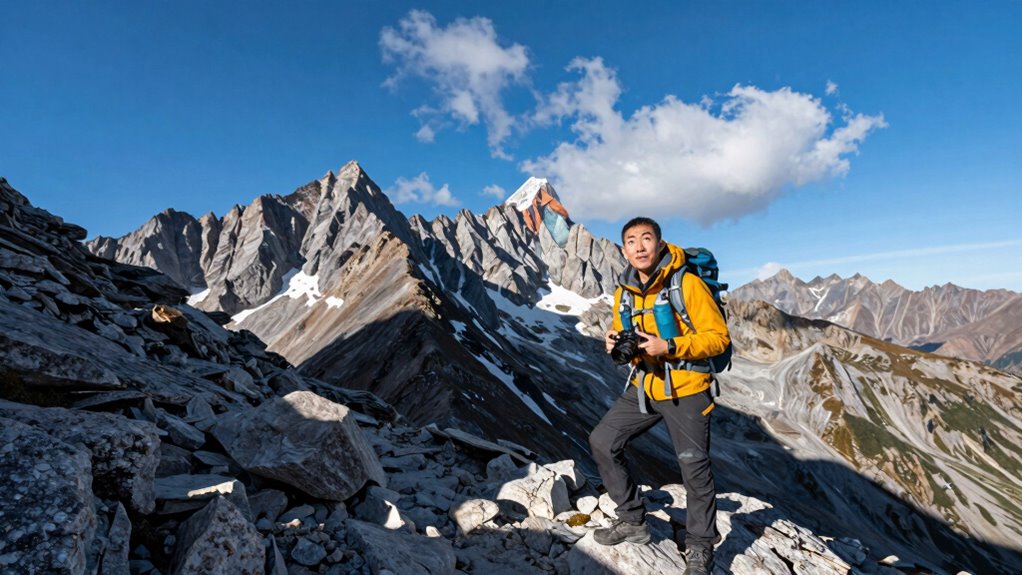
When you ascend to high altitudes, your body immediately responds to the reduced oxygen levels in the air. This triggers altitude adaptation, as your body works to maintain essential functions despite thinner air. Initially, you might notice quicker breathing and a faster heartbeat as your body tries to get more oxygen. Over time, your blood produces more red blood cells to improve oxygen transport, helping you acclimate. Your lungs and cardiovascular system adjust to compensate for the lower oxygen levels, ensuring your tissues still receive what they need. These natural responses are your body’s way of adapting to the environment, but they can take days or weeks. Understanding this process helps you appreciate how your body copes with altitude changes, including the importance of altitude adaptation in preventing altitude sickness. Recognizing the signs of altitude sickness early can help you take appropriate measures to stay safe. Proper hydration and gradual ascent are also crucial in supporting your body’s oxygen transport processes during the adjustment period. Additionally, maintaining good indoor air quality during your trip can help reduce respiratory stress and improve overall acclimatization.
How to Recognize the Symptoms of Altitude Sickness
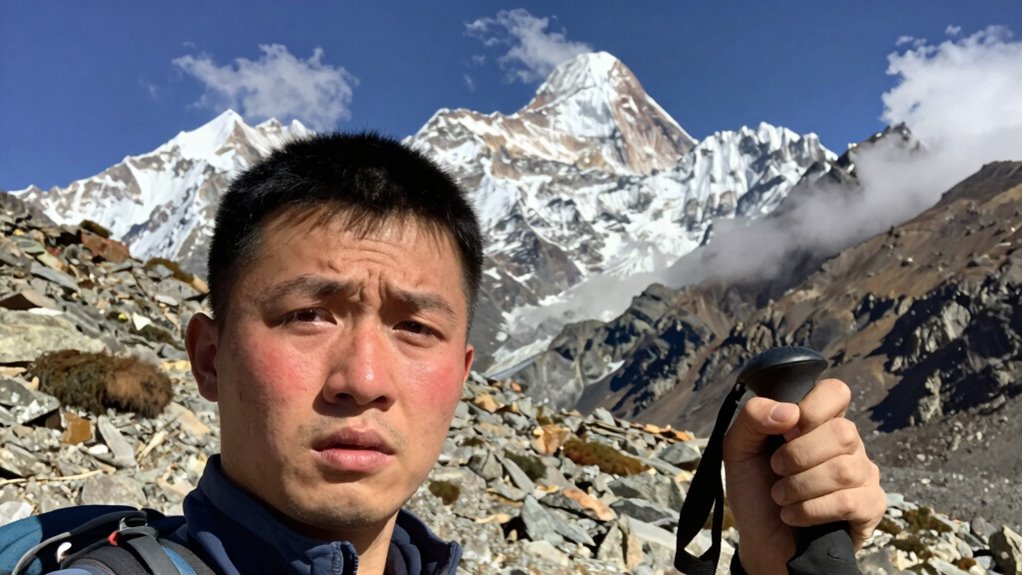
As your body adjusts to higher altitudes, recognizing the early signs of altitude sickness becomes important. During altitude training, your oxygen levels decrease, which can cause symptoms like headaches, dizziness, and nausea. These signs often appear within the first few hours or days of rapid ascent. Pay attention to how you feel—difficulty sleeping, shortness of breath, or a loss of appetite are common early indicators. If symptoms worsen or persist, it could signal more serious altitude sickness, such as high-altitude cerebral or pulmonary edema. Acting quickly by resting, staying hydrated, and descending if necessary can prevent complications. Being alert to these symptoms helps you manage altitude changes safely and ensures you enjoy your trip without unnecessary discomfort. Proper hydration and controlled activity levels are essential for altitude acclimatization to reduce the risk of severe symptoms. Additionally, gradual ascent and awareness of altitude illness risk factors can further support your safety during high-altitude activities. Recognizing early symptoms and responding promptly is key to preventing severe altitude sickness and ensuring a safe, enjoyable experience at high elevations. Monitoring your body’s responses and adjusting your activity accordingly can also help in preventing altitude-related health issues. Furthermore, understanding the symptoms of altitude sickness can motivate timely intervention and improve recovery outcomes.
How to Prepare Your Body Before Your Trip
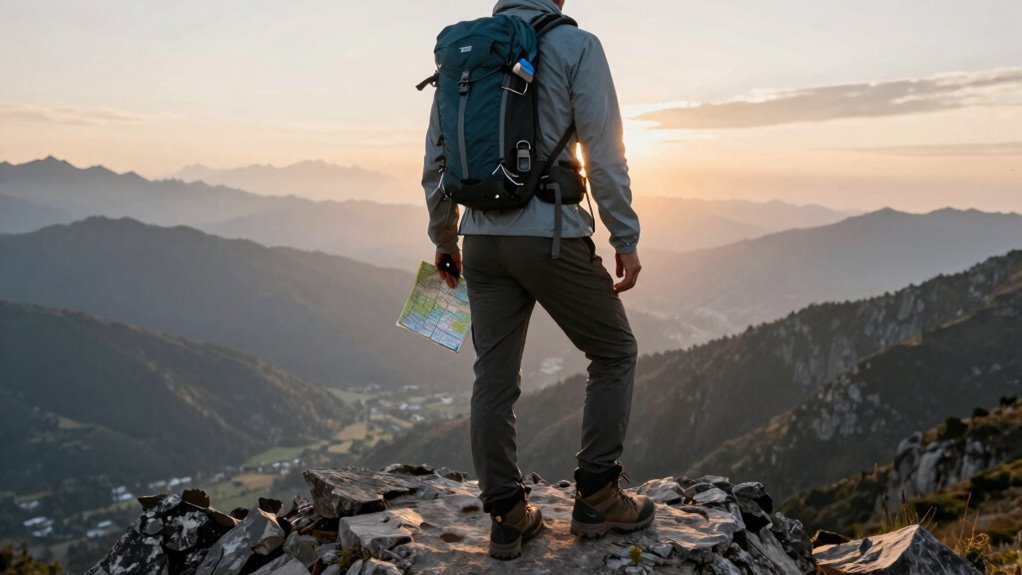
Preparing your body before your trip to high altitudes can considerably reduce the risk of altitude sickness and make your experience more comfortable. Focus on pre trip fitness by engaging in aerobic exercises like walking, cycling, or swimming to boost your cardiovascular health. This improves your body’s ability to adapt to lower oxygen levels. Nutrition optimization is equally important; eat a balanced diet rich in iron, vitamins, and hydration to strengthen your blood’s oxygen-carrying capacity. Avoid heavy alcohol and caffeine, which can dehydrate you. Gradually increase your activity levels in the weeks leading up to your trip to build endurance. Proper preparation ensures your body is primed for altitude changes, helping you acclimate faster and enjoy your trip with fewer health concerns. Being aware of passive voice detection tools can also help you refine your writing for clarity and impact. Incorporating altitude acclimatization strategies into your preparation can further enhance your ability to adjust smoothly. Additionally, staying mindful of hydration tips can greatly support your body’s adaptation process. Incorporating pre-trip fitness routines can maximize your body’s resilience to altitude effects.
Effective Strategies to Handle Altitude Changes During Your Journey
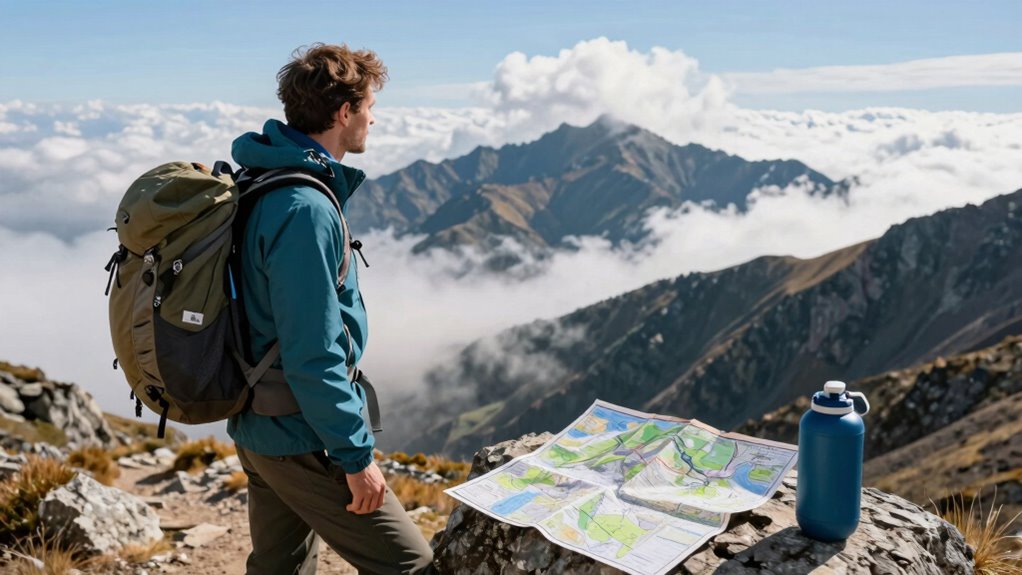
When altitude changes occur, it’s important to recognize symptoms like headaches or dizziness early on. You should also adjust your pace to avoid overexertion and stay well-hydrated to help your body adapt. These simple strategies can make a big difference in managing altitude effects during your trip. Being aware of altitude sickness symptoms can further help you take prompt action if needed. Incorporating auditory processing skills techniques, such as focused listening and environmental awareness, can also support your overall well-being during altitude transitions. Additionally, understanding how smart thermostat setup can optimize indoor comfort can assist in maintaining a consistent environment despite external altitude fluctuations. Utilizing foam rolling techniques can also aid in promoting circulation and recovery, helping your body adapt more comfortably to altitude changes and support overall home comfort.
Recognize Altitude Symptoms
Altitude symptoms can catch you off guard if you’re unaware of the signs to watch for. Being alert to altitude awareness helps you identify early symptoms like headaches, dizziness, fatigue, or shortness of breath. Recognizing these signs quickly allows you to take action before conditions worsen. Symptoms identification is key—pay attention to how your body reacts as you ascend. If you notice persistent headaches or feel unusually tired, don’t ignore these signals. Staying vigilant ensures you can respond appropriately, whether by slowing down, hydrating, or seeking lower elevation. By understanding common altitude symptoms, you prevent escalation and better manage your health during your trip. Additionally, consulting reputable Gold IRA markets can provide financial peace of mind for future planning. Recognizing how your body reacts to altitude changes can also help you develop a personalized strategy to prevent symptoms from intensifying. Being aware of health monitoring techniques can further support your safety during high-altitude excursions.
Adjust Your Pace
Adjusting your pace is essential to managing altitude changes effectively. Implement pacing strategies that match your energy levels, avoiding overexertion which can worsen symptoms. Rest and recovery are key; listen to your body and take breaks when needed. Slowing down allows your body to acclimate gradually, reducing fatigue and altitude sickness. Use the table below to help plan your pace:
| Activity Level | Pacing Strategies | Rest & Recovery Tips |
|---|---|---|
| Light | Maintain steady, comfortable pace | Take short breaks regularly |
| Moderate | Increase effort gradually, avoid sudden jumps | Incorporate longer rests if tired |
| Intense | Limit high-intensity activity | Prioritize rest if feeling unwell |
Additionally, understanding your capacity can help you better manage your efforts and prevent exhaustion at higher elevations. Recognizing your physical limits is crucial for a safe and enjoyable trip.
Prioritize Hydration
Staying well-hydrated becomes even more important as you change elevations. Proper hydration supports your body’s ability to acclimate and reduces altitude sickness risks. To maximize hydration importance, focus on fluid intake strategies that keep you consistent. Incorporate free floating techniques, such as sipping fluids steadily throughout the day, to maintain optimal hydration levels. Adequate hydration also involves understanding how altitude effects can influence your body’s fluid needs, ensuring you stay well-hydrated in varying environments.
- Drink water regularly throughout the day, even if you’re not thirsty.
- Incorporate electrolyte drinks to replenish lost salts and minerals.
- Monitor your urine color; light yellow indicates good hydration.
- Avoid excessive caffeine and alcohol, which can dehydrate you further.
Medications and Remedies to Prevent or Ease Altitude Sickness

To prevent or ease altitude sickness, you can consider specific medications that help your body adjust more comfortably. Home remedies like hydration and rest also play an essential role in supporting your acclimatization process. Combining these approaches can make your high-altitude experience safer and more enjoyable. Additionally, understanding support networks for new fathers can provide helpful insight into managing stress and staying healthy during your trip. Being aware of altitude acclimatization strategies can further enhance your preparedness and reduce the risk of illness.
Medications to Prevent Altitude Sickness
When traveling to high altitudes, taking preventive medications can substantially reduce the risk of altitude sickness. These medications are especially useful if you’re involved in altitude training or need to acclimate quickly. To maximize safety, consider these options:
- Acetazolamide (Diamox): Helps your body adjust faster but may cause medication side effects like tingling or frequent urination.
- Dexamethasone: A steroid that reduces brain swelling but is generally used short-term due to possible side effects.
- Ibuprofen: Eases headaches caused by altitude changes and has minimal side effects.
- Supplemental oxygen: Can be used as a preventive measure during ascent, especially in sensitive individuals.
Always consult a healthcare professional before starting any medication, as individual responses vary.
Home Remedies for Altitude Adjustment
Aside from medications, several home remedies can help your body adjust to altitude changes and reduce symptoms of altitude sickness. Drinking herbal teas, such as ginger or peppermint, can soothe your stomach and promote relaxation, making it easier to acclimate. Incorporate breathing exercises like deep diaphragmatic breaths to increase oxygen intake and improve circulation. Taking slow, deliberate breaths helps your body adapt more efficiently to the lower oxygen levels. Staying well-hydrated with water and herbal teas prevents dehydration, which worsens altitude symptoms. Resting when needed and avoiding strenuous activity also support acclimatization. These simple home remedies, combined with gentle breathing techniques and hydration, can make your transition to higher elevations more comfortable and reduce the risk of altitude sickness.
Planning Your Trip for Safe Altitude Adjustment and Acclimatization
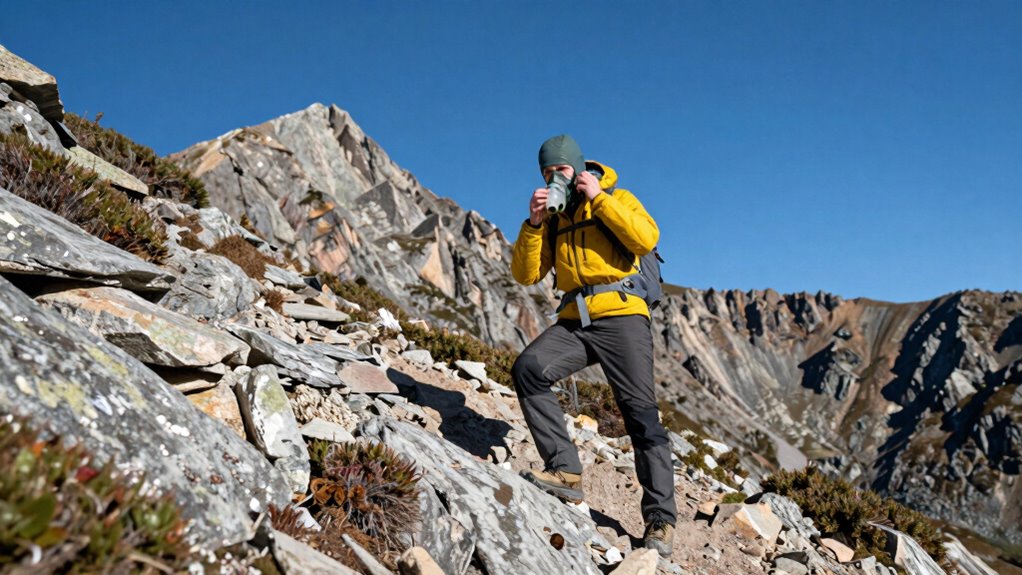
Planning your trip carefully is essential to guarantee a safe and smooth altitude adjustment. Proper planning helps facilitate altitude acclimatization and ensures your travel gear selection supports your needs. First, choose your destination gradually, allowing extra days at intermediate altitudes to adapt. Second, pack lightweight, breathable clothing and essentials like oxygen supplies if necessary. Third, schedule activities to avoid strenuous exertion during the first days at high elevation. Fourth, research local medical facilities and altitude sickness symptoms. This preparation minimizes risks and helps you respond quickly if symptoms appear. By prioritizing these steps, you set yourself up for successful altitude adjustment, making your trip safer and more enjoyable. Proper planning ensures you avoid surprises and handle altitude changes confidently.
Frequently Asked Questions
How Long Does It Typically Take to Fully Acclimate to High Altitudes?
You typically need about 1 to 3 days for a proper altitude adjustment, but full acclimatization can take up to a week or more, depending on your individual response and the altitude level. During this acclimatization period, give your body time to adapt and avoid overexertion. Listen to your body, stay hydrated, and ascend gradually to help your altitude adjustment process go smoothly.
Are There Specific Foods That Help Prevent Altitude Sickness?
Think of altitude nutrition as your shield against altitude sickness. You should focus on a preventive diet rich in complex carbs like whole grains and fruits, which provide steady energy. Avoid heavy, greasy foods that can weigh you down. Hydrate well, and include foods high in iron and antioxidants to boost your body’s resilience. These foods help your body adapt smoothly, making altitude changes feel less like climbing a mountain and more like a gentle walk.
Can Altitude Sickness Affect Outdoor Activity Performance?
Altitude sickness can definitely affect your outdoor activity performance. You might experience altitude symptoms like headaches, fatigue, and dizziness, which hinder your physical adaptation. These symptoms reduce your stamina and focus, making physical activities harder and increasing the risk of accidents. To stay safe, listen to your body, pace yourself, and give your body time to adjust to the altitude. Proper acclimatization ensures you perform better and enjoy your outdoor adventures.
Is It Safe to Fly Immediately After Reaching High Altitude?
Think of it like a vintage radio: once you reach high altitude, it’s best to wait before flying again. Flying immediately after arriving at high altitude isn’t safe because cabin pressure and oxygen levels can be uneven, risking altitude sickness. Your body needs time to adapt, so waiting a day or two reduces risks. Always consult a doctor if you have health concerns before flying post-altitude adjustment.
What Are the Long-Term Health Effects of Repeated Altitude Exposure?
Repeated altitude exposure can lead to chronic health issues like persistent fatigue, headaches, and cardiovascular strain if your body doesn’t adapt properly. Over time, your body undergoes altitude adaptation, improving its ability to function at higher elevations. However, long-term effects vary individually, so it’s essential to monitor your health and consult medical professionals if you experience ongoing symptoms. Proper acclimatization helps minimize potential risks associated with chronic health effects from repeated altitude changes.
Conclusion
By understanding what your body goes through at high altitudes and preparing accordingly, you can avoid surprises and keep your trip enjoyable. Recognize the signs early, take steps to acclimate, and use remedies as needed. Remember, it’s better to be safe than sorry—don’t bite off more than you can chew. With a little planning and awareness, you’ll handle altitude changes like a pro and make the most of your adventure.
Evergreen bestsellers Picks
bestsellers
As an affiliate, we earn on qualifying purchases.